When it comes to maintaining your Jeep Grand Cherokee, one of the most critical yet often overlooked tasks is correctly torquing your wheel lug nuts. It might seem like a small detail, but getting this right is vital for your safety and the longevity of your vehicle.
Incorrectly torqued lug nuts can lead to a range of problems, from wobbly wheels and damaged studs to, in the worst-case scenario, a wheel coming off while you’re driving. This article will guide you through everything you need to know about Jeep Grand Cherokee wheel lug torque specifications, why they matter, and how to ensure they are set correctly.
The importance of proper torque cannot be overstated. It's not just about tightening the nuts; it's about tightening them to a specific, measured force.
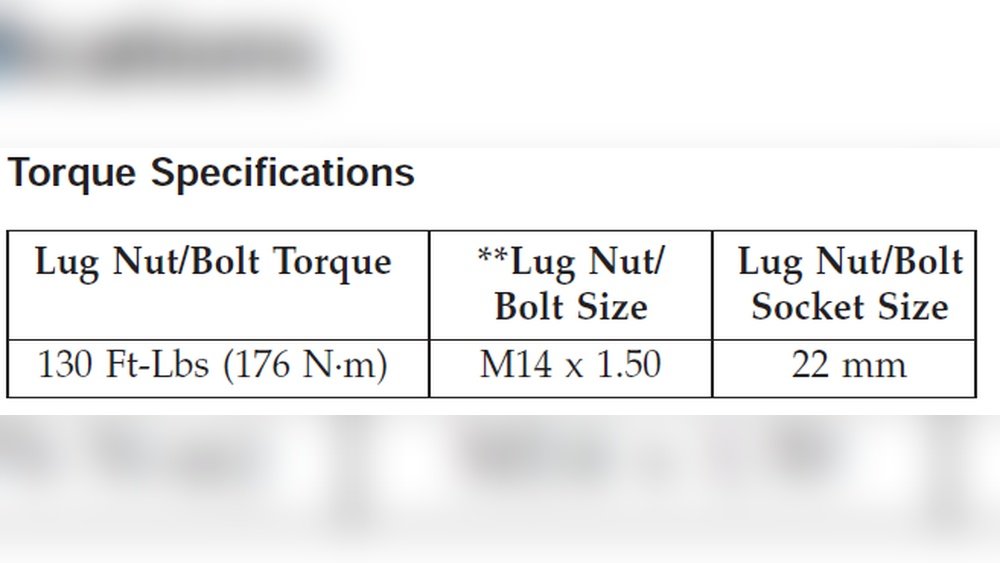
This force ensures the wheel is held securely against the hub without putting too much stress on the studs or the wheel itself.
Too loose, and the wheel can shift, causing vibration and wear. Too tight, and you risk stripping threads, breaking studs, or even cracking the wheel.
For a vehicle like the Jeep Grand Cherokee, which is often used for off-roading and can carry significant weight, correct lug nut torque is paramount for safe operation.
Understanding Wheel Lug Torque
Wheel lug nuts are the fasteners that attach your vehicle’s wheels to the hub assembly. They thread onto studs that protrude from the hub. The lug torque is the specific amount of rotational force applied to these nuts. This force is measured in foot-pounds (ft-lbs) or Newton-meters (Nm).
Why Specific Torque Values Exist
Manufacturers specify torque values for a reason. These values are determined through extensive testing to ensure:
- Secure Wheel Mounting: The wheel is held firmly against the hub, preventing movement that could cause vibrations or damage.
- Even Clamping Force: When multiple lug nuts are used, the specified torque ensures each nut contributes equally to holding the wheel. This prevents the wheel from becoming distorted or unevenly seated.
- Protection of Components: The torque value is set to be strong enough for safety but not so strong that it damages the studs, lug nuts, or the wheel itself. Overtightening can stretch or break studs, strip threads, or even crack alloy wheels.
- Prevention of Loosening: The correct torque ensures the nuts stay tight under the stresses of driving, including acceleration, braking, and cornering.
The Dangers Of Incorrect Torque
Loose Lug Nuts:
If lug nuts are too loose, the wheel can wobble on the hub. This can lead to:
- Vibration: You’ll feel a shaking sensation, especially at higher speeds.
- Damage to Studs and Holes: The constant movement can wear down the studs and the bolt holes in the wheel.
- Overheating: Friction from a loose wheel can cause brake components to overheat.
- Wheel Separation: In extreme cases, loose lug nuts can lead to the wheel detaching from the vehicle, a catastrophic failure with severe safety risks.
Over-Tightened Lug Nuts:
While it might seem like tighter is always better, over-tightening is equally dangerous:
- Stretched or Broken Studs: The excessive force can stretch the metal of the studs, weakening them. They can then snap under normal driving stress.
- Stripped Threads: The threads on the studs or in the lug nuts can be damaged, making it impossible to tighten them properly in the future.
- Cracked Wheels: Especially with alloy wheels, over-tightening can create stress points that lead to cracks.
- Difficulty in Removal: Over-tightened nuts can be extremely difficult to remove, particularly with a standard lug wrench.
Jeep Grand Cherokee Wheel Lug Torque Specifications
The exact torque specification for your Jeep Grand Cherokee depends on the model year and the type of wheel installed (e. g.
, factory steel, factory alloy, aftermarket). It is always best to consult your owner's manual for the most accurate information for your specific vehicle.
However, there are general ranges and common specifications for most Grand Cherokee models.
Common Torque Specs By Generation
While consulting your owner’s manual is paramount, here are some general torque specifications often found for various Jeep Grand Cherokee generations. These are *guidelines* and should be verified for your specific vehicle.
- 1993-1998 (ZJ): Typically around 100-110 ft-lbs (135-149 Nm).
- 1999-2004 (WJ): Often specified around 100-110 ft-lbs (135-149 Nm).
- 2005-2010 (WK): Usually in the 100-110 ft-lbs (135-149 Nm) range.
- 2011-2026 (WK2): The most common specification for this generation is 100 ft-lbs (135 Nm). Some sources might indicate up to 110 ft-lbs, but 100 ft-lbs is widely cited and safe.
- 2026+ (WL): For the latest generation, the specification is generally 100 ft-lbs (135 Nm).
Pro Tip: If you have aftermarket wheels, especially those made of lighter alloys, they might have different torque requirements. Always check with the wheel manufacturer or consult a professional installer.
Why Variations Exist
Even within the same model year, there can be slight variations. These can be due to:
- Wheel Material: Steel wheels and alloy wheels can have different tolerances for clamping force.
- Stud Size: The diameter and thread pitch of the wheel studs influence the required torque.
- Design Differences: Minor design changes in the hub or wheel mounting surface can affect the ideal torque.
The Importance Of The Owner’s Manual
Your Jeep Grand Cherokee's owner's manual is the definitive source for this information. It contains the precise torque specifications developed by Jeep engineers for your specific vehicle.
You can usually find this information in the section related to wheel and tire maintenance, changing a flat tire, or specifications.
If you don’t have a physical copy, Jeep’s official website often provides digital versions.
Tools You Need For Proper Torquing
To correctly torque your lug nuts, you’ll need a few essential tools. Using the wrong tools can lead to inaccurate tightening and potential damage.
- Torque Wrench: This is the most crucial tool. A click-type torque wrench is common and relatively affordable. It audibly clicks when the set torque is reached. A digital torque wrench offers higher precision and often a visual display. Ensure the wrench’s range covers the required ft-lbs for your Grand Cherokee.
- Socket Wrench/Breaker Bar: You’ll need a socket that fits your lug nuts (usually 19mm or 21mm for Jeep Grand Cherokees). A breaker bar provides more leverage than a standard ratchet, making it easier to loosen stubborn nuts and to initially snug them before using the torque wrench.
- Correct Socket Size: Using the wrong size socket can round off the corners of your lug nuts, making them difficult to remove later. Ensure you have the correct 19mm or 21mm deep socket, preferably one with a protective sleeve to prevent scratching your wheels.
- Wheel Chocks: These are essential for safety. They prevent the vehicle from rolling while you’re working on a wheel.
- Jack and Jack Stands: Proper lifting equipment is necessary to safely raise the vehicle and support it while you work. Never rely solely on the jack.
The Step-by-step Process For Torquing Lug Nuts
Performing this task correctly involves more than just tightening the nuts. It requires a methodical approach to ensure even pressure and proper seating of the wheel.
Preparation Steps
- Park on a Level Surface: Ensure the vehicle is on a flat, stable surface. Engage the parking brake firmly.
- Chock the Wheels: Place wheel chocks behind the wheels on the opposite end of the vehicle you’re working on. For example, if you’re working on a front wheel, chock the rear wheels.
- Loosen Lug Nuts (Slightly): Before jacking up the vehicle, use your socket wrench or breaker bar to slightly loosen each lug nut. Turn them about a quarter to half a turn counter-clockwise. Do not remove them yet. This is easier to do when the wheel is on the ground and the brakes are engaged.
- Jack Up the Vehicle: Place the jack under the designated jacking point for your Grand Cherokee (refer to your owner’s manual). Raise the vehicle until the tire is completely off the ground.
- Support with Jack Stand: Place a jack stand securely under a strong point of the frame or suspension near the wheel you are working on. Slowly lower the vehicle onto the jack stand. Remove the jack or leave it slightly engaged as a backup, but the primary support should be the jack stand.
- Remove Lug Nuts: Now, completely unscrew the lug nuts by hand or with your socket wrench. Keep them in a safe place.
- Remove the Wheel: Carefully pull the wheel straight off the hub. If it’s stuck, you might need to give it a gentle kick or tap it with a rubber mallet.
Installing The Wheel And Initial Tightening
- Inspect Components: Before putting the wheel back on, check the studs for any damage (bent, stripped, or cracked) and the wheel’s mounting surface for dirt or debris. Clean them if necessary.
- Mount the Wheel: Align the wheel with the studs and slide it onto the hub until it sits flush against the mounting surface.
- Install Lug Nuts: Thread the lug nuts back onto the studs by hand. This ensures you don’t cross-thread them. Tighten them as much as you can by hand.
- Snug the Lug Nuts: Using your socket wrench or breaker bar, tighten the lug nuts in a star pattern (also known as a criss-cross pattern). This ensures the wheel seats evenly against the hub. Go around the pattern a couple of times until all nuts are snug. Do not overtighten at this stage; just make them firm.
The Torquing Process
- Set Your Torque Wrench: Adjust your torque wrench to the specified value for your Jeep Grand Cherokee (e.g., 100 ft-lbs).
- Torque in Stages (Recommended): For the most accurate and even results, it’s best to torque the nuts in two stages.
- First Pass: Using the torque wrench, tighten each lug nut to about half the final torque specification (e.g., 50 ft-lbs if the final spec is 100 ft-lbs). Again, follow the star pattern. This ensures the wheel is pulled evenly onto the hub.
- Second Pass: Once all nuts have been torqued to the lower value, go around again in the star pattern with the torque wrench set to the final specification (e.g., 100 ft-lbs). Tighten each nut until the wrench clicks (for click-type) or indicates the set torque. Ensure you hear or feel the click for each nut.
- Repeat for All Wheels: Once you’ve finished one wheel, lower the vehicle carefully off the jack stand, remove the stand, and then lower the vehicle completely. Repeat the entire process for the remaining three wheels.
Post-installation Checks
- Re-Torque After Driving: This is a critical step often forgotten. After driving for about 50-100 miles (80-160 km), you must re-torque all the lug nuts. The initial torque can settle, and the nuts might loosen slightly. Re-torquing ensures they remain at the correct specification.
- Listen for Noises: Pay attention to any unusual sounds like clicking, grinding, or wobbling, which could indicate a problem with the wheel mounting.

Common Mistakes To Avoid
Even with the right tools and instructions, mistakes can happen. Being aware of these common pitfalls can help you avoid them.
Misusing The Torque Wrench
- Using it as a Breaker Bar: Never use a torque wrench to loosen tight nuts or to initially snug them down. This can damage the wrench’s calibration.
- Not Setting It Correctly: Double-check the setting before each use. A misplaced click can lead to over or under-torquing.
- Ignoring the Click: For click-type wrenches, ensure you hear and feel the click. If you’re unsure, give it another gentle pull.
- Over-Torquing Past the Click: Once the wrench clicks, stop. Continuing to pull will over-tighten the nut and potentially damage the wrench.
Incorrect Tightening Pattern
- Tightening in a Circle: Simply going around in a circle (1, 2, 3, 4…) does not ensure even pressure. Always use the star or criss-cross pattern.
- Not Tightening in Stages: While sometimes skipped for speed, torquing in two stages (half torque, then full torque) is the best way to ensure even clamping force across all studs.
Neglecting Re-torquing
- Skipping the 50-100 Mile Check: This is arguably the most common and dangerous mistake. Wheels can settle after initial driving, and lug nuts can loosen. This check is non-negotiable for safety.
Ignoring Vehicle-specific Specs
- Assuming All Wheels Are the Same: While many Grand Cherokee models share similar specs, always verify for your exact year and trim.
- Using Aftermarket Wheel Specs: Aftermarket wheels, especially performance or lightweight ones, might require different torque settings than stock wheels.
Improper Jacking And Support
- Using Only the Jack: Never work under a vehicle supported only by a jack. Always use a sturdy jack stand.
- Jacking in the Wrong Spot: Using an incorrect jacking point can damage the vehicle’s body or frame.
When To Seek Professional Help
While changing a tire and torquing lug nuts is a manageable DIY task for many, there are situations where professional assistance is recommended.
- If You Lack the Right Tools: If you don’t have a reliable torque wrench or the correct sockets, it’s safer to have a professional do it.
- Damaged Studs or Threads: If you notice any signs of damage to your wheel studs, lug nuts, or the wheel’s mounting surface, take it to a mechanic. Trying to force damaged components can lead to bigger problems.
- Experiencing Persistent Issues: If you’ve torqued your wheels