Jeep Grand Cherokee Wheel Lug Nut Upgrade: Enhancing Safety And Style
Your Jeep Grand Cherokee is more than just a vehicle; it's a symbol of adventure, capability, and personal expression. While many owners focus on engine upgrades, suspension lifts, or tire changes, one often-overlooked component plays a crucial role in both safety and aesthetics: the wheel lug nuts.
Upgrading your lug nuts might seem like a minor detail, but it can significantly impact your vehicle's performance, security, and overall look.
This guide will explore why upgrading your Jeep Grand Cherokee's lug nuts is a smart move, what factors to consider, and the various options available to enhance your ride.
The Importance Of Quality Lug Nuts
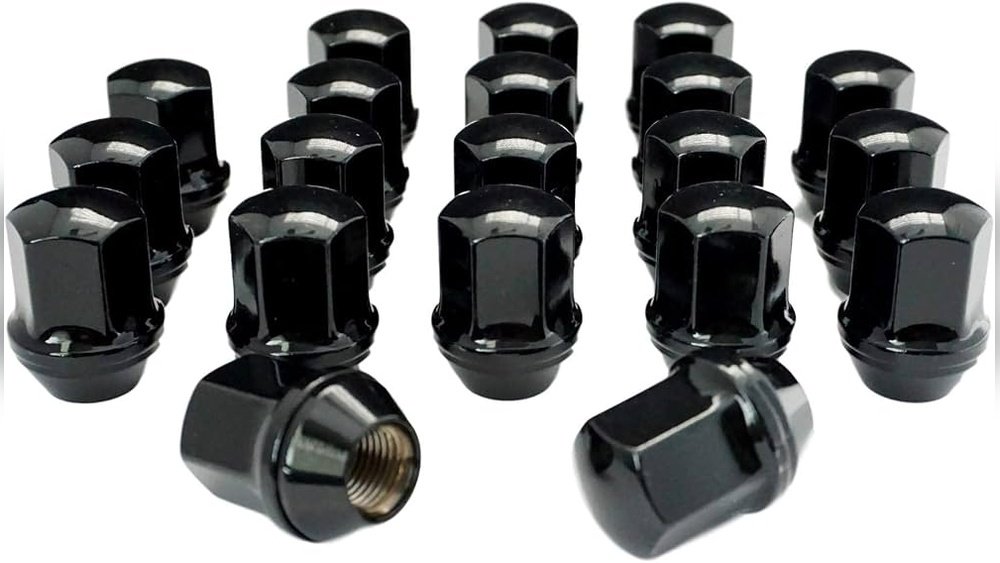
Lug nuts are the small but mighty fasteners that hold your wheels securely to your vehicle's hubs. They are subjected to immense stress from the road, braking forces, and the weight of the vehicle.
When these components fail, the consequences can be severe, ranging from a wobbly wheel to a complete wheel detachment, leading to dangerous accidents.
Stock lug nuts, while adequate for everyday driving, can sometimes be made from softer metals that are prone to wear, corrosion, or stripping. This is especially true in harsh environments where salt, mud, and debris are common. A lug nut upgrade addresses these potential weaknesses, offering improved durability, corrosion resistance, and a more secure fit. Beyond safety, upgraded lug nuts can also be a key element in customizing your Jeep’s appearance, adding a touch of personalized style that complements your vehicle’s rugged persona.
Why Upgrade Your Jeep Grand Cherokee Lug Nuts?
Several compelling reasons make upgrading your lug nuts a worthwhile investment for your Jeep Grand Cherokee.
Enhanced Durability And Strength
Factory lug nuts are often made from steel with a basic plating. While functional, they can corrode over time, especially in areas with harsh winters or coastal climates. This corrosion can make them difficult to remove and can even lead to thread damage. Aftermarket lug nuts are frequently constructed from high-strength steel or even billet aluminum, offering superior resistance to wear and tear. This increased durability ensures your wheels remain securely fastened, even under demanding off-road conditions or heavy towing.
Improved Corrosion Resistance
Rust and corrosion are the enemies of metal components. The constant exposure to moisture, road salt, and dirt can quickly degrade standard lug nuts. Upgraded lug nuts often feature advanced plating technologies like chrome, black chrome, nickel, or durable powder coating. These finishes not only look good but also provide a robust barrier against the elements, significantly extending the lifespan of the lug nuts and preventing them from seizing onto your wheel studs.
Enhanced Security
For Jeep owners who venture off the beaten path, wheel security is paramount. Some aftermarket lug nuts come with locking mechanisms or unique key patterns. These locking lug nuts require a special key tool to remove, acting as a deterrent against wheel theft. While not a foolproof solution, they add an extra layer of security, especially if your Jeep is equipped with expensive custom wheels.
Aesthetic Appeal And Customization
Lug nuts are a small detail that can make a big difference in your Jeep's overall look. They come in a variety of finishes and styles that can perfectly match or contrast with your wheels and vehicle color.
Whether you're going for a stealthy blacked-out look, a shiny chrome finish, or a custom color, upgrading your lug nuts is an accessible way to personalize your Grand Cherokee and give it a more aggressive or refined stance.
Compatibility With Aftermarket Wheels
When you install aftermarket wheels on your Jeep Grand Cherokee, it's often necessary to upgrade your lug nuts as well. Aftermarket wheels frequently have different lug seat designs (e.
g. , conical, spherical, or mag style) than factory wheels.
Using the wrong type of lug nut can lead to an improper fit, causing vibration, uneven wear, or even wheel failure.
Upgraded lug nuts ensure you have the correct seat type and size for your specific aftermarket wheels, guaranteeing a safe and secure installation.
Understanding Lug Nut Types And Specifications
Before you can upgrade, you need to understand the different types of lug nuts and the specifications that matter for your Jeep Grand Cherokee.
Lug Nut Seat Types
The “seat” of a lug nut is the part that makes contact with the wheel. The correct seat type is crucial for a secure fit. The most common types are:
- Conical (or Tapered): This is the most common type for aftermarket wheels and many factory wheels. The seat is shaped like a cone, allowing the lug nut to center itself on the wheel.
- Spherical (or Radius): These have a rounded seat, often found on older vehicles or some specific wheel designs.
- Mag Style (or Flat): These feature a flat seat with a washer. They are often used with wheels that have a large center bore.
Your Jeep Grand Cherokee’s factory wheels typically use conical seat lug nuts. However, if you are installing aftermarket wheels, you must confirm the required seat type with the wheel manufacturer. Using the wrong seat type can prevent the wheel from seating properly against the hub, leading to dangerous vibrations and potential failure.
Thread Size And Pitch
This refers to the diameter and the spacing of the threads on the lug nut (and the corresponding wheel stud). For most Jeep Grand Cherokees, the common thread size is M14x1.5. This means the lug nut has a diameter of 14 millimeters and 1.5 millimeters between each thread. It is absolutely critical to purchase lug nuts with the correct thread size and pitch for your specific Grand Cherokee model year and configuration. Mismatched threads will not engage properly and can damage both the lug nut and the wheel stud.
Shank Length And Overall Length
- Shank Length: This is the length of the smooth part of the lug nut that extends beyond the seat. Some wheels, especially those with thicker mounting pads, might require lug nuts with a longer shank for proper engagement with the wheel stud.
- Overall Length: This is the total length of the lug nut. Longer lug nuts can add a stylistic element, but they must still be compatible with your wheel’s lug holes and not interfere with brake components.
Lug Nut Material And Finish
- Materials:
- Steel: The most common material, offering good strength and durability. High-quality steel lug nuts are a significant upgrade over cheaper options.
- Billet Aluminum: Lighter than steel, often used for performance applications or by enthusiasts seeking weight reduction and a premium look. However, aluminum can be softer and more prone to galling or damage if not properly installed.
- Finishes:
- Chrome: Classic shiny look, but can chip or peel over time if quality is poor.
- Black Chrome: A darker, more subtle shine.
- PVD (Physical Vapor Deposition): A durable coating that offers excellent resistance to corrosion and chipping.
- Powder Coating: Available in a wide range of colors, offering good durability and a custom look.
- Anodized: Common on aluminum lug nuts, offering vibrant colors and good durability.
Common Jeep Grand Cherokee Lug Nut Specifications
While it’s always best to double-check for your specific model year, here are some common specifications for Jeep Grand Cherokees:
| Model Year Range | Thread Size | Seat Type |
|---|---|---|
| 1993-2004 (ZJ, WJ) | 1/2″-20 RH | Conical |
| 2005-2010 (WK) | M14x1.5 | Conical |
| 2011-2026 (WK2) | M14x1.5 | Conical |
| 2026+ (WL) | M14x1.5 | Conical |
Note: “RH” stands for “Right Hand Thread,” which is standard for most automotive applications. Always confirm these specifications with your vehicle’s owner’s manual or by inspecting your current lug nuts and studs.
Types Of Upgraded Lug Nuts For Your Grand Cherokee
When you decide to upgrade, you’ll find several categories of lug nuts designed for enhanced performance and appearance.
1. Extended Lug Nuts
These lug nuts are longer than standard ones, often used when installing wheel spacers or thicker aftermarket wheels. The increased length ensures sufficient thread engagement on the wheel studs.
- Pros: Necessary for certain modifications, can add a distinct visual appeal.
- Cons: Can look out of place on stock vehicles, may require longer studs for optimal safety.
- Considerations: Ensure the extended length doesn’t interfere with brake components or suspension. Always maintain adequate stud engagement (at least 6-8 full threads).
2. Spline Drive Lug Nuts
Spline drive lug nuts feature a unique, narrow spline pattern on the outside that requires a special spline drive key for installation and removal. They are designed to be slimmer than traditional lug nuts, making them ideal for wheels with smaller lug holes or for added security against theft.
- Pros: Slim design fits tighter lug holes, unique pattern deters theft.
- Cons: Requires carrying the special key tool, can be more expensive.
- Considerations: Ensure the spline pattern is compatible with your wheels. Keep the key tool in a safe, accessible place.
3. Lug Nuts With Integrated Washers
Some lug nuts come with an attached, non-removable washer. This washer provides a larger bearing surface, distributing the load more evenly across the wheel.
This is particularly beneficial for wheels with softer mounting surfaces or for applications involving frequent tire changes.
- Pros: Even load distribution, reduced risk of damaging the wheel surface.
- Cons: Can be slightly bulkier, less common than standard lug nuts.
- Considerations: Ensure the washer design is compatible with your wheel’s lug seat.
4. Tuner Lug Nuts
Tuner lug nuts, also known as “small diameter” lug nuts, are designed with a slim exterior diameter to fit into the narrow openings of many performance or tuner-style wheels. They often have a conical seat and are typically made from steel.
- Pros: Fit in small lug holes common on aftermarket wheels.
- Cons: Shorter overall length means less thread engagement if not properly sized, can be prone to scratching if not handled carefully.
- Considerations: Always verify the thread engagement length. They are not typically recommended for heavy-duty applications or off-roading due to their smaller size and potential for less thread contact.
5. Locking Lug Nuts
These are a crucial security upgrade. One or more lug nuts in the set will have a unique pattern that requires a corresponding key adapter to loosen.
- Pros: Significant deterrent against wheel theft.
- Cons: Adds complexity (need to keep track of the key), can be a hassle if the key is lost.
- Considerations: Use them on at least one stud per wheel. Ensure the key adapter is made of strong material and fits snugly.
6. Colored And Decorative Lug Nuts
Beyond function, lug nuts can be a significant styling element. They are available in a vast array of colors and finishes, from bright blues and reds to matte black and chrome.
Many also feature decorative caps or unique designs.
- Pros: Excellent for personalization and matching your vehicle’s aesthetic.
- Cons: Durability of colored finishes can vary greatly by brand and type.
- Considerations: Research the quality of the finish. Anodized or PVD coatings tend to be more durable than painted options.
Choosing The Right Lug Nuts For Your Jeep Grand Cherokee
Selecting the perfect lug nuts involves balancing safety, compatibility, and style. Here’s a step-by-step approach:
1. Identify Your Vehicle’s Specifications
This is the most critical step. You need to know:
- Thread Size and Pitch: (e.g., M14x1.5)
- Seat Type: (e.g., Conical)
- Required Length: (Measure your existing lug nuts or consult your wheel manufacturer).
You can find this information in your owner’s manual, by measuring your current lug nuts, or by contacting the manufacturer of your aftermarket wheels.
2. Consider Your Wheels
- Factory Wheels: Stick to lug nuts with the correct thread size, pitch, and seat type specified for your Grand Cherokee.
- Aftermarket Wheels: Consult the wheel manufacturer for their specific lug nut requirements. This is essential, as different wheels can have varying lug seat depths and hole sizes.
3. Determine Your Needs: Safety Vs. Style
- For Maximum Safety: Prioritize high-strength steel or billet aluminum with durable finishes. If you have valuable wheels or live in an area prone to theft, locking lug nuts are a wise addition.
- For Style: Consider finishes and colors that complement your Jeep’s overall look. Combine functional upgrades like extended or spline drive nuts with aesthetic choices.
4. Material Matters
- Steel: Generally the best choice for durability and strength, especially for off-roading or heavy use.
- Billet Aluminum: Good for weight savings and a premium look, but can be less forgiving of installation errors and potentially less durable in extreme conditions.
5. Finish Durability
If appearance is important, look for finishes known for their longevity:
- PVD coatings offer excellent resistance to corrosion and chipping.
- High-quality chrome plating can last for years if properly maintained.
- Powder coating provides a durable, attractive finish in many colors.
6. Brands And Quality
Reputable brands often invest more in materials and manufacturing processes, leading to more reliable products. Look for brands known for quality automotive accessories.
Installation Best Practices
Even the best lug nuts can cause problems if installed incorrectly. Follow these guidelines:
1. Cleanliness Is Key
Ensure the wheel studs and the inside of the lug nuts are clean and free of debris, dirt, or old thread locker. This prevents galling and ensures proper seating.
2. Hand-tighten First
Always start threading the lug nuts by hand. This prevents cross-threading, which can damage the studs and nuts.
If you feel resistance, stop, back it out, and try again.
3. Use A Torque Wrench
This is non-negotiable. Over-tightening can warp brake rotors, stretch or break studs, and damage lug nuts. Under-tightening can lead to wheels coming loose. Consult your Jeep Grand Cherokee owner’s manual for the correct lug nut torque specification. For most Grand Cherokees, this is around 100-130 lb-ft (135-175 Nm), but always verify.



















