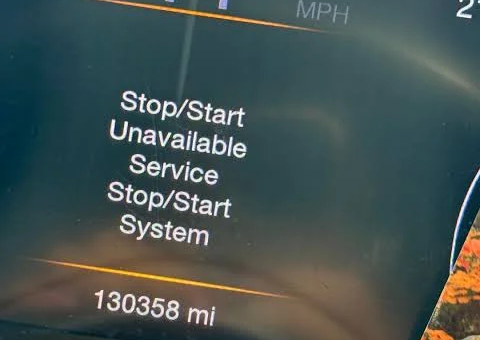
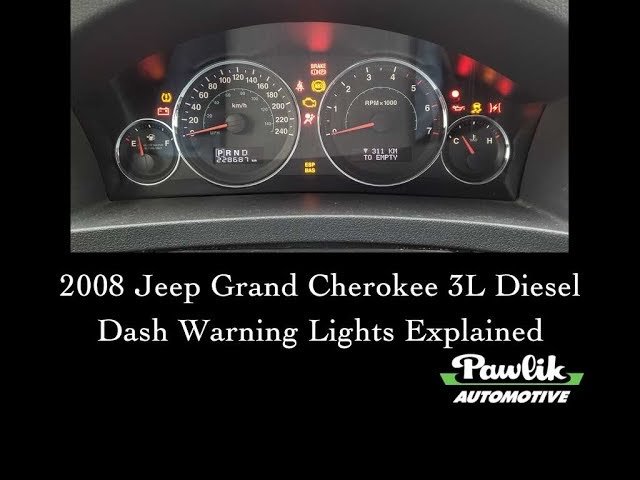
Owning a Jeep Grand Cherokee brings adventure and comfort. But sometimes, you may see symbols and lights glowing on your dashboard.
These warning symbols are important—ignoring them can cause bigger problems or even make your vehicle unsafe. If you’ve ever wondered what those lights mean, this article will help you understand the most common Jeep Grand Cherokee warning symbols, what to do when you see them, and how to keep your SUV running smoothly.
Why Dashboard Warning Symbols Matter
Every warning symbol in your Jeep Grand Cherokee is like a silent messenger. It tells you about the health of your vehicle—sometimes it’s a simple reminder, other times it’s a sign of serious trouble. Recognizing these symbols early can save you money, time, and stress. Modern Grand Cherokees use a mix of color-coded lights and icons. Usually:
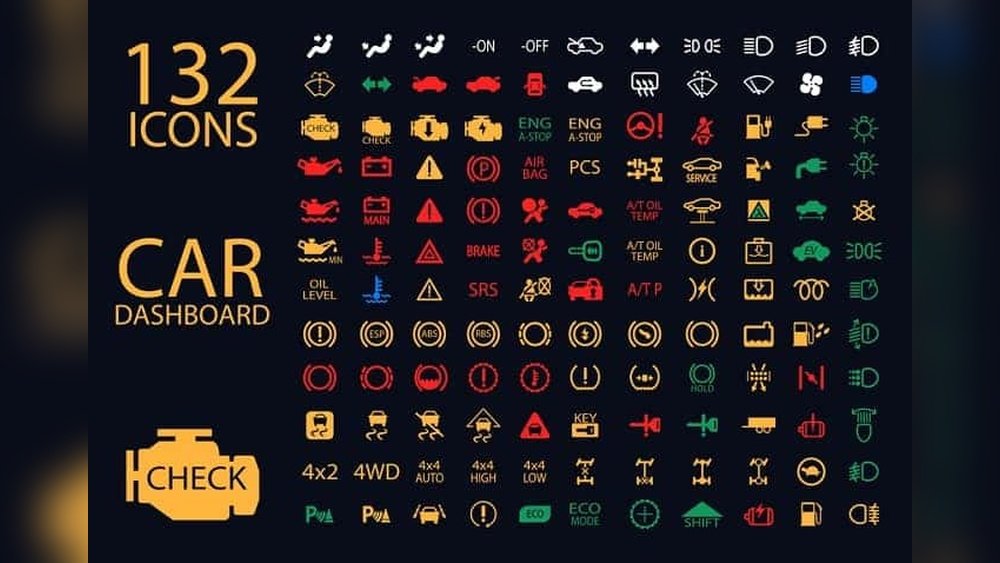
- Red means urgent: Stop driving, check immediately.
- Yellow or orange means caution: Get checked soon.
- Green or blue signals normal operation or information.
Many drivers ignore dashboard lights until their car breaks down. But knowing what each symbol means can help you avoid costly repairs and keep your Jeep safe for the road.
Most Common Jeep Grand Cherokee Warning Symbols
Let’s explore the most frequently seen warning symbols in Jeep Grand Cherokees. Each symbol has a purpose—some are simple, others need urgent action.
1. Check Engine Light
The Check Engine Light looks like an engine outline. It can indicate many issues—like a loose gas cap, sensor failure, or serious engine trouble. If this light stays on, get your SUV checked soon. If it flashes, stop driving immediately.
2. Battery Warning Light
This symbol shows a battery outline. It warns about low voltage or charging problems. If the battery light turns on while driving, your alternator may not be charging the battery properly. You could lose power suddenly.
3. Oil Pressure Warning
A red oil can symbol means low oil pressure. This is very serious—driving with low oil pressure can damage your engine. Stop as soon as possible and check your oil level. If the light stays on, call for help.
4. Brake Warning Light
The Brake Warning Light looks like a circle with an exclamation mark or “BRAKE”. It can mean low brake fluid, worn brake pads, or a problem with the brake system. If it comes on while driving, stop safely and check your brakes.
5. Tire Pressure Monitoring System (tpms)
This symbol shows an exclamation mark inside a flat tire. It warns you when tire pressure is too low or too high. Always check your tires—they affect safety, fuel economy, and handling.
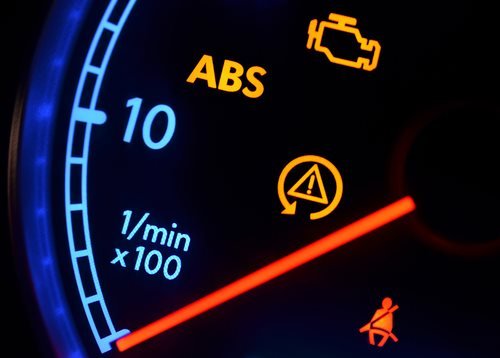
6. Abs Warning Light
The ABS symbol is usually yellow and says “ABS”. It means your anti-lock brake system is not working properly. You will still have brakes, but the system may not prevent skidding in emergencies.
7. Airbag Warning Light
A person with a circle in front represents the airbag warning. If this light stays on, your airbags may not deploy in a crash. Have your system checked immediately.
8. Coolant Temperature Warning
This symbol looks like a thermometer in liquid. It warns when your engine is overheating. Stop driving, let the engine cool, and check coolant levels. Overheating can cause engine failure.
9. Transmission Temperature Warning
This symbol shows a gear with a thermometer. It means the transmission is overheating. Pull over and let your Jeep cool down. Ignoring this can cause expensive transmission damage.
10. Low Fuel Warning
A gas pump symbol means you are running low on fuel. It’s simple but important—don’t let your Jeep run out of gas, as this can damage the fuel pump.
11. Service 4wd Warning
This symbol shows “4WD” with an exclamation mark. It warns about problems with the four-wheel drive system. If you see this, avoid rough terrain and get your Jeep checked soon.
12. Security Indicator Light
A car with a padlock icon signals a problem with the security or immobilizer system. If this light flashes, your Jeep may not start or may have an anti-theft issue.
13. Seat Belt Reminder
This symbol shows a person with a seat belt. It reminds you to fasten your seat belt. If it stays on, check for seat belt issues or sensors.
14. Door Ajar Warning
A car outline with open doors means one or more doors are not closed properly. Double-check all doors before driving.
15. Washer Fluid Warning
A windshield with spray lines signals low washer fluid. Fill the reservoir to maintain clear visibility, especially in bad weather.
Jeep Grand Cherokee Warning Symbols: Color And Urgency
Understanding the color and urgency of dashboard symbols helps you act wisely. Here’s a quick comparison:
| Symbol | Color | Urgency |
|---|---|---|
| Check Engine | Yellow/Red | Immediate/High |
| Oil Pressure | Red | Stop Now |
| Battery | Red | Stop Soon |
| ABS | Yellow | Get Checked |
| Coolant Temp | Red | Stop Now |
| Low Fuel | Yellow | Refuel Soon |
Knowing the urgency lets you decide whether to pull over immediately or just schedule a service soon.
Differences Between Jeep Grand Cherokee And Other Suvs
Jeep Grand Cherokee shares some warning symbols with other SUVs, but a few are unique. For example, the Service 4WD Warning is more common in Jeep and other off-road vehicles. Also, Grand Cherokee’s dashboard may include specific messages or icons based on trim level or model year.
Comparing Jeep Grand Cherokee with Ford Explorer and Toyota Highlander:
| Feature | Grand Cherokee | Explorer | Highlander |
|---|---|---|---|
| 4WD Warning | Yes | No | No |
| TPMS | Yes | Yes | Yes |
| Custom Messages | Yes (more) | Few | Few |
| Security Light | Yes | Yes | Yes |
One insight: Jeep Grand Cherokee’s warning system is more detailed for off-road and towing features. This helps drivers in rugged conditions.

What To Do When A Warning Symbol Appears
When a warning symbol lights up, your first step is to stay calm. Don’t panic—most symbols give you time to respond. Here’s what to do:
- Read your owner’s manual. Every symbol is explained there, sometimes with model-specific advice.
- Check for obvious problems. For example, if the oil pressure light is on, check your oil level.
- Stop if the symbol is red. This means urgent action. Pull over safely and call for help if needed.
- Schedule a service visit. If the symbol is yellow or orange, get your Jeep checked soon.
- Don’t ignore warning lights. Even if your Jeep seems fine, hidden issues can get worse.
A common mistake is ignoring the Check Engine Light because the car runs normally. But many problems don’t show symptoms right away—waiting can lead to expensive repairs.
Advanced Symbol Features In Newer Grand Cherokees
Recent Jeep Grand Cherokee models offer more advanced dashboard features. Some symbols now come with messages on the digital display, like “Low Tire Pressure” or “Service Transmission Soon. ” This makes it easier to understand what’s wrong.
Another improvement is the use of chimes or sounds. For example, if you leave a door open while driving, you’ll hear a warning sound. These features help drivers notice problems faster, especially when distracted.
One subtle insight: newer models use more sensors, so some symbols may come on even for small issues. For example, the TPMS may warn you about a single tire being just a few PSI low. That’s helpful for safety but can seem confusing if you’re not used to it.
How To Reset Warning Lights
Sometimes, warning lights stay on even after fixing the issue. Here’s how to reset them:
- Fix the root problem. For example, fill the washer fluid or replace a faulty sensor.
- Restart the vehicle. Some lights reset automatically after restarting.
- Disconnect the battery. This can clear some codes, but don’t do it often—it may erase other settings.
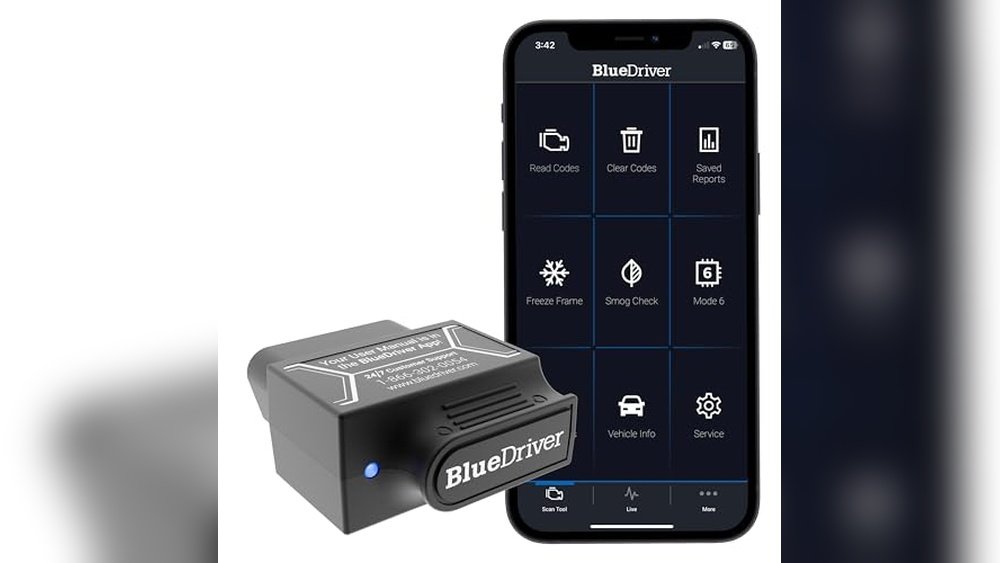
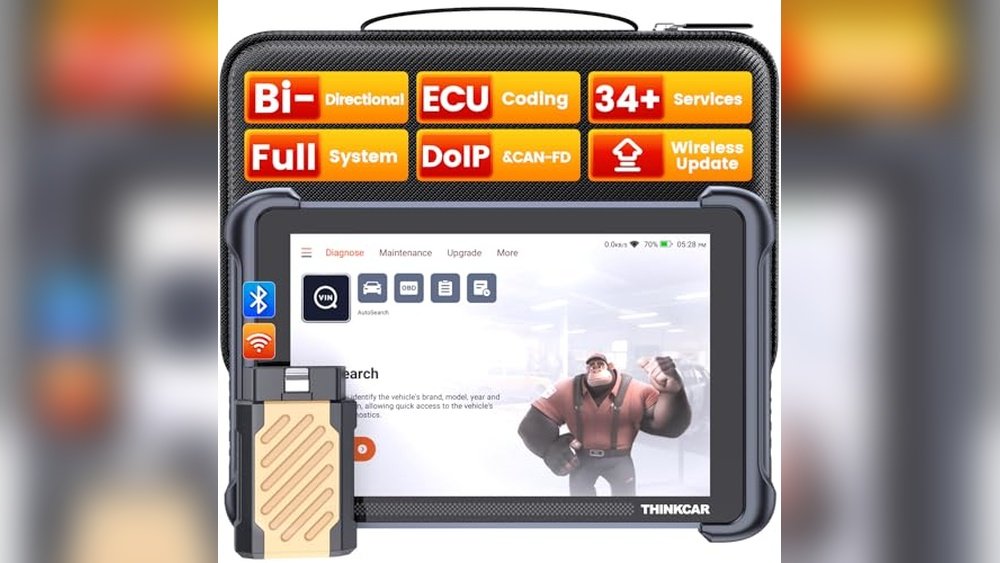
- Use a diagnostic tool. OBD-II scanners can clear most warning lights. Many auto shops offer this service.
Never just reset a warning light without fixing the problem. This hides the issue and could cause bigger trouble later.
Jeep Grand Cherokee Symbol Guide: Quick Reference Table
For easy reference, here’s a summary of the main warning symbols and what to do:
| Symbol | What it means | Action |
|---|---|---|
| Check Engine | Engine issue | Check soon |
| Oil Pressure | Low oil pressure | Stop now |
| Battery | Charging issue | Stop soon |
| Brake | Brake system issue | Stop and check |
| ABS | Anti-lock brake fault | Get checked |
| TPMS | Tire pressure issue | Check tires |
| Airbag | Airbag fault | Get checked |
| Coolant Temp | Overheating | Stop now |
| Low Fuel | Low gas | Refuel |
Common Mistakes With Warning Symbols
Drivers sometimes make simple mistakes with warning lights:
- Ignoring yellow lights until they become red.
- Using generic parts or fluids that don’t match Jeep specs.
- Resetting lights without fixing the issue.
- Not checking tire pressure regularly, even when TPMS is off.
One less obvious mistake: assuming all warning lights mean expensive repairs. Sometimes, it’s just a loose gas cap or low fluid.
Practical Tips For Jeep Grand Cherokee Owners
To avoid trouble with warning symbols:
- Check fluids regularly—oil, coolant, washer fluid.
- Keep tires inflated to the recommended pressure.
- Get regular maintenance—especially for brakes and battery.
- Read your owner’s manual—it shows every symbol for your model year.
- Don’t ignore strange sounds or smells—they often come before a warning light.
A helpful tip: If you’re planning a road trip, do a quick dashboard check. Make sure all warning lights are off before you leave.
When To Seek Professional Help
Some warning symbols mean you should stop driving and call a professional. These include:
- Oil Pressure
- Coolant Temperature
- Brake System
- Airbag Warning
If you see these, don’t risk your safety. Call a mechanic or roadside assistance. For other symbols, schedule service soon—don’t wait for problems to get worse.
Where To Find More Information
If you want more details about Jeep Grand Cherokee warning symbols, the official Jeep website has guides and resources for owners. For technical explanations and troubleshooting, you can visit Jeep Owners Official Site.
Frequently Asked Questions
What Does The Jeep Grand Cherokee Check Engine Light Mean?
The check engine light signals an issue with your engine or emissions system. It can be caused by a loose gas cap, faulty sensor, or serious engine problem. If the light stays on, schedule a service soon. If it flashes, stop driving immediately.
Can I Drive With The Jeep Grand Cherokee Battery Warning Light On?
It’s not safe to drive long distances with the battery warning light on. Your battery may not be charging, and your Jeep could lose power suddenly. Stop soon and get your charging system checked.
Why Does My Jeep Grand Cherokee’s Tpms Symbol Keep Coming On?
The TPMS light means one or more tires have low or high pressure. Check all tires and inflate to the recommended level. If the symbol stays on after checking, a sensor may be faulty.
How Do I Reset Jeep Grand Cherokee Warning Lights?
You can reset some lights by fixing the issue and restarting your vehicle. For others, use an OBD-II scanner or ask a mechanic to reset them. Never reset lights without solving the root problem.
Is It Safe To Ignore Jeep Grand Cherokee Warning Symbols?
Ignoring warning symbols can lead to unsafe driving and expensive repairs. Red symbols mean urgent action—stop driving and get help. Yellow symbols mean caution—schedule service soon. Always pay attention to your dashboard.
If you understand your Jeep Grand Cherokee’s warning symbols, you’ll keep your SUV running safely and avoid trouble on the road. Stay alert, read your owner’s manual, and don’t ignore those dashboard messages.