If you own a Jeep Grand Cherokee, you know it’s built for comfort, performance, and rugged adventures. But no matter how advanced your SUV is, the dashboard warning lights can sometimes feel confusing or even alarming.
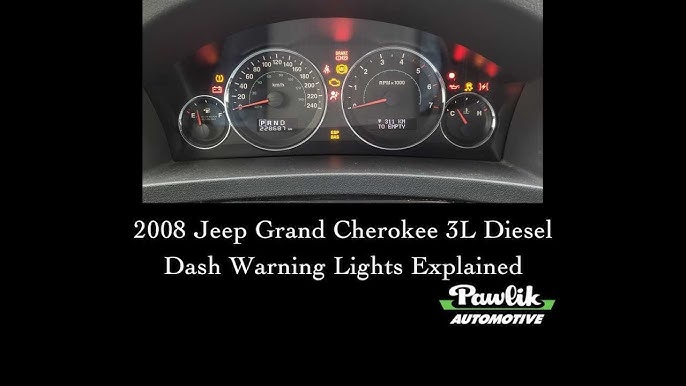
These lights are your vehicle’s way of talking to you—sometimes it’s a friendly reminder, and other times it’s a signal that something needs urgent attention.
Understanding each light can help you keep your Grand Cherokee running smoothly, avoid costly repairs, and stay safe on the road. Let’s explore what those warning lights mean, how to respond, and which ones you should never ignore.
Why Dashboard Warning Lights Matter
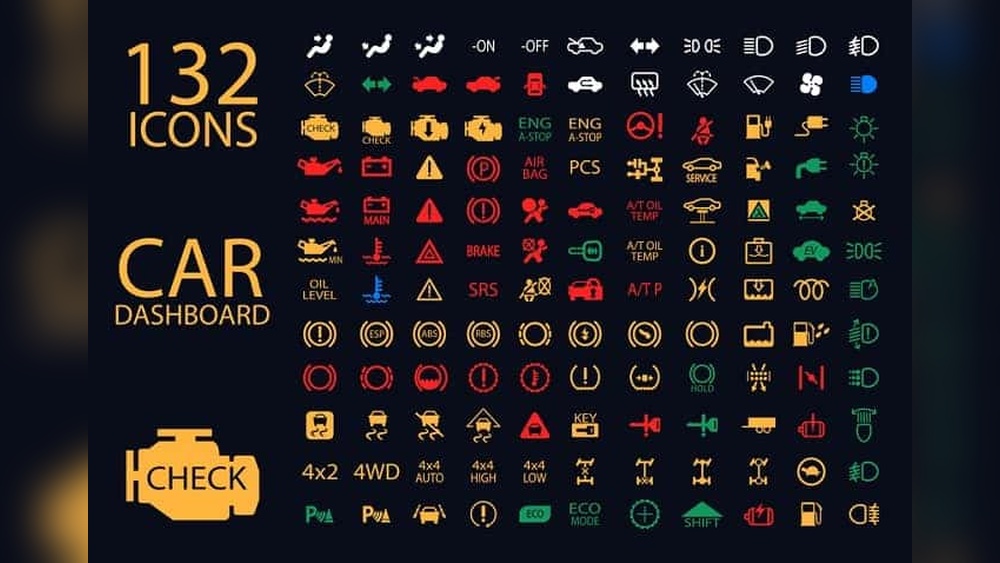
Every modern car, including the Jeep Grand Cherokee, is packed with sensors and computers. These systems are constantly checking for problems—big or small. When something is wrong, a warning light appears on your dashboard. Some lights mean you need to take immediate action, while others are simply notifications.
Ignoring a warning light can lead to more serious issues. For example, a small engine problem could become a big repair bill if left unchecked.
On the other hand, acting quickly can save money and even prevent accidents.
Types Of Jeep Grand Cherokee Warning Lights
Not all warning lights are created equal. Your Grand Cherokee uses different colors and symbols to show the level of urgency.
- Red Lights: These mean a serious problem or safety issue. Stop driving as soon as it’s safe.
- Yellow/Amber Lights: These are warnings. Check the problem soon, but it’s usually safe to drive.
- Green/Blue Lights: These are informational, like showing a system is on.
Here’s a quick comparison of warning light colors and urgency:
| Color | Meaning | What To Do |
|---|---|---|
| Red | Critical/Safety | Stop immediately |
| Yellow/Amber | Warning/Service | Service soon |
| Green/Blue | Information | No action needed |
Common Jeep Grand Cherokee Warning Lights And Their Meanings
Let’s look at the most common dashboard warning lights, what they mean, and how you should react.
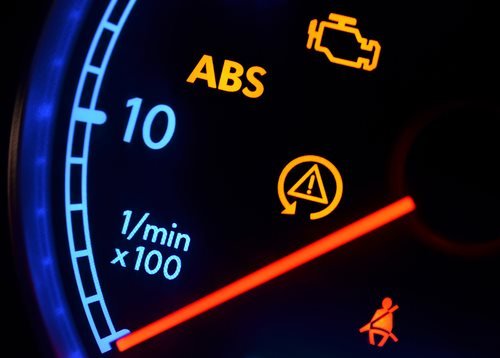
1. Check Engine Light
The check engine light is often a yellow/amber symbol that looks like an engine. It signals a problem with the engine or emissions system.
- Common causes: Loose gas cap, faulty oxygen sensor, catalytic converter issues.
- What to do: If it’s steady, check the gas cap and see a mechanic soon. If flashing, reduce speed and seek service immediately.
2. Oil Pressure Warning Light
This red oil can symbol means your engine oil pressure is low.
- Common causes: Low oil level, oil pump failure, leaks.
- What to do: Stop the vehicle as soon as possible. Running with low oil can destroy your engine.
3. Battery/charging System Light
A battery symbol shows a problem with the charging system.
- Common causes: Bad alternator, dying battery, loose cables.
- What to do: Turn off unnecessary electronics. Get the system checked soon; you might lose power and stall.
4. Brake Warning Light
A red exclamation mark or the word “BRAKE” means there’s a problem with the braking system.
- Common causes: Low brake fluid, worn brake pads, parking brake is on.
- What to do: Check the parking brake and fluid. If the light stays on, get your brakes checked immediately.
5. Abs Warning Light
The ABS light is yellow and signals an issue with the anti-lock braking system.
- Common causes: Faulty ABS sensor, wiring issues.
- What to do: Normal brakes may still work, but ABS won’t. Drive carefully and repair soon.
6. Tire Pressure Monitoring System (tpms) Light
This looks like a horseshoe with an exclamation mark.
- Common causes: Low tire pressure, sensor problem.
- What to do: Check tire pressure and inflate as needed. If the light stays on, have sensors checked.
7. Coolant Temperature Warning Light
A thermometer symbol in red means the engine is overheating.
- Common causes: Low coolant, broken thermostat, faulty water pump.
- What to do: Stop the car, turn off the engine, and let it cool. Never open a hot radiator cap.
8. Transmission Temperature Warning
A gear with a thermometer means the transmission is overheating.
- Common causes: Towing heavy loads, low transmission fluid.
- What to do: Stop and let the transmission cool. Check fluid level or get service.
9. Airbag Warning Light
A person with a circle in front means there’s a problem with the airbag system.
- Common causes: Faulty sensors, wiring issues.
- What to do: Airbags may not work in a crash. Get checked as soon as possible.
10. Electronic Stability Control (esc) Light
A car with wavy lines means the stability control system is active or there’s a fault.
- Common causes: Slippery roads, system fault.
- What to do: If flashing, it’s working to keep you safe. If always on, get checked.
11. Service 4wd Warning
This light signals a problem with the four-wheel-drive system.
- Common causes: Faulty sensors, transfer case issues.
- What to do: 4WD may not work properly. Repair soon, especially if you drive off-road.
12. Lanesense/lane Departure Warning
A car between two lines warns of lane drift.
- Common causes: Dirty sensors, system fault.
- What to do: Clean sensors or seek service if the light stays on.
13. Adaptive Cruise Control (acc) Warning
A car with a speedometer icon signals an issue with adaptive cruise control.
- Common causes: Blocked radar, system error.
- What to do: Clean the front sensor area or have the system checked.
14. Blind Spot Monitoring Warning
A car with two little arcs on the side means a problem with the blind spot monitor.
- Common causes: Sensor blocked or malfunctioning.
- What to do: Check for dirt or ice on sensors. If light stays on, see a dealer.
15. Low Fuel Warning Light
A yellow gas pump symbol means you’re low on fuel.
- Common causes: You’re almost out of gas!
- What to do: Refuel soon to avoid getting stranded.
What To Do When A Warning Light Comes On
Reacting the right way can make a big difference. Here’s a step-by-step approach for handling warning lights in your Jeep Grand Cherokee:
- Notice the color and symbol. Is it red, yellow, or another color?
- Check the owner’s manual. Your manual explains every light, specific to your model year.
- Decide on urgency. Red lights = stop. Yellow = get service soon. Green/blue = info.
- Take action. For red lights, pull over safely and call for help if needed. For yellow, schedule a repair soon.
- Don’t ignore unusual sounds or smells. Warning lights and odd car behavior together mean quick action is needed.
One thing many drivers miss: Some warning lights can appear after you fill up with gas or drive in extreme weather. If a light goes off after a short time, it may be a temporary issue. But if it stays on, don’t wait.
Less Obvious Warning Lights
Some lights are easy to overlook but can lead to trouble if ignored.
- Security Indicator Light: A blinking car with a key means your security system is active. If it stays on, there may be a problem with your key fob.
- Diesel Particulate Filter (DPF) Warning: For diesel models, a rectangle with dots means the DPF needs cleaning. Ignoring it can lead to reduced performance.
- Electronic Throttle Control (ETC) Warning: A lightning bolt symbol. This signals a problem with the throttle system, which can cause reduced power or stalling.
Here’s a quick look at how some less obvious lights compare in urgency:
| Warning Light | What It Means | Urgency |
|---|---|---|
| Security Indicator | Key fob or immobilizer problem | Medium |
| DPF Warning | Diesel filter needs cleaning | High (for diesel engines) |
| ETC Warning | Throttle control fault | High |
Why Some Lights Flash And Others Stay Solid
A solid light often means a non-urgent problem, while a flashing light is more serious. For example, a flashing check engine light usually means a misfire, which can damage your engine quickly.
Always pull over and get help if a warning light is flashing.
When To See A Mechanic
You don’t need to visit a mechanic for every light, but some problems need expert help. Go to a professional if:
- A red warning light stays on after restarting
- The same light keeps coming back after you fix it
- Your car runs differently (shaking, stalling, overheating)
- You see smoke, leaking fluids, or hear strange noises
Some auto parts stores offer free code scans to help you understand what’s wrong. But for serious problems, especially with airbags, brakes, or engine, always trust a certified Jeep technician.
How To Prevent Warning Lights
While you can’t avoid every warning, good maintenance helps. Here are a few proven tips:
- Regular oil changes: Keeps your engine healthy
- Check fluid levels: Oil, coolant, brake, and transmission fluids
- Monitor tire pressure: Use a gauge monthly
- Replace air filters: Dirty filters can trigger lights
- Use the right fuel: Wrong fuel can cause engine issues
A surprising fact: Many warning lights in the Grand Cherokee are triggered by simple issues like a loose gas cap or dirty sensors. Checking these can save you time and money.

The Role Of Obd-ii Scanners
Modern Jeep Grand Cherokees (1996 and newer) use an OBD-II system. This means you can use a simple scanner to read codes from your car’s computer. These codes help pinpoint the problem, saving you from guessing.
An OBD-II scanner can cost as little as $20 and is easy to use. Just plug it into the port under your dashboard and follow the instructions. For more information about OBD-II codes and systems, visit the Wikipedia page on On-Board Diagnostics.
Model Year Differences
Not every Grand Cherokee has the same warning lights. Features and symbols may change between years and trims.
For example, the 2026 model has more advanced driver assist features and related warning lights than a 2010 model.
Here’s a quick comparison of warning light technology in recent model years:
| Model Year | Basic Lights | Advanced Features |
|---|---|---|
| 2010-2015 | Engine, Oil, Battery, ABS | Basic TPMS, ESC |
| 2016-2020 | All basic lights | LaneSense, ACC, Blind Spot |
| 2026-present | All basic and advanced | More sensors, digital cluster |
Always check your specific owner’s manual for the most accurate information about your model year.
Frequently Asked Questions
What Does A Flashing Check Engine Light Mean In My Jeep Grand Cherokee?
A flashing check engine light usually means a severe engine misfire. This can damage your catalytic converter quickly. Stop driving and seek immediate service.
Can I Drive My Grand Cherokee With The Abs Light On?
You can drive, but your anti-lock brakes won’t work. This means it’s easier to skid if you brake hard. Get the system checked soon for safety.
How Do I Reset A Warning Light After Fixing The Problem?
Many lights turn off after the problem is fixed and you drive a few miles. If not, you may need to use an OBD-II scanner to clear the code or visit a mechanic.
Why Does My Tpms Light Come On In Cold Weather?
Cold air lowers tire pressure, which can trigger the light. Inflate your tires to the recommended pressure and the light should go off.
Are Warning Lights The Same On Every Jeep Grand Cherokee?
No. Warning lights can change depending on your model year and trim level.
Always refer to your owner’s manual for details about your vehicle’s specific lights.
Understanding your Jeep Grand Cherokee’s warning lights doesn’t have to be stressful. With a little knowledge and regular care, you’ll keep your SUV reliable for years to come. Safe travels!