Owning a Jeep Grand Cherokee means enjoying a vehicle built for adventure and reliability. But like any machine, it needs proper care—especially when it comes to the transmission fluid. Many drivers overlook this detail, thinking it’s only for mechanics to worry about. In reality, understanding transmission fluid is essential for keeping your Grand Cherokee running smoothly. This guide will help you understand what transmission fluid does, why it matters, how to check and change it, and what happens if you ignore it. You’ll also discover how to choose the right fluid, spot early warning signs, and avoid costly mistakes.
What Is Transmission Fluid And Why Is It Important?
Transmission fluid is a special oil that keeps your Jeep Grand Cherokee’s transmission working correctly. Its main jobs are to lubricate moving parts, cool the transmission, and help gears shift smoothly. Unlike engine oil, transmission fluid is formulated to handle high pressure and temperature inside the transmission.
If the fluid level is too low or the fluid is old, the transmission can overheat, wear out, or even fail completely. That’s why regular checks and changes matter especially in a vehicle like the Grand Cherokee, which often faces tough driving conditions.
Types Of Transmission Fluid For Jeep Grand Cherokee
Not all transmission fluids are the same. Using the wrong type can cause poor shifting, leaks, or damage. Jeep Grand Cherokee transmissions have changed over the years, so it’s important to use the correct fluid for your model and year.
Common Transmission Fluid Types
- ATF+4: Most modern Grand Cherokees (2005 and newer) use ATF+4 fluid. It’s designed for Chrysler, Dodge, and Jeep vehicles.
- Dexron/Mercon: Older models (before 2005) may use Dexron or Mercon fluids. Always check your owner’s manual to confirm.
- ZF Lifeguard Fluid: Some newer Grand Cherokees with 8-speed automatic transmissions (2014+) require ZF Lifeguard Fluid.
Fluid Comparison Table
Here’s a quick overview of the most common fluids used in Jeep Grand Cherokee transmissions:
| Fluid Type | Compatible Years | Main Features |
|---|---|---|
| ATF+4 | 2005–present | High heat stability, anti-wear additives |
| Dexron/Mercon | Before 2005 | Basic lubrication, lower heat resistance |
| ZF Lifeguard Fluid | 2014–present (8-speed) | Optimized for ZF transmissions, longer life |
If you’re unsure, always refer to your Jeep’s manual or ask a certified mechanic.
How To Check Transmission Fluid In A Jeep Grand Cherokee
Checking your transmission fluid is simple, but many owners skip this step. It takes just a few minutes and can save you from expensive repairs later.
Steps To Check The Fluid
- Park on a level surface and set the parking brake.
- Start the engine and let it run until warm.
- With your foot on the brake, shift through all gears, then leave it in “Park.”
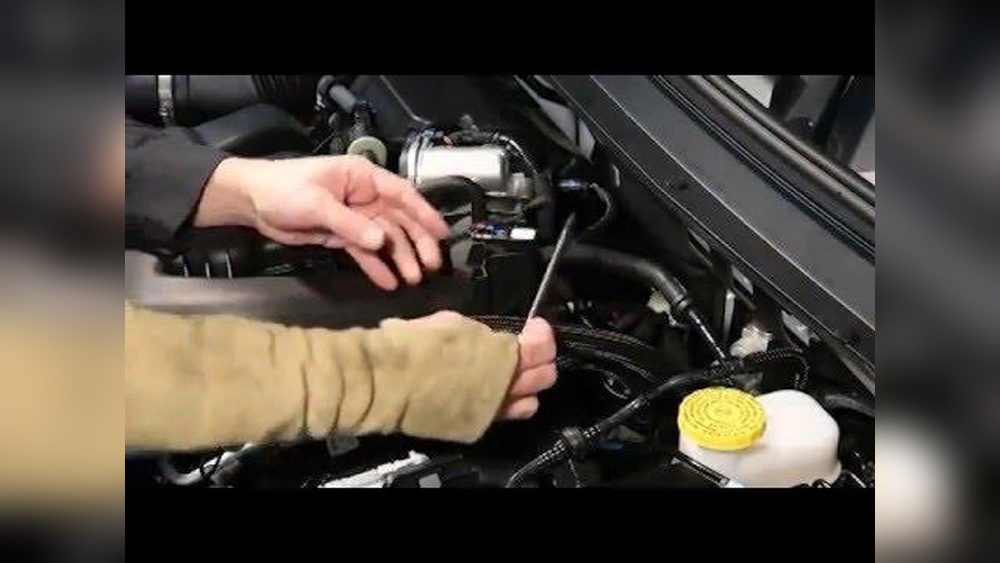
- Find the transmission dipstick. In most Grand Cherokees, it’s near the back of the engine bay.
- Pull out the dipstick, wipe it clean, and insert it again.
- Pull out the dipstick and check the fluid level. It should be between the “Min” and “Max” marks.
- Observe the fluid color. Healthy fluid is bright red. If it’s brown, dark, or smells burnt, it’s time to change it.
Data Table: Transmission Fluid Level And Condition
| Fluid Level | Fluid Color | Action Needed |
|---|---|---|
| Full | Bright red | No action |
| Low | Bright red | Add fluid |
| Full | Brown/dark | Change fluid |
| Low | Brown/dark | Change fluid and check for leaks |
Many newer Grand Cherokees no longer have a traditional dipstick. If yours doesn’t, checking the fluid usually means a visit to the dealer or mechanic.
When To Change Transmission Fluid
Most experts recommend changing transmission fluid every 30,000 to 60,000 miles. However, this can vary based on driving habits, climate, and model year.
Signs You Need A Fluid Change
- Slipping gears: The transmission hesitates or shifts unexpectedly.
- Delayed shifting: It takes longer to change gears.
- Grinding noises: Unusual sounds when shifting.
- Fluid discoloration: Fluid is no longer bright red.
- Burnt smell: Fluid smells burnt or unusual.
Jeep Grand Cherokee Service Interval Table
| Year/Model | Recommended Interval | Notes |
|---|---|---|
| 1999–2004 (4-speed auto) | 30,000–40,000 miles | Older transmissions need more frequent changes |
| 2005–2013 (5-speed auto) | 50,000–60,000 miles | ATF+4 fluid recommended |
| 2014–present (8-speed auto) | 60,000 miles | ZF Lifeguard Fluid, dealer service advised |
If you often drive in stop-and-go traffic, tow heavy loads, or travel off-road, you may need to change fluid sooner.

How To Change Transmission Fluid: Step-by-step
Changing transmission fluid isn’t too difficult if you have some tools and patience. Here’s how you can do it:
- Gather supplies: You’ll need the right fluid type, a new filter, a drain pan, wrenches, and a funnel.
- Lift your vehicle: Use a jack and stands to safely raise the Jeep.
- Locate the transmission pan: It’s under the vehicle, near the center.
- Remove the pan bolts: Loosen bolts slowly; fluid will drain out.
- Drain old fluid: Let the fluid drain completely into the pan.
- Replace the filter: Remove the old filter and install the new one.
- Clean the pan: Wipe out any dirt or metal particles.
- Reinstall the pan: Use a new gasket if needed, tighten bolts.
- Add new fluid: Use a funnel to pour in the correct amount and type.
- Check fluid level: Start the engine and check the dipstick after cycling gears.
Changing the filter is important many beginners skip this, but a dirty filter can cause shifting problems.
How Much Transmission Fluid Does A Jeep Grand Cherokee Need?
Fluid capacity depends on the model and year. Here are some typical amounts:
- 1999–2004: Around 4 quarts for a pan drop, 8 quarts for a full flush.
- 2005–2013: About 5 quarts for a pan drop, 8–9 quarts for a full flush.
- 2014–present: 6–8 quarts for a pan drop, up to 10 quarts for a full flush.
Always check your manual for exact numbers. Overfilling or underfilling can cause major issues.

Choosing The Right Transmission Fluid
Picking the correct fluid isn’t just about brand—it’s about matching the specifications Jeep requires. Using a cheaper, generic fluid may save money now, but can lead to expensive repairs later.
Tips For Choosing Fluid
- Only buy fluid labeled for your transmission type (ATF+4, ZF Lifeguard, etc. ).
- Avoid mixing different fluids—this can cause leaks and shifting issues.
- Look for fluids with strong heat resistance and anti-wear additives.
- If you live in a hot climate or tow heavy loads, consider premium brands.
Check the American Petroleum Institute (API) certification for quality assurance. For more details on fluid types, see the official Jeep service page: Jeep Maintenance Source.
Common Transmission Fluid Mistakes
Many Jeep Grand Cherokee owners make simple mistakes with transmission fluid. Here are the most frequent ones:
- Using the wrong fluid: This can quickly damage the transmission.
- Overfilling: Too much fluid causes foaming and poor shifting.
- Underfilling: Not enough fluid leads to overheating and wear.
- Ignoring fluid changes: Old fluid loses its ability to protect and lubricate.
- Skipping the filter: A clogged filter can cause shifting problems.
- Poor sealing: Not replacing gaskets can cause leaks.
A non-obvious mistake is using “universal” fluids. These claim to work in all vehicles, but often lack the correct additives for Jeep transmissions.
Signs Of Transmission Fluid Problems
Spotting problems early can save your Jeep from serious damage. Look out for these symptoms:
- Red fluid leaks: Fluid on your driveway means a seal or gasket is failing.
- Rough or delayed shifting: The transmission hesitates or jerks.
- Strange noises: Grinding, whining, or clunking sounds.
- Transmission warning light: Modern Grand Cherokees show a warning if fluid is low or dirty.
- Burnt odor: Indicates overheating or internal damage.
If you notice any of these, check your fluid and visit a mechanic if needed.
How Transmission Fluid Affects Performance
Transmission fluid isn’t just about protecting parts it also impacts how your Grand Cherokee drives. Clean fluid ensures smooth gear changes, better fuel efficiency, and longer life for your transmission.
For example, a Jeep with fresh fluid will shift gears quickly and quietly. If fluid is old or dirty, you may feel rough shifts, slipping, or even lose power. If you tow heavy loads or drive off-road, good fluid is even more important.
A less obvious insight: transmission fluid also helps protect electronic sensors inside modern transmissions. Dirty fluid can cause sensor errors, leading to confusing warning lights or limp mode.
Professional Vs. Diy Transmission Fluid Change
Changing transmission fluid at home saves money, but there are risks. If you’re not comfortable working under your Jeep, it’s better to use a professional mechanic.
Pros And Cons Table
| Method | Cost | Risks | Benefits |
|---|---|---|---|
| DIY | $50–$150 | Incorrect fluid, leaks, missed steps | Save money, learn about your vehicle |
| Professional | $150–$300 | Higher cost | Expert service, correct fluid and procedure |
A good compromise is to do regular fluid checks yourself and let professionals handle full changes.
Frequently Asked Questions
What Happens If I Use The Wrong Transmission Fluid?
Using the wrong fluid can lead to poor shifting, leaks, and even complete transmission failure. Always use the fluid recommended for your Jeep Grand Cherokee’s model and year.
How Can I Tell If My Transmission Fluid Is Low?
Low fluid often causes slipping gears, delayed shifting, or a transmission warning light. Checking the dipstick (if available) is the best way to know for sure.
Can I Mix Old And New Transmission Fluid?
Mixing fluids is risky. Old fluid may be contaminated, and mixing types can cause damage or leaks. It’s best to do a full fluid change.
Do All Jeep Grand Cherokees Have A Transmission Dipstick?
No. Many newer Grand Cherokees (2014+) do not have a traditional dipstick. Fluid checks usually require special tools or a visit to the dealer.
How Often Should I Check My Transmission Fluid?
Check your fluid every 6 months or at every oil change. If you drive in harsh conditions, check more often.
Taking care of your Jeep Grand Cherokee’s transmission fluid is a simple step that makes a big difference. Whether you do it yourself or rely on a mechanic, regular checks and changes will keep your Jeep running reliably for years.
Remember, the right fluid, the correct amount, and timely maintenance are keys to a long-lasting transmission. With this knowledge, you’ll avoid common mistakes and enjoy smooth, confident driving on every journey.