The Jeep Grand Cherokee Trailhawk is built for adventure. It’s a capable off-road SUV that can handle tough trails and still be comfortable for daily driving.
When you’re looking to maximize its performance and style, one of the most important choices you can make is about your wheel size. The right wheels can change how your Trailhawk looks, handles, and performs, especially when you venture off the beaten path.
Many drivers wonder about the best wheel size for their Trailhawk. Some want larger wheels for a more aggressive stance, while others prioritize the ruggedness and flexibility of smaller wheels with bigger tires.
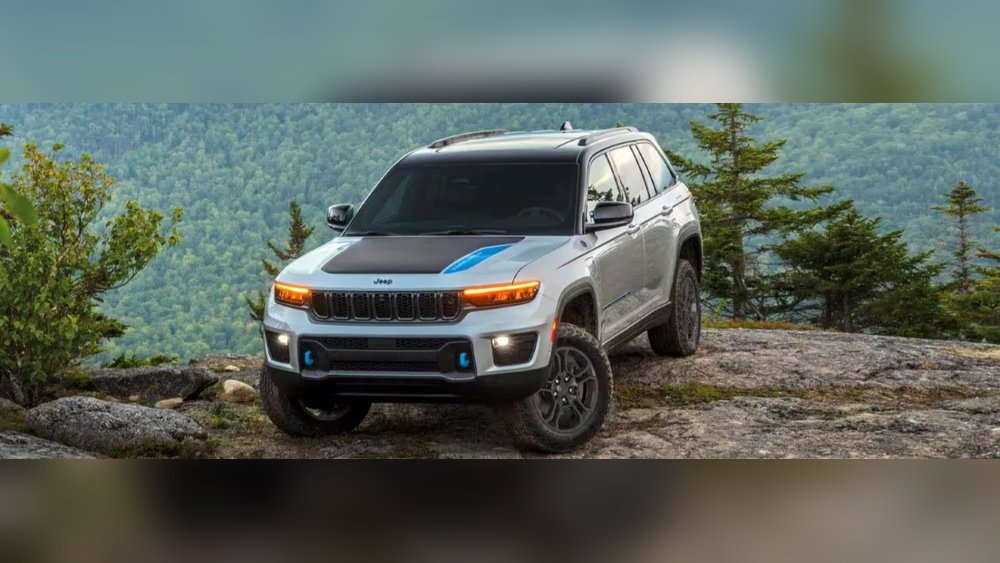
It's not just about looks; wheel size affects everything from tire selection to suspension performance.
In this guide, we’ll explore everything you need to know about Jeep Grand Cherokee Trailhawk wheel size. We’ll cover the factory options, common aftermarket upgrades, and how different sizes impact your driving experience. Whether you’re planning to tackle rocky trails or simply want to give your Trailhawk a custom look, understanding wheel sizes is key.
Understanding Jeep Grand Cherokee Trailhawk Wheel Sizes
Jeep offers the Grand Cherokee Trailhawk with specific wheel sizes from the factory. These are chosen to balance on-road comfort with off-road capability.
Knowing these standard sizes is the first step before considering any changes.
Factory Wheel Options
The Trailhawk trim often comes with a distinct wheel size that sets it apart. For many recent Grand Cherokee Trailhawk models, you’ll find 18-inch wheels as standard. This size is a sweet spot for off-roading. Why? Because it allows for a larger sidewall on the tire. A taller tire sidewall provides more cushioning over rough terrain, reduces the risk of rim damage from impacts, and offers better traction by allowing the tire to flex more.
For example, a common factory tire size for the 18-inch wheels on a Grand Cherokee Trailhawk might be around 265/60R18. The “18” here refers to the wheel diameter in inches. The “265” is the tire width in millimeters, “60” is the aspect ratio (sidewall height as a percentage of width), and “R18” indicates a radial tire designed for an 18-inch wheel.
While 18-inch wheels are common, some Grand Cherokee models, including certain Trailhawk-like trims or optional packages, might have also been offered with 20-inch wheels. These larger wheels typically come with lower-profile tires (shorter sidewalls). While they can offer a more stable feel on paved roads and a more modern aesthetic, they generally reduce off-road capability and increase the risk of tire and wheel damage on harsh terrain.
The Importance Of Wheel Diameter
The wheel diameter is the most critical measurement. It dictates the maximum size of the brake components that can fit inside the wheel and influences the overall tire diameter.
- Smaller Diameter Wheels (e.g., 17-inch, 18-inch):
- Pros: Allow for taller tire sidewalls. This is excellent for off-roading as it provides better shock absorption, increased tire contact with uneven surfaces, and less risk of damaging the wheel itself on rocks or obstacles.
- Cons: Can sometimes offer a less precise steering feel on pavement due to tire flex. The overall look might be perceived as less sporty by some.
- Larger Diameter Wheels (e.g., 20-inch, 22-inch):
- Pros: Accommodate larger brakes. Offer a more direct steering response and a firmer ride on smooth surfaces. Often considered more stylish for street use.
- Cons: Require lower-profile tires with shorter sidewalls. This means less cushioning, a higher risk of wheel damage from impacts, and reduced off-road performance.
For the Trailhawk, which is designed with off-road prowess in mind, 18-inch wheels are generally the preferred factory choice for their superior performance on trails.
Aftermarket Wheel Considerations For Trailhawk
When you decide to change your wheels, you open up a world of possibilities. However, it’s crucial to understand how aftermarket choices affect your Jeep.
Common Aftermarket Sizes
Many Trailhawk owners opt for 17-inch or 18-inch aftermarket wheels. The goal here is often to fit larger, more aggressive off-road tires while maintaining a good amount of sidewall.
- 17-inch Wheels: Swapping down to 17-inch wheels from factory 18-inch or 20-inch wheels is a popular modification for serious off-roaders. This allows for significantly taller tire sidewalls. For instance, you might fit a 33-inch or even 35-inch tall tire on a 17-inch wheel, which is ideal for crawling over rocks and uneven terrain.
- Pro Tip: Ensure your chosen 17-inch wheels have enough brake clearance. Some aftermarket 17-inch wheels might not clear the larger brake components found on certain Grand Cherokee models. Always check compatibility before purchasing.
- 18-inch Wheels: Sticking with 18-inch wheels but choosing an aftermarket style is also common. This allows for a balance. You can often fit slightly wider or more aggressive tread tires than stock, or sometimes slightly larger diameter tires if the suspension and fender well allow, without sacrificing too much sidewall height. This is a good choice if you want a more rugged look and slightly better off-road grip without compromising too much on-road comfort.
Some owners also venture into 20-inch or even 22-inch aftermarket wheels. These are almost exclusively for aesthetic purposes, aiming for a more street-oriented, imposing look. When choosing such large wheels, drivers typically select low-profile street tires. This significantly compromises the Trailhawk’s off-road capabilities and ride comfort.
Wheel Offset And Backspacing
Beyond diameter, wheel offset and backspacing are critical. These measurements determine how the wheel sits in relation to the vehicle’s hub and suspension.
- Offset: This is the distance from the wheel’s mounting surface to the centerline of the wheel.
- Positive Offset: The mounting surface is closer to the outside of the wheel. This tucks the wheel inward.
- Negative Offset: The mounting surface is further from the outside of the wheel. This pushes the wheel outward, widening the vehicle’s stance.
- Zero Offset: The mounting surface is exactly at the centerline.
- Backspacing: This is the distance from the inside edge of the wheel (the part that faces the brake rotor) to the wheel’s mounting surface.
Why they matter:
- Tire Clearance: Incorrect offset or backspacing can cause your tires to rub against the fenders, suspension components, or brake calipers.
- Handling: Pushing the wheels out too far (negative offset) can affect steering geometry, potentially leading to faster wear on suspension parts and a different feel when steering.
- Aesthetics: A wider stance (more negative offset) can give the Jeep a more aggressive, planted look.
For the Grand Cherokee Trailhawk, if you plan on fitting larger off-road tires, you might need wheels with a slightly negative offset or specific backspacing to ensure clearance and achieve the desired stance. Always consult with a wheel and tire specialist or use online fitment guides to determine the correct offset for your specific lift height and tire size.
Wheel Width And Bolt Pattern
- Wheel Width: This refers to the distance between the inner barrel edges of the wheel. A wider wheel can accommodate a wider tire, which can improve grip and stability, especially off-road. However, a tire that is too wide for the wheel can lead to poor tread wear and reduced performance.
- Bolt Pattern: This is the arrangement of lug nut holes. For most Jeep Grand Cherokees, the bolt pattern is 5×5 inches (or 5x127mm). This means there are 5 lug nuts spaced around a circle with a diameter of 5 inches. It’s essential to match the bolt pattern of your new wheels to your vehicle’s hub to ensure a secure fit.

Tire Size And Its Relationship To Wheel Size
The wheel is only half the story. The tire size is equally, if not more, important, especially for a vehicle like the Trailhawk. The wheel diameter directly limits the tire’s sidewall height and overall diameter.
The Trade-offs: Sidewall Vs. Wheel Diameter
As discussed, a larger wheel diameter necessitates a shorter tire sidewall, and a smaller wheel diameter allows for a taller sidewall.
- Taller Sidewall (Smaller Wheel Diameter):
- Off-Road Performance: Superior. Absorbs impacts better, conforms to terrain, reduces risk of rim damage.
- On-Road Comfort: Softer ride, more body roll in corners.
- Durability: Less prone to tire punctures and sidewall damage from sharp objects.
- Shorter Sidewall (Larger Wheel Diameter):
- Off-Road Performance: Inferior. Harsher ride, higher risk of rim damage, less tire flex.
- On-Road Comfort: Firmer, more responsive ride, less body roll.
- Durability: More susceptible to damage from potholes and impacts.
For the Trailhawk, the ideal setup often involves 17-inch or 18-inch wheels paired with all-terrain (AT) or mud-terrain (MT) tires that have a substantial sidewall. This combination maximizes off-road capability.
Tire Size Examples And Their Impact
Let’s look at how different tire sizes, paired with appropriate wheels, affect a Grand Cherokee Trailhawk:
- Stock Setup (Example): 265/60R18 tires on 18-inch wheels.
- This provides a good balance for everyday use and light off-roading. The sidewall height is approximately 6.3 inches (265mm 0.60).
- Slightly Larger Off-Road Setup: 275/70R18 tires on 18-inch wheels.
- This is a taller and slightly wider tire. The sidewall height increases to about 7.7 inches (275mm 0.70). This offers significantly better off-road performance and a more aggressive look. It may require minor fender liner modifications or a small lift.
- Aggressive Off-Road Setup: 285/70R17 tires on 17-inch wheels.
- This is a common “33-inch” tire size. The sidewall height is about 7.9 inches (285mm 0.70). This setup greatly enhances off-road capability but will likely require a suspension lift (e.g., 2-3 inches), fender modifications, and potentially re-gearing the axles for optimal performance.
- Extreme Off-Road Setup: 315/70R17 tires on 17-inch wheels.
- Often referred to as “35-inch” tires. Sidewall height is around 8.7 inches (315mm 0.70). This is a serious off-road modification that demands significant suspension upgrades, potential body modifications (like cutting fenders), re-gearing, and reinforced drivetrain components.
Pro Tip: When changing tire size significantly, especially going larger, you’ll also affect your speedometer accuracy and gear ratios. A larger tire diameter means your speedometer will read lower than your actual speed, and your engine will have to work harder to turn the larger tires, impacting acceleration and fuel economy. Re-gearing the differentials or recalibrating the speedometer might be necessary for optimal performance and accuracy.
Calculating Tire And Wheel Dimensions
Understanding how to interpret tire sizes and calculate dimensions is crucial for making informed decisions.
Tire Size Breakdown
A standard tire size like P265/60R18 breaks down as follows:
- P: Passenger tire.
- 265: Tire width in millimeters (from sidewall to sidewall).
- 60: Aspect ratio. This is the tire’s sidewall height as a percentage of its width. So, 60% of 265mm.
- R: Radial construction.
- 18: Wheel diameter in inches.
Calculating Overall Tire Diameter
The overall diameter of the tire is critical for determining ground clearance and fitment.
Formula:
Overall Diameter (inches) = (Tire Width (mm) * Aspect Ratio / 100) * 2 / 25. 4 + Wheel Diameter (inches)
Let’s calculate for a few examples:
- Stock Tire (265/60R18):
- Sidewall height = (265 60 / 100) = 159 mm
- Sidewall height in inches = 159 mm / 25.4 = 6.26 inches
- Overall Diameter = (6.26 inches 2) + 18 inches = 12.52 + 18 = 30.52 inches*
- Larger Off-Road Tire (285/70R17):
- Sidewall height = (285 70 / 100) = 199.5 mm
- Sidewall height in inches = 199.5 mm / 25.4 = 7.85 inches
- Overall Diameter = (7.85 inches 2) + 17 inches = 15.70 + 17 = 32.70 inches*
This calculation shows that moving from a 265/60R18 to a 285/70R17 tire increases your overall diameter by about 2. 18 inches, significantly boosting ground clearance.
Calculating Sidewall Height
This is straightforward and directly impacts ride comfort and off-road performance.
Formula:
Sidewall Height (inches) = (Tire Width (mm) * Aspect Ratio / 100) / 25. 4
Using the examples above:
- 265/60R18: Sidewall height ≈ 6.26 inches
- 285/70R17: Sidewall height ≈ 7.85 inches
The difference of over 1. 5 inches in sidewall height makes a noticeable difference on rough terrain.

Common Grand Cherokee Trailhawk Wheel And Tire Combinations
Here are some popular wheel and tire combinations that Grand Cherokee Trail



















