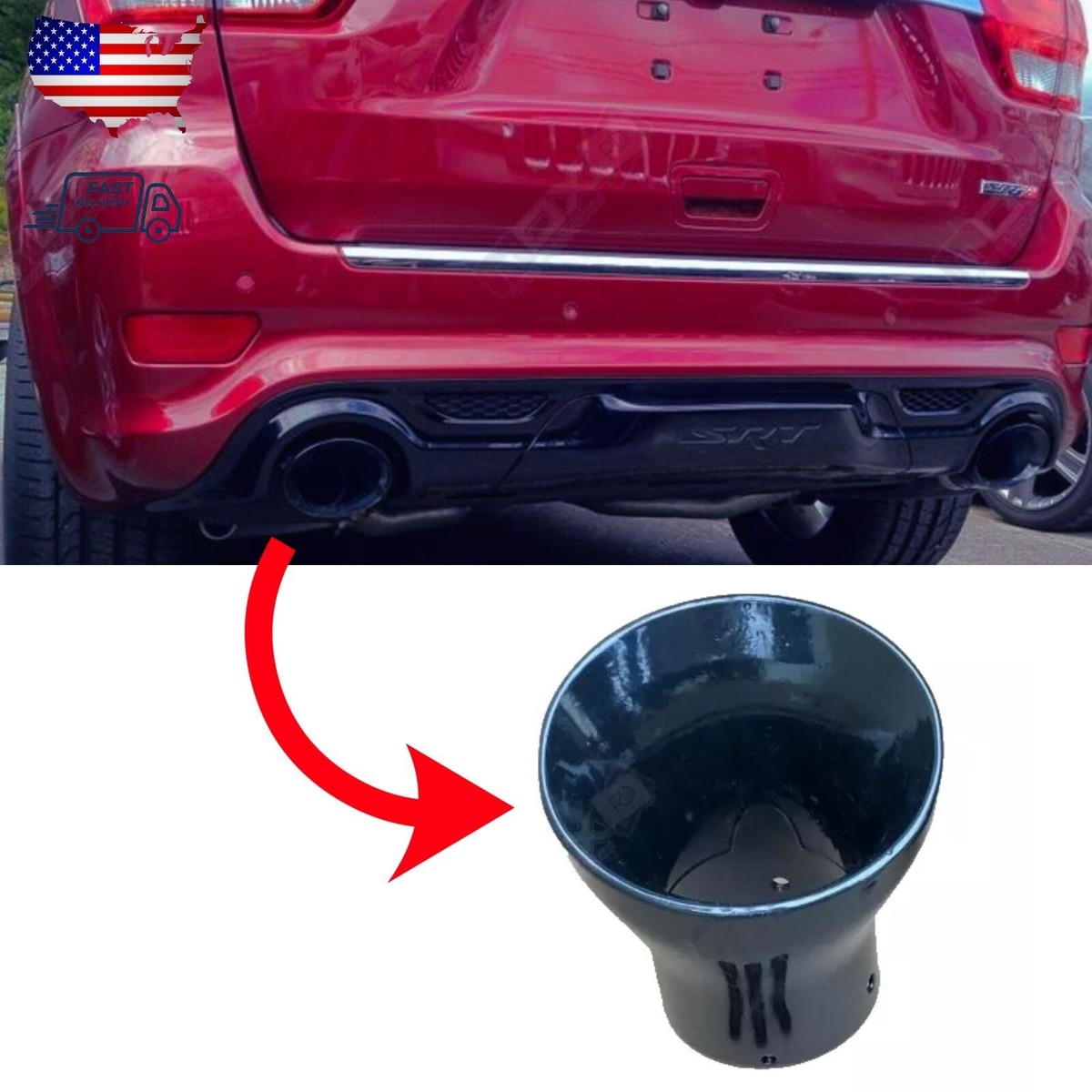
The Jeep Grand Cherokee stands out as a favorite among SUV lovers for its mix of comfort, power, and off-road ability. One part that often goes unnoticed, yet plays a major role in both performance and sound, is the exhaust system.
Whether you're looking for more horsepower, a deeper growl, or better fuel efficiency, understanding the Grand Cherokee's exhaust can help you make smarter upgrades and maintenance choices.
What Makes The Grand Cherokee Exhaust Unique?
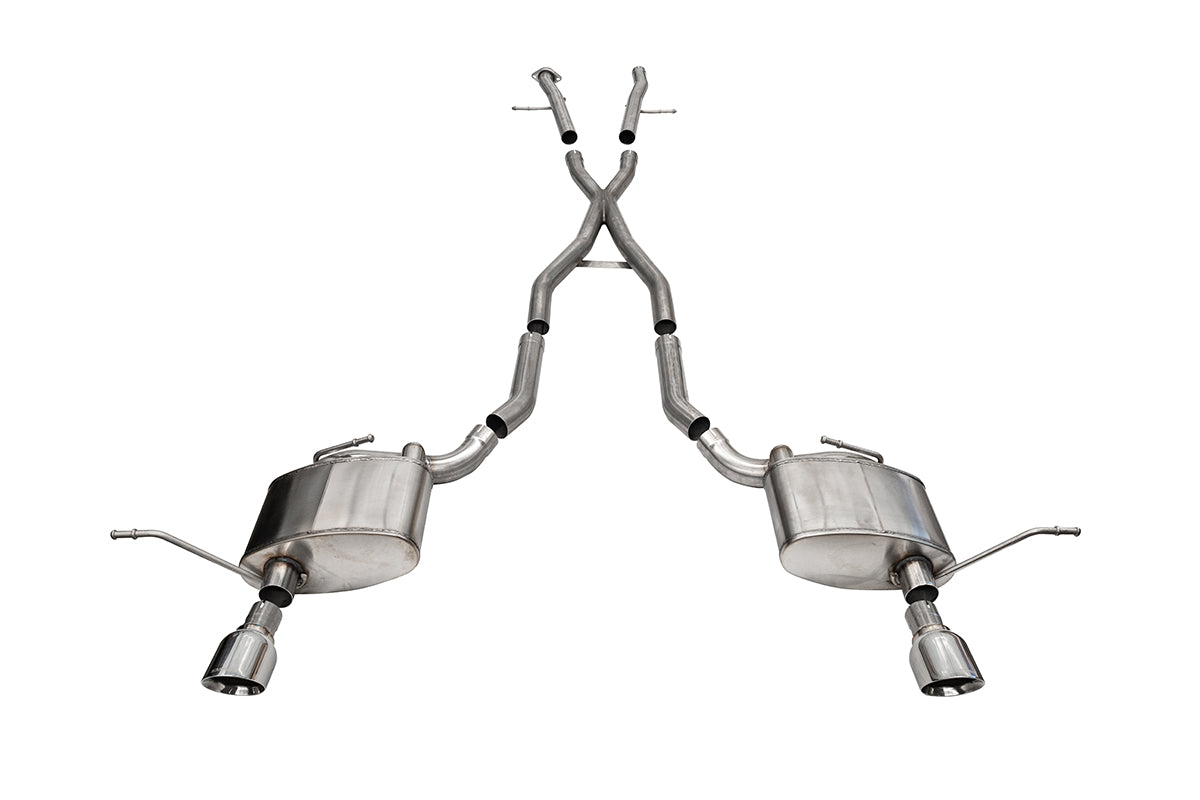
The Jeep Grand Cherokee exhaust is designed to balance power with efficiency. Most models come with a single or dual exhaust system. The design depends on the engine type—V6, V8, or turbocharged options. Modern systems use stainless steel for longer life and corrosion resistance. Key components include the exhaust manifold, catalytic converter, resonator, muffler, and tailpipe.
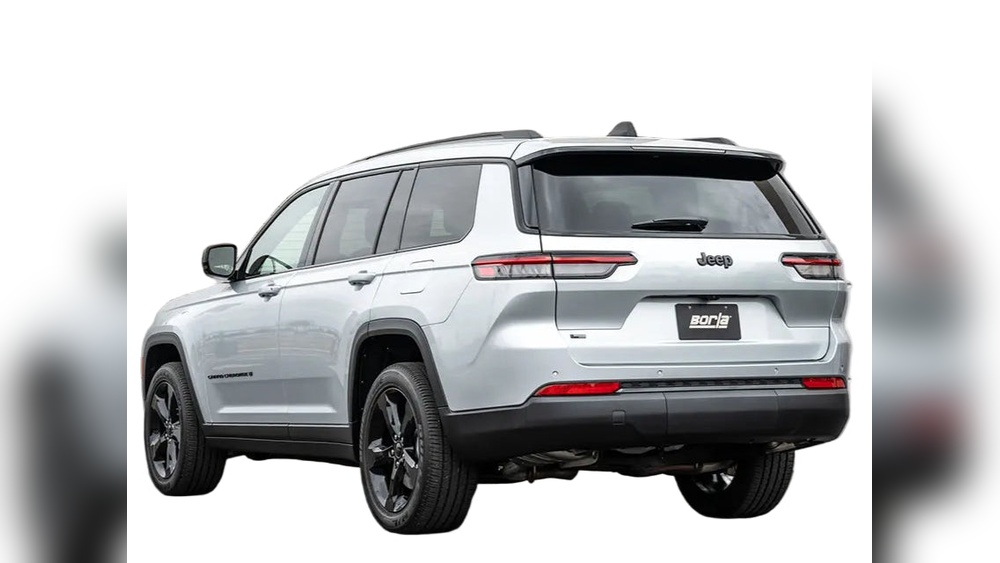
A unique feature is the use of active noise cancellation in higher trims. This technology helps manage the cabin noise, so even with a throaty V8, the ride feels refined inside. For off-roaders, the exhaust’s placement and design minimize damage from rocks or debris.
How The Exhaust System Works
The exhaust system channels gases from the engine out through the tailpipe. Here’s a simple breakdown:
- Exhaust manifold collects gases from each cylinder.
- Catalytic converter reduces harmful emissions.
- Resonator changes the sound to reduce harshness.
- Muffler quiets the exhaust noise.
- Tailpipe releases the gases safely away from the vehicle.
Each part must work properly to keep your Grand Cherokee running smoothly and legally. A leak or blockage can cause loss of power, strange noises, and even failed emissions tests.
Common Exhaust Problems In Jeep Grand Cherokee
Like all vehicles, the Grand Cherokee can develop exhaust issues over time. Here are some common problems:
- Rust and Corrosion: Salt and moisture can eat away at pipes, especially in cold climates.
- Exhaust Leaks: Cracks or holes may cause loud noises and reduced engine power.
- Failed Catalytic Converter: This leads to a check engine light and rough running.
- Loose or Broken Hangers: The exhaust may hang low or rattle.
A non-obvious sign of a problem is a drop in fuel economy. Many drivers don’t connect poor mileage with exhaust issues, but leaks or blockages make the engine work harder.
Upgrading The Grand Cherokee Exhaust
Many owners upgrade their exhaust for better sound, more horsepower, or improved looks. Here’s what to consider:
Types Of Aftermarket Systems
- Cat-back systems: Replace exhaust from the catalytic converter to the tailpipe. These offer more sound and power but are legal in most states.
- Axle-back systems: Only the section from the rear axle to the tailpipe is changed. These are easier to install but offer less performance gain.
- Headers: Replace the exhaust manifold for better flow, mostly for V8 models.
Material Options
Most stock systems use stainless steel or aluminized steel. Stainless steel lasts longer, especially in wet or snowy regions.
Sound And Performance
Upgrades can give your Grand Cherokee a deeper, more aggressive sound. Some systems are louder than others. It’s important to check local noise laws before installing a very loud exhaust.
Cost Comparison
Here is a simple comparison of common exhaust upgrade options:
| System Type | Average Price | Performance Gain | Sound Level |
|---|---|---|---|
| Cat-back | $600 – $1,200 | Moderate | Medium to Loud |
| Axle-back | $400 – $800 | Low | Medium |
| Headers | $700 – $1,500 | High (with other mods) | Loud |
Maintenance Tips For A Healthy Exhaust
A well-kept exhaust improves performance, saves fuel, and extends vehicle life. Here are some tips:
- Inspect regularly for rust or damage, especially after winter.
- Listen for changes in sound—new rattles or loudness can signal trouble.
- Fix leaks quickly to avoid bigger repairs and failed emissions.
- Choose quality parts for replacements—stainless steel lasts longer.
Few people realize that short trips can harm your exhaust. Water vapor doesn’t fully evaporate if the car doesn’t get hot enough, leading to rust inside the pipes.
Factory Vs Aftermarket: What’s Best?
Choosing between a factory exhaust and an aftermarket upgrade depends on your goals.
| Factor | Factory Exhaust | Aftermarket Exhaust |
|---|---|---|
| Warranty | Fully covered | May void warranty |
| Sound | Quieter | Louder/Customizable |
| Performance | Standard | Higher potential |
| Cost | Lower (OEM parts) | Varies by brand |
If you value peace of mind and a quiet ride, factory parts are best. If you want a more exciting drive and don’t mind a little noise, an aftermarket system might be right.
Environmental Impact And Legal Notes
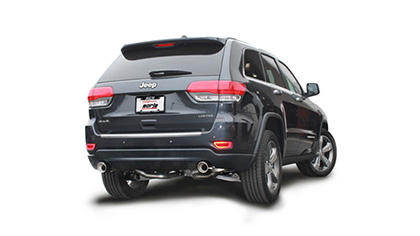
Modern Grand Cherokees have advanced emissions controls. Tampering with or removing the catalytic converter is illegal in many states and can lead to heavy fines. Always choose exhaust upgrades that meet EPA or local requirements. Not all aftermarket parts are street-legal, so check before you buy.
Some drivers overlook the need for emissions testing after exhaust work. Even a small leak or change can cause you to fail inspections, especially in states with strict rules.
Frequently Asked Questions
<!– wp:rank-math/faq-block {"questions":[{"id":"faq-question-071c5338ec8b","title":"How Do I Know If My Jeep Grand Cherokee Exhaust Is Leaking?","content":"Listen for a loud rumbling or hissing under the car, or notice if the engine feels weak or less responsive. A strong exhaust smell inside the cabin is also a warning sign.
“,”visible”:true},{“id”:”faq-question-8e1209986c60″,”title”:”Will A New Exhaust Increase My Jeep Grand Cherokee’s Horsepower?”,”content”:”A performance exhaust can add 5–15 horsepower, especially on V8 models. Gains are higher if combined with other upgrades like a cold air intake.
“,”visible”:true},{“id”:”faq-question-a524780322af”,”title”:”Is It Legal To Install An Aftermarket Exhaust On My Grand Cherokee?”,”content”:”Most cat-back and axle-back systems are legal if they keep the catalytic converter and meet noise rules. Always check your local laws before making changes.
“,”visible”:true},{“id”:”faq-question-1e827104b45e”,”title”:”Can An Exhaust Upgrade Improve My Fuel Economy?”,”content”:”A more efficient exhaust can help, but the effect is usually small—about 1–2 mpg at most. Driving style has a bigger impact on fuel economy.
“,”visible”:true},{“id”:”faq-question-c36a595b8b9a”,”title”:”How Long Does A Jeep Grand Cherokee Exhaust System Last?”,”content”:”Factory exhausts often last 7–10 years. Stainless steel upgrades can last even longer, especially in dry climates.
The exhaust is more than just a pipe; it’s key to your Jeep Grand Cherokee’s personality and performance. With the right care and smart upgrades, your Grand Cherokee can sound, look, and drive its best for years to come. For more details on emissions and legal requirements, you can visit the EPA’s official page.
“,”visible”:true}]} –>How Do I Know If My Jeep Grand Cherokee Exhaust Is Leaking?
Listen for a loud rumbling or hissing under the car, or notice if the engine feels weak or less responsive. A strong exhaust smell inside the cabin is also a warning sign.
Will A New Exhaust Increase My Jeep Grand Cherokee’s Horsepower?
A performance exhaust can add 5–15 horsepower, especially on V8 models. Gains are higher if combined with other upgrades like a cold air intake.
Is It Legal To Install An Aftermarket Exhaust On My Grand Cherokee?
Most cat-back and axle-back systems are legal if they keep the catalytic converter and meet noise rules. Always check your local laws before making changes.
Can An Exhaust Upgrade Improve My Fuel Economy?
A more efficient exhaust can help, but the effect is usually small—about 1–2 mpg at most. Driving style has a bigger impact on fuel economy.
How Long Does A Jeep Grand Cherokee Exhaust System Last?
Factory exhausts often last 7–10 years. Stainless steel upgrades can last even longer, especially in dry climates.
The exhaust is more than just a pipe; it’s key to your Jeep Grand Cherokee’s personality and performance. With the right care and smart upgrades, your Grand Cherokee can sound, look, and drive its best for years to come. For more details on emissions and legal requirements, you can visit the EPA’s official page.