When the buttons on your Jeep Grand Cherokee steering wheel stop working, it can be incredibly frustrating. These buttons control essential functions like your audio system, cruise control, and even phone calls.
Suddenly losing access to these features can make driving less safe and much less convenient. This problem, often referred to as dead steering wheel buttons, can stem from a variety of issues, ranging from simple electrical glitches to more complex mechanical failures.
Understanding why your steering wheel buttons might fail is the first step toward fixing them. Many drivers experience this issue, and the causes are often common. This guide will walk you through the most frequent reasons your Jeep Grand Cherokee steering wheel buttons aren’t working, and what you can do about it. We’ll cover everything from checking fuses and battery connections to more involved repairs like replacing the clock spring.
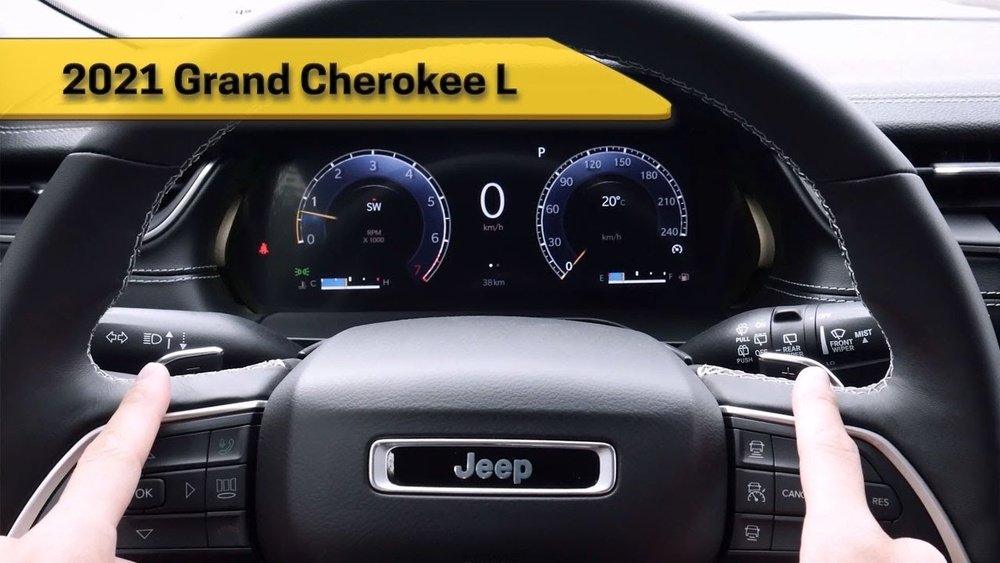
Several factors can lead to your steering wheel buttons becoming unresponsive. Pinpointing the exact cause is key to a successful repair.
The Clock Spring Issue
One of the most common culprits for non-functioning steering wheel buttons in many vehicles, including the Jeep Grand Cherokee, is a faulty clock spring. This isn’t a spring in the traditional sense; it’s a coiled ribbon cable housed within the steering column. Its primary job is to maintain electrical connections between the steering wheel’s components (like buttons, airbags, and horn) and the vehicle’s electrical system as the steering wheel turns.
Over time, or due to wear and tear from frequent steering wheel movements, this ribbon cable can break or fray. When the clock spring fails, the electrical signals from your steering wheel buttons can no longer reach their intended destinations. This often results in a sudden and complete failure of all steering wheel controls. You might also notice other symptoms, such as the airbag warning light illuminating on your dashboard, or the horn failing to work.
Pro Tip: If your airbag light is on in conjunction with non-working steering wheel buttons, a faulty clock spring is a very strong possibility. The clock spring is critical for the airbag system, so its failure often triggers this warning light.
Electrical Connection Problems
Loose or corroded electrical connections are another frequent cause of steering wheel button failure. The wires that run from the buttons into the steering column can become loose over time, especially if the steering wheel has been removed or worked on previously.
Similarly, corrosion can build up on connectors, preventing a clean electrical signal from passing through.
These connections are often found behind the airbag module and within the steering column itself. Inspecting these connections requires careful work, as you’ll be dealing with sensitive electrical components and the airbag system. If you’re not comfortable with electrical diagnostics, it’s best to leave this to a professional mechanic.
Fuse Issues
While less common for steering wheel buttons specifically (as they often share circuits with other components), a blown fuse can sometimes be the reason for their failure. Vehicles have numerous fuse boxes, and it can be challenging to identify which fuse, if any, controls the steering wheel button functions. Often, these buttons are integrated into larger systems like the infotainment system or cruise control, so a blown fuse related to those systems might indirectly affect the buttons.
Consulting your Jeep Grand Cherokee’s owner’s manual is essential to locate the fuse boxes and identify the correct fuses related to steering wheel controls or associated systems. If a fuse is blown, replacing it with one of the same amperage is a simple fix.
However, if the new fuse blows again immediately, it indicates a short circuit or a more significant electrical problem that needs professional diagnosis.
Damaged Wiring Harness
The wiring harness is a bundle of wires that carries electrical signals throughout your vehicle. Within the steering column, there's a specific harness that connects the steering wheel's controls to the rest of the car.
If this harness becomes damaged, pinched, or severed, perhaps due to physical impact, improper installation of other components, or general wear, it can interrupt the flow of electricity to the buttons.
Repairing a damaged wiring harness can be complex, often involving splicing wires and ensuring proper insulation. This is typically a job for an experienced automotive technician.
Each button on your steering wheel is a small electronic switch. Like any switch, they can wear out over time.
Constant use can lead to the internal contacts becoming dirty, corroded, or simply failing to make a connection. This is especially true for buttons that are used more frequently, such as volume controls or cruise control buttons.
If only one or two buttons stop working, while others remain functional, it’s more likely that the specific button itself has failed rather than a more general issue like the clock spring. However, diagnosing individual button failure can still be tricky without disassembling the steering wheel.
Issues With The Control Module
Modern vehicles use various electronic control modules (ECMs) to manage different systems. The steering wheel controls are often managed by a specific module, sometimes referred to as the Body Control Module (BCM) or a dedicated steering wheel control module. If this module malfunctions or loses communication with the rest of the vehicle’s network, it can cause the steering wheel buttons to stop working.
Diagnosing module issues usually requires specialized diagnostic tools that can communicate with the vehicle’s network and read error codes. This is definitely a task best left to a professional mechanic.
Battery And Grounding Problems
While seemingly unrelated, issues with your vehicle’s battery or grounding points can sometimes manifest in strange electrical behaviors, including non-working steering wheel buttons. A weak battery might not provide enough consistent power for all electronic systems, or a poor ground connection can disrupt electrical flow.
Before diving into more complex repairs, it’s always a good idea to ensure your battery terminals are clean and tight, and that the battery itself is in good health. You can have your battery tested at most auto parts stores for free.
When you encounter this problem, it’s natural to want to fix it yourself. Here’s a step-by-step approach to troubleshooting, starting with the simplest solutions.
1. Check Battery Terminals And Voltage
Start with the basics. Ensure your Jeep Grand Cherokee’s battery terminals are clean and securely fastened. Corrosion can build up on the terminals, creating a poor connection. You can clean them with a wire brush and a mixture of baking soda and water. Also, check the battery voltage with a multimeter; it should be around 12.6 volts when the engine is off. A voltage below 12.4 volts might indicate a weak battery that could be causing electrical gremlins.
2. Inspect Fuses
Locate your vehicle’s fuse boxes. Your owner’s manual will show you where they are (often under the dashboard and in the engine bay) and provide a diagram of which fuse controls what. Look for fuses related to:
- Audio System
- Infotainment System
- Cruise Control
- Instrument Cluster
- Steering Wheel Controls (if specifically listed)
Carefully remove each relevant fuse and visually inspect it. If the metal filament inside is broken, the fuse is blown and needs replacement. Always replace a blown fuse with one of the exact same amperage. If the new fuse blows immediately, there’s a short circuit that needs professional attention.
Sometimes, the issue might be with a specific button rather than the entire set. Try pressing each button individually.
Does any button respond at all? If some work and others don't, it might suggest a problem with the individual button's circuit or the clock spring's ability to send signals to specific areas.
4. Check For Airbag Warning Light And Horn Functionality
As mentioned earlier, a faulty clock spring often affects the horn and triggers the airbag warning light. If your horn doesn’t work, or the airbag light is illuminated, the clock spring is a prime suspect. These symptoms are strong indicators that the problem is within the steering column assembly.
5. Resetting The System (battery Disconnect)
In some cases, a simple electrical reset can resolve temporary glitches. This involves disconnecting the vehicle’s battery for about 15-30 minutes.
- Open the hood and locate the battery.
- Using a wrench, loosen the nut on the negative (-) terminal and carefully remove the cable.
- Leave the battery disconnected for at least 15-30 minutes. This allows the vehicle’s computer modules to reset.
- Reconnect the negative terminal cable and tighten the nut securely.
- Start the vehicle and test the steering wheel buttons.
Warning: Disconnecting the battery will reset your radio presets, clock, and other electronic settings. You may also need to re-enter security codes for your audio system after reconnecting.
6. Inspecting Connections (advanced)
If the simpler steps don’t work, you might need to inspect the electrical connections. This is where it gets more involved and potentially risky, especially concerning the airbag system.
- Accessing the Steering Wheel Controls: This typically involves removing trim pieces around the steering column and, potentially, the airbag module. The airbag module is held in place by clips or bolts, often accessible from behind the steering wheel.
- Disconnecting the Airbag: Crucially, before attempting to remove the airbag module, disconnect the battery and wait at least 15-30 minutes to allow any residual charge in the airbag system to dissipate. This is a critical safety precaution to prevent accidental deployment.
- Checking Connectors: Once the airbag is carefully removed and set aside, you can access the connectors for the steering wheel buttons. Look for any signs of loose wires, corrosion, or damage. Gently ensure all connectors are seated firmly.
Example: In my experience, I’ve seen connectors become slightly dislodged after a mechanic has worked on the steering column for another reason. A gentle push to reseat them often solves the problem without needing further parts.
7. Checking The Clock Spring (advanced)
If you suspect the clock spring, its replacement is the most common solution. This involves:
- Safety First: Disconnect the battery and wait.
- Removing the Airbag: Carefully remove the airbag module as described above.
- Removing the Steering Wheel: The steering wheel is typically attached by a large central nut. Before removing it, ensure the front wheels are pointing straight ahead and mark the position of the steering wheel relative to the steering column shaft to aid in proper alignment upon reinstallation. You may need a steering wheel puller tool to remove it.
- Replacing the Clock Spring: The clock spring is usually a plastic housing located behind the steering wheel, on the steering column. It will have electrical connectors attached. Carefully disconnect the old clock spring and connect the new one, ensuring all clips snap into place.
- Reassembly: Reinstall the steering wheel, ensuring it’s aligned correctly based on your marks. Reinstall the airbag module, reconnect the battery, and test the buttons.
This is a complex procedure that requires precision. If you are not experienced with automotive repairs, especially those involving safety systems like airbags, it is highly recommended to have a qualified mechanic perform the clock spring replacement.

When To Call A Professional
While some troubleshooting steps are DIY-friendly, certain situations warrant professional help.
Complex Electrical Diagnostics
If you’ve checked fuses, reset the battery, and the buttons still don’t work, the issue might be deeper within the vehicle’s electrical system. Diagnosing short circuits, open circuits, or module failures requires specialized tools like oscilloscopes and diagnostic scanners that can communicate with the car’s computer network. A professional mechanic can accurately pinpoint these complex issues.
Airbag System Concerns
The airbag system is a critical safety feature. Any work performed on or around the airbag module and its associated components, including the clock spring, carries inherent risks. If you are unsure about safely handling these components, or if the airbag warning light is illuminated, it’s best to let a professional handle the diagnosis and repair. They have the training and equipment to work on these systems safely.
Lack Of Tools Or Experience
Tasks like removing a steering wheel or working with intricate electrical connectors require specific tools and a certain level of mechanical aptitude. If you don’t have the right tools or feel uncomfortable with the process, attempting the repair yourself could lead to further damage or injury.
Understanding The Costs Of Repair
The cost to fix non-working steering wheel buttons can vary significantly depending on the cause and where you get the repair done.
Diy Vs. Professional Repair Costs
- DIY: If the issue is a simple blown fuse, the cost is minimal, just the price of a replacement fuse (usually a few dollars). If you need to replace a clock spring yourself, the part might cost between $50 and $150, depending on the supplier and your Jeep Grand Cherokee model year. However, this doesn’t account for the value of your time or the risk of error.
- Professional Repair: If a mechanic diagnoses the problem, the labor costs can add up.
- Fuse Replacement: Often included as part of a general diagnostic fee or very minimal charge.
- Clock Spring Replacement: This is the most common repair for this issue. Labor can range from 1.5 to 3 hours, with hourly rates varying by shop ($100-$200+ per hour). Add the cost of the part ($50-$150), and the total bill could be anywhere from $200 to $550 or more.
- Wiring Harness Repair or Module Replacement: These repairs can be more expensive, potentially costing $500 to $1000+, depending on the complexity and the cost of the module itself.
Factors Affecting Cost
- Model Year: Older models might have simpler systems but harder-to-find parts. Newer models have more complex electronics.
- Specific Part Needed: A fuse is cheap; a control module is expensive.
- Labor Rates: Dealerships generally charge more than independent repair shops.
- Diagnostic Fees: Most shops charge a fee to diagnose the problem, which is often waived or applied to the repair cost if you proceed with the work.
Specific Jeep Grand Cherokee Model Considerations
While the general causes and troubleshooting steps apply broadly, certain Jeep Grand Cherokee model years or generations might have specific known issues. For instance, some model years might be more prone to clock spring failures than others due to design or material choices.
Researching online forums dedicated to your specific Jeep Grand Cherokee year can be very helpful. Owners often share their experiences with common problems, successful repair methods, and even specific part numbers or recommended replacement brands.
Websites like Jeep Garage or dedicated Grand Cherokee owner forums can be invaluable resources.
For example, owners of certain WK2 Grand Cherokees (2011-2026) have frequently reported issues with the clock spring leading to steering wheel button failures and airbag