The Jeep Grand Cherokee SRT is a powerful SUV that turns heads, and its factory wheels play a huge part in its aggressive look and performance.
These aren't just round things that hold up the car; they are carefully designed pieces of engineering that affect everything from handling to fuel efficiency. For owners who want to keep their SRT looking and performing its best, understanding these factory wheels is essential.
This article will explore the Jeep Grand Cherokee SRT factory wheels, covering their design, specifications, impact on performance, and what owners need to know about them. Whether you’re looking to maintain your SRT, upgrade it, or simply understand what makes it special, this guide will provide the details you need. We’ll look at the different types of wheels offered, their technical aspects, and how they contribute to the overall experience of driving a high-performance SUV.
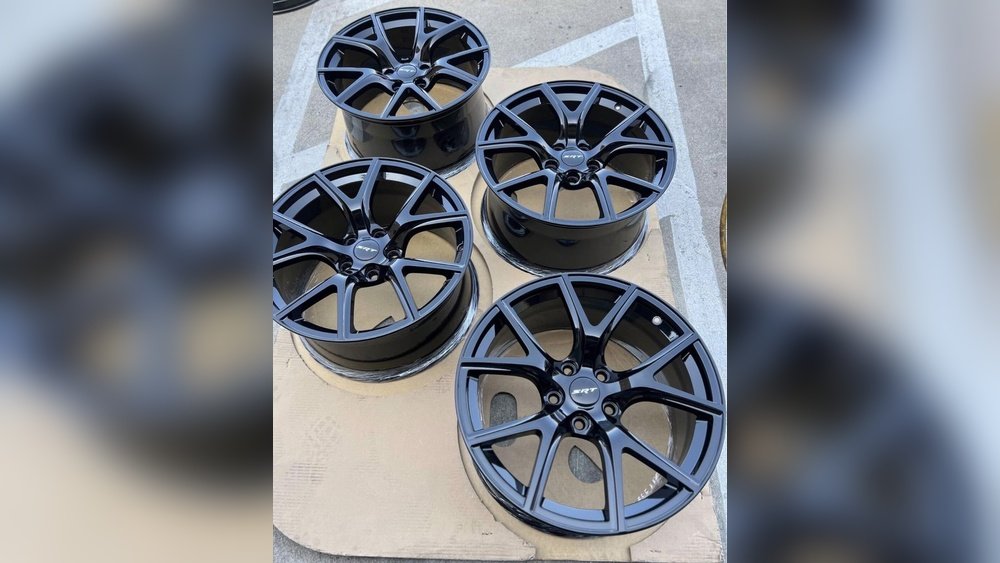
The Evolution Of Srt Wheels On The Grand Cherokee
The Jeep Grand Cherokee SRT has a history of powerful performance, and its wheels have evolved alongside it. From early models to the latest iterations, Jeep has consistently equipped these performance SUVs with wheels that not only look the part but also support their demanding capabilities. The SRT (Street and Racing Technology) division of Chrysler is known for taking standard vehicles and pushing them to their performance limits, and the wheels are a critical component in this transformation.
Early SRT Grand Cherokees featured robust wheel designs that emphasized strength and stability. As technology advanced and the demand for lighter, stronger, and more aesthetically pleasing wheels grew, so did the offerings for the SRT.
The focus has always been on balancing aggressive styling with the functional requirements of a vehicle capable of high speeds and sporty handling.
This often meant larger diameter wheels, wider stances, and designs that allowed for better brake cooling.
Key Wheel Specifications For Jeep Grand Cherokee Srt
Understanding the specifications of your Jeep Grand Cherokee SRT factory wheels is crucial for maintenance, tire selection, and potential upgrades. These numbers tell you a lot about the wheel’s size, fitment, and capabilities.
Wheel Diameter
The diameter of a wheel refers to the distance across its center. For the SRT Grand Cherokee, larger diameters are common, contributing to the vehicle’s aggressive stance and allowing for larger brake systems. Common diameters you might find include:
- 20 inches: This has been a very popular size for SRT models, offering a good balance between performance, ride comfort, and aesthetic appeal.
- 21 inches: Some later models or special editions might feature 21-inch wheels, further enhancing the sporty look and accommodating even larger brakes.
A larger diameter wheel generally allows for a lower-profile tire. This means less sidewall flex, leading to sharper handling and a more direct connection to the road.
However, it can also result in a firmer ride and increased vulnerability to potholes.
Wheel Width
Wheel width is measured in inches and indicates the distance between the inner wheel flanges. This measurement is critical for proper tire fitment and influences the vehicle's handling characteristics.
Wider wheels allow for wider tires, which can increase the tire's contact patch with the road.
A larger contact patch can improve grip, cornering stability, and braking performance.
For SRT Grand Cherokees, you’ll typically find wheel widths ranging from 9 inches to 10 inches. This width is designed to accommodate the performance-oriented tires that provide the necessary traction for the vehicle’s powerful engine.
Bolt Pattern (pcd)
The bolt pattern, also known as the Pitch Circle Diameter (PCD), describes the number of lug holes and the diameter of the circle on which they are arranged. This ensures the wheel mounts correctly to the vehicle’s hub. For most Jeep Grand Cherokees, including the SRT models, the common bolt pattern is 5x127mm (or 5×5 inches). This means there are five lug nuts arranged on a circle with a diameter of 127 millimeters.
Using the correct bolt pattern is non-negotiable. Mismatched bolt patterns will prevent the wheel from mounting securely, posing a significant safety risk.
Offset
Wheel offset is the distance from the centerline of the wheel to the mounting surface (where the wheel bolts to the hub). It's typically measured in millimeters (mm).
The offset determines how far inward or outward a wheel sits relative to the fender.
- Positive Offset: The mounting surface is on the outside of the centerline. The wheel sits further inward.
- Negative Offset: The mounting surface is on the inside of the centerline. The wheel sits further outward.
- Zero Offset: The mounting surface is exactly at the centerline.
SRT Grand Cherokees usually have a positive offset, often in the range of +50mm to +55mm. This specific offset is engineered to ensure proper clearance for brakes, suspension components, and fenders, while also contributing to the vehicle’s stability and handling dynamics. Incorrect offset can lead to rubbing issues, premature bearing wear, or compromised steering feel.
Center Bore
The center bore is the hole in the middle of the wheel that fits over the vehicle’s hub. For the Jeep Grand Cherokee, the center bore size is typically 71.5mm. A properly sized center bore ensures the wheel is centered on the hub, which helps distribute load evenly and reduces vibration. While hub-centric rings can be used to adapt wheels with a larger center bore to a smaller hub, it’s always best to use wheels with the correct factory center bore for optimal fitment and safety.
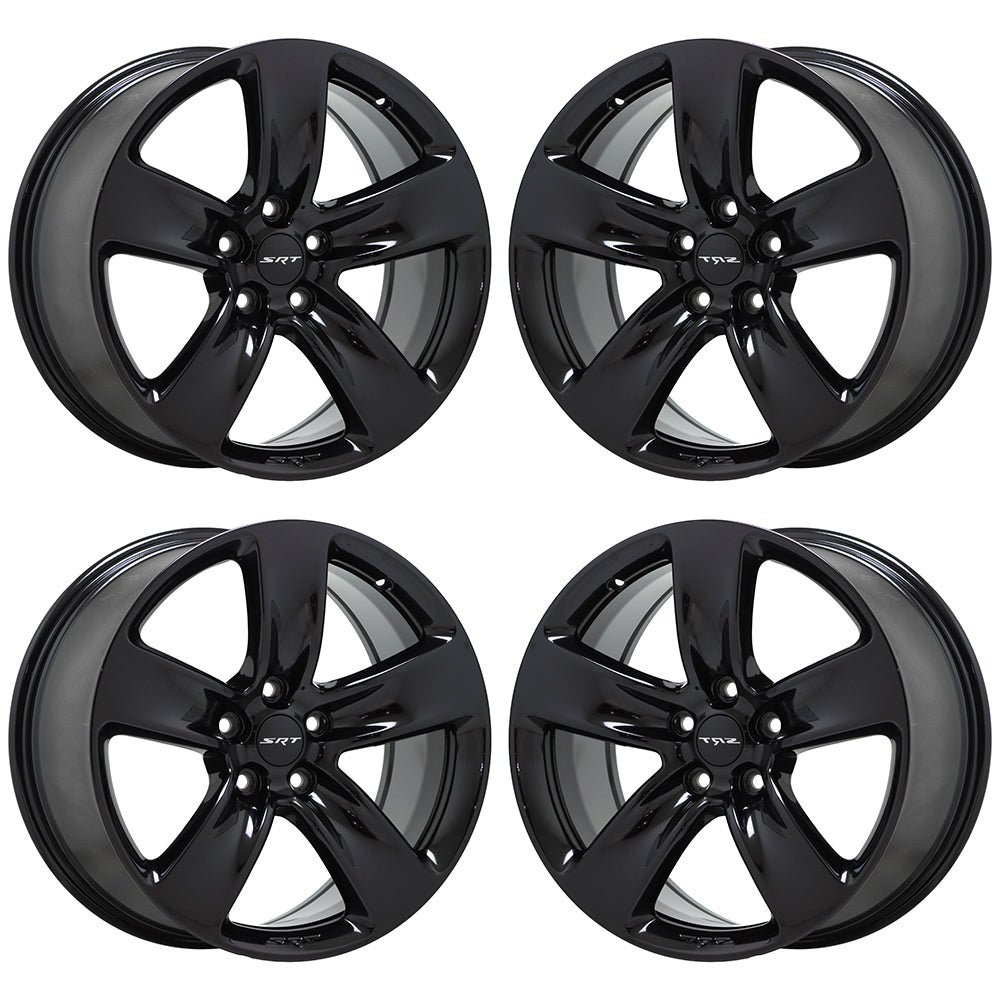
Common Factory Wheel Designs For The Jeep Grand Cherokee Srt
Jeep has offered several distinct wheel designs for the Grand Cherokee SRT over the years, each with its own aesthetic and engineering considerations. These designs are not only about looks; they are often chosen to be lightweight yet strong, and to complement the vehicle’s performance capabilities.
Split-spoke Designs
Many SRT models have featured striking split-spoke designs. These wheels often have five or six sets of spokes that divide into two or more thinner spokes as they reach the rim. This design can make a large diameter wheel look less visually heavy and more dynamic.
- Aesthetic: These wheels often have a complex, multi-dimensional look that enhances the aggressive styling of the SRT. They can feature machined faces with darker pockets or fully painted finishes.
- Performance: The design can be engineered to be relatively lightweight, which reduces unsprung mass. Lower unsprung weight is beneficial for suspension responsiveness and overall handling.
Multi-spoke Designs
Another popular option is the multi-spoke design, which can have anywhere from seven to ten or more spokes. These are often thinner and more numerous than in a split-spoke design.
- Aesthetic: Multi-spoke wheels can give a sophisticated and sporty appearance. They often highlight the size of the brakes behind them, which is a desirable feature for performance vehicles.
- Performance: Similar to split-spoke designs, multi-spoke wheels can be engineered for weight savings. The arrangement of spokes can also contribute to structural rigidity.
Forged Vs. Cast Wheels
It’s important to note that factory SRT wheels are typically cast aluminum. However, some high-performance vehicles, or aftermarket options for SRTs, might utilize forged aluminum.
- Cast Wheels: These are made by pouring molten aluminum into a mold. They are generally less expensive to produce and offer good strength for everyday use. Most factory wheels are cast.
- Forged Wheels: These are made by shaping a solid block of aluminum using extreme pressure. Forging creates a denser, stronger, and often lighter wheel than casting. They are more expensive but offer superior strength-to-weight ratio, making them ideal for high-performance applications where reducing unsprung mass is critical.
While most factory SRT wheels are cast, their designs are optimized for strength and weight. If you’re looking for the absolute lightest and strongest wheels, forged options are available aftermarket.
Impact Of Factory Wheels On Srt Performance
The wheels on a Jeep Grand Cherokee SRT are not merely cosmetic; they have a direct and significant impact on the vehicle’s performance characteristics. This is especially true for a performance-tuned SUV like the SRT, where every component is chosen to contribute to its speed, handling, and braking capabilities.
Handling And Grip
The wheel diameter, width, and offset all play a role in how the SRT handles. Larger diameter wheels, often paired with wider tires, increase the tire’s contact patch with the road. This improved contact patch translates to better traction, allowing the vehicle to accelerate more effectively, brake harder, and corner with greater confidence. The stiffer sidewalls of lower-profile tires, common on larger SRT wheels, reduce body roll during cornering, leading to a more responsive and planted feel.
The offset also influences handling. The factory offset is carefully chosen to provide optimal steering geometry and stability.
Deviating from this can alter the scrub radius and affect steering feel, potentially making the steering heavier or less precise.
Braking Performance
The SRT Grand Cherokee is equipped with a high-performance braking system, and the factory wheels are designed with this in mind. Larger diameter wheels allow for larger brake rotors and calipers. The open design of many SRT wheel styles also promotes airflow to the brakes, helping to dissipate heat. Effective heat management is crucial for preventing brake fade during spirited driving or repeated hard braking.
Acceleration And Responsiveness
The weight of the wheels (known as unsprung mass) significantly affects acceleration and overall responsiveness. Lighter wheels require less energy to spin up, meaning the engine’s power is more efficiently transferred to the road. This results in quicker acceleration and a more nimble feel when the driver inputs steering or throttle changes. While factory SRT wheels are generally well-engineered to be relatively light for their size and strength, any reduction in unsprung mass will yield performance benefits.
Ride Comfort
While performance is key for the SRT, ride comfort is still a consideration. The wheel diameter and tire profile are the primary factors influencing ride quality. Larger wheels with lower-profile tires transmit more road imperfections to the cabin, resulting in a firmer ride. The factory wheel and tire combination for the SRT represents a compromise between sporty handling and acceptable daily drivability. A 20-inch wheel with a 40 or 45-series tire will offer a different ride experience than a 21-inch wheel with a 35-series tire.
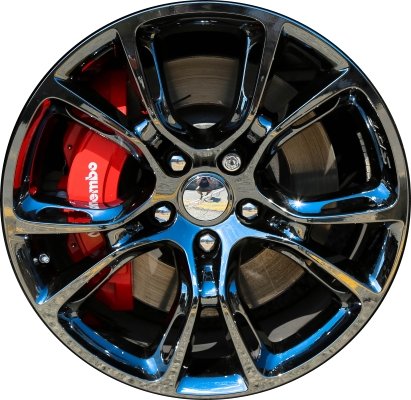
Tire And Wheel Maintenance For Your Srt
Proper maintenance of your Jeep Grand Cherokee SRT factory wheels and tires is essential for safety, performance, and longevity. Regular checks and timely service can prevent issues and ensure you get the most out of your vehicle.
Tire Pressure Monitoring
Always maintain the correct tire pressure as recommended by Jeep. The recommended pressure is usually found on a sticker in the driver’s side doorjamb or in the owner’s manual. Underinflated tires can lead to poor handling, reduced fuel efficiency, and uneven tire wear. Overinflated tires can result in a harsh ride and reduced traction. The Tire Pressure Monitoring System (TPMS) in your SRT will alert you if pressure is low, but manual checks with a reliable gauge are still recommended.
Tire Rotation And Balancing
Regular tire rotation helps ensure that tires wear evenly across the axle. This is typically recommended every 6,000 to 8,000 miles. Uneven wear can significantly shorten tire life and affect handling.
Wheel balancing is also crucial. When tires are mounted onto wheels, there are slight variations in weight distribution. Balancing machines add small counterweights to the wheel rim to ensure it spins smoothly without causing vibrations. If you notice vibrations, especially at higher speeds, or after installing new tires, have your wheels balanced.
Wheel Alignment
Wheel alignment refers to the angles of your wheels relative to the car and the road. Proper alignment ensures that your tires are making optimal contact with the road surface, which is critical for handling, tire wear, and fuel economy. Misalignment can be caused by hitting potholes, curbs, or simply from normal wear and tear. Symptoms of poor alignment include uneven tire wear (e.g., feathering or scalloping), the vehicle pulling to one side, or a crooked steering wheel. It’s recommended to have your alignment checked periodically, especially if you notice any of these signs.
Cleaning And Protection
Keep your SRT’s wheels clean to prevent corrosion and maintain their appearance. Use a mild wheel cleaner specifically designed for automotive wheels. Avoid harsh chemicals or abrasive brushes that can damage the finish. After cleaning, consider applying a wheel sealant or wax to provide a protective layer against brake dust and road grime. Brake dust is particularly corrosive and can etch into the wheel finish if left on for extended periods.
Inspecting For Damage
Regularly inspect your wheels for any signs of damage, such as:
- Cracks: Small cracks, especially around the lug holes or on the rim, can compromise the wheel’s structural integrity and lead to a blowout.
- Bends: Hitting a significant pothole or curb can bend a wheel, leading to vibrations and alignment issues.
- Corrosion: Especially on alloy wheels, corrosion can form, particularly in areas where the protective coating has been damaged.
If you find any damage, it’s crucial to have the wheel inspected by a professional. Often, a bent or cracked wheel needs to be replaced for safety reasons.
Understanding Tire Sizes For Srt Wheels
The tires that come with your Jeep Grand Cherokee SRT factory wheels are specifically chosen to match the wheel’s dimensions and the vehicle’s performance profile. Understanding tire sizing is vital for replacement and for ensuring optimal performance. A typical tire size might look something like 295/45R20. Let’s break this down:
- 295: This is the tire width in millimeters. It indicates the width of the tire from sidewall to sidewall.
- 45: This is the aspect ratio. It’s the height of the tire’s sidewall as a percentage of its width. So, 45 means the sidewall height is 45% of 295mm. A lower aspect ratio means a shorter, stiffer sidewall, contributing to better handling but a firmer ride.
- R: This indicates the tire construction is Radial. This is standard for modern vehicles.
- 20: This is the wheel diameter in inches that the tire is designed to fit.
When replacing tires, it is highly recommended to use the original equipment (OE) size or a size that is very close and approved by Jeep. Deviating significantly from the OE size can affect speedometer readings, odometer accuracy, traction control systems, stability control, and even the fitment within the wheel wells.
Tire Load Index And Speed Rating
Beyond the size, tires also have a load index and a speed rating.
- Load Index: This number indicates the maximum weight each tire can support. For an SRT Grand Cherokee, this will be a relatively high number to support the vehicle’s weight and performance demands.
- Speed Rating: This letter indicates the maximum speed at which the tire can safely carry a load. Performance vehicles like the SRT will have tires with higher speed ratings (e.g., H, V



















