The Jeep Grand Cherokee is a popular SUV known for its capability and comfort. One often overlooked but crucial aspect of owning any vehicle, especially one designed for adventure, is understanding how to access and manage its spare wheel.
This seemingly simple task can become a significant problem if you're unprepared, particularly when you're far from home or in an emergency situation. Knowing the exact location, the tools required, and the proper procedure for retrieving your spare tire is essential for every Grand Cherokee owner.
This guide will walk you through everything you need to know about accessing the spare wheel on your Jeep Grand Cherokee, ensuring you're ready for any road.
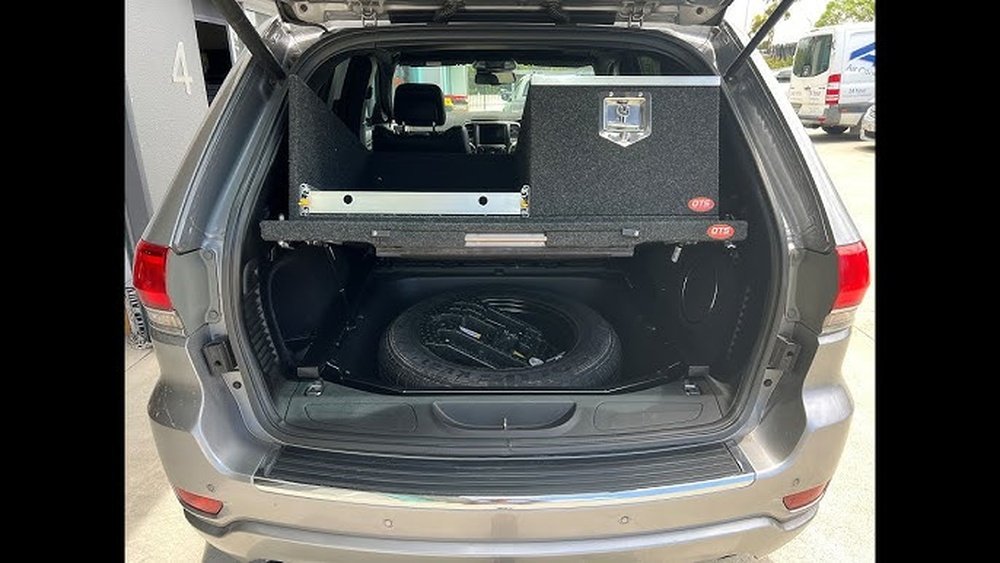
Locating Your Spare Wheel
The first step to accessing your spare wheel is knowing where it is. Jeep has historically placed the spare tire in a convenient and accessible location on the Grand Cherokee, typically underneath the vehicle.
This placement is common for SUVs and trucks, as it keeps the cargo area free for passengers and luggage.
Underbody Spare Tire Mount
For most modern Jeep Grand Cherokee models, the spare tire is mounted externally on the underside of the vehicle, towards the rear. It's usually secured by a mechanism that requires specific tools to lower.
This location is chosen to maximize interior space and to keep the tire protected from the elements and potential theft.
The spare tire is housed within a metal carrier that is attached to the frame of the vehicle. This carrier is designed to hold the tire securely during normal driving conditions but can be lowered when needed.
Accessing The Spare Tire Carrier
To lower the spare tire, you'll typically need to access a mechanism located either inside the vehicle or on the exterior. The most common method involves a tool that engages with a threaded rod or a winch-like system.
This system is designed to slowly lower the tire carrier, allowing you to retrieve the spare.
It’s important to understand that this process might require some physical effort and the correct tools. The specific location of the access point can vary slightly between model years, so consulting your owner’s manual is always the best first step.
However, generally, you’ll find a small access panel or a specific bolt head that the tool engages with.
Tools Required For Spare Wheel Access
Having the correct tools readily available is paramount for a smooth spare wheel retrieval. Jeep typically provides a basic toolkit with the vehicle to assist with this task.
If these tools are missing, you'll need to acquire replacements to ensure you can access your spare when necessary.
The Spare Tire Tool Kit
The standard toolkit usually includes a worry-knob tool or a crank handle and an extension piece. The crank handle is used to operate the winch mechanism that lowers the spare tire. The extension piece allows you to reach the mechanism comfortably, even if the undertray or other components are in the way. The specific design of these tools is engineered to fit the particular winch system used on your Grand Cherokee.
Using The Tools Correctly
The process generally involves inserting the crank handle, often with the extension, into the designated access point. You then turn the handle in a specific direction (usually counter-clockwise) to lower the tire.
It's crucial to turn slowly and steadily, especially as the tire gets closer to the ground.
The mechanism is a winch, meaning it can take several turns to lower the tire completely. Some models might have a locking pin or a secondary release that needs to be disengaged before or after lowering the tire.
Always refer to your owner's manual for the exact procedure for your specific model year, as improper use could damage the mechanism or make it difficult to retrieve the tire.
Step-by-step Guide To Lowering The Spare Wheel
Let’s break down the typical process for lowering the spare wheel on a Jeep Grand Cherokee. While variations exist between model years and trim levels, the core steps remain largely consistent.
- Locate the Access Point: Find the access point for the spare tire winch. This is usually a small cover or plug located on the rear bumper, tailgate, or undercarriage. In many models, it’s a small square or rectangular panel that can be pried open or unscrewed.
- Prepare the Area: Ensure you are in a safe location, away from traffic. If you’re on the side of the road, activate your hazard lights. It’s also a good idea to place wheel chocks behind the wheels that will remain on the ground to prevent the vehicle from rolling.
- Assemble the Tool: Connect the extension piece to the crank handle if required.
- Insert the Tool: Insert the end of the crank handle assembly into the access point. You should feel it engage with the winch mechanism.
- Lower the Spare Tire: Turn the crank handle counter-clockwise. You will hear and feel the winch mechanism working. Continue turning slowly and steadily. The spare tire carrier will gradually descend.
- Retrieve the Spare Tire: Once the carrier is fully lowered, you can slide the spare tire out from underneath the vehicle. Be prepared for its weight.
- Secure the Flat Tire: Place the flat tire in the spare tire carrier. You will use the same winch mechanism to raise it back into position.
- Raise the Spare Tire: Insert the crank handle again and turn it clockwise to raise the carrier. Ensure the spare tire is securely in place and the carrier is fully retracted.
- Replace the Access Cover: Once the spare tire is secured, replace any access panels or covers you removed.
Pro Tip: Inspecting The Spare Tire
Before you even need to lower your spare, it's a good practice to periodically check its condition. Ensure it’s properly inflated to the recommended pressure (often found on the tire sidewall or a sticker on the driver's side doorjamb).
Check for any signs of damage, such as cracks or bulges.
A flat or damaged spare tire is useless, so regular inspection is key.
Common Issues And Troubleshooting
While the spare tire access system is generally reliable, some common issues can arise. Being aware of these problems and knowing how to address them can save you a lot of frustration.
Stuck Or Difficult Winch Mechanism
One of the most frequent problems is a winch mechanism that is difficult to turn or won’t lower the tire. This is often due to rust and debris that accumulate over time.
- Lubrication: If the winch is stiff, try applying a penetrating lubricant (like WD-40 or a similar product) to the visible moving parts of the winch and the cable. Let it sit for a while before attempting to crank it again.
- Manual Force: Sometimes, a bit of extra force is needed. Ensure you’re using the correct tool and applying steady, firm pressure. Avoid jerky movements, which can damage the mechanism.
- Obstructions: Check for any debris or objects that might be physically blocking the tire carrier from lowering.
- Extreme Cases: In very rare and severe cases of rust or damage, the winch might need to be replaced. This is a job best left to a professional mechanic.
Missing Or Damaged Tools
If you discover that your spare tire tools are missing or damaged, you’ll need to replace them. Jeep dealerships can supply the correct tools for your specific model.
Aftermarket tool kits are also available, but ensure they are compatible with your Grand Cherokee's winch system.
Using incorrect tools can strip the gears or damage the winch.
Tire Carrier Won’t Raise
If you’ve replaced a flat tire and the carrier won’t raise, the issue might be related to the winch mechanism itself, or possibly the alignment of the tire on the carrier.
- Check Alignment: Ensure the spare tire is seated correctly on the carrier. Sometimes, if it’s slightly off-kilter, it can bind the mechanism.
- Obstructions: Again, check for anything blocking the upward movement.
- Winch Motor/Gears: If the winch is electric (on some higher trims), there could be an issue with the motor or its power supply. If it’s manual, the gears might be stripped or jammed. This often requires professional attention.
Warning: Safety First When Working Under The Vehicle
Always prioritize safety. Never attempt to lower or raise the spare tire if the vehicle is not on a level surface.
If you are on a slope, use wheel chocks to prevent rolling. If you are unsure about any step, it is always best to consult your owner's manual or seek assistance from a qualified mechanic.
Working under a vehicle, even a stationary one, carries inherent risks.

Spare Tire Types And Specifications
Not all spare tires are created equal. Your Jeep Grand Cherokee might come with different types of spare tires, each with its own characteristics and limitations.
Understanding these differences is crucial for safe driving.
Full-size Spare Vs. Compact Spare
Jeep Grand Cherokees typically come with either a full-size spare tire or a compact spare tire (often referred to as a “donut” spare).
- Full-Size Spare: This tire is the same size as your regular road tires. It offers the same driving performance and can be used indefinitely without compromising vehicle dynamics. Most Grand Cherokees aim to equip owners with a full-size spare for maximum convenience and safety.
- Compact Spare: This tire is smaller in diameter and width than your regular tires. It’s designed for temporary use only to get you to a repair shop. Driving on a compact spare for extended periods or at high speeds can affect your vehicle’s handling, braking, and potentially damage the drivetrain (especially the differentials) due to the difference in tire circumference.
Tire Specifications And Load Rating
Regardless of the type, your spare tire will have specific load and speed ratings. These are usually indicated on the tire’s sidewall.
- Speed Rating: Compact spares often have a much lower speed rating (e.g., 50 mph or 80 km/h) than regular tires. Exceeding this speed can lead to tire failure.
- Load Rating: The spare tire must be capable of carrying the weight of your vehicle. Ensure it’s properly inflated to meet its load capacity.
Checking Your Specific Model’s Spare
The exact type of spare tire your Grand Cherokee is equipped with can be found in your owner's manual. It will also detail the recommended tire pressure for the spare and any limitations on its use.
For instance, some models might have specific instructions on how to adjust the vehicle's electronic systems (like traction control or tire pressure monitoring systems) when a compact spare is in use.
Maintenance And Longevity Of Your Spare Wheel
A spare tire is only useful if it’s in good working condition. Proper maintenance ensures it’s ready when you need it most.
Regular Inspection
As mentioned earlier, regular inspection is key. This includes:
- Tire Pressure: Check the air pressure at least once a month and before any long trips. The recommended pressure for a spare tire is often higher than that of the regular tires, so check your owner’s manual or the tire sidewall.
- Tread Depth and Condition: Look for any signs of wear, cracking, dry rot, or damage to the tread and sidewalls. Even if it hasn’t been used, rubber degrades over time.
- Corrosion on the Carrier: Inspect the spare tire carrier for rust or corrosion, especially if you live in an area with harsh winters or near the coast.
Rotation And Replacement
While spare tires are not typically part of a regular tire rotation schedule, some owners choose to rotate them in every 10,000-15,000 miles to ensure even wear and to keep them in good condition. This is especially true for full-size spares.
- Full-Size Spares: If you have a full-size spare, consider rotating it with your regular tires. This ensures that all four tires on your vehicle are in similar condition and have adequate tread depth.
- Compact Spares: Compact spares are not designed for long-term use and often have a shorter lifespan. They are typically replaced when they show signs of wear or after a certain number of years, regardless of mileage. A common recommendation is to replace them every 6-10 years, even if they look good, due to the degradation of the rubber compound.
Keeping The Carrier Clean
After lowering or raising the spare, especially if it was dirty, take a moment to clean the area around the carrier. Removing dirt, mud, and salt can help prevent future corrosion and make the mechanism easier to operate next time.

The Importance Of A Functional Spare Wheel System
Owning a Jeep Grand Cherokee implies a readiness for adventure, which often means venturing beyond well-traveled roads. In such scenarios, a functional spare wheel system isn't just a convenience; it’s a critical safety feature.
Being stranded with a flat tire and an inoperable spare tire mechanism can quickly turn an inconvenience into a dangerous situation.
Safety And Peace Of Mind
The primary benefit of a well-maintained spare wheel system is the peace of mind it provides. Knowing that you have a reliable backup in case of a flat tire allows you to drive with greater confidence, especially on longer journeys or in remote areas where roadside assistance might be delayed. This is particularly important for families or individuals who may not have immediate access to help.
Cost Savings
While professional roadside assistance can be helpful, it often comes with a cost. Being able to change a tire yourself using your spare can save you money on towing fees and emergency service charges.
Furthermore, if a compact spare is used, it allows you to drive to a tire shop at your own pace, potentially allowing you to shop around for better repair or replacement prices rather than being forced to accept the first available option.
Maintaining Vehicle Functionality
A flat tire can immobilize your vehicle. Having a spare allows you to quickly restore mobility and continue your journey, minimizing disruptions to your schedule.
For a vehicle like the Grand Cherokee, often used for camping, off-roading, or hauling, being able to quickly address a tire issue is essential to not let a minor setback derail your plans.
Protecting Your Spare Wheel From The Elements
The underbody mounting of the spare tire, while space-saving, exposes it to road salt, moisture, dirt, and debris. Over time, this can lead to corrosion of the tire itself, the rim, and the carrier mechanism.
Using A Spare Tire Cover
A spare tire cover can offer significant protection. These covers are typically made of durable vinyl or fabric and fit snugly over the spare tire. They not only protect the tire from UV rays and moisture but also prevent dirt and grime from accumulating directly on the tire and rim. Some covers also offer a cleaner aesthetic appearance. While not always standard equipment, they are a worthwhile investment, especially for those living in areas with harsh weather conditions.
Regular Cleaning And Inspection Of The Carrier
Even with a cover, it’s important to periodically inspect and clean the carrier mechanism. After lowering the spare, especially after driving through mud or snow, wash down the carrier and the area around the winch.
This helps to remove corrosive elements and prevent them from causing long-term damage.
Checking for early signs of rust on the carrier itself can allow for timely treatment, preventing more