The Jeep Grand Cherokee is a capable SUV, perfect for both daily driving and adventurous off-road trips. But to truly maximize its utility, especially for carrying gear, you need a reliable roof rack cross bar system.
These bars are the foundation for attaching everything from luggage carriers and bike racks to kayaks and skis. Choosing the right ones can seem complex, with many options available.
This guide will help you understand what matters most, explore different types, and make an informed decision for your Grand Cherokee.
Understanding Jeep Grand Cherokee Roof Rack Cross Bars
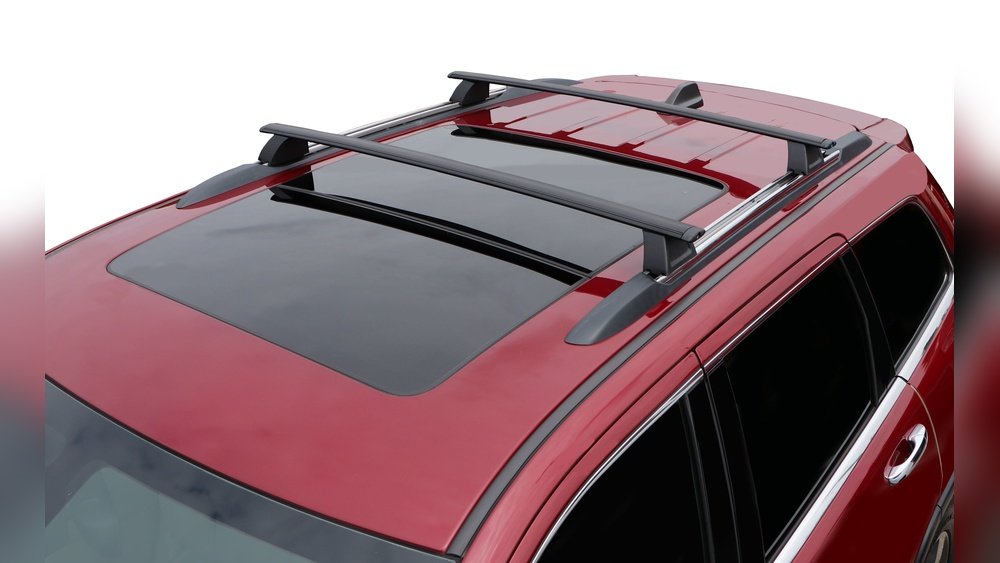
Roof rack cross bars are the horizontal pieces of a roof rack system that span across your vehicle's roof. They typically attach to side rails or directly to the vehicle's roof using specific mounting points.
For a Jeep Grand Cherokee, these cross bars are crucial for adding versatility.
They allow you to carry items that won’t fit inside your vehicle, freeing up interior space and enabling you to transport larger or bulkier equipment for sports, hobbies, or travel. Without them, your roof is essentially unusable for carrying extra loads.
The design and compatibility of cross bars are specific to the Jeep Grand Cherokee model year and trim level. Older models might have different mounting points than newer ones. Some Grand Cherokees come with factory-installed side rails, which are raised rails running along the length of the roof. Others might have flush side rails, which sit closer to the roof, or even fixed mounting points. The type of existing roof rail system on your Grand Cherokee will dictate the type of cross bars you can use.
Types Of Roof Rails On Jeep Grand Cherokees
Jeep has offered various roof rail configurations over the years. Understanding which type your Grand Cherokee has is the first step in selecting compatible cross bars.
- Raised Side Rails: These are the most common type and are easily identifiable. They are raised above the roofline, creating a gap between the rail and the roof. This gap allows for easy installation of clip-on or clamp-on cross bars, which wrap around the raised rail. They offer a lot of flexibility in terms of cross bar choice.
- Flush Side Rails: Newer Grand Cherokee models often feature flush side rails. These rails are integrated smoothly into the roofline, with very little or no gap. Cross bars for flush rails usually require specific mounting kits that attach to the designated mounting points or use a specialized clamping mechanism that grips the rail from the side.
- Fixed Mounting Points: Some Grand Cherokees, particularly older or specific trim levels, might have hidden mounting points under small covers on the roof. These are designed for a very secure, custom fit. Cross bars for these systems often come with specific towers or feet that screw directly into these points, offering a very robust and integrated solution.
How Cross Bars Work
Cross bars essentially create a load-bearing platform on your roof. They attach to the side rails or mounting points and extend across the vehicle. The space between the cross bars is where you can mount various accessories. The distance between the cross bars is adjustable on many systems, allowing you to customize the setup for different types of gear.
The weight capacity of the cross bars and the vehicle’s roof itself is a critical factor. Always check the manufacturer’s specifications for both your Grand Cherokee and the cross bar system. Overloading can lead to damage to your vehicle, the rack, or even cause accidents.
Key Factors When Choosing Cross Bars
Selecting the right cross bars for your Jeep Grand Cherokee involves considering several important factors. These will ensure you get a system that is safe, functional, and compatible with your vehicle and your intended use.
1. Vehicle Compatibility
This is the most crucial factor. As mentioned, Grand Cherokees come with different roof configurations.
You *must* ensure the cross bars are designed for your specific model year and trim. Manufacturers provide compatibility charts or tools on their websites.
Using cross bars not designed for your vehicle can lead to improper fit, damage, and safety hazards.
2. Weight Capacity
Every roof rack system has a maximum weight limit. This limit is determined by the strength of the cross bars, the mounting system, and the structural integrity of your Grand Cherokee’s roof. For example, a common weight limit for many aftermarket cross bars is around 150-200 lbs (68-90 kg), but factory-installed systems might differ. Always check the specifications. This limit includes the weight of the rack itself, any accessories (like a cargo box), and the gear you are carrying.
3. Material And Durability
Cross bars are typically made from either aluminum or steel.
- Aluminum is lighter, resistant to rust, and often has a sleeker, more aerodynamic profile. This can lead to less wind noise. However, aluminum can be more expensive and might be less durable under extreme stress compared to steel.
- Steel is generally stronger and more affordable. It’s a good choice if you plan on carrying very heavy loads frequently. The downside is that steel is heavier and more prone to rust if the coating is damaged. It can also be noisier due to wind resistance.
4. Load Type And Accessories
What will you be carrying? This directly influences the type of cross bars and accessories you’ll need.
- Cargo Boxes/Bags: These are great for luggage, camping gear, or anything you want to protect from the elements. They typically mount directly onto the cross bars.
- Bicycle Racks: There are various types, fork-mount, frame-mount, or even roof-mounted wheel holders. Ensure the cross bars can support the weight and have the right mounting pattern for your chosen bike rack.
- Kayak/Canoe Carriers: These often require specialized saddles or J-cradles that attach to the cross bars.
- Ski/Snowboard Racks: These clamp onto the cross bars and hold your equipment securely.
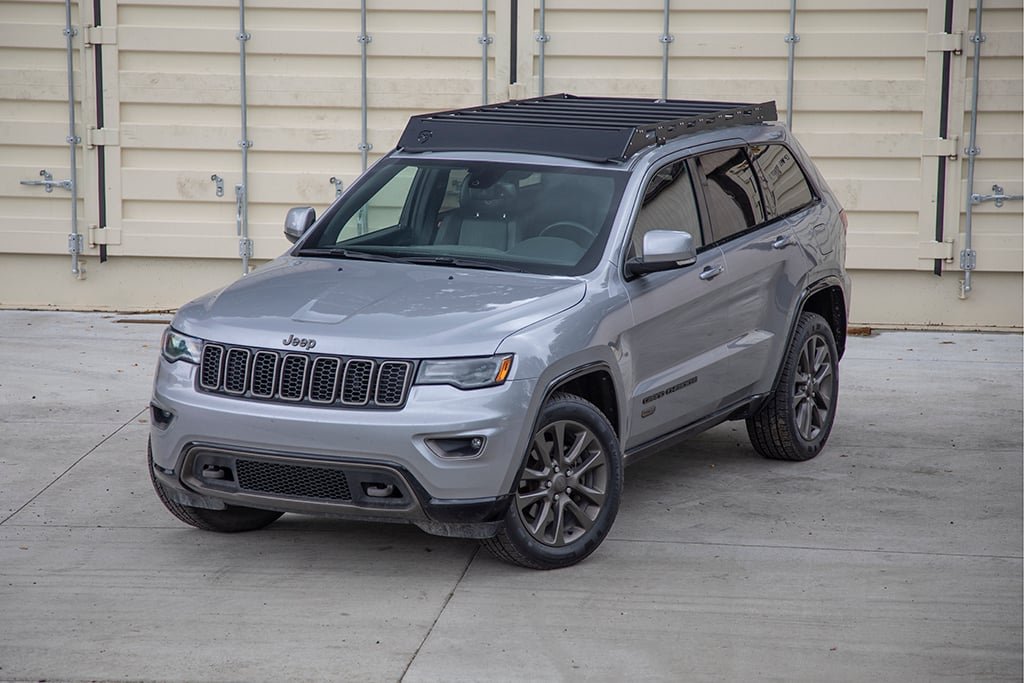
- General Utility/Platform Racks: For carrying a variety of items, a platform rack offers the most flexibility. These attach to the cross bars and provide a flat surface.
5. Noise And Aerodynamics
Cross bars, especially older or more basic designs, can create significant wind noise while driving. This can be annoying on long trips. More modern, aerodynamic designs (like wingbars or V-bars) are shaped to reduce drag and noise. Some systems also come with rubber strips or fairings to help quiet the wind.
6. Ease Of Installation
If you plan to install and remove the cross bars frequently, ease of installation is important. Some systems are tool-free, while others require basic hand tools.
Check reviews and instructions to gauge the difficulty.
7. Security
For peace of mind, look for cross bars that come with locking mechanisms. This prevents theft of the cross bars themselves and any accessories mounted to them. Most reputable brands offer lockable options.
Popular Types Of Cross Bars For Jeep Grand Cherokee
When you start shopping, you’ll encounter a few main categories of cross bars. Each has its pros and cons, and the best choice depends on your Grand Cherokee’s setup and your needs.
1. Factory Cross Bars
If your Grand Cherokee came with factory-installed side rails, it might have also come with or offered optional factory cross bars.
- Pros: Designed specifically for your vehicle, ensuring a perfect fit and often integrated seamlessly with the vehicle’s aesthetics. They usually meet or exceed OEM safety standards.
- Cons: Can be more expensive than aftermarket options. May have fewer accessory mounting options compared to some aftermarket systems. Weight capacity might be lower than robust aftermarket choices.
2. Aftermarket Universal Cross Bars
These are designed to fit a wide range of vehicles with specific types of roof rails (like raised or flush). They often come with adjustable clamps or mounting hardware.
- Pros: Generally more affordable than factory options. Wide variety of brands and styles available. Often offer higher weight capacities.
- Cons: Fit might not be as perfect as factory bars. Installation can sometimes be more complex, requiring precise adjustment. May require specific adapter kits for certain rail types.
3. Aftermarket Vehicle-specific Cross Bars
Some aftermarket brands create cross bar systems designed for specific makes and models, including the Jeep Grand Cherokee. These offer a balance between factory fit and aftermarket versatility.
- Pros: Excellent fitment, often matching factory mounting points or rail designs precisely. Good balance of price, performance, and features. Wide range of compatible accessories.
- Cons: Less variety than truly universal bars, but usually tailored to popular vehicles like the Grand Cherokee.
4. Different Bar Shapes
Beyond the mounting mechanism, the shape of the cross bar itself matters for aerodynamics and accessory compatibility.
- Square Bars: The most basic and often the most affordable. They are strong but can be noisy and create more drag. Many accessories are designed for square bars.
- Aero Bars (Wingbars, etc. ): These are shaped like airplane wings to reduce wind resistance and noise. They are typically made of aluminum and are more aesthetically pleasing. Accessories might need specific adapters to fit the aero profile.
- Round Bars: Similar to square bars in terms of strength and noise, but less common now.
Top Brands For Jeep Grand Cherokee Cross Bars
Several reputable brands offer high-quality roof rack systems for the Jeep Grand Cherokee. Their product lines often cater to different budgets and needs.
1. Thule
Thule is a well-known premium brand offering a wide range of roof rack solutions. They are known for their innovative designs, durability, and extensive accessory ecosystem.
- WingBar Evo / Edge: These are their popular aerodynamic bars. The Evo is a traditional bar that mounts to towers, while the Edge is a lower-profile, integrated-looking option. They offer excellent noise reduction and good load capacity.
- SquareBar Evo: A more budget-friendly option, offering robust performance.
- Compatibility: Thule offers specific fit kits for various Grand Cherokee roof rail types, ensuring a secure and precise installation. Their systems are modular, allowing you to mix and match towers, bars, and fit kits.
2. Yakima
Yakima is another leading brand, often seen as a direct competitor to Thule. They offer robust, well-designed racks and a wide array of accessories for outdoor enthusiasts.
- JetStream: Their premium aerodynamic bar, designed for low noise and high strength.
- CoreBar: A more traditional, robust bar, often a good value.
- LockN Load Platform: While not cross bars themselves, Yakima offers popular platforms that mount onto their cross bars, providing a versatile base for various gear.
- Compatibility: Like Thule, Yakima uses specific landing pads and fit kits tailored to different vehicle roof types, including the Grand Cherokee.
3. Rhino-rack
Rhino-Rack is an Australian brand known for its rugged and durable roof rack systems, often favored for serious off-roading and heavy-duty applications.
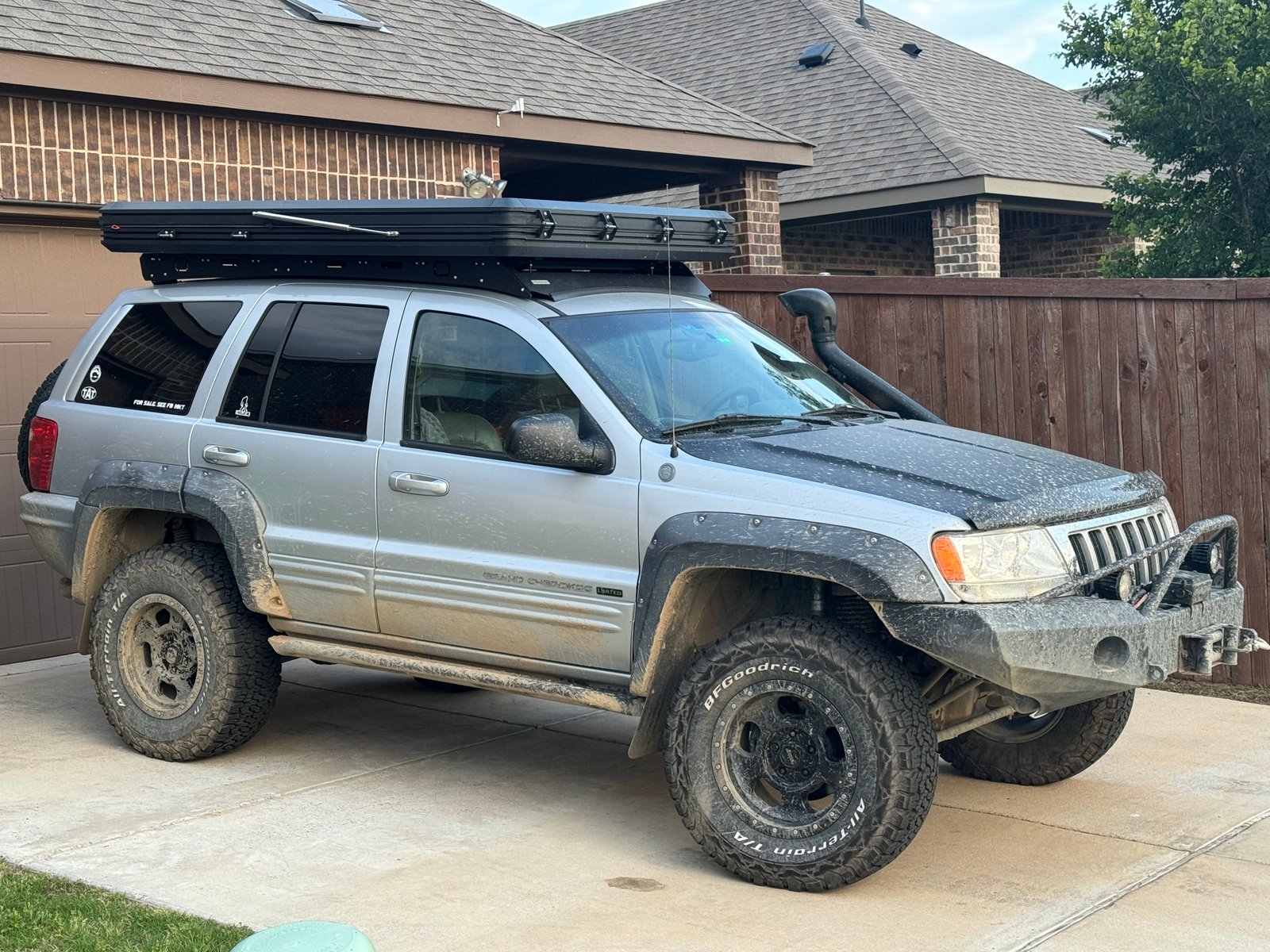
- Pioneer Platform: Rhino-Rack’s flagship product is their modular Pioneer Platform, which attaches to their cross bars (like the Vortex bars). This platform offers incredible versatility for mounting almost any type of gear.
- Vortex Bars: Their standard cross bars, available in aero and traditional profiles, known for strength and durability.
- Compatibility: They offer specific RVP (Raised Ventrail Pods) or Legs for various Grand Cherokee roof rail types.
4. Whispbar (by Yakima)
Whispbar focuses heavily on aerodynamic and quiet performance, often integrating the bars and towers for a cleaner look.
- Through Bars / Flush Bars: Offer sleek designs that minimize wind noise.
- Compatibility: Requires specific vehicle fit kits.
5. Curt
Curt offers a range of towing and cargo solutions, including roof racks. They are often a more budget-friendly option.
- Aero Crossbars: Their aerodynamic offering, designed to reduce noise.
- Base Bars: More traditional square or round bars.
- Compatibility: Often uses a clamp-style or foot-pack system that requires specific adapters for different roof types.
Installing Cross Bars On Your Jeep Grand Cherokee
Installation can range from very simple to moderately complex, depending on the system and your Grand Cherokee’s roof. Always refer to the manufacturer’s instructions specific to your chosen rack and vehicle.
General Steps For Raised Side Rails
- Identify Parts: Lay out all the components: cross bars, towers/feet, fit kit parts, and any tools provided.
- Attach Towers to Bars: If the towers are separate from the bars, attach them according to the instructions. This often involves sliding them into a T-slot or clamping them on.
- Position Towers on Rails: Place the towers onto your Grand Cherokee’s raised side rails. Many systems have markings or adjustable positions to ensure they are evenly spaced and centered.
- Secure Towers: Use the provided hardware (screws, bolts, clamps) to tighten the towers onto the raised rails. Ensure they are snug but don’t overtighten, which could damage the rails.
- Install Cross Bars: If the bars are separate, attach them to the towers.
- Tighten and Test: Once everything is in place, tighten all fasteners securely. Gently push and pull on the bars to ensure they are stable.
- Add Locks: If your system has locks, install them now.
General Steps For Flush Side Rails
Flush rails require a slightly different approach as there’s no gap to clamp into.
- Identify Mounting Points: Locate the specific mounting points on your Grand Cherokee’s flush rails. These are often under small covers or are pre-defined slots.
- Attach Fit Kit to Towers: The fit kit will typically include specific pads and clamps designed to grip the flush rail or engage with the mounting points. Attach these to the towers.
- Mount Towers to Roof: Place the towers onto the roof, aligning the fit kit components with the mounting points.
- Secure Towers: Use the provided tools to tighten the towers. This might involve screwing into the mounting points or using a specific clamp mechanism.
- Attach Cross Bars: Mount the cross bars to the towers.
- Tighten and Test: Ensure all connections are secure and the bars are stable.
- Add Locks: Install any security locks.
Pro Tip: Measure Twice, Install Once
Before you fully tighten any bolts, measure the distance between the cross bars. This is crucial for ensuring your accessories (like bike racks or cargo boxes) will fit correctly. Many accessories have minimum and maximum spacing requirements. Aim for a spacing that suits your most commonly carried gear, or adjust it as needed.
Accessories To Complement Your Cross Bars
Once your cross bars are installed, you can start adding accessories to carry your gear. The possibilities are vast, allowing you to customize your Grand Cherokee for any adventure.



















