As the weather turns cold, the idea of stepping out into the biting wind just to start your car can be a real drag.
Imagine this: you're cozy inside, sipping hot coffee, and with just a press of a button on your key fob, your Jeep Grand Cherokee warms up, its windows clear of frost, ready for you. This is the magic of a Jeep Grand Cherokee remote car starter.
It’s not just a luxury; for many, it’s a significant upgrade in comfort and convenience, especially during those harsh winter months.
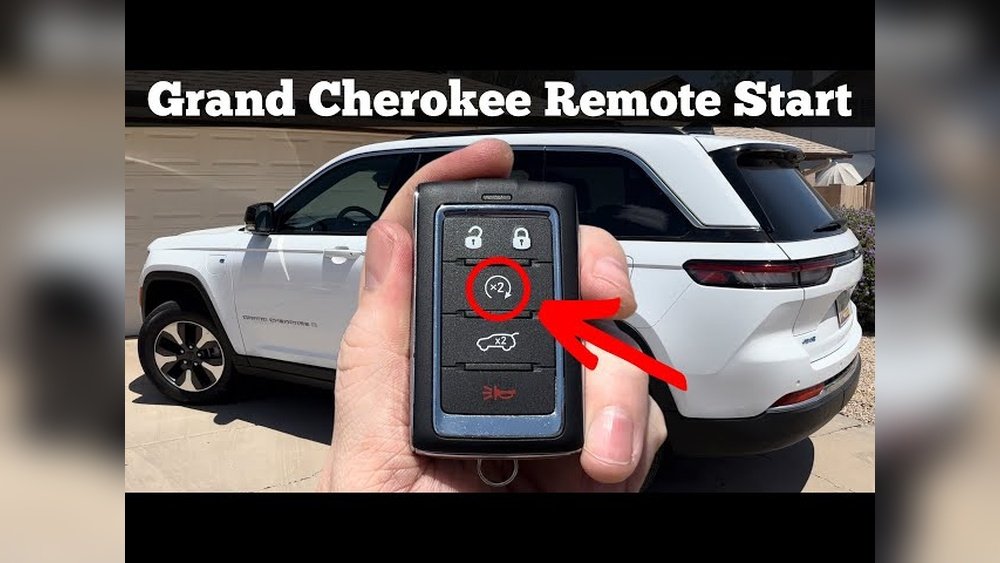
But what exactly is a remote car starter for your Jeep Grand Cherokee? How does it work?
And what should you consider before getting one installed? This guide will walk you through everything you need to know about adding this fantastic feature to your vehicle, making your driving experience smoother and more comfortable.
Understanding Remote Car Starters For Your Jeep Grand Cherokee
A remote car starter is a device that allows you to start your Jeep Grand Cherokee’s engine from a distance, typically using a key fob or a smartphone app. Once activated, the engine runs for a pre-set amount of time, allowing the cabin to heat up (or cool down in summer) and defrost windows before you even get behind the wheel.
The core components of a remote start system include:
- Key Fob Transmitter: This is the device you use to send the start signal. Most factory-installed systems use the original vehicle key fob with an added button function, while aftermarket systems come with their own dedicated fobs.
- Receiver Module: Installed in your vehicle, this module picks up the signal from the transmitter.
- Engine Control Unit (ECU) Interface: The receiver module communicates with your Jeep’s ECU to initiate the starting sequence.
- Bypass Module: This is crucial. It tells your Jeep’s security system (like the immobilizer) that the remote start is authorized, preventing it from thinking it’s being stolen and disabling the engine.
When you press the start button on your fob, the transmitter sends a coded radio frequency signal. The receiver in your Jeep decodes this signal.
If it's recognized, the bypass module is activated, and the receiver module then sends commands to the Jeep's starter motor and ignition system to start the engine.
The engine will typically run for a set duration, often 10, 15, or 20 minutes, before shutting off automatically if you don’t get in and put the key in the ignition.
Factory-installed Vs. Aftermarket Remote Starters
When it comes to remote car starters for your Jeep Grand Cherokee, you have two main paths: factory-installed (often called OEM, Original Equipment Manufacturer) or aftermarket. Each has its pros and cons.
Factory-installed (oem) Remote Starters
Many newer Jeep Grand Cherokees come with a remote start feature already built into the vehicle. This is usually activated by pressing the lock button on your key fob three times in quick succession.
Pros:
- Seamless Integration: Designed specifically for your Jeep, it works perfectly with your vehicle’s existing electrical system and security features.
- Warranty: Using an OEM system generally won’t void your vehicle’s warranty.
- Simplicity: Often very easy to use, integrated directly into your existing key fob.
- Reliability: Built to the manufacturer’s standards, offering good reliability.
Cons:
- Limited Range: The range of the factory key fob is typically quite limited, usually only a few hundred feet. You need to be relatively close to your vehicle to start it.
- Cost: If your Grand Cherokee didn’t come with it from the factory, adding an OEM system later can be expensive, often requiring dealer installation.
- Fewer Features: OEM systems usually offer basic start/stop functionality and sometimes trunk release. They rarely include advanced features like extended range, smartphone control, or security alerts.
Aftermarket Remote Starters
These systems are made by third-party companies and can be installed in almost any vehicle, including those without a factory option. They range from basic, single-function units to highly advanced systems with multiple features.
Pros:
- Extended Range: Many aftermarket systems offer significantly longer range than OEM systems, sometimes up to a mile or more, especially with smartphone control.
- More Features: You can often choose systems with features like:
- Smartphone Control: Start, stop, lock, unlock, and even track your vehicle via an app on your phone.
- 2-Way Paging: The system alerts you on your fob or phone when the vehicle has started or if a security event occurs.
- Remote Window Control: Some systems can be programmed to lower or raise windows remotely.
- Smart Features: Like temperature-based start or battery voltage monitoring.
- Cost-Effective Options: While high-end systems can be pricey, there are often more affordable basic aftermarket options compared to dealer-installed OEM systems.
- Professional Installation: Reputable installers can ensure a clean and reliable installation.
Cons:
- Potential Warranty Issues: Installing an aftermarket system *could* potentially affect your vehicle’s warranty, especially if it interferes with the factory electronics. It’s wise to discuss this with your installer and dealership.
- Complexity: Installation can be complex, requiring knowledge of your Jeep’s wiring. Professional installation is highly recommended.
- Compatibility: Ensuring the system is fully compatible with your specific Grand Cherokee model and year is crucial.
- Multiple Fobs: Some systems require carrying an extra key fob, though many can be integrated with your original fob or controlled via smartphone.
Choosing Between Them:
If your Grand Cherokee already has the OEM remote start function, you might be happy with its limited range and basic features. If you desire more control, longer range, or advanced features, an aftermarket system is likely the way to go.
Always research reputable brands and installers for aftermarket options.
Key Features To Consider In A Remote Car Starter
When looking for a remote car starter for your Jeep Grand Cherokee, think beyond just the “start” button. Modern systems offer a range of features that can significantly enhance your ownership experience. Here are some of the most important ones to consider:
1. Range
This is perhaps the most significant difference between factory and many aftermarket systems.
- Factory OEM: Typically offers a range of 100-300 feet. Enough to start your car from your front door on a cold morning, but not much further.
- Aftermarket (RF): Standard aftermarket key fobs usually offer better range than OEM, often 500-1000 feet, sometimes more.
- Aftermarket (Smartphone): This offers the longest range, essentially unlimited as long as your phone has a cellular or internet connection. You can start your Jeep from miles away, at work, or even while on vacation.
Pro Tip: Consider where you’ll most often use the remote start. If it’s just from your house to the driveway, factory range might suffice. If you park in a large lot or want to start your car before leaving a restaurant miles away, extended range or smartphone control is essential.
2. Smartphone Integration (app Control)
This is a major upgrade for many users. A smartphone-based remote start system connects your Jeep to a cellular network, allowing you to control it via a dedicated app on your smartphone (iOS or Android).
Features often include:
- Remote start and stop
- Lock/unlock doors
- Check vehicle status (e.g., if it’s running, doors locked)
- Location tracking (GPS)
- Valet mode
- Notifications (e.g., engine running time, security alerts)
This feature is incredibly convenient, especially if you don’t want to carry an extra fob or if the standard fob’s range is insufficient. However, these systems often come with an annual or monthly subscription fee after the first year or two.
3. 2-way Communication
This feature provides confirmation that your remote start command was received and executed.
- 1-Way System: Your key fob sends a signal, but you don’t get any confirmation back. You press the button and hope it worked.
- 2-Way System: When you send the command, the receiver in your Jeep acknowledges it. The key fob will then beep, flash lights, or display a message confirming the engine has started. Some advanced 2-way systems even alert you if the engine shuts off unexpectedly.
This is particularly useful in areas with a lot of radio interference or when you’re at the edge of the system’s range.
4. Engine Run Time & Control
- Preset Run Times: Most systems allow you to set how long the engine runs (e.g., 10, 15, 20 minutes) before shutting off automatically.
- Runtime Adjustment: Some advanced systems let you adjust the runtime remotely.
- Smart Start: Some systems can be programmed to start automatically if the temperature drops below a certain point or if the vehicle’s battery voltage gets too low.
5. Security Features
While remote starters are designed to integrate with your Jeep’s security, some aftermarket systems offer additional security layers:
- Starter Interrupt: If the system detects an unauthorized entry attempt, it can prevent the engine from being started remotely or even shut it off if it’s running.
- Horn Honking: The vehicle’s horn can be programmed to honk if an unauthorized start is attempted.
- Security Alerts: Via 2-way paging or smartphone app, you can be notified of any security breaches.
6. Integration With Existing Systems
- Keyless Entry: Most systems can be programmed to retain your Jeep’s factory keyless entry functions.
- Alarm System: Advanced systems can integrate with your Jeep’s factory alarm, arming it when the remote start is engaged.
- Hybrid/Diesel Compatibility: Ensure the system is compatible with your specific engine type (gas, diesel, hybrid).
7. Installation Complexity And Bypass Modules
This is critical for aftermarket systems. A proper bypass module is essential for integrating the remote start with your Jeep's immobilizer and anti-theft systems.
Without the correct bypass, the engine will start but immediately shut off.
- Data Bypass Modules: These are the most advanced and reliable. They communicate directly with your Jeep’s computer system using digital data, offering a cleaner and more robust installation. Brands like iDatalink and Fortin specialize in these.
- Universal Bypass Modules: These are more generic and might require more wiring.
Example: When installing a remote starter on a 2018 Jeep Grand Cherokee, you’ll likely need a specific data bypass module that communicates with the vehicle’s CAN bus system to handle the immobilizer and key sense signals without needing to physically install a spare key in the vehicle.
Installing A Remote Car Starter In Your Jeep Grand Cherokee
The installation process for a remote car starter, especially an aftermarket one, is a crucial step. A botched installation can lead to electrical issues, security vulnerabilities, or simply a system that doesn’t work correctly.
Professional Installation Vs. Diy
For the vast majority of Jeep Grand Cherokee owners, professional installation is strongly recommended. Here’s why:
- Complexity of Modern Vehicles: Jeeps, like most modern cars, have complex electrical systems, including CAN bus networks, integrated computers, and sophisticated security features. Incorrectly tapping into these wires can cause significant damage.
- Bypass Module Integration: Correctly programming and wiring the bypass module to work seamlessly with your Jeep’s immobilizer is essential. This often requires specialized tools and knowledge.
- Wiring Harnesses: Many aftermarket remote start systems come with extensive wiring harnesses. Identifying the correct wires in your Jeep’s fuse box, steering column, and dashboard requires detailed wiring diagrams specific to your model year.
- Warranty Concerns: While professional installers offer their own labor warranties, a DIY installation could potentially void your vehicle’s manufacturer warranty if mistakes are made.
- Time Savings: A professional installer can typically complete the job in a few hours, whereas a DIY attempt could take days, especially for beginners.
Finding A Reputable Installer
If you opt for professional installation, look for:
- Specialized Car Audio/Security Shops: These businesses often have technicians experienced with remote start installations.
- Installer Certifications: Look for certifications from organizations like MECP (Mobile Electronics Certified Professional).
- Reviews and Reputation: Check online reviews (Google, Yelp) and ask for recommendations from friends or car forums.
- Warranty on Labor: Ensure the installer offers a warranty on their work.
Diy Installation (for The Experienced)
If you are an experienced car electronics installer with a deep understanding of automotive wiring and diagnostics, a DIY installation might be feasible. You will need:
- The Correct Remote Start System: Ensure it’s compatible with your specific Jeep Grand Cherokee model year.
- A Compatible Bypass Module: This is non-negotiable for most modern vehicles.
- Wiring Diagrams: Obtain accurate wiring diagrams for your Jeep Grand Cherokee.
- Tools: Wire strippers, crimpers, soldering iron, multimeter, electrical tape, zip ties, trim removal tools.
- Time and Patience: This is not a quick project.
Warning: Attempting a DIY installation without the necessary expertise can lead to expensive repairs, void your vehicle warranty, and compromise your vehicle’s security.
What To Expect During Installation
A professional installation typically involves:
- Vehicle Assessment: The installer will confirm the exact model year and trim of your Grand Cherokee to ensure system compatibility and identify the correct bypass module.
- Wiring: The installer will access your Jeep’s wiring harness (usually under the dashboard and steering column) and connect the remote start and bypass modules. This involves carefully stripping wires, making secure connections (crimping or soldering), and insulating them properly.
- Module Programming: The bypass module needs to be programmed to communicate with your Jeep’s immobilizer system. This often involves a sequence of key turns and button presses or connecting to a computer.
- Remote Fob/App Setup: The new remote fobs (if applicable) are programmed to the system, or the smartphone app is configured and linked to your vehicle.
- Testing: The installer will thoroughly test all functions: remote start, stop, lock, unlock, trunk release (if applicable), and any other features. They’ll also check for any warning lights or error codes.
- Clean-Up: Wires are neatly bundled and secured with zip ties, and dashboard panels are reinstalled.
Post-installation Checks
After installation, take a moment to:
- Test Range: Stand at various distances and confirm the remote start works.
- Verify Features: Ensure all advertised features function as expected.
- Check for Warning Lights: Make



















