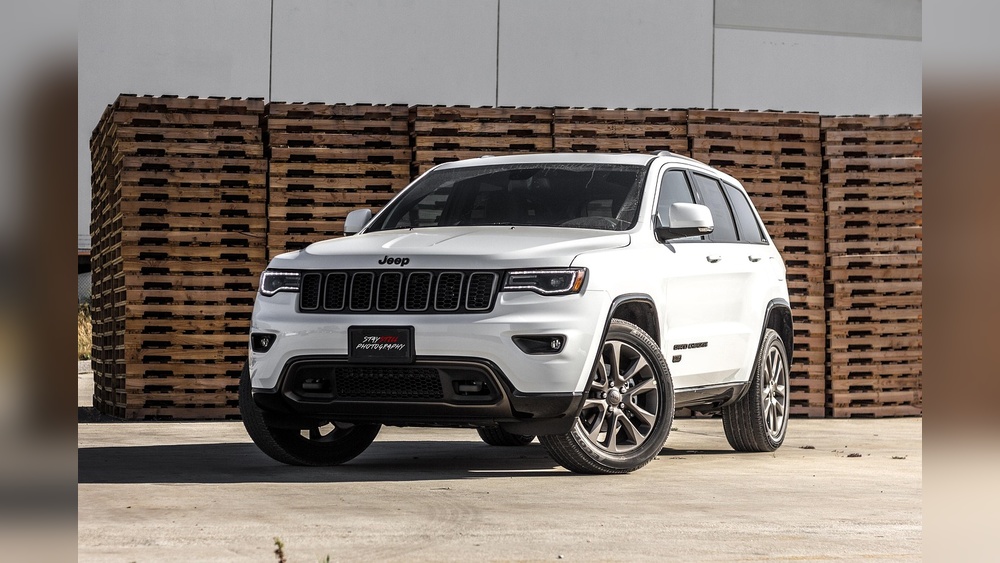
Removing the radiator from your Jeep Grand Cherokee may seem challenging, but with the right steps, you can do it in your own garage. Many owners choose to take on this job to save on labor costs and learn more about their vehicle’s cooling system.
Whether you’re replacing a leaking radiator or upgrading for better performance, understanding the process is essential for a safe and successful repair.
Why Remove The Radiator?
The radiator is a key part of your Jeep’s cooling system. It helps keep the engine at the right temperature. Over time, radiators can develop leaks, become clogged, or corrode, leading to engine overheating. Replacing a faulty radiator early can prevent major engine damage, which can cost thousands of dollars.
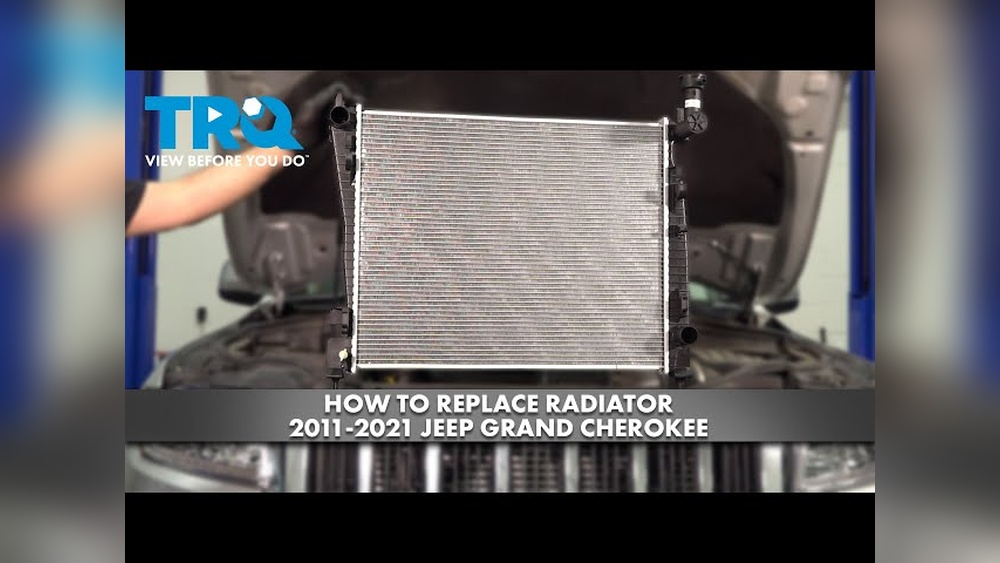
Common reasons for radiator removal include:
- Coolant leaks under the vehicle
- Engine overheating warnings
- Visible corrosion or damage
- Routine maintenance or upgrades
Tools And Parts You’ll Need
Before starting, gather these tools and supplies:
- Socket and wrench set
- Flathead and Phillips screwdrivers
- Needle-nose pliers
- Drain pan (for coolant)
- Replacement radiator (compatible with your Grand Cherokee)
- Coolant (check your owner’s manual for type)
- Safety gloves and glasses
- Zip ties or tape (for securing hoses)
Having everything ready will save time and reduce stress during the process.
Preparation Steps
- Park on a Level Surface: Make sure your Jeep is parked on flat ground. Engage the parking brake.
- Cool Down Completely: Never work on a hot engine. Wait at least 30 minutes after turning off your Jeep.
- Disconnect the Battery: Remove the negative terminal to avoid electrical shorts.
- Protect the Area: Place a drain pan under the radiator. Wear gloves and safety glasses.
Step-by-step Radiator Removal
Follow these steps to remove the radiator safely:
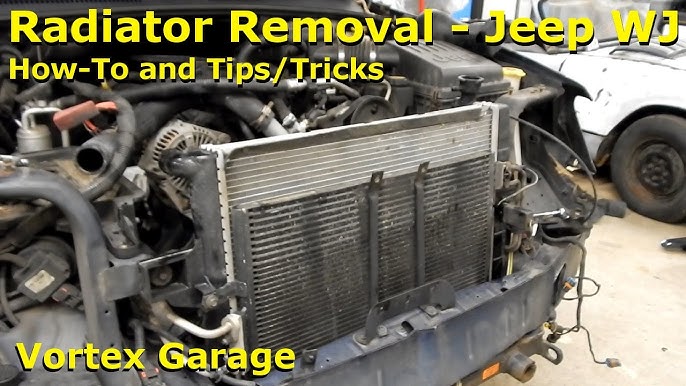
- Drain the Coolant:
- Open the radiator cap slowly to release pressure.
- Locate the drain plug at the bottom of the radiator. Loosen it and let the coolant flow into your pan.
- Remove the Fan Shroud:
- Unbolt the plastic shroud from the radiator.
- Lift it out carefully—some models require you to disconnect the fan first.
- Disconnect Hoses and Transmission Lines:
- Use pliers to remove the clamps on the upper and lower radiator hoses. Wiggle the hoses free.
- For automatic models, disconnect the transmission cooler lines with a wrench. Plug them to prevent leaks.
- Unplug Sensors and Wiring:
- Detach any electrical connectors or temperature sensors attached to the radiator.
- Remove Mounting Bolts:
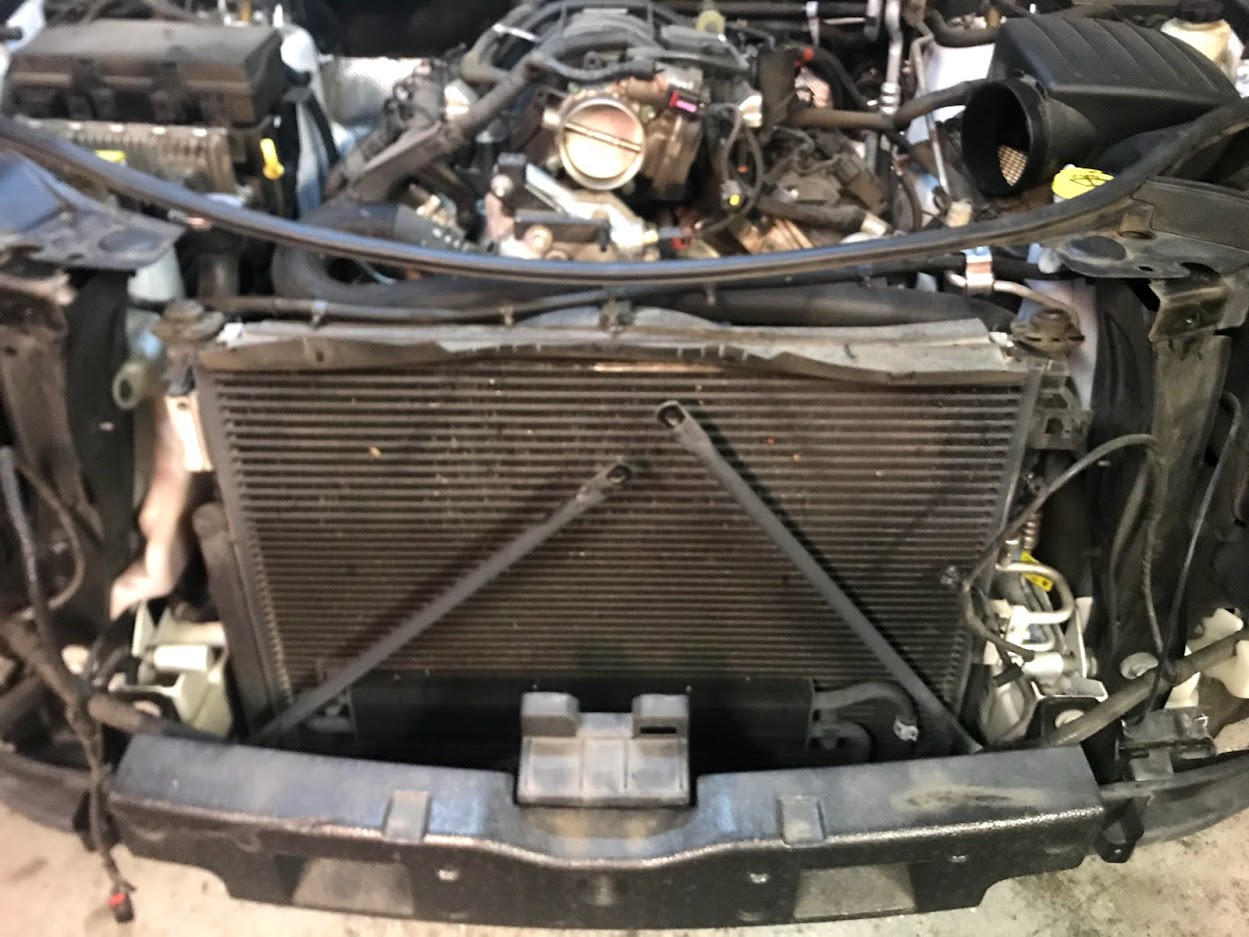
- Locate and remove the bolts holding the radiator to the core support.
- Lift Out the Radiator:
- Carefully lift the radiator straight up and out. Avoid spilling remaining coolant or damaging fins.
Here’s a quick comparison of radiator mounting differences between popular Grand Cherokee model years:
| Model Year | Mounting Points | Transmission Line Connections |
|---|---|---|
| 1999-2004 | Top & Bottom Brackets | Quick-Disconnect Fittings |
| 2005-2010 | Side Brackets | Threaded Fittings |
| 2011-2026 | Side & Bottom Brackets | Plastic Clip Fittings |
Understanding your model year helps you prepare for unique steps.
Practical Tips For A Smooth Removal
- Mark Hoses and Connectors: Use tape to label hoses so you remember where they go during reassembly.
- Check for Hidden Bolts: Some radiators have bolts hidden by the fan or grille.
- Inspect Mounts: Old rubber mounts can crack. Replace them if needed to prevent vibrations.
Beginners sometimes forget to drain the coolant fully, which can cause messy spills. Also, many overlook small sensors attached to the radiator—missing these can break wires.
Common Mistakes To Avoid
- Working on a Hot Engine: This can cause burns from hot coolant or steam.
- Forcing Connections: Never force hoses or bolts. If something is stuck, double-check for missed fasteners.
- Mixing Old and New Coolant: Always use fresh coolant to avoid contamination.
- Not Checking Transmission Lines: For automatic models, leaving lines loose can cause transmission fluid leaks.
Reinstalling The Radiator
After removing the radiator, installation is the reverse of removal. Here’s what to focus on:
- Position the New Radiator: Slide it into place without damaging the fins.
- Reconnect Hoses and Lines: Secure all clamps and fittings tightly.
- Reattach Sensors: Plug in all connectors.
- Install the Fan Shroud: Bolt it back in place.
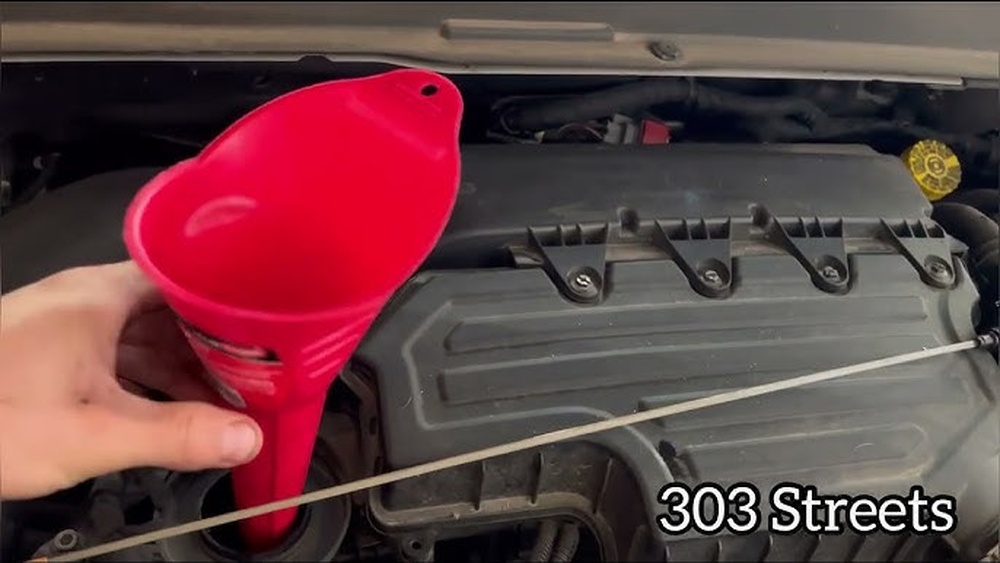
- Fill with New Coolant: Use a funnel to add coolant to the correct level.
- Bleed the System: Start the engine, turn on the heater, and let it run to remove air bubbles. Top off coolant as needed.
Here’s a simple comparison of coolant capacities for common Grand Cherokee engines:
| Engine Type | Coolant Capacity (quarts) | Coolant Type |
|---|---|---|
| 3.6L V6 | 14.0 | HOAT (Purple) |
| 5.7L V8 | 16.0 | OAT (Orange) |
| 6.4L V8 | 16.5 | OAT (Orange) |
Always check your owner’s manual for the exact amount and type.
When To Ask For Professional Help
If you notice severe corrosion, broken fittings, or you’re not confident with the steps, it’s wise to get help from a certified mechanic. Mistakes during installation can lead to costly engine damage.
Final Thoughts
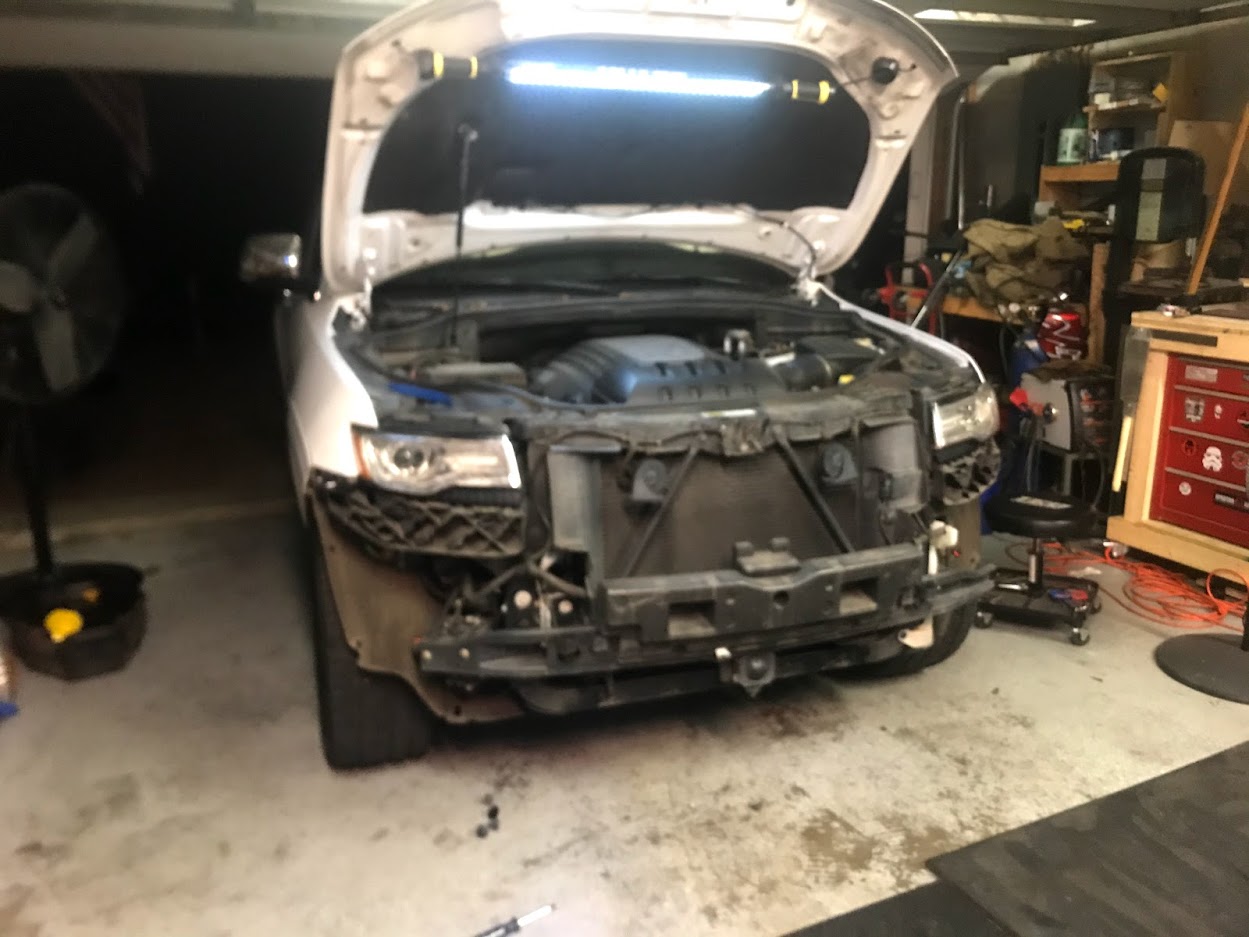
Removing a radiator from your Jeep Grand Cherokee is a doable job with patience and the right tools. By following the steps, labeling parts, and avoiding common mistakes, you can complete the task and keep your engine running cool. If you ever feel unsure, don’t hesitate to consult a mechanic or reference trusted resources like the official Jeep maintenance guide.
Frequently Asked Questions
<!– wp:rank-math/faq-block {"questions":[{"id":"faq-question-95d8415e6ce1","title":"How Long Does It Take To Remove A Jeep Grand Cherokee Radiator?","content":"It usually takes 2-3 hours for a first-time DIYer. Experienced mechanics may finish in about an hour.
“,”visible”:true},{“id”:”faq-question-c4dd80058322″,”title”:”Do I Need To Replace The Radiator Hoses?”,”content”:”If the hoses are cracked or swollen, replace them during radiator removal. Old hoses can fail soon after.
“,”visible”:true},{“id”:”faq-question-25a8d3819ee5″,”title”:”What Coolant Should I Use After Installing The New Radiator?”,”content”:”Always use the coolant type recommended in your owner’s manual. Mixing types can damage the cooling system.
“,”visible”:true},{“id”:”faq-question-347130c5c94d”,”title”:”Can I Drive My Jeep Without A Radiator?”,”content”:”No. Driving without a radiator will cause rapid engine overheating and severe damage.
“,”visible”:true},{“id”:”faq-question-f14c7f155963″,”title”:”How Do I Know If My Radiator Is Bad?”,”content”:”Common signs include coolant leaks, overheating, sludge in the coolant, or low coolant warnings. If you see any, inspect the radiator right away.
“,”visible”:true}]} –>How Long Does It Take To Remove A Jeep Grand Cherokee Radiator?
It usually takes 2-3 hours for a first-time DIYer. Experienced mechanics may finish in about an hour.
Do I Need To Replace The Radiator Hoses?
If the hoses are cracked or swollen, replace them during radiator removal. Old hoses can fail soon after.
What Coolant Should I Use After Installing The New Radiator?
Always use the coolant type recommended in your owner’s manual. Mixing types can damage the cooling system.
Can I Drive My Jeep Without A Radiator?
No. Driving without a radiator will cause rapid engine overheating and severe damage.
How Do I Know If My Radiator Is Bad?
Common signs include coolant leaks, overheating, sludge in the coolant, or low coolant warnings. If you see any, inspect the radiator right away.