The Jeep Cherokee XJ is a classic SUV known for its durability and off-road performance. Owners appreciate its simple mechanics, but one thing that often creates confusion is the oil capacity.
Using the right amount and type of oil is essential for engine health, fuel efficiency, and long-term reliability. This guide breaks down everything you need to know about oil capacity for the Jeep Cherokee XJ, including practical tips, common mistakes, and helpful tables for quick reference.
Jeep Cherokee Xj Engine Oil Capacity Basics
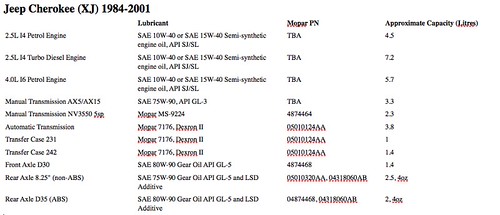
The oil capacity of your Jeep Cherokee XJ depends mainly on the engine type and model year. Most XJ Cherokees in the U.S. came with two main engine options: the 4.0L inline-6 and the 2.5L inline-4. Each has a different oil requirement.
Standard Oil Capacity By Engine
Here’s a quick look at the factory-stated oil capacities with filter change:
| Engine | Model Years | Oil Capacity (with filter) |
|---|---|---|
| 4.0L Inline-6 | 1987–2001 | 6 quarts (5.7 liters) |
| 2.5L Inline-4 | 1984–2000 | 4 quarts (3.8 liters) |
Most XJ owners have the 4. 0L engine, but always confirm your engine type before adding oil.
Why Oil Capacity Matters
Using too little or too much oil can both harm your engine. Too little oil may cause insufficient lubrication, leading to overheating and wear. Too much oil creates foam, which reduces oil pressure and can damage seals.
A common beginner mistake is adding oil based on guesswork. Always check the owner’s manual or the oil fill cap for your specific engine’s capacity. If you’re unsure, start with a smaller amount, run the engine, then check the dipstick before topping off.
How To Check And Add Oil Correctly
Maintaining the proper oil level is simple but requires care. Follow these steps for best results:
- Warm up the engine for a few minutes, then turn it off and wait 5 minutes for oil to settle.
- Pull out the dipstick, wipe it clean, reinsert, and pull out again to check the level.
- If the oil is below the “full” mark, add oil gradually—about half a quart at a time.
- Recheck the dipstick after each addition to avoid overfilling.
Example: 4.0l Inline-6 Oil Change
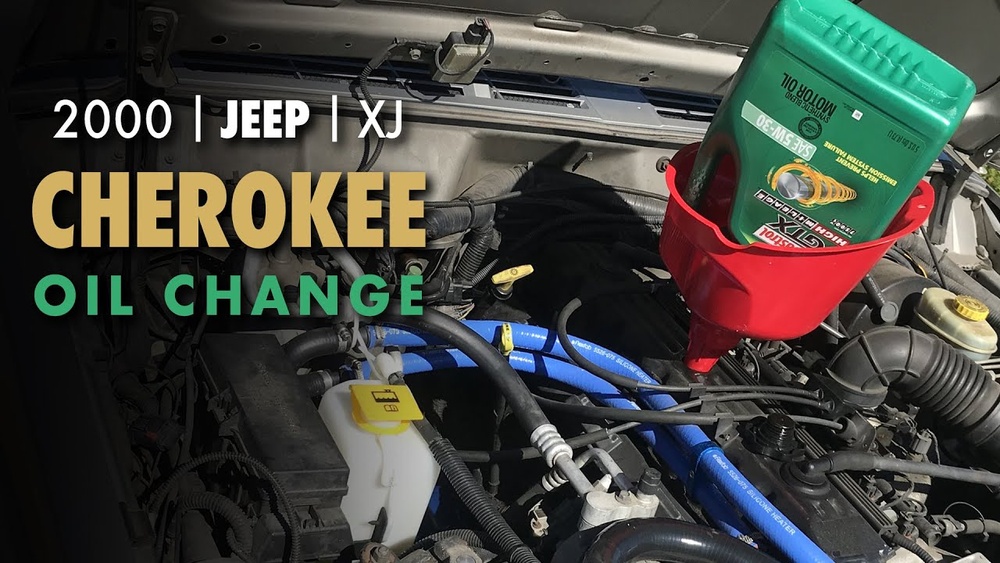
Suppose you’re changing the oil and filter on a 1998 Jeep Cherokee XJ (4.0L). You’ll need:
- 6 quarts of 10W-30 or 5W-30 (check your climate and manual)
- A new oil filter
- A drain pan and wrench
Always pour in about 5. 5 quarts first, then check the dipstick. Add the rest slowly as needed.
Oil Viscosity And Type Recommendations
Choosing the correct oil viscosity ensures proper lubrication. Jeep recommended different weights for different climates. Here’s a reference:
| Ambient Temperature | Recommended Viscosity |
|---|---|
| -20°F to 100°F+ | 10W-30 |
| Below 32°F | 5W-30 |
| Above 90°F | 10W-40 (optional for high-mile engines) |
Synthetic oils can offer better protection, especially in extreme temperatures or for older engines. However, the XJ’s engine was designed for conventional oil, so synthetic is optional.
Practical Tips For Oil Changes
- Always replace the oil filter with every oil change. A clogged filter reduces oil flow.
- Check for oil leaks after filling. Common leak points are the oil pan gasket and rear main seal.
- Use a funnel to prevent spills, especially in the tight engine bay of the XJ.
- After filling, run the engine for 2-3 minutes, check for leaks, then recheck the oil level.
If you often drive in dusty or off-road conditions, change your oil more frequently—every 3,000 miles is a safe bet.
Common Mistakes With Oil Capacity
- Overfilling: Too much oil can damage seals and reduce performance.
- Underfilling: Not enough oil leads to increased wear and possible engine failure.
- Wrong oil type: Using the wrong viscosity can cause poor lubrication, especially in cold or hot climates.
- Ignoring leaks: Even small leaks add up and can leave you low on oil quickly.
- Not changing the filter: Old filters can restrict oil flow.
One detail many beginners miss: the oil filter holds some oil, so when you change the filter, the capacity needed is slightly higher than just draining the pan.
Oil Change Intervals For Jeep Cherokee Xj
Most manuals suggest changing oil every 3,000 to 5,000 miles or every 3-6 months, whichever comes first. If you use synthetic oil, you might stretch this to 7,500 miles, but always check the oil level between changes.
Environmental conditions matter. If you tow, idle often, or drive off-road, stick to the lower interval.
Oil Capacity Differences: Stock Vs. Aftermarket Oil Pans
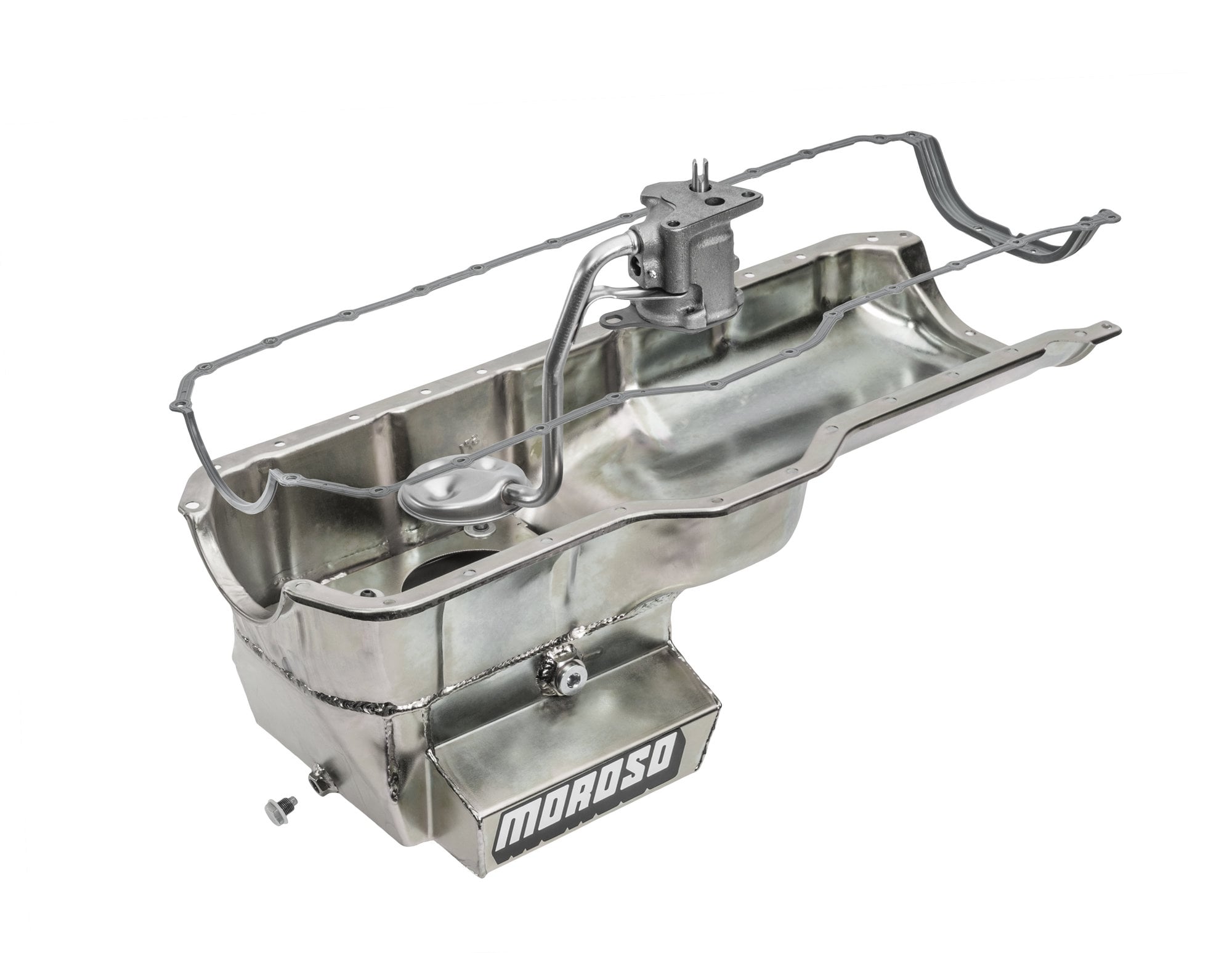
Some XJ owners install aftermarket oil pans for more capacity, especially for off-roading. Most stock pans hold the factory amount, but aftermarket pans can add half a quart to a full quart. Always check the specs if your pan isn’t stock.
| Oil Pan Type | Typical Capacity |
|---|---|
| Stock | 6 quarts (4.0L), 4 quarts (2.5L) |
| Aftermarket (deep sump) | Up to 7 quarts |
If you have an aftermarket pan, always use the dipstick as your main guide.
Wrapping Up
Knowing the exact Jeep Cherokee XJ oil capacity is simple but crucial. Most 4.0L engines need 6 quarts with a filter, and 2.5L engines take 4 quarts. Use the right viscosity for your climate, and always check the dipstick to confirm. Avoid common mistakes like overfilling or using the wrong oil, and remember to change your filter. These small steps keep your XJ running strong for years.
For more details, you can check the official Jeep Cherokee XJ Wikipedia page.
Frequently Asked Questions
<!– wp:rank-math/faq-block {"questions":[{"id":"faq-question-da0063d99b8e","title":"What Happens If I Overfill My Jeep Cherokee Xj With Oil?","content":"Too much oil can cause foam formation, leading to low oil pressure, seal leaks, and engine damage. Always fill gradually and check with the dipstick.
“,”visible”:true},{“id”:”faq-question-9e358fef1871″,”title”:”Can I Use Synthetic Oil In My Xj?”,”content”:”Yes, synthetic oil works well, especially for high-mileage engines or extreme temperatures. It’s not required but can offer better protection.
“,”visible”:true},{“id”:”faq-question-5b9dc201478a”,”title”:”How Do I Know If My Xj Has The 4.0l Or 2.5l Engine?”,”content”:”Check the VIN number or the label under the hood. The 4.0L is a straight-six; the 2.5L is a four-cylinder.
“,”visible”:true},{“id”:”faq-question-76d670123aff”,”title”:”How Often Should I Check My Oil Level?”,”content”:”Check the oil at least once a month or before long trips. This helps catch leaks or consumption issues early.
“,”visible”:true},{“id”:”faq-question-c4325cf190a3″,”title”:”Is It Okay To Mix Oil Brands Or Types?”,”content”:”While not ideal, mixing is safe in emergencies if the viscosity matches. For best results, stick with one brand and type per oil change.
“,”visible”:true}]} –>What Happens If I Overfill My Jeep Cherokee Xj With Oil?
Too much oil can cause foam formation, leading to low oil pressure, seal leaks, and engine damage. Always fill gradually and check with the dipstick.
Can I Use Synthetic Oil In My Xj?
Yes, synthetic oil works well, especially for high-mileage engines or extreme temperatures. It’s not required but can offer better protection.
How Do I Know If My Xj Has The 4.0l Or 2.5l Engine?
Check the VIN number or the label under the hood. The 4.0L is a straight-six; the 2.5L is a four-cylinder.
How Often Should I Check My Oil Level?
Check the oil at least once a month or before long trips. This helps catch leaks or consumption issues early.
Is It Okay To Mix Oil Brands Or Types?
While not ideal, mixing is safe in emergencies if the viscosity matches. For best results, stick with one brand and type per oil change.