A radiator leak in your Jeep Grand Cherokee can turn a smooth drive into a stressful experience. Engine overheating, puddles under your SUV, and rising repair bills are just a few of the problems you might face.
But a leak doesn’t always mean disaster. With some basic knowledge, you can spot the early signs, understand your repair options, and avoid costly mistakes.
Why Radiator Leaks Happen In The Jeep Grand Cherokee
The radiator is crucial for keeping your engine cool. In Jeep Grand Cherokees, leaks can develop for several reasons:
- Aging components — Over time, plastic parts and rubber hoses can crack or break.
- Corrosion — Rust can eat through metal, causing holes.
- Physical damage — Road debris or minor accidents can damage the radiator.
- Pressure buildup — Faulty caps or blocked passages can cause leaks by increasing pressure.
Many drivers overlook the fact that even a small leak can lead to overheating, which may result in engine damage.
Signs Of A Radiator Leak
Spotting a leak early can save you from major repairs. Here are the top signs to watch for:
- Coolant puddles under your car (usually green, orange, or pink fluid)
- Sweet smell from the engine area
- Temperature gauge rising above normal
- Steam coming from under the hood
Some leaks are slow and hard to notice. Check the coolant level regularly, especially before long trips.
Common Leak Locations
Knowing where leaks usually occur can help you diagnose problems faster. In the Jeep Grand Cherokee, leaks tend to happen at:
- Radiator seams (where the plastic tank meets the aluminum core)
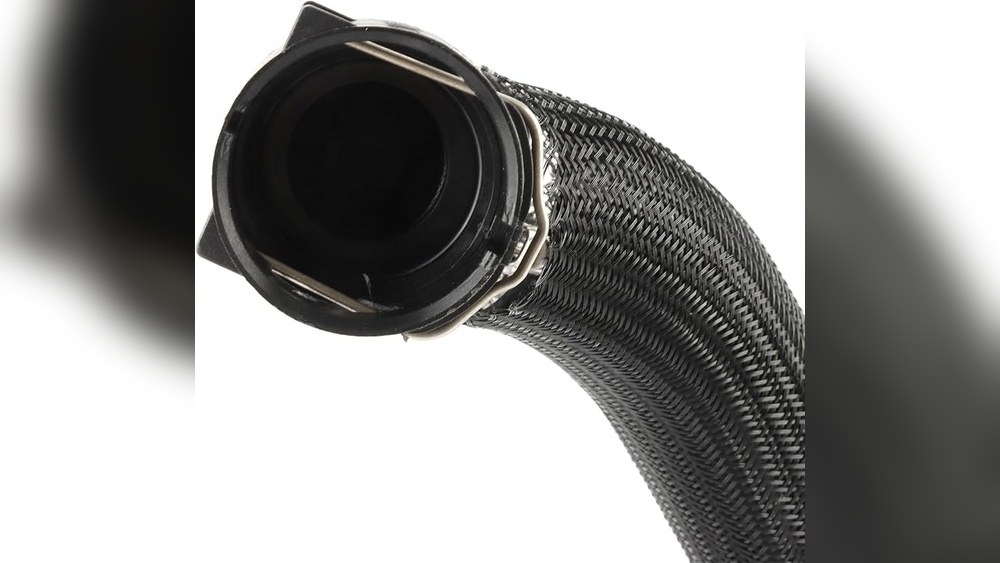
- Hoses and connections (especially at clamps)
- Radiator cap (if it fails to seal properly)
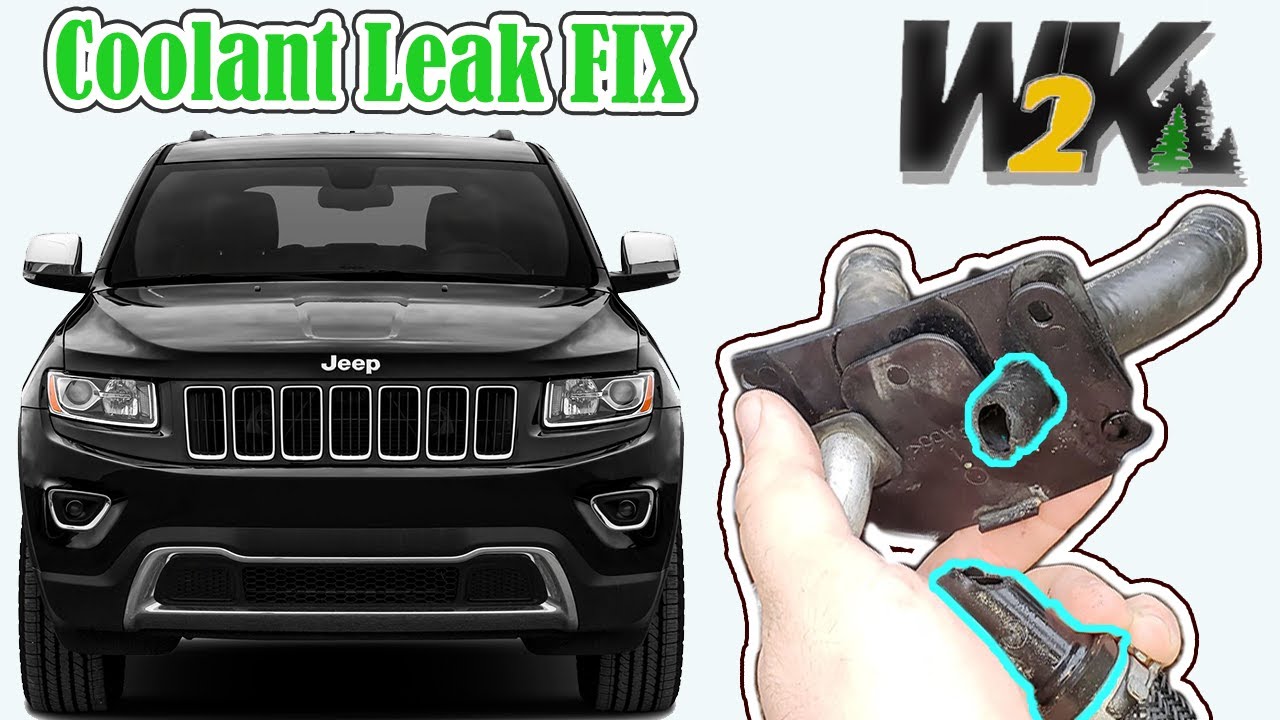
- Heater core (less common, but possible)
Here’s a quick comparison of where leaks are most likely:
| Component | Leak Likelihood | Typical Repair Cost |
|---|---|---|
| Radiator seams | High | $400–$900 |
| Hoses/clamps | Medium | $80–$200 |
| Radiator cap | Medium | $10–$40 |
| Heater core | Low | $500–$1200 |
How To Confirm A Radiator Leak
While puddles and steam give clues, you should confirm the leak’s source before any repair. Here’s how:
- Check coolant level — Make sure the engine is cool, then open the radiator cap to inspect.
- Inspect hoses and seams — Use a flashlight to look for wet or crusty spots.
- Pressure test — A mechanic can pressurize the system to force leaks to appear.
- UV dye test — Special dye helps find tiny leaks invisible to the eye.
A common mistake is assuming any coolant loss is a radiator leak. Sometimes, it’s a hose, water pump, or even a head gasket.
Repair Options And Costs
Once you find the leak, you have several options. Here’s how they compare:
| Repair Method | Best For | Estimated Cost | DIY Friendly? |
|---|---|---|---|
| Sealant Additive | Very small leaks | $10–$20 | Yes |
| Hose Replacement | Leaking hoses | $80–$200 | Yes |
| Radiator Repair | Minor cracks/holes | $100–$250 | No |
| Radiator Replacement | Major/seam leaks | $400–$900 | No |
DIY fixes like sealants can help in emergencies, but they are not a long-term solution. For major leaks, professional repair or full replacement is the safest option.
Steps To Replace A Radiator
If you or a mechanic need to replace the radiator, here are the basic steps:
- Let the engine cool completely.
- Drain the coolant into a safe container.
- Remove any parts blocking access (fan, shroud, etc. ).
- Disconnect hoses and transmission lines.
- Unbolt and remove the old radiator.
- Install the new radiator, reconnect everything, and refill coolant.
- Bleed the system to remove air pockets.
Replacing the radiator can take 2–4 hours and is best done by a professional unless you have solid mechanical skills.
Preventing Future Radiator Leaks
Prevention is often cheaper than repair. Here’s how to protect your Jeep Grand Cherokee’s cooling system:
- Flush coolant every 2–3 years to prevent corrosion.
- Check hoses for cracks or softness at every oil change.
- Replace the radiator cap every 4–5 years.
- Watch the temperature gauge; don’t ignore overheating signs.
Many owners forget that coolant breaks down over time, losing its ability to prevent rust. Using the wrong coolant can also damage seals and gaskets.
When To Seek Professional Help
Some leaks are easy to fix, but others are signs of deeper problems. If you notice:
- Repeated overheating after repairs
- White smoke from the exhaust (could mean a head gasket issue)
- Milky oil (coolant mixing with engine oil)
You should visit a trusted mechanic immediately. Ignoring these signs may lead to engine failure, which is much more expensive than fixing a radiator.
Frequently Asked Questions
<!– wp:rank-math/faq-block {"questions":[{"id":"faq-question-1eff67a9cf51","title":"What Type Of Coolant Does A Jeep Grand Cherokee Use?","content":"Most Jeep Grand Cherokees use HOAT (Hybrid Organic Acid Technology) coolant, often colored orange or yellow. Always check your owner’s manual or the coolant cap label for the recommended type.
“,”visible”:true},{“id”:”faq-question-51763ad6bf22″,”title”:”Can I Drive With A Radiator Leak?”,”content”:”It’s risky. Small leaks may let you drive a short distance, but you could quickly overheat and damage the engine. It’s best to fix the problem before regular driving.
“,”visible”:true},{“id”:”faq-question-344220d8bfe3″,”title”:”How Long Does A Jeep Grand Cherokee Radiator Last?”,”content”:”On average, a radiator lasts 8–10 years. Factors like climate, maintenance, and driving style can change this. Frequent overheating or using the wrong coolant can shorten its life.
“,”visible”:true},{“id”:”faq-question-90ab329b5889″,”title”:”Is A Radiator Leak Covered Under Warranty?”,”content”:”It depends. Most new Jeep warranties cover radiator problems for the first 3 years or 36,000 miles. Extended warranties or third-party plans may have different rules. Check with your dealer for details.
“,”visible”:true},{“id”:”faq-question-f0daf2a5a562″,”title”:”Where Can I Find More Information On Cooling System Care?”,”content”:”You can learn more about vehicle cooling systems at the Wikipedia page on engine radiators.
Radiator leaks in a Jeep Grand Cherokee don’t have to ruin your day—or your wallet. With early detection, smart prevention, and proper repairs, you can keep your SUV running cool for years to come. Remember, a little attention now can save you from major repairs and headaches down the road.
“,”visible”:true}]} –>What Type Of Coolant Does A Jeep Grand Cherokee Use?
Most Jeep Grand Cherokees use HOAT (Hybrid Organic Acid Technology) coolant, often colored orange or yellow. Always check your owner’s manual or the coolant cap label for the recommended type.
Can I Drive With A Radiator Leak?
It’s risky. Small leaks may let you drive a short distance, but you could quickly overheat and damage the engine. It’s best to fix the problem before regular driving.
How Long Does A Jeep Grand Cherokee Radiator Last?
On average, a radiator lasts 8–10 years. Factors like climate, maintenance, and driving style can change this. Frequent overheating or using the wrong coolant can shorten its life.
Is A Radiator Leak Covered Under Warranty?
It depends. Most new Jeep warranties cover radiator problems for the first 3 years or 36,000 miles. Extended warranties or third-party plans may have different rules. Check with your dealer for details.
Where Can I Find More Information On Cooling System Care?
You can learn more about vehicle cooling systems at the Wikipedia page on engine radiators.
Radiator leaks in a Jeep Grand Cherokee don’t have to ruin your day—or your wallet. With early detection, smart prevention, and proper repairs, you can keep your SUV running cool for years to come. Remember, a little attention now can save you from major repairs and headaches down the road.