Understanding Jeep Grand Cherokee Radiator Fan Replacement
The cooling system in your Jeep Grand Cherokee is vital for keeping your engine running smoothly and preventing overheating. At the heart of this system is the radiator fan.
This fan pulls air through the radiator, especially when your vehicle is moving slowly or stopped, allowing the coolant to cool down.
If your radiator fan stops working, your engine can quickly overheat, leading to serious and expensive damage. Replacing a faulty radiator fan is a common maintenance task that many Jeep Grand Cherokee owners can tackle themselves with the right tools and guidance.
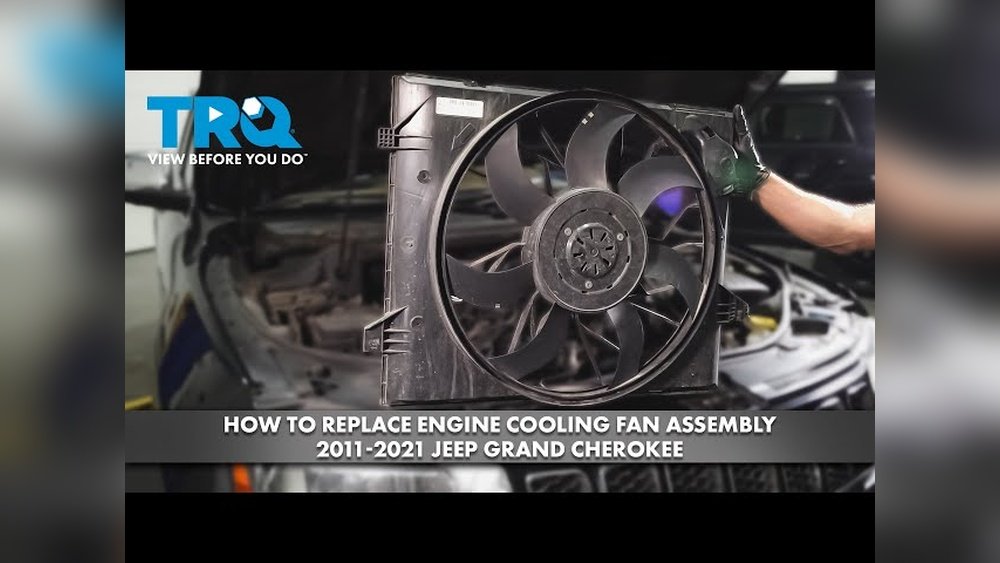
This guide will walk you through the entire process of replacing the radiator fan on your Jeep Grand Cherokee. We’ll cover how to identify a failing fan, the tools you’ll need, step-by-step instructions for removal and installation, and important safety precautions.
By understanding each step, you can confidently perform this repair, saving money and ensuring your Jeep stays cool on the road.
Why Your Jeep Grand Cherokee Radiator Fan Fails
Radiator fans are designed to last a long time, but like any mechanical part, they can wear out. Several factors can contribute to a fan failure. The most common culprit is the electric motor that powers the fan. These motors can burn out due to age, constant use, or electrical issues. Another common point of failure is the fan blades themselves. Over time, they can become brittle, crack, or even break off, especially if they hit debris.
The wiring and connectors are also crucial. Corroded connections or frayed wires can disrupt the electrical signal to the fan motor, preventing it from operating. In some cases, a faulty fan clutch (on older models with mechanical fans) can prevent the fan from spinning at the correct speed. Finally, overheating itself can sometimes damage the fan assembly, creating a cycle of problems. Understanding these potential failure points can help you diagnose the issue correctly.

Signs Of A Failing Radiator Fan
Recognizing the symptoms of a failing radiator fan is key to preventing engine damage. The most obvious sign is engine overheating, especially when the vehicle is idling or moving at low speeds. You might notice the temperature gauge climbing into the red zone. Another indicator is the absence of fan noise when you expect it. Typically, you’ll hear the fan kick on when the engine reaches a certain temperature or when the air conditioning is running. If you don’t hear this sound, it’s a strong signal that something is wrong.
You might also notice a whining or grinding noise coming from the front of the engine bay, which can indicate a failing fan motor bearing. Sometimes, the fan might wobble or vibrate excessively when it’s running, suggesting damaged blades or an unbalanced assembly. In some cases, you might even see visible damage to the fan blades or shroud. If your air conditioning system isn’t cooling effectively when the vehicle is stationary, it could also be related to a malfunctioning radiator fan, as the AC condenser relies on airflow from the fan.
Tools And Materials Needed
Before you begin the replacement process, ensure you have all the necessary tools and materials. This will make the job smoother and prevent unexpected trips to the auto parts store.
Here’s a general list:
- New Radiator Fan Assembly: Make sure you purchase the correct fan assembly for your specific Jeep Grand Cherokee year and model. It’s often best to replace the entire unit, including the motor and shroud.
- Socket Set and Ratchet: You’ll need various socket sizes, likely including 10mm, 13mm, and possibly others, to remove bolts and fasteners.
- Wrench Set: Similar to socket sizes, having a set of wrenches can be helpful.
- Screwdriver Set: Both Phillips and flathead screwdrivers may be needed for various clips and screws.
- Pliers: Needle-nose pliers can be useful for disconnecting electrical connectors or manipulating small parts.
- Safety Glasses: Essential to protect your eyes from debris and fluids.
- Gloves: To protect your hands and improve grip.
- Drain Pan: To catch any coolant that may spill when you disconnect hoses.
- Coolant: Have the correct type and amount of coolant for your Jeep ready for refilling. Refer to your owner’s manual for the specific type.
- Funnel: For adding new coolant.
- Shop Towels or Rags: For cleaning up spills.
- Wire Brush: To clean any corroded electrical connections.
- Torque Wrench (Optional but Recommended): For tightening bolts to the manufacturer’s specifications.
- Jack and Jack Stands: If you need to lift the vehicle for better access.

Step-by-step Replacement Guide
Replacing the radiator fan assembly on a Jeep Grand Cherokee typically involves accessing the fan from the front of the vehicle. The exact steps can vary slightly depending on the model year, but the general process remains consistent.
1. Safety First: Disconnect Battery And Let Engine Cool
Before starting any work, ensure the engine is completely cool. Hot coolant can cause severe burns. It’s also crucial to disconnect the negative battery terminal to prevent any electrical shorts while you’re working. Use a wrench to loosen the nut on the negative terminal and then remove the cable. Tuck it away so it can’t accidentally reconnect.
2. Gain Access To The Fan Assembly
You may need to remove some components to get to the radiator fan. This often includes the engine cover, air intake ducting, and sometimes the radiator shroud itself.
Carefully remove any bolts, clips, or fasteners holding these parts in place.
Keep track of where each bolt came from to ensure proper reassembly.
3. Disconnect Electrical Connectors And Hoses
Locate the electrical connector(s) going to the fan motor. There's usually a small tab you need to press to release the connector.
Gently pull it apart. If your Jeep has a mechanical fan with a clutch, you'll be dealing with a different setup, but most modern Grand Cherokees use electric fans.
If you need to remove the radiator or other components that require draining coolant, do so now. Place a drain pan beneath the radiator drain plug or lower radiator hose and carefully drain the coolant.
4. Remove The Radiator Fan Assembly
The radiator fan is typically held in place by several bolts or mounting brackets. These are usually located around the perimeter of the fan shroud.
Use your socket set to remove these bolts. Once all the fasteners are removed, the fan assembly should be loose.
You might need to carefully maneuver the fan assembly out from between the radiator and the engine. Sometimes, you might need to gently twist or tilt it to clear surrounding components.
Be careful not to damage the radiator fins during this process.
5. Install The New Radiator Fan Assembly
Before installing the new fan, compare it to the old one to ensure it’s an exact match. Transfer any mounting brackets or sensors from the old fan to the new one if they are not pre-installed.
Carefully position the new fan assembly into place. Ensure it sits flush and aligns with the mounting holes.
Reinstall the bolts or brackets that hold the fan in place. Tighten them securely, but avoid over-tightening, which can strip the threads or crack the plastic shroud.
6. Reconnect Electrical Connectors And Hoses
Plug the electrical connector(s) back into the new fan motor. Ensure they click into place securely.
If you drained coolant, reconnect any hoses and refill the cooling system with the correct type and amount of coolant. Use a funnel for this to avoid spills.
7. Reassemble Removed Components
Reinstall any parts you removed earlier, such as the air intake ducting, engine cover, and radiator shroud. Make sure all clips, bolts, and fasteners are securely in place.
8. Reconnect Battery And Test
Reconnect the negative battery terminal and tighten it. Start the engine and let it idle.
Monitor the temperature gauge to ensure it stays within the normal range. Turn on the air conditioning to see if the fan engages. Listen for any unusual noises.
You may need to let the engine reach operating temperature for the fan to cycle on.
Common Mistakes To Avoid
When performing a Jeep Grand Cherokee radiator fan replacement, it’s easy to make small mistakes that can lead to bigger problems. Being aware of these common pitfalls can save you time and frustration.
One frequent error is forgetting to disconnect the battery. Working with the electrical system live is dangerous and can damage components. Always disconnect the negative terminal first. Another mistake is not letting the engine cool down completely. Hot coolant is under pressure and can spray out, causing serious burns. Patience is key here.
Using the wrong type of coolant is also a common issue. Different Jeep models and years require specific coolant formulations. Using the wrong one can lead to corrosion and reduced cooling efficiency. Always check your owner’s manual.
When removing the old fan, damaging the radiator fins is a common problem. The radiator is delicate, and bent or torn fins can significantly reduce its ability to dissipate heat. Be gentle and use a steady hand. Similarly, over-tightening the mounting bolts for the new fan can crack the plastic shroud or strip the threads, leading to a loose installation.
Finally, not properly refilling and bleeding the cooling system can leave air pockets. These pockets can cause the engine to overheat even with a new fan. Ensure you follow the correct procedure for refilling and bleeding your specific Jeep model.
When To Call A Professional
While replacing a radiator fan is a manageable DIY project for many, there are situations where it’s best to leave it to the experts. If you’re not comfortable working with automotive systems, lack the necessary tools, or feel unsure about any step, a professional mechanic is your best bet.
Specific situations that warrant professional help include:
- Complex Engine Configurations: Some Jeep Grand Cherokee models have very tightly packed engine bays, making access difficult and increasing the risk of damaging other components.
- Lack of Confidence: If you’ve never worked on cars before or feel intimidated by the process, it’s safer to let a professional handle it.
- Persistent Overheating Issues: If your Jeep overheats even after replacing the fan, there might be a more complex problem with the cooling system (e.g., a bad thermostat, water pump, or radiator leak) that requires advanced diagnostics.
- Specialized Tools Required: While most fan replacements don’t need highly specialized tools, some diagnostic procedures or repairs might.
- Warranty Concerns: If your Jeep is still under warranty, attempting a DIY repair could void it.
A professional mechanic has the experience, tools, and diagnostic equipment to quickly and accurately identify and fix cooling system problems, ensuring your Jeep Grand Cherokee runs reliably and safely.
Understanding Fan Clutch Vs. Electric Fans
Jeep Grand Cherokees, like many vehicles, have evolved their cooling systems over the years. This means you might encounter two main types of radiator fans: fan clutch (mechanical) fans and electric fans. Understanding the difference is crucial for proper diagnosis and repair.
Fan Clutch (mechanical) Fans
Older models of the Jeep Grand Cherokee often used a mechanical fan driven by a belt connected to the engine’s crankshaft. This fan is attached to a fan clutch, a temperature-sensitive device. When the engine is cool, the clutch disengages, allowing the fan to spin slower or not at all. As the engine heats up, the clutch engages, causing the fan to spin faster, pulling more air through the radiator.
Pros:
- Simpler design, fewer electrical components.
- Can be very robust.
Cons:
- Less efficient cooling control; always spinning to some degree.
- Can draw significant power from the engine when fully engaged.
- Fan clutch can fail, leading to either constant high-speed operation (noisy) or no engagement (overheating).
Electric Fans
Most modern Jeep Grand Cherokees utilize one or more electric fans. These fans are powered by the vehicle’s electrical system and are controlled by the Engine Control Module (ECM) or dedicated fan relays and temperature sensors. The ECM monitors engine temperature and vehicle speed to determine when the fan(s) should turn on and at what speed.
Pros:
- More efficient cooling; fans only run when needed.
- Better fuel economy as they don’t constantly draw engine power.
- Quieter operation when not running.
- Variable speed control allows for precise temperature management.
Cons:
- More complex electrical system involved (motors, relays, sensors, wiring).
- Fan motor failure is common.
- Relays or control modules can also fail.
When diagnosing a cooling issue on your Grand Cherokee, knowing which type of fan system you have is the first step. The replacement procedure will differ significantly between the two.
For this guide, we've focused primarily on electric fan replacement, as it's more common in recent models.

The Role Of The Radiator Fan Shroud
The radiator fan shroud is often overlooked but plays a critical role in the efficiency of your Jeep Grand Cherokee’s cooling system. It’s the plastic or metal housing that surrounds the radiator fan. Its primary purpose is to direct airflow.
When the fan is running, the shroud creates a seal around the edges of the radiator. This seal ensures that the air pulled by the fan is forced *through* the radiator fins, rather than escaping around the sides.
Without a properly functioning shroud, the fan's effectiveness is significantly reduced, even if the fan motor itself is working perfectly.
This can lead to overheating, especially under load or at low speeds.
During a radiator fan replacement, it’s essential to:
- Inspect the Shroud: Check for cracks, damage, or missing pieces. A damaged shroud can impair airflow.
- Ensure Proper Fitment: The new fan assembly should come with a shroud. Make sure it fits snugly against the radiator and the fan.
- Secure the Shroud: Ensure all mounting points for the shroud are properly secured, as it often integrates with the fan mounting.
A damaged shroud can be a silent killer of cooling efficiency. If your new fan doesn't seem to be solving an overheating issue, inspect the shroud carefully.
Sometimes, you can repair minor cracks with plastic epoxy or even zip ties, but a complete replacement is usually best for optimal performance.
Maintaining Your Cooling System For Longevity
Replacing the radiator fan is often a reactive fix for a problem that has already occurred. However, proactive maintenance can extend the life of your cooling system components, including the fan, and prevent premature failures.
Here are some key maintenance practices:
- Regular Coolant Flushes: Over time, coolant degrades and can become acidic, leading to corrosion in the cooling system. Flushing and replacing the coolant every 30,000 to 50,000 miles (or as recommended in your owner’s manual) helps maintain its protective properties and prevents buildup in the radiator and fan passages.
- Inspect Hoses and Belts: Periodically check radiator hoses for cracks, swelling,