The Jeep Grand Cherokee has been a popular SUV in the United States for decades. Drivers love its rugged looks, strong performance, and off-road abilities.
But like any vehicle, the Grand Cherokee has had its share of problems, and these issues can change from year to year.
If you’re thinking about buying a used Grand Cherokee or want to know more about your own model, understanding these year-by-year problems can save you time, money, and headaches.
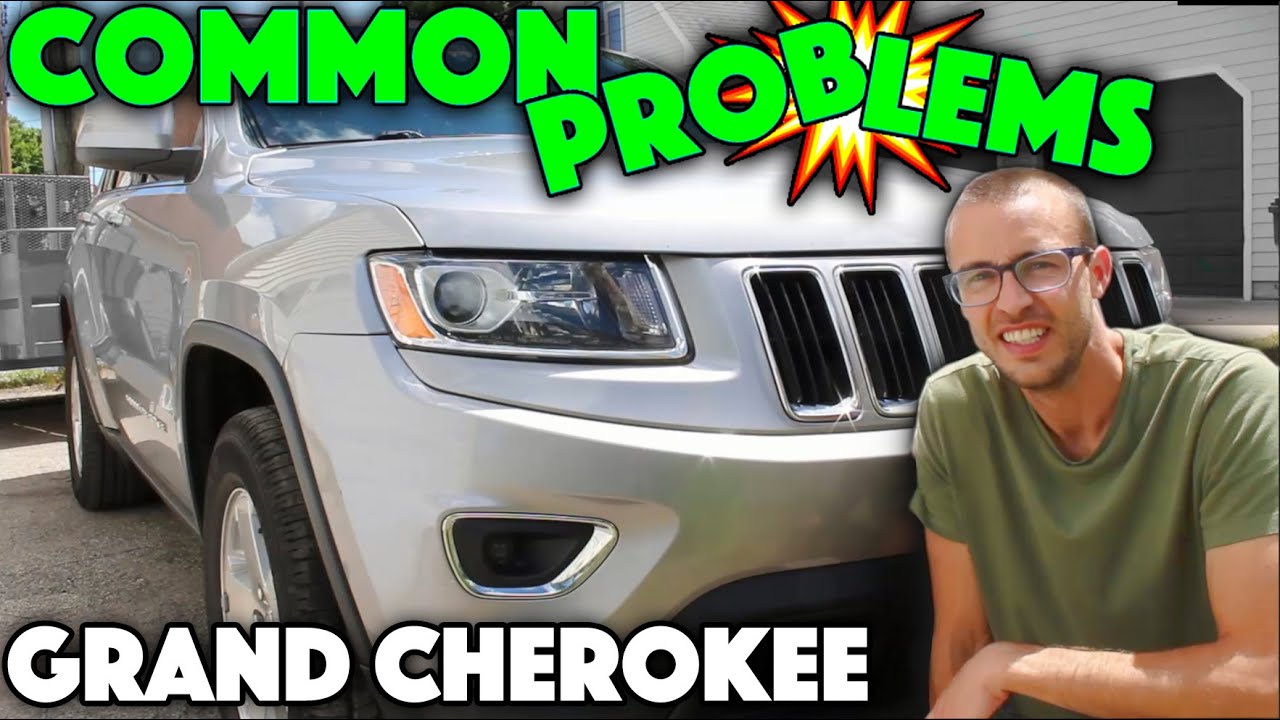
This guide takes a close look at the most common Jeep Grand Cherokee problems by year. You’ll find clear explanations, real examples, and helpful tips to make smart decisions. Whether you’re a first-time buyer or a long-time owner, you’ll discover insights that most people miss.
How Jeep Grand Cherokee Problems Vary By Year
Car problems are not the same every year. Changes in design, new parts, or updates in technology can bring new issues or fix old ones.
For the Grand Cherokee, some years are known for certain problems, while others are more reliable.
Here’s why problems differ:
- Model redesigns: When Jeep changes the style or engine, new issues can appear.
- New technology: Adding features like infotainment or advanced safety sometimes causes glitches.
- Supplier changes: Parts from new suppliers can have different quality.
- Recalls and fixes: After a recall, later models may solve earlier problems.
Knowing these patterns helps you spot which years to avoid and which are safer bets.
Grand Cherokee Problems: 1999–2004 (second Generation)
The 1999–2004 Grand Cherokee (WJ) was popular, but it had some headaches.
1999–2001: Early Reliability Issues
Owners reported:
- Electrical problems: Windows, door locks, and radio often stopped working. The Power Control Module sometimes failed, causing random stalling.
- Cooling system leaks: Radiator and water pump leaks led to overheating.
- Blend door failure: The heater stopped working due to broken blend doors.
2002–2004: Engine And Transmission Troubles
- 4.7L V8 engine issues: Oil sludge buildup sometimes caused engine failure. Valve seats could drop, leading to expensive repairs.
- Transmission problems: Shifting became rough, especially in the 2002 model. Some owners needed full transmission rebuilds.
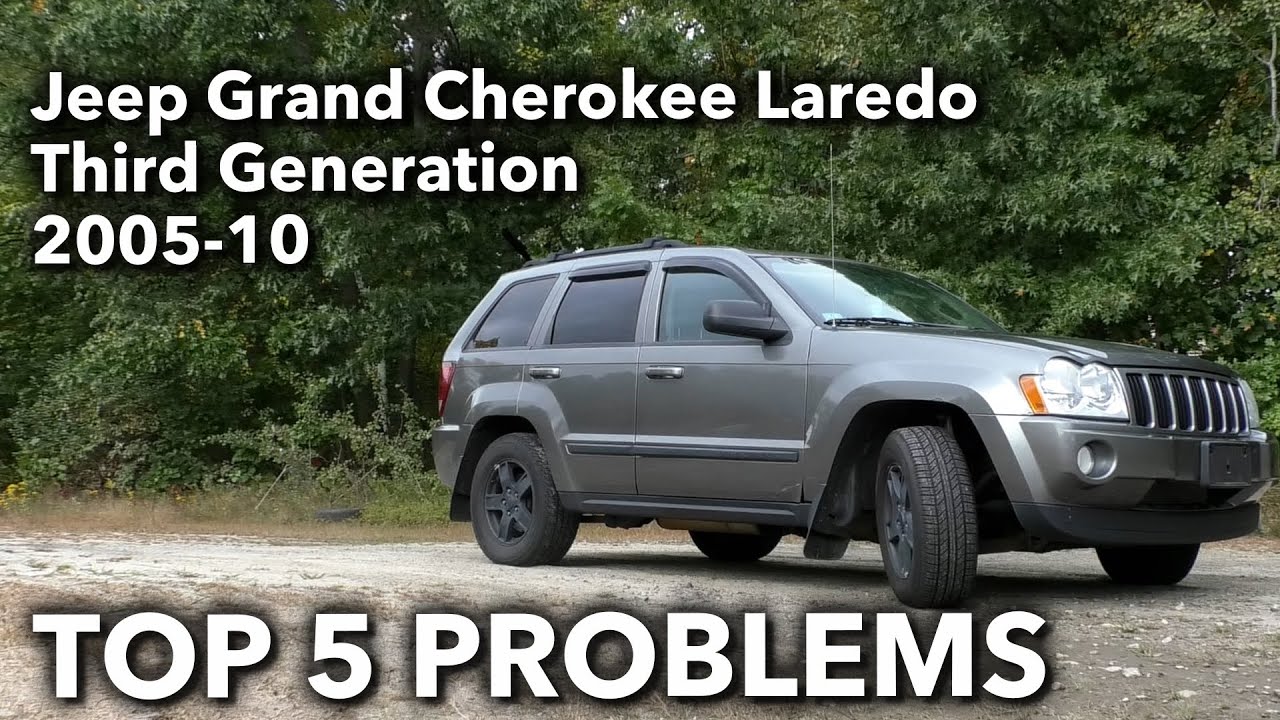
Grand Cherokee Problems: 2005–2010 (third Generation)
The 2005–2010 models (WK) brought new technology, but also new complaints.
2005–2007: Early Model Glitches
- Electrical gremlins: The Totally Integrated Power Module (TIPM) failed, causing lights, wipers, and fuel pumps to act up.
- Sunroof leaks: Water sometimes leaked into the cabin, leading to mold and electrical issues.
- Brake troubles: Premature brake wear meant frequent replacements.
2008–2010: Engine And Safety Issues
- Diesel engine problems: The 3.0L CRD diesel had injector and EGR valve failures, especially in cold climates.
- Airbag recalls: Faulty airbag inflators led to major recalls.
- Starter motor failure: The SUV sometimes wouldn’t start, requiring replacement.
Grand Cherokee Problems: 2011–2026 (fourth Generation)
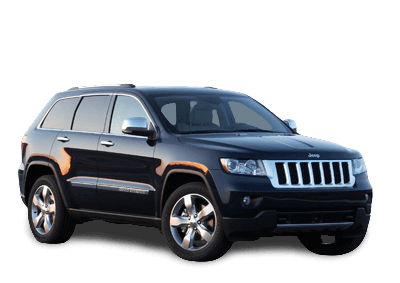
This generation (WK2) brought a new look and luxury, but reliability was mixed.
2011–2013: Early Model Woes
- TIPM failures: Still a big issue. The SUV randomly stalled, especially when hot.
- Transmission recalls: The new 8-speed automatic transmission had software bugs, leading to rough shifting and rollaway risks.
- Water leaks: Roof and door seals sometimes failed, causing electrical problems.
2014–2016: Infotainment And Engine Issues
- Uconnect infotainment glitches: The touch screen froze or restarted. Navigation and Bluetooth often didn’t work.
- Diesel engine recalls: Emissions cheating led to recalls, and some owners had engine problems after the fix.
- EcoDiesel problems: EGR cooler failures caused coolant leaks and engine damage.
2017–2026: Improved Reliability, Some Persistent Issues
- Fewer electrical problems: Updates fixed many earlier glitches.
- Suspension complaints: Air suspension sometimes failed, especially in cold weather.
- Paint peeling: Some owners noticed clear coat peeling on hoods and roofs.
Grand Cherokee Problems: 2026–present (fifth Generation)
The newest Grand Cherokee (WL) has modern tech and safety, but early models show some growing pains.
2026: New Model Bugs
- Infotainment system issues: The new Uconnect 5 sometimes freezes or loses Bluetooth connection.
- Driver assist glitches: Lane keeping and adaptive cruise control sometimes turn off randomly.
- Wind noise: Some owners complain about loud wind noise at highway speeds.
2026–2026: Early Feedback
- Fewer engine issues: The new engines seem reliable so far.
- Software updates needed: Most problems are fixed with dealer software updates.
Common Jeep Grand Cherokee Problems (all Years)
While each year has unique issues, some problems are common across many generations.
- Electrical issues: Window switches, door locks, and radios often fail.
- Transmission problems: Rough shifting and failure are reported in many models.
- Water leaks: Roof, sunroof, and door seals can fail.
- Suspension wear: Ball joints and bushings wear out, causing noise and poor handling.
- Brake wear: Pads and rotors often wear faster than on other SUVs.
Here’s a quick comparison of the most common problems by generation:
| Generation | Years | Typical Problems |
|---|---|---|
| WJ | 1999-2004 | Electrical, cooling, engine, transmission |
| WK | 2005-2010 | Electrical, brakes, airbag, starter, leaks |
| WK2 | 2011-2026 | TIPM, transmission, infotainment, suspension |
| WL | 2026-present | Infotainment, driver assist, wind noise |
Jeep Grand Cherokee Reliability: Year-by-year Data
Many buyers want to know which years are most reliable. Here’s a summary using owner ratings and recall data.
| Model Year | Owner Reliability Rating (out of 5) | Number of Recalls |
|---|---|---|
| 2004 | 2.8 | 7 |
| 2010 | 3.2 | 5 |
| 2015 | 3.5 | 8 |
| 2018 | 4.1 | 3 |
| 2026 | 4.3 | 2 |
Non-obvious insight: Many buyers believe newer is always better, but early models after a redesign (for example, 2011 and 2026) often have more issues due to untested technology. Waiting a year or two can mean fewer problems.
Tips For Buying A Used Grand Cherokee
If you’re shopping for a used Grand Cherokee, here’s how to avoid common mistakes:
- Check for recalls: Make sure all recall work is done. Unfixed recalls can cause safety issues.
- Inspect for water leaks: Look for signs of water under seats, musty smell, or stains. Leaks can ruin electronics.
- Test electrical features: Try all windows, locks, radio, and infotainment. Electrical fixes can be expensive.
- Ask about engine history: For older models, check for oil changes and engine repairs.
- Drive at highway speeds: Listen for wind noise and check for rough shifting.
- Get a mechanic’s inspection: A professional can spot hidden problems.
Experienced buyers often bring a code reader to check for stored trouble codes before buying.
Recall And Repair Costs
Some problems are minor, but others cost thousands. Here’s what to expect:
- TIPM replacement: $900–$1,200
- Transmission rebuild: $2,500–$4,000
- Blend door repair: $500–$800
- Water leak repair: $400–$900
- Infotainment fix: $300–$700
Another insight: Many repairs are cheaper if you use a trusted independent mechanic instead of a dealership, especially for electrical or suspension work.
How Jeep Grand Cherokee Compares To Other Suvs
Is the Grand Cherokee more reliable than rivals? Here’s a quick comparison with similar SUVs.
| SUV | Average Reliability (out of 5) | Common Issues |
|---|---|---|
| Jeep Grand Cherokee | 3.5 | Electrical, transmission, leaks |
| Toyota 4Runner | 4.6 | Minor electrical, rust |
| Ford Explorer | 3.2 | Transmission, electrical, engine |
| Honda Pilot | 4.2 | Transmission, infotainment |
The Grand Cherokee offers more luxury and off-road ability, but tends to have more electrical and transmission problems than the Toyota 4Runner or Honda Pilot.
For more detailed comparisons, the official Consumer Reports site is a helpful resource.
Frequently Asked Questions
What Is The Worst Year For Jeep Grand Cherokee Problems?
Many experts agree 2011 is one of the worst years. It had major electrical issues, TIPM failures, and transmission problems. The first year after redesigns is often riskier.
Are Newer Grand Cherokees More Reliable?
Generally, yes. Models from 2018 onward show fewer problems, especially with electrical and transmission. But new technology can bring new bugs, so check for recalls and updates.
How Can I Check For Recalls On My Grand Cherokee?
You can use the VIN lookup tool on the official Jeep website or the NHTSA site. Always confirm that recall work is complete before buying.
Is The Grand Cherokee Expensive To Maintain?
Compared to other SUVs, maintenance costs are slightly higher. Electrical and transmission repairs can be costly. Regular maintenance helps avoid major problems.
What Engine Should I Avoid In Older Models?
The 4.7L V8 in 2002–2004 models is known for oil sludge and engine failure. Diesel engines in 2008–2016 models can also be risky due to injector and EGR issues.
The Jeep Grand Cherokee remains a favorite for its power and comfort. But knowing the year-by-year problems gives you a clear advantage.
Use this guide to make smarter choices, avoid costly mistakes, and enjoy your Grand Cherokee with fewer worries.