When your Jeep Grand Cherokee's steering feels a bit off, it might be time to check the power steering fluid. This fluid is crucial for smooth and easy steering.
Without the right type and amount, your steering can become stiff, noisy, or even fail. Knowing the correct power steering fluid type for your specific Grand Cherokee model year is essential for maintaining its performance and preventing costly repairs.
This guide will walk you through everything you need to know about selecting and using the right fluid for your Jeep.
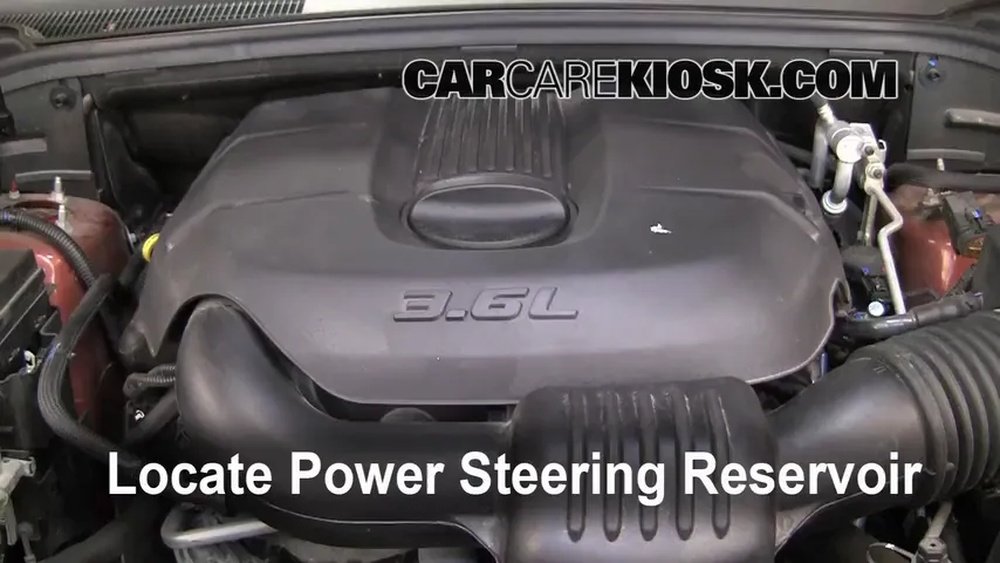
Understanding Your Jeep Grand Cherokee’s Power Steering System
The power steering system in your Jeep Grand Cherokee is designed to make turning the wheels easier, especially at low speeds or when parking. It uses hydraulic pressure, generated by a power steering pump, to assist the driver's effort.
This fluid is the lifeblood of the system.
It transfers the force from the pump to the steering gear, which then moves the wheels.
The system typically includes a reservoir to hold the fluid, a pump driven by the engine’s belt, hoses to carry the fluid, and a steering gear (rack and pinion or steering box, depending on the model year). When you turn the steering wheel, the pump pushes fluid through the system, creating pressure that helps turn the wheels.
This fluid also lubricates the moving parts within the pump and steering gear, reducing wear and tear.
Why The Right Power Steering Fluid Matters
Using the wrong power steering fluid can lead to several problems. Power steering fluids are formulated with specific additives for lubrication, corrosion prevention, and sealing. Different vehicles and even different components within a vehicle can require fluids with unique properties.
- Lubrication: The fluid ensures that the pump, seals, and steering gears move smoothly. Incorrect fluid might not provide adequate lubrication, leading to increased friction and wear.
- Corrosion Protection: Modern power steering fluids contain anti-corrosion agents to protect the metal components within the system from rust and degradation.
- Seal Compatibility: The seals in your power steering system are made from specific types of rubber or synthetic materials. Some power steering fluids can degrade these seals, causing leaks and system failure.
- Viscosity: The fluid’s thickness (viscosity) is critical for proper flow and pressure at different temperatures. A fluid that is too thick or too thin can impair the system’s performance.
If you use a fluid that is not compatible, you might notice symptoms like:
- Stiff steering: The steering wheel becomes hard to turn.
- Whining or groaning noises: Especially when turning the wheel.
- Leaking fluid: Visible puddles under the vehicle.
- Foaming: Air bubbles in the fluid reservoir.
These issues can escalate into more serious and expensive repairs if not addressed promptly.
Identifying The Correct Power Steering Fluid For Your Jeep Grand Cherokee
Jeep, like all manufacturers, specifies a particular type of power steering fluid for each model and model year. This specification is usually found in your vehicle’s owner’s manual. This is the most reliable source of information.
Checking Your Owner’s Manual
Your owner's manual is your best friend for vehicle maintenance. Look for the section on fluid capacities, maintenance, or specifications.
It will clearly state the recommended power steering fluid type. It might list a specific Mopar part number or a general fluid specification (e.
g. , ATF+4, Pentosin CHF 11S).
Common Power Steering Fluid Types For Jeep Grand Cherokees
While the owner’s manual is definitive, certain fluid types are more common for different generations of the Grand Cherokee.
For older models (roughly pre-2005): Many older Jeep Grand Cherokees used ATF+4 (Automatic Transmission Fluid type 4). This fluid was common in Chrysler, Dodge, and Jeep vehicles for automatic transmissions and power steering systems. However, always verify this in your manual, as exceptions exist.
For newer models (roughly 2005 and later): Newer Jeep Grand Cherokees often require a power steering fluid that meets specific Chrysler/Mopar specifications, or a compatible aftermarket fluid. Some models might use a synthetic power steering fluid. A common specification to look for is Mopar Power Steering Fluid, or a fluid that explicitly states it is a replacement for Mopar MS-5901 or MS-10838.
Special Cases: Some European-influenced models or specific performance variants might even call for Pentosin CHF 11S or a similar hydraulic fluid. This is less common for the standard Grand Cherokee but is important to note if your manual specifies it.
What If You Can’t Find Your Owner’s Manual?
If your owner’s manual is lost, you have a few options:
- Jeep Dealership: Contacting a Jeep dealership with your Vehicle Identification Number (VIN) will allow them to look up the exact specifications for your Grand Cherokee.
- Online Resources: Many automotive forums and enthusiast websites have databases or discussions where owners share this information. However, always cross-reference this information with other sources if possible.
- Under the Hood: Sometimes, the type of fluid is written on the power steering reservoir cap itself.
Understanding Fluid Specifications And Equivalents
Manufacturers often use proprietary fluid names or part numbers. When you see a specification like Mopar MS-5901 or MS-10838, it refers to a specific blend of base oils and additives.
- Mopar MS-5901: This is a common specification for older Chrysler vehicles. It’s typically a mineral-based fluid.
- Mopar MS-10838: This is a more recent specification, often for synthetic-based fluids.
- ATF+4: As mentioned, this is a specific type of automatic transmission fluid used in many older Chrysler products for both transmissions and power steering.
When choosing an aftermarket fluid, look for one that explicitly states it meets or is a direct replacement for the Mopar specification or fluid type listed in your manual. Generic “power steering fluid” might not be suitable.
How To Check Your Power Steering Fluid Level
Checking the fluid level is a simple maintenance task that can prevent many issues.
Locating The Reservoir
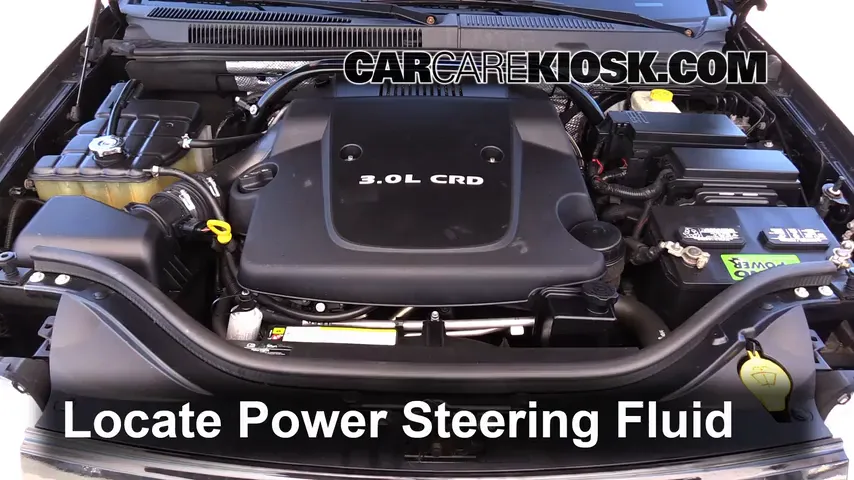
The power steering fluid reservoir is usually a plastic container with a cap, often located near the engine's drive belts. It might have a power steering fluid symbol on the cap.
Its exact location can vary slightly depending on the model year and engine.
Checking The Level
- Engine Cool: The power steering fluid level should be checked when the engine is cool. Hot fluid expands, which can give a false reading.
- Locate the Cap: Find the power steering fluid reservoir and remove the cap.
- Use the Dipstick or Markings: Many reservoirs have a dipstick attached to the cap, or there are minimum and maximum markings directly on the reservoir itself.
- Read the Level: The fluid level should be between the minimum and maximum marks.
Understanding Hot Vs. Cold Readings
Some reservoirs have separate markings for “HOT” and “COLD” levels. If yours does:
- Cold Check: With a cold engine, the fluid level should be at or just above the “COLD” mark.
- Hot Check: After driving the vehicle for a while, the fluid heats up. The level should be at or near the “HOT” mark.
If the fluid level is consistently low, it indicates a leak in the system, which needs to be addressed.
Topping Off Or Replacing Power Steering Fluid
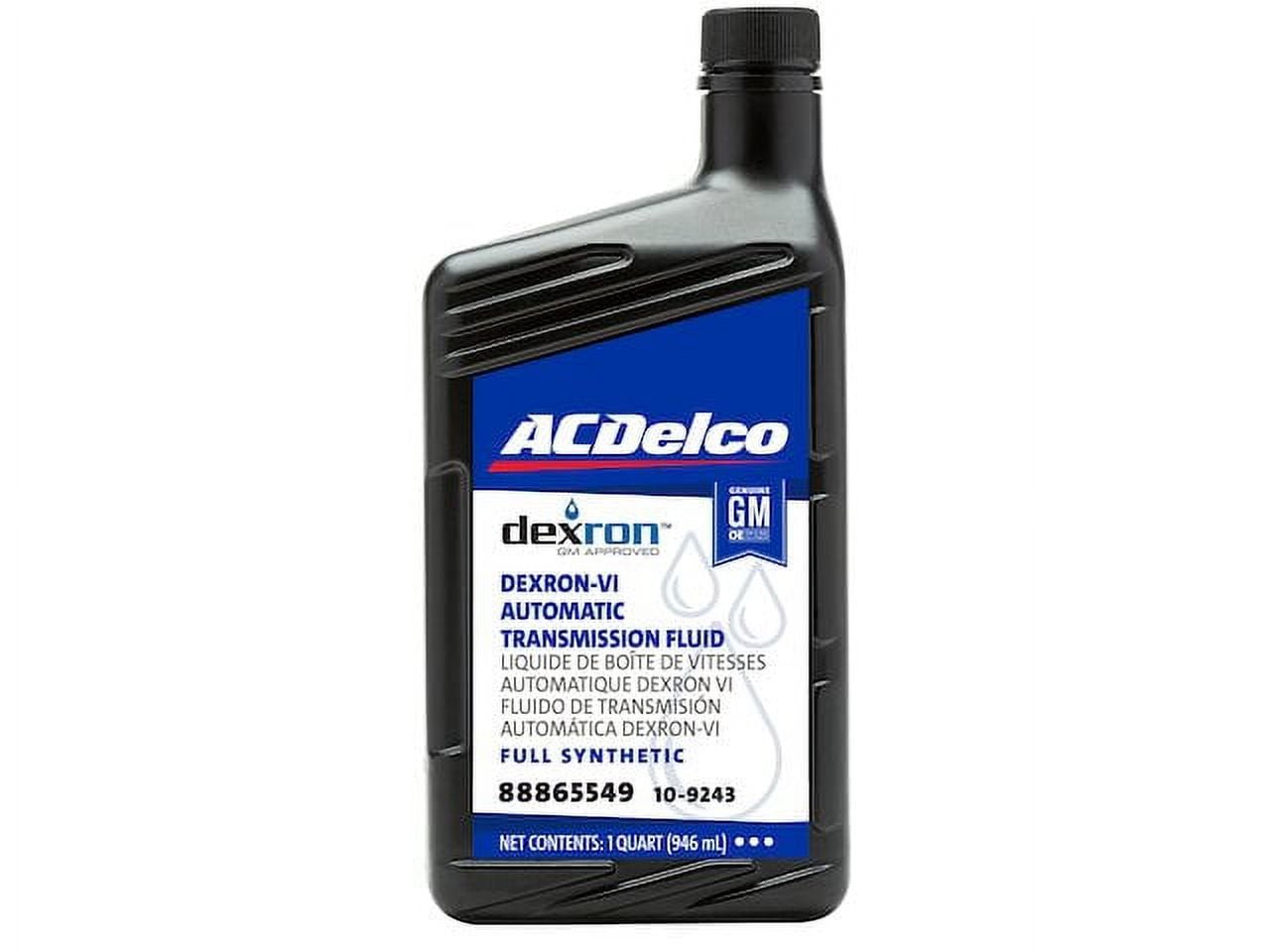
If your fluid level is low, you’ll need to add the correct type of fluid. If the fluid is old, discolored, or contaminated, a full flush and replacement might be necessary.
Topping Off
- Ensure Correct Fluid: Confirm you have the exact type of fluid recommended for your Grand Cherokee.
- Add Slowly: Slowly add small amounts of fluid, checking the level frequently. Overfilling can be just as bad as having too little fluid.
- Replace Cap: Securely replace the reservoir cap.
- Test Steering: Start the engine and turn the steering wheel from lock to lock a few times. This helps distribute the fluid. Re-check the level after a few minutes.
When To Consider A Flush And Replacement
- Dark or Burnt Fluid: If the fluid appears dark brown, black, or smells burnt, it has likely degraded and lost its lubricating properties.
- Contamination: Debris, metal shavings, or water in the fluid can damage the system.
- Noise or Stiff Steering: If you experience steering issues, a fluid flush can sometimes resolve the problem, especially if the old fluid is contributing to the symptoms.
- Regular Maintenance: While not always explicitly scheduled, many mechanics recommend flushing the power steering fluid every 30,000 to 60,000 miles as part of preventative maintenance, especially if you notice any of the above signs.
How To Perform A Power Steering Fluid Flush (simplified)
A full flush is a more involved process. Here’s a basic overview.
For detailed instructions specific to your Grand Cherokee model, consult a service manual or a professional mechanic.
- Gather Supplies: You’ll need the correct power steering fluid, a turkey baster or fluid extractor, a drain pan, new fluid for flushing, and possibly a new fluid filter if your vehicle has one.
- Drain Old Fluid: Use a turkey baster or extractor to remove as much old fluid as possible from the reservoir.
- Add New Fluid: Fill the reservoir with the new, correct fluid to the “COLD” mark.
- Start Engine and Turn Wheel: Start the engine and slowly turn the steering wheel from lock to lock several times. This circulates the new fluid and pushes out the old fluid.
- Repeat Draining and Filling: As you turn the wheel, the old fluid will be pushed into the system’s lines. You’ll need to repeat the draining and filling process multiple times until the fluid coming out is clean and the desired color. This can take several quarts of fluid.
- Final Fill and Bleed: Once the fluid is clean, fill the reservoir to the correct level. With the engine running, turn the wheel lock to lock again to bleed any air from the system. Check for leaks.
- Dispose of Old Fluid Properly: Power steering fluid is hazardous waste and should be disposed of at a recycling center.
Pro Tip: If you’re unsure about performing a flush yourself, it’s best to have a qualified mechanic do it. They have the specialized tools and knowledge to do it correctly and efficiently.
Common Issues And Troubleshooting
Even with the correct fluid, power steering systems can develop problems.
Whining Noise
A common complaint is a whining noise, especially when turning the steering wheel.
- Low Fluid Level: This is the first thing to check.
- Air in the System: If the fluid was recently changed or if there’s a small leak, air can get into the system, causing noise. Bleeding the system usually resolves this.
- Worn Power Steering Pump: If the fluid level is correct and there’s no air, the pump itself might be failing.
Steering Hard To Turn
- Low Fluid Level: As always, check the fluid.
- Wrong Fluid Type: Using an incorrect fluid can cause resistance.
- Leaking System: A significant leak can reduce hydraulic pressure.
- Faulty Pump or Steering Gear: Mechanical issues with these components can also cause stiffness.
Leaks
Leaks can occur at hose connections, seals within the pump, or the steering gear itself.
- Inspect Hoses and Connections: Look for wet spots or drips. Tighten clamps if necessary.
- Check Seals: If leaks are coming from the pump or steering gear, these components may need to be replaced.
Fluid Foaming
Foaming usually indicates that air is entering the system or that the fluid is being overworked.
- Check for Leaks: Air is often drawn in through a leak.
- Overfilled Reservoir: Too much fluid can cause foaming.
- Wrong Fluid Type: Some fluids are more prone to foaming than others.
Power Steering Fluid Recommendations For Specific Jeep Grand Cherokee Generations
To provide more targeted advice, let’s look at some common Grand Cherokee generations and their typical fluid requirements. Remember, always verify with your owner’s manual or a trusted source.
1st Generation (zj: 1993-1998)
Many ZJ models used ATF+4 or a fluid that met Chrysler’s MS-5901 specification. If your fluid is red and looks like transmission fluid, it’s likely ATF+4.
2nd Generation (wj: 1999-2004)
The WJ generation also commonly used ATF+4 or fluids meeting MS-5901. Some sources might also suggest a specific Mopar power steering fluid.
3rd Generation (wk: 2005-2010)
This generation saw a shift. While some earlier WK models might still use ATF+4, many later ones, and those with different steering systems, began requiring a fluid that met Mopar MS-10838 or a compatible synthetic power steering fluid. Some models might have used a Pentosin fluid.
4th Generation (wk2: 2011-2026)
The WK2 Grand Cherokees often require a specific Mopar power steering fluid that meets MS-10838 or equivalent specifications. It’s typically a synthetic fluid. Some sources might point to Pentosin CHF 11S as a compatible alternative, but this needs careful verification for your exact model year and trim.
5th Generation (wl: 2026-present)
For the latest generation, it is even more critical to consult the owner's manual or a Jeep dealer. They will specify the exact Mopar fluid or a precise aftermarket equivalent.
Given the advanced technology in modern vehicles, using the incorrect fluid can have serious consequences.
Here’s a simplified comparison table for common fluid types:
| Fluid Type | Common Application | Appearance (Typical) | Notes |
|---|---|---|---|
| **ATF+4** | Older Jeep/Chrysler transmissions and power steering | Red | Use only if specified. Do not substitute for other fluids. |
| **Mopar MS-5901** | Older Chrysler power steering systems | Varies (often clear/amber) | Mineral-based. |



















