The Jeep Grand Cherokee Overland is a popular choice for drivers who want luxury, off-road ability, and real towing power. For many people, towing capacity is a key reason to choose this SUV—whether you want to pull a boat, a camper, or a trailer.
But how much can the Grand Cherokee Overland tow? What affects its towing ability?
And how does it compare to other SUVs in its class? In this guide, you’ll get clear answers to these questions and more, so you can decide if the Grand Cherokee Overland fits your towing needs.
Jeep Grand Cherokee Overland Towing Capacity: The Basics
The towing capacity of a Jeep Grand Cherokee Overland depends on several factors, including the model year, engine type, and equipment packages. For recent models, towing capacity usually ranges from 3,500 to 7,200 pounds. Most people buying the Overland are interested in how much weight they can safely pull, so let’s break down the numbers.
Towing Capacities By Engine
The Overland trim offers different engines, and each engine has its own maximum towing capability. Here’s a summary for the most common recent model years:
| Engine | Horsepower | Max Towing Capacity |
|---|---|---|
| 3.6L V6 | 293 hp | 6,200 lbs |
| 5.7L V8 | 357 hp | 7,200 lbs |
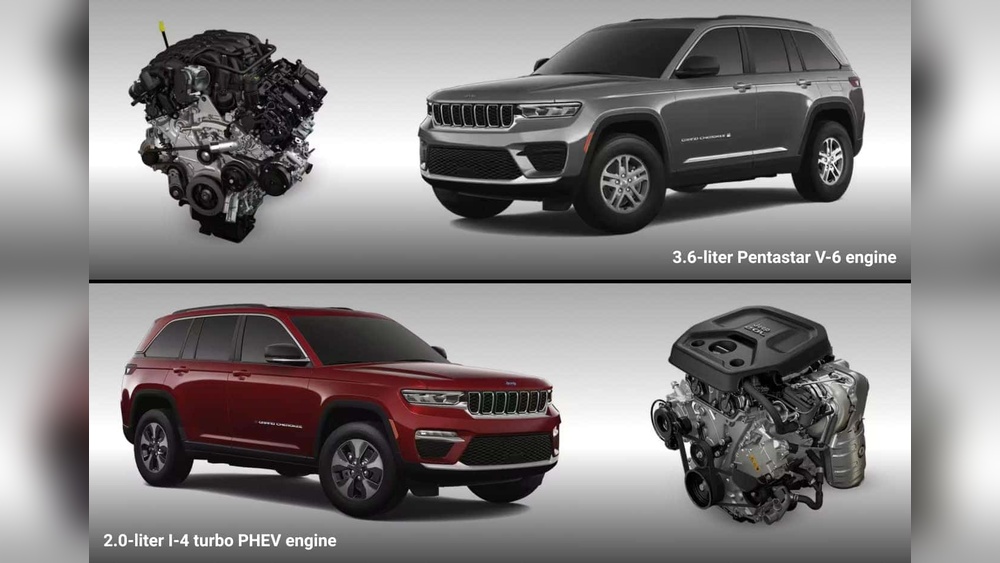
| 2.0L I4 Turbo (4xe Hybrid) | 375 hp (combined) | 6,000 lbs |
The 3.6L V6 is standard in most Overland models, while the 5.7L V8 is available as an upgrade. The newer 4xe plug-in hybrid model combines a turbocharged engine with electric motors, giving a slightly lower but still strong towing capacity.
Key Equipment: Tow Package
To get the maximum towing capacity, your Grand Cherokee Overland needs the Trailer Tow Package. This package includes:
- Class IV receiver hitch
- Heavy-duty engine cooling
- 7- and 4-pin wiring harness
- Full-size spare tire
Without this package, your towing limits will be much lower—often just 3,500 pounds, which is not enough for larger campers or boats.
What Can You Tow With The Grand Cherokee Overland?
Knowing the numbers is helpful, but what do these capacities mean in real life? Here are some examples of what you can tow with a properly equipped Overland:
- Pop-up campers (1,500–3,000 lbs)
- Small to medium travel trailers (3,500–6,000 lbs)
- Bass boats or ski boats (2,500–4,500 lbs)
- Car trailers with a lightweight car (4,000–6,500 lbs)
- Horse trailers (4,000–7,000 lbs)
Always check the actual weight of your trailer and its cargo, not just the empty weight. And remember, these are maximums—staying below the limit is safer and easier on your vehicle.
Factors That Affect Towing Capacity
Towing isn’t just about the engine. Several factors play a role in how much you can safely tow with your Grand Cherokee Overland.
Drivetrain
Most Overlands come with 4×4, but some have rear-wheel drive. Four-wheel-drive models often have slightly lower towing ratings because of extra weight, but they provide better traction on slippery roads or unpaved surfaces.
Axle Ratio
Axle ratio affects how much torque goes to the wheels. A higher axle ratio is better for towing heavy loads, but it can lower your gas mileage.
Jeep usually sets the right ratio for Overlands with the tow package, so you don’t have to choose it yourself.
Vehicle Weight
The more passengers and cargo you have in your SUV, the less you can safely tow. The Gross Combined Weight Rating (GCWR) is the total maximum weight for your vehicle, passengers, cargo, trailer, and everything inside. Don’t exceed this number, which is listed on your vehicle’s door sticker or in the owner’s manual.
Trailer Brakes
Trailers over 2,000 lbs should have their own brakes. Jeep includes wiring for trailer brakes with the tow package, making hookup easier.
Using trailer brakes improves stopping distance and safety, especially on hills or in wet conditions.
Towing Features Of The Overland
The Grand Cherokee Overland is not just powerful—it’s also smart. It comes with several features that make towing easier and safer.
- Trailer Sway Control: This system helps keep your trailer stable in crosswinds or when passing trucks.
- Hill Start Assist: Prevents rollback when starting on steep hills with a trailer behind you.
- Adaptive Suspension: The Overland’s air suspension can adjust ride height for better towing balance.
- Backup Camera with Trailer Zoom: Makes lining up your hitch much easier.
- Integrated Trailer Brake Controller: Available on newer models, this lets you control trailer brakes from inside the SUV.
These features can make a big difference, especially if you’re new to towing.

Real-world Towing Experience
Many owners say the Overland tows confidently and feels stable, even with heavy trailers. The V8 engine offers extra power for mountain driving or longer highway trips, but the V6 is strong enough for most needs.
The plug-in hybrid (4xe) gives a unique mix of strong torque and better fuel economy, though you may see reduced electric range while towing.
One insight many new owners miss: Practice makes perfect. Before your first big trip, practice hooking up and towing in a safe, empty parking lot. Get used to braking, turning, and reversing with a trailer—it feels different than regular driving.
Another important tip: Weight distribution. Packing your trailer with too much weight in the back or front can lead to sway or instability. Try to keep about 60% of the weight toward the front half of your trailer, and always double-check your hitch and connections.
Jeep Grand Cherokee Overland Vs. Other Suvs
How does the Overland’s towing capacity compare to other midsize and large SUVs? Let’s take a look:
| Vehicle | Max Towing Capacity | Engine Options |
|---|---|---|
| Jeep Grand Cherokee Overland | 7,200 lbs | V6, V8, Hybrid |
| Ford Explorer | 5,600 lbs | I4 Turbo, V6 Hybrid |
| Toyota 4Runner | 5,000 lbs | V6 |
| Chevrolet Traverse | 5,000 lbs | V6 |
| Dodge Durango (V8) | 8,700 lbs | V6, V8 |
As you can see, the Grand Cherokee Overland’s towing power is among the best in its class, especially if you choose the V8. Only a few competitors, like the Dodge Durango with its large V8, can pull more—but the Overland offers a mix of luxury, off-road skill, and towing strength.

Tips For Safe And Easy Towing
Towing can feel overwhelming at first, but these simple tips help make it safer and less stressful:
- Check your tire pressure before every trip, both on your SUV and the trailer.
- Distribute weight evenly inside your trailer—aim for a balanced load.
- Use towing mirrors if your trailer is wider than your vehicle.
- Plan your stops—braking takes longer when you’re towing.
- Drive slower—keep speeds under 65 mph to reduce sway and improve control.
- Double-check connections every time you stop—safety chains, hitch, lights, and brakes.
- Watch for wind—large trucks and crosswinds can push your trailer around.
- Practice backing up with your trailer before you hit the road.
Many new owners forget to adjust their vehicle’s mirrors or check that trailer lights are working. These small steps make a big difference in safety.
Fuel Economy When Towing
Fuel economy is a common concern when towing. The Overland’s V6 and V8 engines use more fuel when pulling heavy loads, sometimes dropping to 10–14 mpg depending on speed, weight, and terrain. The 4xe hybrid model can be more efficient, especially at lower speeds, but expect a noticeable drop in electric-only range when towing.
Planning your route to include more fuel stops is smart, especially for long trips. Using cruise control and maintaining a steady speed can also help save fuel.
Common Mistakes To Avoid
Even experienced drivers make mistakes when towing. Here are a few to watch out for:
- Overloading: Exceeding your vehicle’s or trailer’s weight limits is dangerous. Always check both.
- Ignoring tongue weight: Too much or too little weight on the hitch can cause sway or damage.
- Skipping maintenance: Check your brakes, tires, and fluids before every trip.
- Not using trailer brakes: For heavy loads, trailer brakes are a must.
- Forgetting permits: Some states require special permits for wide or heavy trailers.
If you’re unsure about any step, ask for help or check the owner’s manual. Safety should always come first.