When you think about suspension kits for your Jeep Grand Cherokee, it’s easy to get overwhelmed. There are so many options: lift kits, lowering kits, stock replacements, performance upgrades. But what about OEM suspension kits? What exactly are they, and why might they be the right choice for your vehicle?
OEM stands for Original Equipment Manufacturer. This means the parts are made by the same company that originally built your Jeep Grand Cherokee, or by a supplier that makes parts specifically for that manufacturer. When you buy an OEM suspension kit, you are getting parts that are designed to be identical to what came off the assembly line. This is different from aftermarket parts, which are made by other companies and can vary widely in quality, design, and purpose.
This article will explore the world of Jeep Grand Cherokee OEM suspension kits. We’ll look at what they are, the benefits and drawbacks of choosing them, and when they make the most sense for owners. We’ll also discuss common OEM suspension components and how to identify if you need to replace them. Whether you’re looking to restore your Jeep to its original glory or simply need to replace worn-out parts, understanding OEM options is crucial for making an informed decision.
Understanding Oem Suspension Components
The suspension system of your Jeep Grand Cherokee is a complex network of parts working together to provide a smooth ride, control handling, and ensure your tires stay in contact with the road. OEM suspension kits typically include direct replacements for these original components.
Key Oem Suspension Parts
When we talk about an OEM suspension kit, it often refers to a package of essential replacement parts that restore the vehicle’s original ride quality and handling. These are not designed to change the vehicle’s stance or performance characteristics beyond its factory specifications.
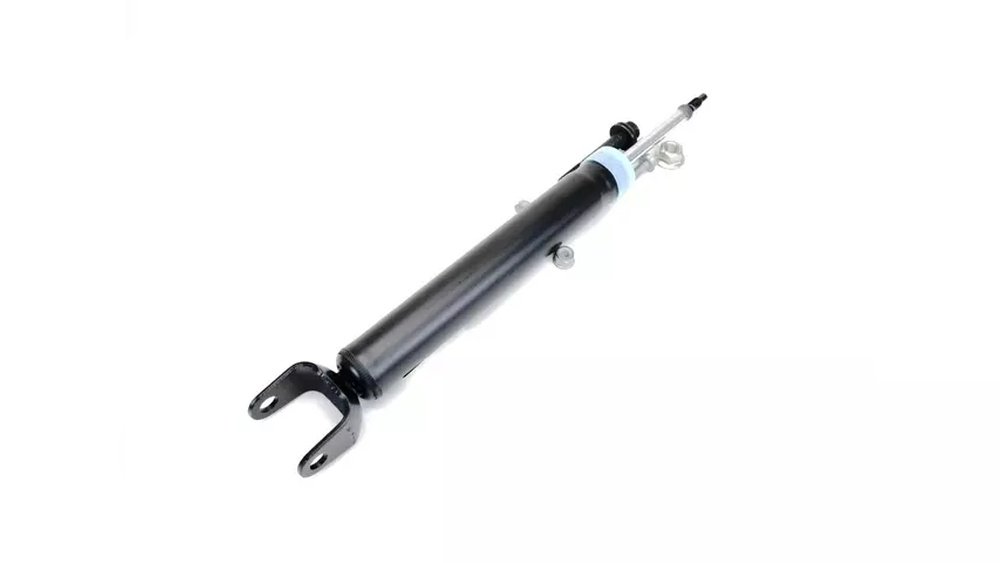
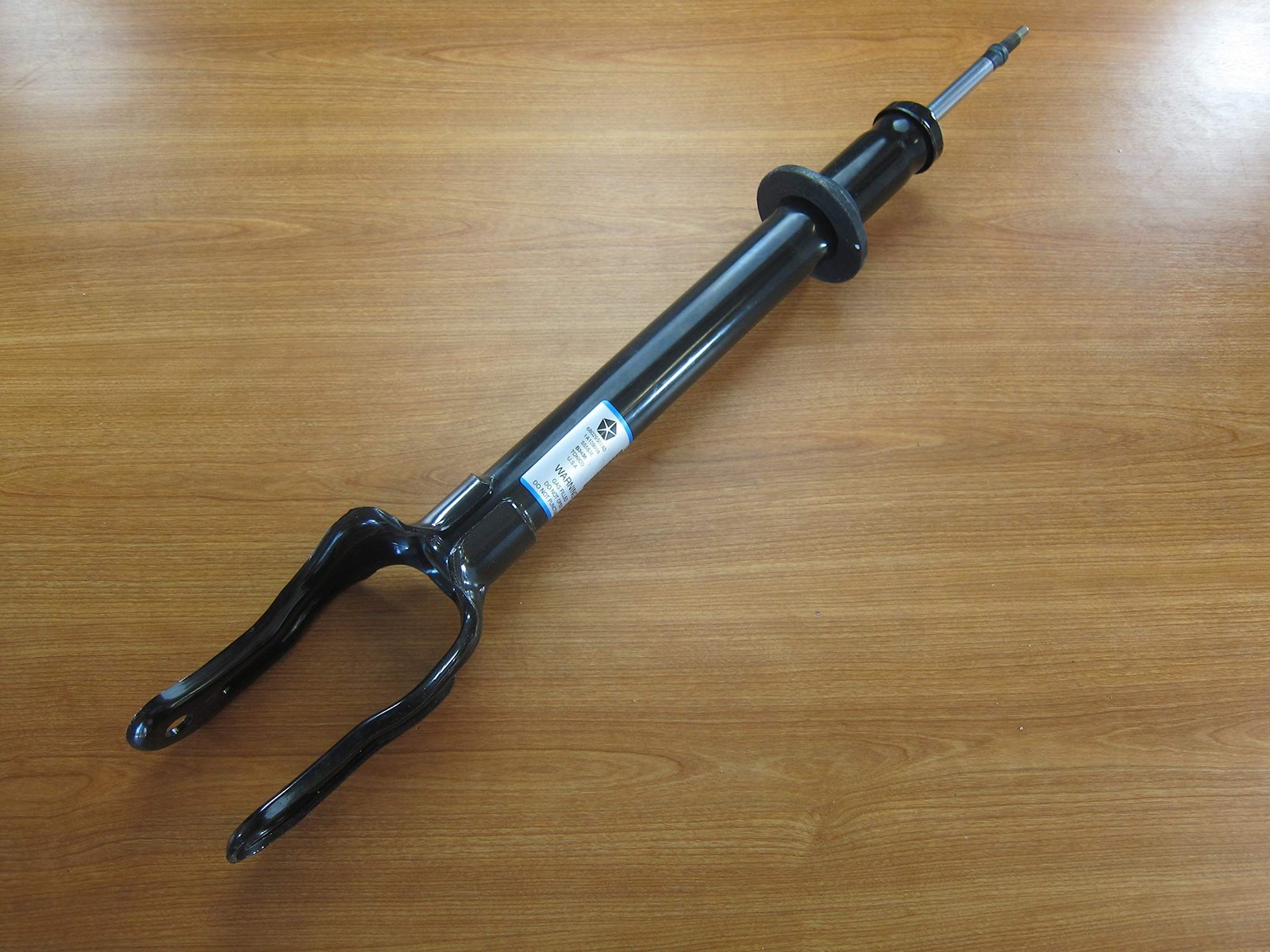
- Shocks and Struts: These are the workhorses of your suspension. Shocks (or shock absorbers) dampen the bouncing motion of the springs, while struts are a structural part of the suspension that also incorporates a shock absorber. OEM replacements will match the original damping rates and travel lengths. For example, a 2018 Jeep Grand Cherokee might have specific shock absorber valving designed for a balance of comfort and on-road stability.
- Coil Springs: These springs support the weight of the vehicle and absorb impact from bumps. OEM springs are engineered for the specific weight and load capacity of your Grand Cherokee model. They are not designed to lift or lower the vehicle.
- Control Arms: These connect the chassis to the wheel hub assembly, allowing the wheels to move up and down while keeping them properly aligned. OEM control arms ensure the correct geometry for optimal steering and tire wear.
- Ball Joints and Bushings: These are smaller, critical components that allow for smooth movement and articulation within the suspension. Ball joints act like a universal joint, connecting control arms to the steering knuckle. Bushings are rubber or polyurethane inserts that cushion connections and absorb vibration. OEM versions are made from materials that balance durability and ride comfort.
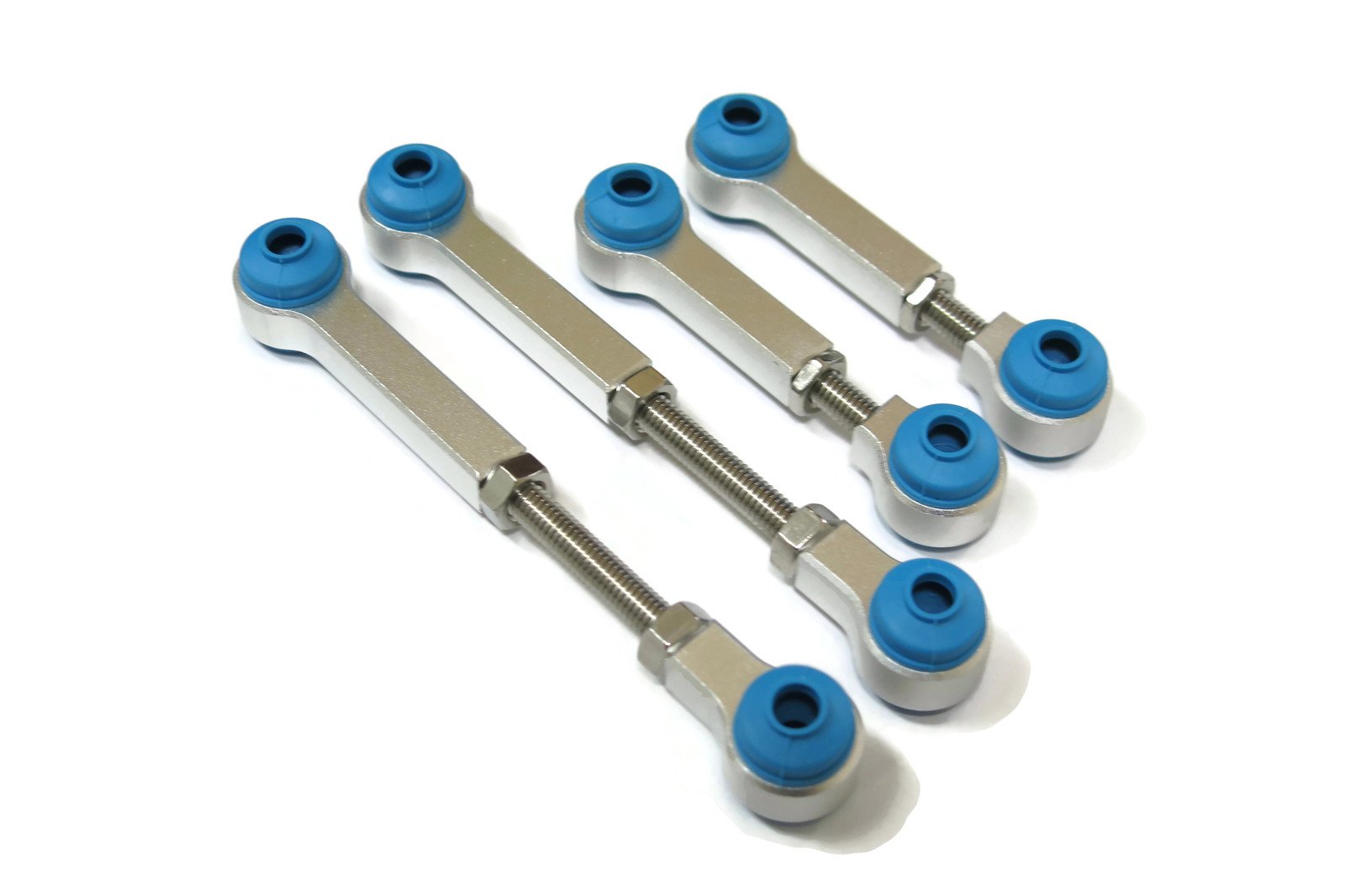
- Sway Bar Links and Bushings: The sway bar (or stabilizer bar) connects opposite wheels to reduce body roll during cornering. Links connect the sway bar to the suspension components, and bushings secure the sway bar to the chassis. OEM parts ensure the factory-tuned level of roll control.
The Oem Advantage: Direct Fit And Original Performance
The primary advantage of using OEM suspension parts is the guarantee of a direct fit. These parts are manufactured to the exact specifications of your Jeep Grand Cherokee. This means:
- No Modifications Needed: You won’t have to alter your vehicle to make the parts fit. This saves time and labor costs, and avoids potential issues caused by improper modifications.
- Original Ride Quality: OEM parts are designed to replicate the original ride and handling characteristics. If your goal is to bring your Grand Cherokee back to how it felt when it was new, OEM is the way to go.
- Material and Durability: Manufacturers use specific materials and construction methods to meet their durability and performance standards. While aftermarket parts can sometimes be more robust, OEM parts are proven to last the expected lifespan under normal driving conditions.
When Is An Oem Suspension Kit The Right Choice?
Choosing an OEM suspension kit is often about prioritizing originality, reliability, and ease of installation. It’s not about enhancing performance or changing the vehicle’s appearance.
Restoring A Classic Or Well-maintained Grand Cherokee
If you own a Jeep Grand Cherokee that you’ve kept in excellent condition, or perhaps a classic model you want to preserve, an OEM suspension kit is ideal. It ensures that the vehicle retains its original factory specifications. This is important for maintaining its value, especially for collectors or those who appreciate the vehicle in its intended form. You’re not looking to add a lift for off-roading or lower it for a sportier look; you simply want the suspension to function as the engineers at Jeep intended.
Replacing Worn-out Components
The most common reason to buy an OEM suspension kit is to replace parts that have worn out due to age and mileage. Over time, shocks can lose their damping ability, springs can sag, and bushings can crack or become soft.
When these components fail, the ride quality deteriorates, handling becomes sloppy, and tire wear can increase. An OEM replacement kit provides a straightforward solution to restore the vehicle’s original suspension performance.
For instance, if your Grand Cherokee is showing signs of a rougher ride, excessive bouncing after hitting bumps, or uneven tire wear, it’s a clear indication that suspension components need attention. Opting for an OEM kit ensures that the new parts will integrate seamlessly with the existing suspension geometry and provide a predictable, comfortable ride.
Prioritizing Simplicity And Predictability
Some owners simply prefer the peace of mind that comes with using Original Equipment Manufacturer parts. There’s less guesswork involved. You know exactly what you’re getting: parts designed and tested for your specific vehicle model and year. This predictability extends to the installation process, which is typically simpler and faster when using direct-fit OEM components compared to aftermarket parts that might require adjustments or specialized tools.
Pro Tip: When replacing suspension components, it’s often recommended to replace them in pairs (e.g., both front shocks or both rear springs) to ensure balanced performance and even wear. OEM kits are frequently packaged this way, making it convenient.
What To Expect In A Jeep Grand Cherokee Oem Suspension Kit
OEM suspension kits are not always a single, all-encompassing package. They can range from basic replacement parts to more comprehensive sets that cover major suspension elements.
The exact contents depend on the manufacturer's offerings and the specific needs of the vehicle.
Basic Replacement Kits
These kits typically focus on the most commonly replaced wear items. They might include:
- Shocks or Struts: Often sold in pairs for the front or rear axle.
- Springs: If the original springs have sagged significantly, a kit might include new coil springs.
- Mounts and Hardware: Sometimes, new top mounts, isolators, or necessary hardware are included to ensure a complete installation.
These are ideal for addressing specific symptoms like a bouncy ride or poor handling due to worn dampers.
Comprehensive Overhaul Kits
For vehicles with very high mileage or those undergoing a significant restoration, a more comprehensive OEM kit might be available. This could include:
- All the components of a basic kit.
- Control Arms: Complete with pre-installed ball joints and bushings.
- Sway Bar Links and Bushings: To restore the vehicle’s roll stability.
- Tie Rod Ends: Crucial for steering precision.
These kits offer a complete solution to rebuild the entire suspension system to its original specifications.
Identifying Genuine Oem Parts
It’s crucial to ensure you are buying genuine OEM parts and not counterfeit or “OEM-style” aftermarket parts. Genuine OEM parts will typically:
- Bear the Jeep or Mopar (Chrysler’s parts division) logo.
- Come in official Mopar packaging.
- Have part numbers that match your vehicle’s specifications.
Buying from a Jeep dealership or a reputable Mopar parts supplier is the best way to guarantee authenticity.
Common Suspension Issues And When Oem Is The Solution
Your Jeep Grand Cherokee’s suspension system will eventually wear out. Recognizing the signs and understanding how OEM replacement parts can help is key to maintaining your vehicle.
Signs Of Worn Suspension Components
Several indicators suggest your suspension needs attention:
- Rough or Bouncy Ride: If your Jeep feels like it’s constantly bouncing, especially after hitting bumps or dips, the shocks or struts are likely worn out. They are no longer effectively controlling the spring’s movement.
- Excessive Body Roll: When cornering, if your Grand Cherokee leans excessively, this could point to worn sway bar links, bushings, or shocks/struts.
- Uneven Tire Wear: Worn suspension components can cause tires to wear unevenly. For example, if the suspension geometry is off due to worn bushings or ball joints, you might see cupping or feathering on the tire tread.
- Clunking or Knocking Noises: These sounds, especially when going over bumps or turning, can indicate loose or worn ball joints, tie rod ends, or bushings.
- Vehicle Pulling to One Side: While often a steering or alignment issue, worn suspension components can also contribute to the vehicle pulling.
- Sagging Rear End: If the rear of your Grand Cherokee appears lower than usual, particularly when loaded, the rear springs may have lost their strength.
How Oem Parts Address These Issues
An OEM suspension kit is designed to directly replace the worn components and restore the vehicle to its original operating parameters.
- Worn Shocks/Struts: Replacing them with OEM equivalents restores the proper damping, leading to a smoother, more controlled ride.
- Sagging Springs: New OEM springs will bring the vehicle back to its designed ride height and support its intended load capacity.
- Loose Bushings/Ball Joints: OEM replacements ensure proper alignment and eliminate excessive play, reducing noise and improving handling.
- Worn Sway Bar Components: New OEM links and bushings will re-establish the correct anti-roll characteristics, reducing body lean in turns.
Example: Consider a Jeep Grand Cherokee Laredo from the early 2000s. After 150,000 miles, the original shocks are likely leaking and providing little damping. Replacing them with genuine Mopar shocks will bring back the comfortable, composed ride that Jeep is known for, without altering its factory handling feel.
Comparing Oem Vs. Aftermarket Suspension Parts
When it comes to suspension upgrades or replacements, the choice often comes down to OEM versus aftermarket. Understanding the differences is crucial.
Oem Suspension
- Pros:
- Guaranteed Fit: Designed specifically for your Grand Cherokee model.
- Original Ride Quality: Restores factory comfort and handling.
- Reliability: Built to meet original manufacturer standards.
- Simplicity: Easy installation, no modifications required.
- Cons:
- Limited Performance Options: Primarily designed for standard operation, not for enhanced off-road capability or on-road performance.
- Potentially Higher Cost: Genuine OEM parts can sometimes be more expensive than comparable aftermarket options.
- Less Customization: Doesn’t offer choices for lifting, lowering, or specialized damping.
Aftermarket Suspension
- Pros:
- Wide Range of Options: Lift kits, lowering kits, heavy-duty components, performance shocks, adjustable coilovers, etc.
- Potential for Improved Performance: Can enhance off-road capability, on-road handling, or provide a sportier feel.
- Variety of Price Points: Available at various price levels, from budget-friendly to premium.
- Specialized Materials: Can offer stronger materials or different designs for specific purposes.
- Cons:
- Fitment Issues: Some aftermarket parts may require modifications for proper installation.
- Variable Quality: Quality can range significantly between brands.
- Ride Quality Changes: May result in a stiffer, rougher, or less predictable ride depending on the product.
- Complexity: Installation can be more complex and may require specialized tools or knowledge.
When To Choose Which
- Choose OEM if: You want to restore your Jeep Grand Cherokee to its original factory condition, prioritize a comfortable and predictable ride, or are performing a restoration where originality is key.
- Choose Aftermarket if: You want to change the vehicle’s stance (lift or lower), improve off-road performance, enhance on-road handling for spirited driving, or need a specific type of component not offered by the OEM (e.g., heavy-duty load-leveling shocks for towing).
In my experience, for everyday drivers who use their Grand Cherokee for commuting and family transport, sticking with OEM for replacement parts is often the most sensible and cost-effective long-term solution. Aftermarket becomes more appealing when you have specific performance goals beyond factory standards.
Installing An Oem Suspension Kit
While an OEM suspension kit is designed for a direct fit, installation still requires mechanical knowledge and the right tools. If you’re not comfortable working on your vehicle’s suspension, it’s best to have it done by a professional mechanic.
Diy Installation Considerations
If you plan to install the kit yourself, here are some key points:
- Safety First: Always use jack stands to support the vehicle securely. Never rely solely on a jack. Disconnect the battery if working near electrical components.
- Tools Required: You’ll likely need a good set of wrenches and sockets, a torque wrench, a spring compressor (if replacing springs), pry bars, and potentially a breaker bar for stubborn bolts.
- Follow a Service Manual: Refer to the official Jeep Grand Cherokee service manual for your specific model year. It provides detailed instructions, torque specifications, and safety procedures.
- Component Replacement: Follow the manual’s steps for removing old components and installing new ones. Pay close attention to the order of operations, especially when dealing with springs, as they are under significant tension.
- Torque Specifications: It is critical to tighten all bolts and nuts to the manufacturer’s specified torque values. Overtightening can damage components, while undertightening can lead to part failure and safety hazards.
- Alignment: After replacing significant suspension components, especially control arms or struts, it is highly recommended to get a professional wheel alignment. This ensures your steering wheel is centered, your tires wear evenly, and your vehicle tracks straight.
Professional Installation
If you opt for professional installation, ensure you choose a reputable shop.
- Dealerships: Offer the highest guarantee of correct installation using genuine OEM parts and factory procedures.
- Independent Mechanics: Can be a good option, especially