If you’ve ever changed a tire or replaced wheels on a Jeep Grand Cherokee, you know the small but critical role of lug nut torque. It may seem like a minor detail, but using the right torque keeps your wheels secure and safe.
Too little torque can make wheels loose, while too much can damage threads or even cause the brake rotor to warp. For both Jeep owners and mechanics, understanding proper torque is a smart move for safety and performance.
What Is Lug Nut Torque?
Lug nut torque is the force used to tighten the wheel nuts holding your wheel to the hub. It’s measured in foot-pounds (ft-lbs) or Newton-meters (Nm). The goal is to apply enough force for safety, but not so much that you damage parts. Using a regular wrench can’t guarantee accuracy. That’s why a torque wrench is important—this tool lets you apply the exact amount of force needed.
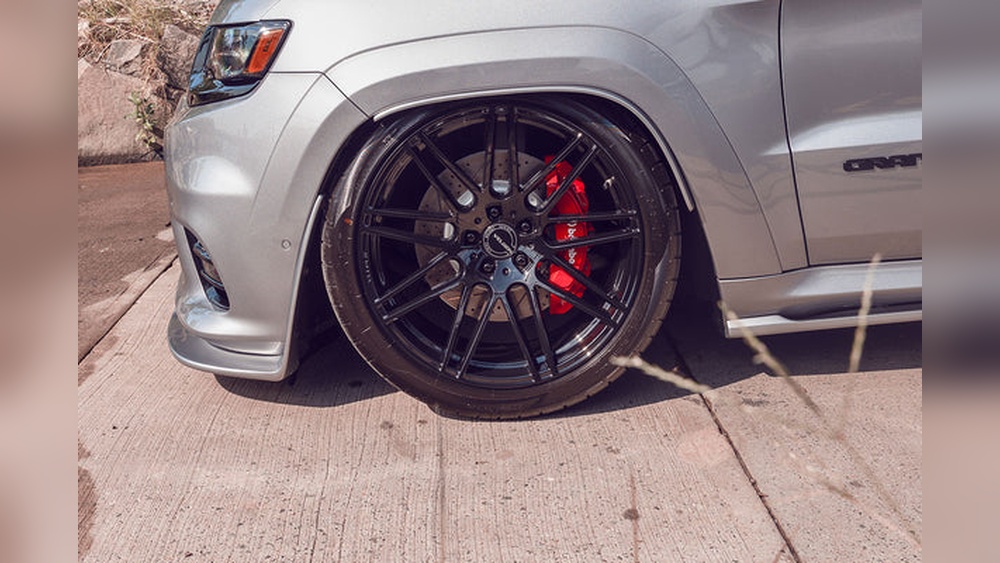
Jeep Grand Cherokee Lug Nut Torque Specifications
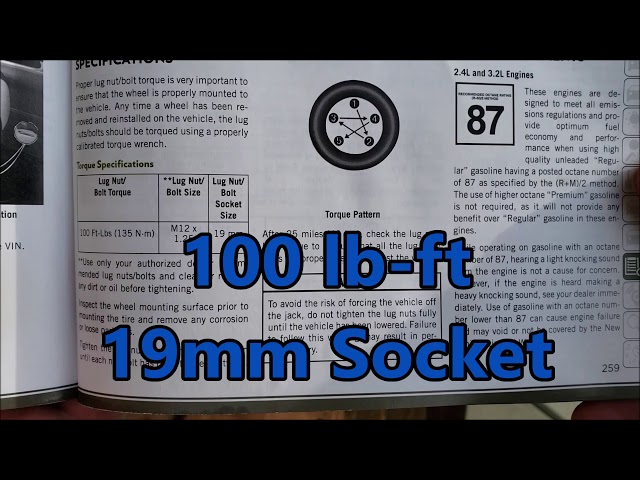
Every vehicle has its own recommended torque setting. For the Jeep Grand Cherokee, these values have changed slightly over the years and can differ by wheel size or trim.
Here’s a quick look at torque specs for some popular Grand Cherokee model years:
| Model Year | Lug Nut Torque (ft-lbs) | Lug Pattern |
|---|---|---|
| 2011–2026 | 130 ft-lbs | 5x127mm |
| 2005–2010 | 110 ft-lbs | 5x127mm |
| 1999–2004 | 100 ft-lbs | 5x127mm |
| 2026–2026 | 129 ft-lbs | 5x127mm / 6×139.7mm |
These numbers are for stock wheels. Aftermarket wheels or different lug nuts may have different requirements, so always double-check your manual or ask the wheel manufacturer.
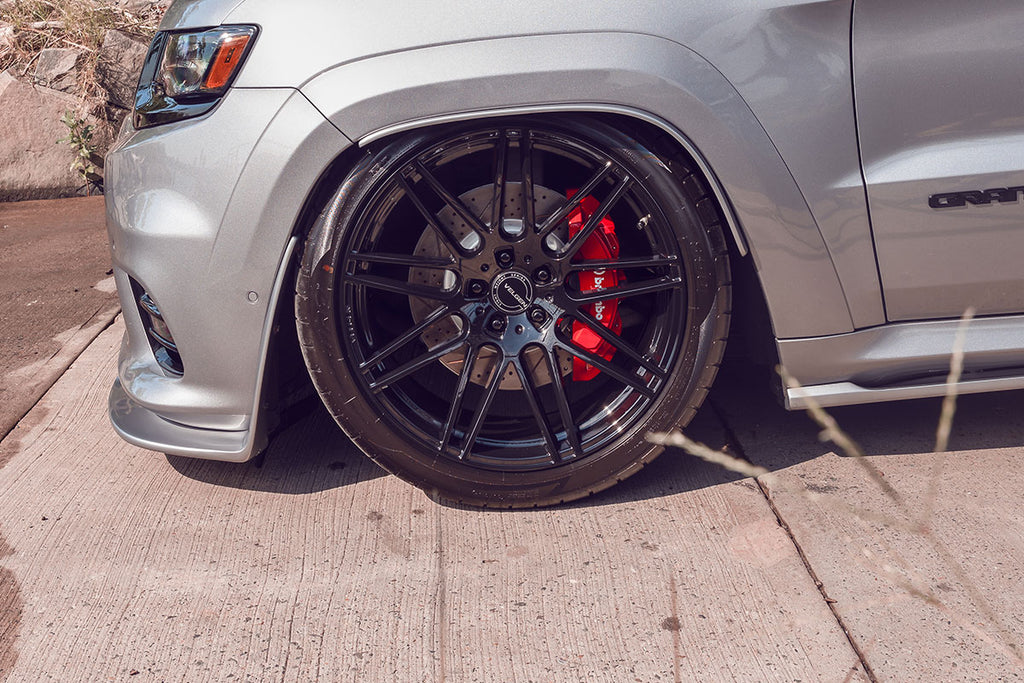
How To Properly Torque Lug Nuts
Applying the right torque is not just about tightening; it’s about how you do it. Here’s a simple process:
- Lift the vehicle safely. Use a jack and jack stands. Never trust only the jack.
- Hand-tighten the lug nuts. Put the wheel on and thread the nuts by hand.
- Use the correct pattern. Tighten in a star or crisscross pattern for even pressure.
- Pre-tighten with a wrench. Just snug, not final torque.
- Lower the vehicle. Let the weight rest on the wheel.
- Torque to spec. Use a torque wrench to the correct ft-lb value.
Here’s a comparison of tightening patterns:
| Number of Lug Nuts | Pattern | Why Important? |
|---|---|---|
| 5 | Star | Even pressure, prevents warping |
| 6 | Crisscross | Even pressure on larger wheels |
A common mistake is tightening in a circle, which can stress the wheel and hub unevenly.
Why Correct Lug Nut Torque Matters
Using the wrong torque can lead to several problems:
- Loose wheels: Too little torque can let wheels wobble or come off.
- Warped rotors: Too much torque can bend brake parts.
- Stripped threads: Over-tightening damages the hub or nut.
- Uneven tire wear: Incorrect torque means poor wheel alignment.
A real-world example: Some Jeep owners who use impact wrenches without checking torque often find their rotors warped after a few months. This causes vibration while braking and leads to expensive repairs.
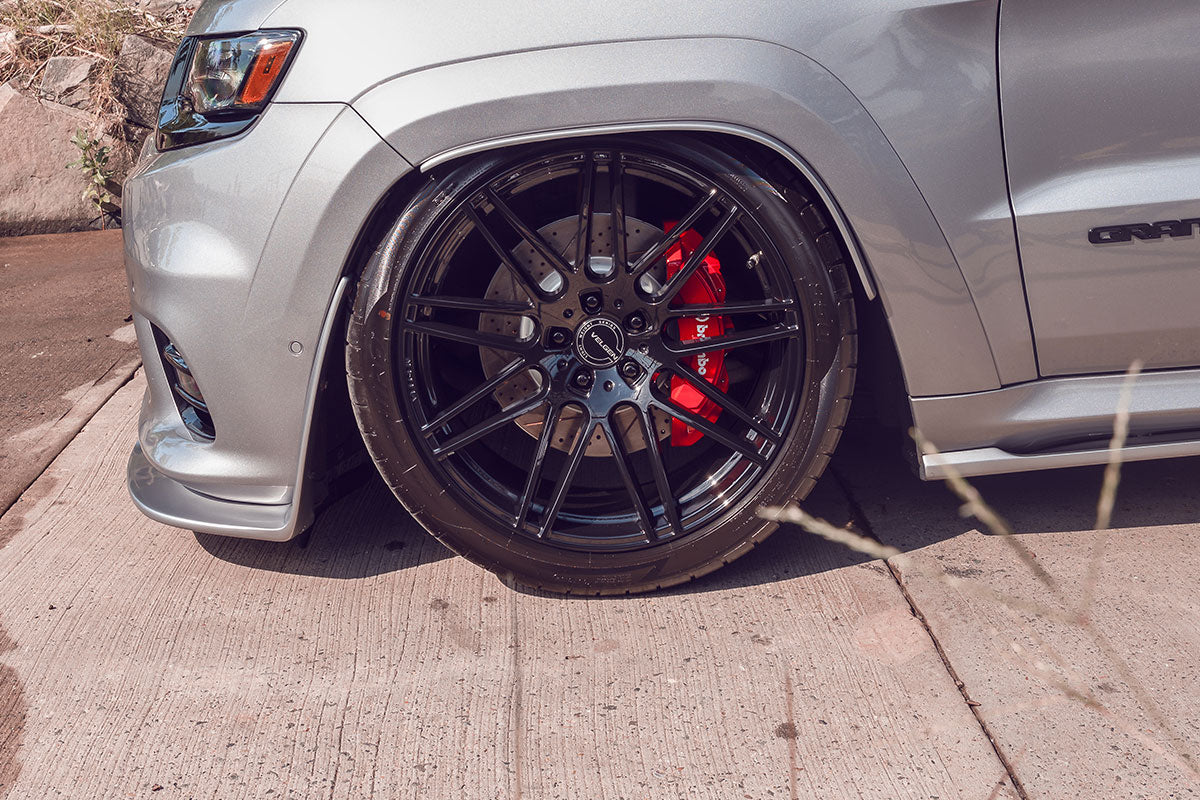
Tips For Achieving Accurate Torque
Even experienced DIYers sometimes miss these simple but important tips:
- Clean threads first. Dirt or rust can change the torque reading.
- Never lubricate lug nuts. Grease or oil will increase the clamping force and can lead to over-tightening.
- Double-check after driving. After 50–100 miles, recheck the torque. Wheels can shift slightly after installation.
- Use the right tools. Only a quality torque wrench can guarantee accuracy.
Some Jeep Grand Cherokee models have locking lug nuts. Use the proper key and make sure you torque these to the same spec as regular nuts.
Lug Nut Types And Aftermarket Considerations
Not all lug nuts are the same. Jeep Grand Cherokees mostly use conical seat nuts, but some wheels (especially aftermarket) use mag seat or ball seat nuts. Always match the nut type to your wheel. Using the wrong style can damage the wheel or cause unsafe fit.
If you switch to custom wheels, check both the torque spec and the lug nut type with the manufacturer. Never assume aftermarket wheels use the same spec as factory wheels.
Here’s a quick reference for common lug nut types:
| Lug Nut Type | Appearance | Common Use |
|---|---|---|
| Conical Seat (60°) | Tapered base | Most factory Jeep wheels |
| Mag Seat | Flat base, washer | Some aftermarket wheels |
| Ball Seat | Rounded base | European wheels, some aftermarket |
Jeep Grand Cherokee: Real-world Scenarios
Let’s look at two examples:
- Winter Tire Swap: Many owners change tires for winter. If you rush and use an air wrench without checking torque, you risk stripping the studs or warping the rotor. Always finish with a torque wrench.
- Long Road Trip: Before a trip, check your lug nut torque. Temperature changes and long drives can loosen nuts, especially after recent tire work.
A lot of drivers forget to re-torque after tire rotation or brake service. Even professionals sometimes skip this step, leading to long-term issues.
When To Check Or Retorque Lug Nuts
It’s not just after a tire change. You should check lug nut torque:
- After any wheel or tire service
- After driving 50–100 miles on new wheels
- If you hear unusual noise from the wheels
- Every 6 months for regular maintenance
Small changes in torque can develop over time due to heat, moisture, or rough roads.
Frequently Asked Questions
<!– wp:rank-math/faq-block {"questions":[{"id":"faq-question-e697ab40f100","title":"What Is The Correct Lug Nut Torque For A 2026 Jeep Grand Cherokee?","content":"The recommended torque is 129 ft-lbs for most 2026 models. Always confirm with your owner’s manual, especially if you have custom wheels.
“,”visible”:true},{“id”:”faq-question-1ab0dff5f4d5″,”title”:”Can I Use An Impact Wrench To Tighten My Lug Nuts?”,”content”:”You can use an impact wrench for initial tightening, but always finish with a torque wrench for accurate torque. Impact wrenches often over-tighten and can damage threads.
“,”visible”:true},{“id”:”faq-question-45115ff1d198″,”title”:”How Often Should I Re-torque My Jeep’s Lug Nuts?”,”content”:”Check lug nut torque after any wheel service and again after 50–100 miles. For regular driving, check at least every 6 months or before long trips.
“,”visible”:true},{“id”:”faq-question-6e04310ea760″,”title”:”What Happens If I Over-tighten My Jeep Grand Cherokee’s Lug Nuts?”,”content”:”Over-tightening can cause warped rotors, stripped studs, and even wheel damage. It can also make removing the wheel very difficult in an emergency.
“,”visible”:true},{“id”:”faq-question-91adfa302bd2″,”title”:”Where Can I Find The Official Torque Specs For My Jeep?”,”content”:”The most reliable source is your owner’s manual or the official Jeep website. You can also check Jeep’s official site for updated information.
Paying attention to lug nut torque is a simple but vital part of keeping your Jeep Grand Cherokee safe and performing at its best. With the right tools, careful technique, and regular checks, you can avoid common mistakes and enjoy every mile with confidence.
“,”visible”:true}]} –>What Is The Correct Lug Nut Torque For A 2026 Jeep Grand Cherokee?
The recommended torque is 129 ft-lbs for most 2026 models. Always confirm with your owner’s manual, especially if you have custom wheels.
Can I Use An Impact Wrench To Tighten My Lug Nuts?
You can use an impact wrench for initial tightening, but always finish with a torque wrench for accurate torque. Impact wrenches often over-tighten and can damage threads.
How Often Should I Re-torque My Jeep’s Lug Nuts?
Check lug nut torque after any wheel service and again after 50–100 miles. For regular driving, check at least every 6 months or before long trips.
What Happens If I Over-tighten My Jeep Grand Cherokee’s Lug Nuts?
Over-tightening can cause warped rotors, stripped studs, and even wheel damage. It can also make removing the wheel very difficult in an emergency.
Where Can I Find The Official Torque Specs For My Jeep?
The most reliable source is your owner’s manual or the official Jeep website. You can also check Jeep’s official site for updated information.
Paying attention to lug nut torque is a simple but vital part of keeping your Jeep Grand Cherokee safe and performing at its best. With the right tools, careful technique, and regular checks, you can avoid common mistakes and enjoy every mile with confidence.