If your Jeep Liberty starts running hotter than usual or the heater isn't working well, you might have a thermostat problem. The thermostat is a small but important part of your Jeep’s cooling system.
It controls the flow of coolant, making sure your engine runs at the right temperature. Changing it yourself can save money and prevent bigger engine issues.
This guide shows you how to replace the thermostat on a Jeep Liberty, what tools you need, and a few tips experts often know but beginners miss.
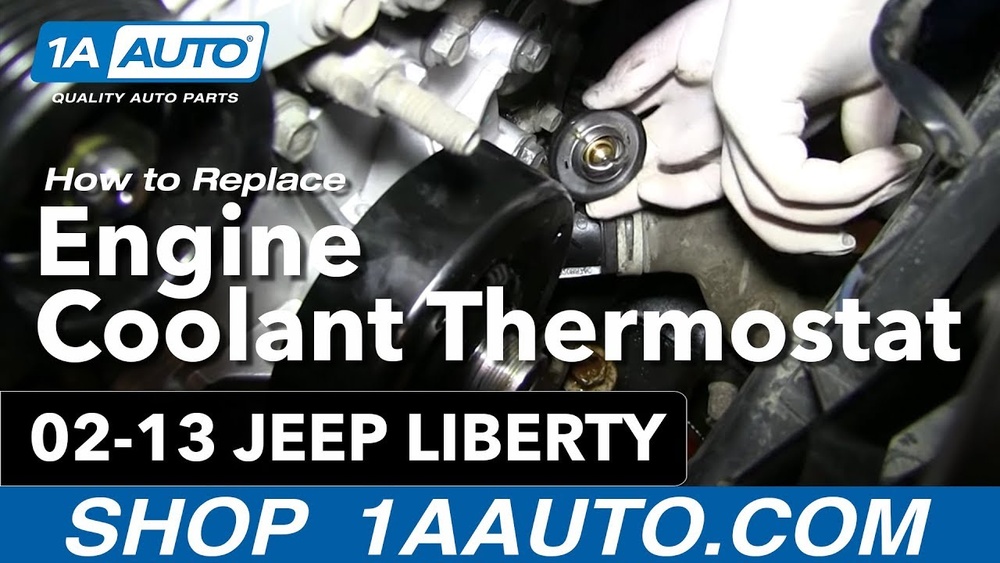
Why The Thermostat Matters
The thermostat in your Jeep Liberty opens and closes based on engine temperature. If it sticks closed, your engine can overheat. If it’s stuck open, your engine may not warm up enough, which hurts fuel economy and heat output. On most Jeep Liberty models, the thermostat lasts about 7-10 years, but it can fail sooner in harsh climates or if you use poor-quality coolant.
Signs Your Thermostat Needs Replacement
Look for these signs:
- Engine Overheating – Temperature gauge rises quickly or warning light comes on.
- Low Heat from Vents – Heater blows cold even when engine is warm.
- Coolant Leaks – Coolant overflow or leaks near the thermostat housing.
- Erratic Temperature Gauge – Needle jumps up and down or stays unusually low.
A stuck thermostat can also cause poor fuel mileage and even damage your engine if ignored.
Tools And Parts You’ll Need
Here’s what you should gather before you start:
- New thermostat (OEM or high-quality aftermarket)
- Thermostat gasket
- Socket set (metric and standard)
- Screwdrivers
- Pliers
- Coolant (consult your owner’s manual for type)
- Drain pan
- Clean rag
- Gasket scraper or razor blade
- Torque wrench (recommended)
- Safety gloves and glasses
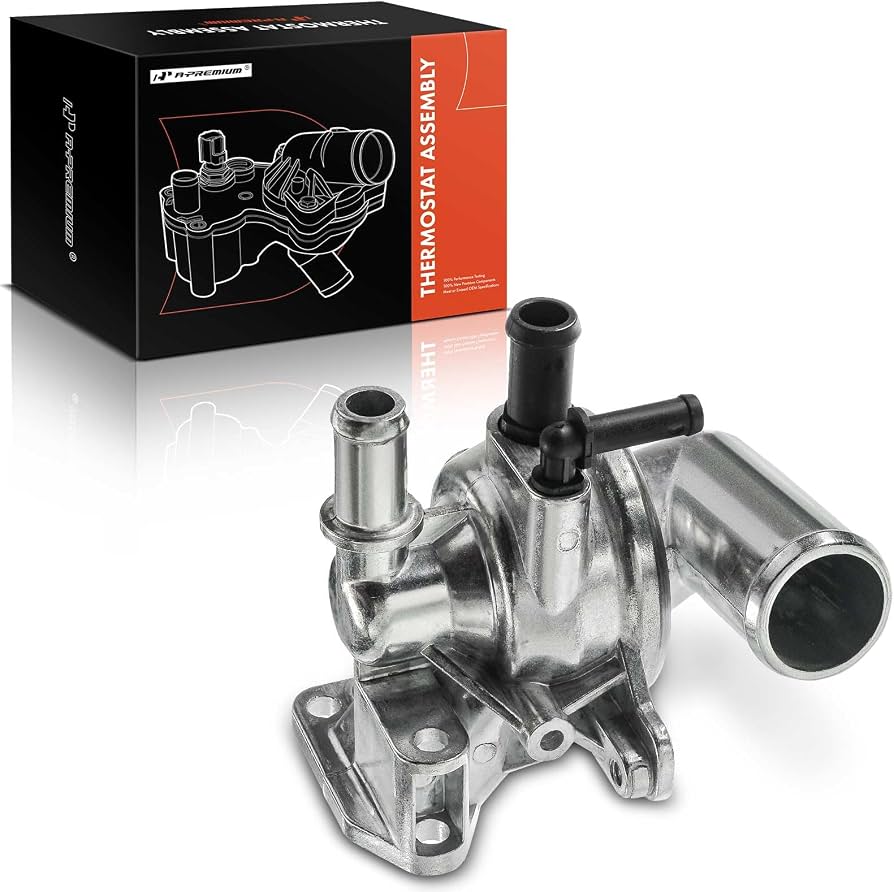
Some Jeep Liberty models (2002-2012) use a thermostat that comes with a new housing. Double-check your engine (3.
7L V6 is most common) before buying parts.
Step-by-step Replacement Guide
Follow these steps for a smooth thermostat replacement:
1. Let The Engine Cool
Never open the cooling system when hot. Wait at least 1 hour after turning off the engine.
2. Drain The Coolant
Place the drain pan under the radiator. Open the drain valve or remove the lower hose to let coolant flow out.
Save the coolant if you plan to reuse it.
3. Locate The Thermostat Housing
Follow the upper radiator hose to where it meets the engine. The housing is usually held by 2-3 bolts.
4. Remove The Housing
Use your socket set to loosen the bolts. Be careful—some coolant may still spill out.
5. Take Out The Old Thermostat
Note its orientation. Pull out the old thermostat and remove the gasket.
Scrape off any residue from the housing and engine surface.
6. Install The New Thermostat
Place the new gasket (dry or lightly coated with gasket sealant if recommended). Insert the new thermostat in the same direction as the old one.
7. Reattach The Housing
Tighten bolts evenly. Use a torque wrench if possible (usually 15-20 ft-lbs, but check your manual).
8. Refill Coolant
Add coolant slowly to avoid air pockets. Fill to the recommended level.
9. Bleed The System
Start the engine and let it warm up with the radiator cap off. Watch for bubbles—this releases trapped air. Add more coolant if needed.
10. Check For Leaks
Inspect the housing and hoses. Top off coolant after a short drive if necessary.
Typical Thermostat Costs
Here’s a quick comparison of costs:
| Item | DIY Cost | Shop Cost |
|---|---|---|
| Thermostat & Gasket | $20–$40 | $20–$40 |
| Coolant | $15–$30 | $15–$30 |
| Labor | $0 | $100–$180 |
| Total | $35–$70 | $135–$250 |
Replacing it yourself saves a lot, but if you’re not comfortable, a mechanic can do it in about 1–2 hours.
Common Mistakes To Avoid
Many first-timers make these errors:
- Reusing the old gasket – Always use a new gasket to prevent leaks.
- Wrong thermostat orientation – Install it in the same position as the old one.
- Not bleeding air – Air pockets can cause overheating.
- Over-tightening bolts – Can crack the housing or strip threads.
If you miss these, you may end up with leaks or another overheating problem soon after.
Pro Tips For A Smooth Job
- Use distilled water with antifreeze for best long-term performance.
- Clean the mating surfaces perfectly—old gasket material can cause leaks.
- Check all hoses while you’re at it. Replace if they’re soft or cracked.
- Test your new thermostat by heating it in water (should open around 195°F for most Jeeps).
Thermostat Specs: Jeep Liberty
Here’s a simple look at common Jeep Liberty thermostat specs:
| Model Year | Engine | Thermostat Temp | Housing Type |
|---|---|---|---|
| 2002–2007 | 3.7L V6 | 195°F (90°C) | Integrated (with housing) |
| 2008–2012 | 3.7L V6 | 195°F (90°C) | Integrated (with housing) |
| 2005–2006 | 2.8L Diesel | 180–195°F (82–90°C) | Separate (without housing) |
Always check your owner’s manual or parts supplier before buying.
When To Call A Mechanic
If you notice persistent overheating after changing the thermostat, you might have other problems like a clogged radiator, failed water pump, or head gasket issue. Don’t force the job if you feel unsure—an experienced mechanic can avoid expensive mistakes.
Frequently Asked Questions
<!– wp:rank-math/faq-block {"questions":[{"id":"faq-question-67aee753d745","title":"How Long Does It Take To Replace A Jeep Liberty Thermostat?","content":"It usually takes about 1 to 2 hours for a beginner, including draining and refilling coolant. An experienced person may finish in 45 minutes.
“,”visible”:true},{“id”:”faq-question-4aea0c3da568″,”title”:”Can I Drive My Jeep Liberty With A Bad Thermostat?”,”content”:”It’s risky. Driving with a stuck thermostat can overheat your engine or cause poor heating. You might cause major engine damage if you wait too long.
“,”visible”:true},{“id”:”faq-question-e59d61aea21c”,”title”:”What Coolant Should I Use After Replacing The Thermostat?”,”content”:”Jeep Liberties often use HOAT (Hybrid Organic Acid Technology) coolant. Check your owner’s manual for the right type and mix with distilled water.
“,”visible”:true},{“id”:”faq-question-ca8d240972f8″,”title”:”Do I Need To Replace The Thermostat Housing Too?”,”content”:”Many Jeep Liberty thermostats come pre-installed in a new housing. If yours does, you must replace the whole assembly, not just the thermostat.
“,”visible”:true},{“id”:”faq-question-967234d0a529″,”title”:”Where Can I Find More Information About Jeep Liberty Maintenance?”,”content”:”You can visit the Jeep Liberty Wikipedia page for more details and official references.
Replacing a thermostat on a Jeep Liberty is a straightforward job if you follow the steps closely. With the right tools, some patience, and a bit of care, you can keep your Jeep running cool for years to come.
“,”visible”:true}]} –>How Long Does It Take To Replace A Jeep Liberty Thermostat?
It usually takes about 1 to 2 hours for a beginner, including draining and refilling coolant. An experienced person may finish in 45 minutes.
Can I Drive My Jeep Liberty With A Bad Thermostat?
It’s risky. Driving with a stuck thermostat can overheat your engine or cause poor heating. You might cause major engine damage if you wait too long.
What Coolant Should I Use After Replacing The Thermostat?
Jeep Liberties often use HOAT (Hybrid Organic Acid Technology) coolant. Check your owner’s manual for the right type and mix with distilled water.
Do I Need To Replace The Thermostat Housing Too?
Many Jeep Liberty thermostats come pre-installed in a new housing. If yours does, you must replace the whole assembly, not just the thermostat.
Where Can I Find More Information About Jeep Liberty Maintenance?
You can visit the Jeep Liberty Wikipedia page for more details and official references.
Replacing a thermostat on a Jeep Liberty is a straightforward job if you follow the steps closely. With the right tools, some patience, and a bit of care, you can keep your Jeep running cool for years to come.