A grinding noise coming from the rear wheels of your Jeep Grand Cherokee Laredo can be a concerning sound. It often signals a problem that needs attention to ensure your vehicle's safety and performance.
This noise isn't just annoying; it can be an early warning of issues ranging from simple wear and tear to more serious mechanical failures. Understanding the potential causes, how to diagnose them, and what repairs might be needed is crucial for any Laredo owner.
The rear axle and wheel assembly on your Grand Cherokee Laredo is a complex system. It includes components like the wheel bearings, brakes, differential, and driveshaft.
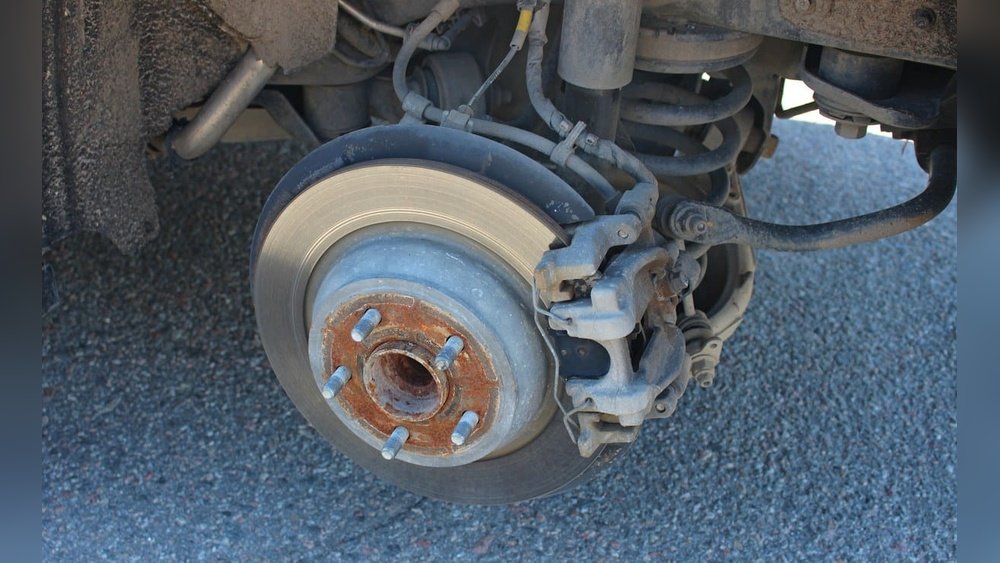
When any of these parts experience wear or damage, they can produce unusual sounds, with grinding being a common symptom.
Ignoring such a noise can lead to further damage, increased repair costs, and, most importantly, compromise your ability to drive safely. This guide will help you understand the common culprits behind a grinding noise from your rear wheels and what steps you can take to address it.
Common Causes Of Rear Wheel Grinding
Several components in the rear of your Jeep Grand Cherokee Laredo can cause a grinding sound. Identifying the exact source often requires a systematic approach, listening closely to when the noise occurs and under what conditions.
Worn Or Damaged Wheel Bearings
Wheel bearings are essential for allowing your wheels to spin freely with minimal friction. They are located at the hub of each wheel. Over time, dirt, water, or lack of lubrication can cause them to wear out. A failing wheel bearing often starts with a humming or grinding noise that gets louder with speed.
- Symptoms: The grinding noise typically changes with speed and may become more pronounced when turning. If you can, safely jack up the rear of your Jeep and try to wiggle the wheel. Any looseness or play in the wheel indicates a problem with the wheel bearing.
- Why it grinds: As the bearing wears, the metal races and rollers inside can become damaged. This damage creates uneven surfaces that rub against each other, producing a metallic grinding sound.
- Severity: A failed wheel bearing can eventually seize up, locking the wheel and causing a loss of control. It’s a critical safety component.
Brake System Issues
The braking system is another frequent source of grinding noises. When you apply the brakes, various components move and interact.
If any part of this system is worn or malfunctioning, it can create a grinding sensation.
- Worn Brake Pads: Brake pads have a metal backing plate and a friction material. When the friction material wears down to almost nothing, the metal backing plate can scrape against the brake rotor, causing a loud grinding noise. This usually happens during braking but can sometimes be heard constantly if the pads are severely worn and the rotor is damaged.
- Damaged Brake Rotors: Brake rotors are the metal discs that your brake pads clamp onto. If rotors are warped, scored, or have debris caught between them and the pads, they can produce grinding sounds. Deep grooves or a rough surface on the rotor will cause the pads to grind.
- Debris in Brakes: Sometimes, small stones, road salt, or other debris can get lodged between the brake pad and the rotor or within the brake caliper assembly. This can create a persistent grinding noise until the debris is dislodged or removed.
- Sticking Brake Caliper: The brake caliper houses the brake pads and a piston. If the caliper seizes or the piston doesn’t retract properly, the brake pad can remain in constant contact with the rotor, leading to continuous grinding and excessive heat.
Differential Problems
The differential is a crucial part of your Jeep’s drivetrain. It allows your rear wheels to rotate at different speeds when you turn. Inside the differential are gears that can wear out or be damaged.
- Low Differential Fluid: If the differential fluid level is too low, the gears inside won’t be adequately lubricated. This lack of lubrication can cause the gears to grind against each other, especially under load or when turning.
- Worn Gears: Over time, the teeth on the differential gears can wear down or chip. This wear can lead to excessive play between the gears, resulting in a grinding or clunking noise.
- Damaged Bearings: The differential also uses bearings to support its rotating components. If these bearings fail, they can produce grinding noises similar to wheel bearings, but often more localized to the center of the rear axle.
Driveshaft And U-joint Issues
The driveshaft connects the transmission to the differential, transferring power to the rear wheels. It has universal joints (U-joints) at each end that allow for changes in angle.
- Worn U-Joints: U-joints are critical for smooth power transfer. When they wear out, the bearings inside can become loose and damaged. A worn U-joint can produce a grinding or clunking noise, particularly when accelerating or decelerating, or when shifting into gear.
- Damaged Driveshaft: While less common, a bent or damaged driveshaft can cause vibrations and grinding noises as it rotates off-balance.
Diagnosing The Grinding Noise
Pinpointing the source of the grinding noise requires careful observation and a methodical approach. Here’s how you can start the diagnostic process.
Listen To When The Noise Occurs
The timing and conditions under which the grinding noise appears are key clues.
- Constant Grinding: If the noise is present all the time, even when the vehicle is moving straight and not braking, it could point to a wheel bearing or a severely damaged rotor/pad situation where the pad is always dragging.
- Grinding When Braking: This strongly suggests an issue with the brake system. Worn pads, scored rotors, or debris caught in the brakes are the most likely culprits.
- Grinding When Turning: This often indicates a problem with the wheel bearing on the side you are turning towards, or potentially a differential issue if it happens during turns in both directions.
- Grinding During Acceleration/Deceleration: This could be related to the driveshaft (U-joints) or the differential. The load changes on these components during acceleration and deceleration can make worn parts more audible.
- Speed-Dependent Noise: If the grinding noise increases or decreases directly with vehicle speed, it’s very likely related to a rotating component like a wheel bearing, a rotor, or something within the differential or driveshaft.
Perform A Visual Inspection
Once you have some initial clues, a physical inspection can help confirm your suspicions.
- Check the Brakes:
- Safely jack up the rear of your Jeep.
- Remove the rear wheels (one at a time is sufficient for initial inspection).
- Visually inspect the brake pads. Look for the thickness of the friction material. If it’s very thin or almost gone, they need replacement.
- Examine the brake rotors for deep grooves, scoring, or signs of warping (discoloration).
- Check if any debris is visible around the caliper, pads, or rotor.
- Test the Wheel Bearings:
- With the wheel removed, try to move the hub assembly. There should be no play or looseness.
- Spin the hub by hand. Listen and feel for any roughness, clicking, or grinding sensations. A smooth, quiet spin is what you want.
- If the wheel bearing feels rough or loose, it’s almost certainly the source of your grinding noise.
- Inspect the Driveshaft and Differential:
- Visually inspect the driveshaft for any signs of damage or bends.
- Check the U-joints for excessive play or damage. Try to wiggle them by hand. There should be minimal movement.
- For the differential, check the fluid level and condition if possible. Low or dirty fluid can be an indicator. Inspect the differential housing for leaks.
Consider Professional Diagnosis
If you’re not comfortable performing these checks or if the source of the noise remains unclear, it’s always best to take your Jeep Grand Cherokee Laredo to a qualified mechanic. They have specialized tools and experience to accurately diagnose the problem.

Repairing The Grinding Noise
The repair process will depend entirely on the identified cause of the grinding. Here’s a look at common repairs.
Replacing Wheel Bearings
If a wheel bearing is diagnosed as faulty, it will need to be replaced. This is a moderately complex job.
- Process: The hub assembly typically needs to be removed, which may involve pressing out the old bearing and pressing in a new one. In some cases, the entire hub assembly is replaced as a unit.
- Tools: Special tools are often required, such as a bearing press and puller.
- Cost: The cost varies depending on the make and model, but parts and labor can range from $200 to $600 per wheel bearing.
- DIY vs. Professional: While some experienced DIYers can tackle this, it’s often best left to a professional due to the specialized tools and precision required.
Brake System Repairs
Repairs to the brake system are common and essential for safety.
- Brake Pad Replacement: This is a routine maintenance item. New pads are installed onto the caliper bracket.
- Rotor Resurfacing or Replacement: If rotors are significantly scored or warped, they may need to be replaced. Minor damage might allow for resurfacing (machining them flat again), but replacement is often more cost-effective and ensures better performance.
- Caliper Service: If a caliper is sticking, it may need to be rebuilt (new seals and piston) or replaced entirely.
- Debris Removal: Often, simple cleaning and removal of lodged debris can solve the grinding issue.
- Cost: Replacing brake pads and rotors typically ranges from $300 to $700 per axle, depending on the parts chosen and labor rates. Caliper repairs can add to this cost.
Differential Service
Issues with the differential can be more involved.
- Fluid Change: If the fluid was low or dirty, a differential fluid change is necessary. This involves draining the old fluid and refilling it with the correct type and amount of gear oil.
- Gear/Bearing Replacement: If the internal gears or bearings are damaged, the differential will need to be disassembled. This is a complex repair that usually requires specialized knowledge and tools. It may involve replacing bearings, seals, and potentially the differential gears themselves.
- Cost: A simple fluid change might cost $100-$200. Rebuilding or replacing differential components can be significantly more expensive, potentially ranging from $1,000 to $3,000 or more.
Driveshaft And U-joint Replacement
Replacing worn U-joints is a critical repair for drivetrain integrity.
- Process: The driveshaft is typically removed, and the old U-joints are pressed out and new ones pressed in. Sometimes, the entire driveshaft assembly might need replacement if it’s bent or severely damaged.
- Tools: A press is usually needed to remove and install U-joints.
- Cost: Replacing U-joints typically costs $200-$500 per joint, including parts and labor. Driveshaft replacement will be more expensive.
When To Seek Professional Help
While some basic checks can be done at home, certain repairs are best left to the professionals.
- Safety Concerns: If the grinding noise is loud, sudden, or accompanied by other symptoms like vibrations, pulling to one side, or braking issues, stop driving the vehicle immediately and have it towed to a mechanic.
- Lack of Experience or Tools: Working on brakes, wheel bearings, and drivetrain components requires specific knowledge and tools. If you lack these, attempting the repair yourself could lead to further damage or unsafe conditions.
- Complex Repairs: Differential work, especially, is intricate and requires a deep understanding of gear backlash and setup.
- Warranty: If your Jeep is still under warranty, any repairs should be performed by a dealership to avoid voiding the warranty.

Preventative Maintenance Tips
Regular maintenance can help prevent many of the issues that lead to grinding noises.
- Regular Brake Inspections: Have your brake pads and rotors inspected at every oil change or tire rotation. Catching wear early can prevent rotor damage and more expensive repairs.
- Check Drivetrain Fluids: Ensure that your differential fluid is checked and changed according to the manufacturer’s recommended service intervals. This lubrication is vital for the longevity of the gears.
- Listen to Your Vehicle: Pay attention to any new sounds your Jeep is making. Unusual noises are often the first sign of a developing problem.
- Address Minor Issues Promptly: Don’t ignore small sounds or vibrations. A minor issue today can become a major, costly repair tomorrow. For example, a slightly loose suspension component could put extra stress on a wheel bearing over time.
Understanding The Jeep Grand Cherokee Laredo’s Rear Suspension And Drivetrain
The Jeep Grand Cherokee Laredo, particularly models with 4WD or AWD systems, has a robust rear axle and drivetrain designed for capability. Understanding its basic layout can help in diagnosing issues.
The rear axle houses the differential, which splits power to the two rear wheels.
This differential contains several gears that allow for different wheel speeds during turns. Connected to the differential is the driveshaft, which transmits power from the transfer case.
At the end of the driveshaft is a U-joint, allowing for articulation. The wheels themselves are mounted on hubs, which contain the wheel bearings that allow them to spin freely.
The braking system is integrated into this assembly, with rotors attached to the hubs and calipers housing the brake pads. When you brake, the pads squeeze the rotors, slowing the vehicle.
Any wear or damage in any of these interconnected components can manifest as a grinding noise.
The Role Of The Differential In Noise Production
The differential is often a source of grinding or clunking noises, especially in older vehicles or those that have been subjected to heavy use. Its internal gears are constantly working, and if lubrication is insufficient or if the gear teeth become worn or chipped, they can grind against each other. This is particularly noticeable during turns when the gears are under stress. Low differential fluid is a common culprit, often due to leaks or simply not being topped up during routine maintenance.
Wheel Bearings And Their Failure Modes
Wheel bearings are designed to last for many miles, but they are not indestructible. Factors like driving through deep water, exposure to road salt, or even just the cumulative effect of millions of rotations can lead to wear. Once the protective grease inside the bearing starts to degrade or escape, or if contaminants enter, the metal surfaces begin to wear. This wear creates play in the bearing, allowing the wheel hub to move slightly. This movement causes the internal components of the bearing (balls or rollers and races) to grind against each other. The noise often starts as a subtle hum but can quickly escalate to a loud grinding sound, especially at higher speeds.
Brake System Components And Noise
The brake system is designed to create friction to slow the