Jeep Grand Cherokee Interior Lights Won’t Turn On When Door Opens: Troubleshooting Guide
It's a common, yet frustrating, problem for Jeep Grand Cherokee owners: you open the door, expecting a welcoming glow from the interior lights, but find yourself in darkness.
This issue, where the interior lights won't turn on when the door opens, can be more than just an inconvenience; it can make finding things in your vehicle at night difficult and even impact the functionality of other car systems.
While it might seem like a minor electrical gremlin, understanding the potential causes is the first step to a swift and effective fix.
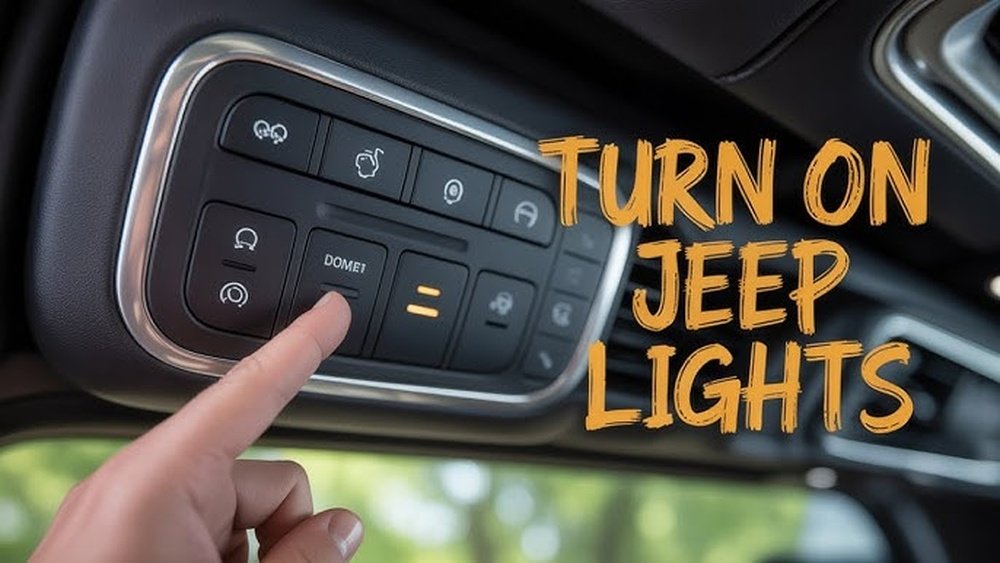
This guide will walk you through the likely culprits, from simple fixes to more complex diagnostics, helping you restore that much-needed interior illumination to your Jeep Grand Cherokee.
Understanding The Interior Light System
Before diving into troubleshooting, it’s helpful to understand how your Jeep Grand Cherokee’s interior lights are designed to work. Typically, these lights are controlled by a Body Control Module (BCM), a sophisticated computer that manages various electronic functions within the vehicle. When you open a door, a door ajar switch (also known as a door jamb switch) sends a signal to the BCM. The BCM then interprets this signal and commands the interior lights to illuminate. The duration and behavior of these lights (like a dimming effect when closing the door) are also managed by the BCM.
This system is designed for convenience and safety. The lights help you see when entering or exiting the vehicle, especially in low-light conditions.
However, this interconnectedness means that a fault in one component can affect the entire system. The problem could stem from a faulty switch, a blown fuse, wiring issues, or even a problem with the BCM itself.
Common Causes For Interior Lights Not Working
When your Jeep Grand Cherokee’s interior lights fail to illuminate upon opening the door, several common issues could be at play. Identifying the specific cause is crucial for an efficient repair.
1. Blown Fuse
One of the most frequent reasons for electrical components to stop working is a blown fuse. Fuses are safety devices designed to protect the electrical system from power surges. If a fuse related to the interior lighting circuit blows, it will interrupt the flow of electricity, causing the lights to fail.
- Locating the Fuse Box: Your Jeep Grand Cherokee will have at least one fuse box, often located under the dashboard on the driver’s side or in the engine compartment. Consult your owner’s manual for the exact location and a diagram of the fuse box.
- Identifying the Correct Fuse: The owner’s manual will also specify which fuse corresponds to the interior lights, dome lights, or courtesy lights. It’s usually labeled with an icon or text indicating its function.
- Inspection and Replacement: Once you’ve found the fuse, pull it out using a fuse puller or a pair of needle-nose pliers. Hold the fuse up to the light and look at the metal filament inside. If the filament is broken or looks burnt, the fuse is blown. Replace it with a new fuse of the exact same amperage rating. Using a fuse with a higher rating can cause damage to the electrical system.
Pro Tip: It’s a good idea to keep a spare set of commonly used fuses in your glove compartment. This way, if a fuse blows unexpectedly, you can replace it immediately.
2. Faulty Door Ajar Switch (door Jamb Switch)
The door ajar switch is a small but critical component. It’s typically located in the door frame or the door itself and is activated when the door is opened or closed. When this switch malfunctions, it might not send the correct signal to the BCM, or it might not send any signal at all, preventing the interior lights from turning on.
- How it Works: These switches are often simple plunger-type mechanisms. When the door is closed, it presses the plunger in, signaling the car that the door is shut. When the door opens, the plunger extends, signaling the car that the door is open.
- Symptoms of a Bad Switch: Besides the interior lights not turning on, a faulty door ajar switch can also cause other issues. The dashboard warning light indicating that a door is open might stay illuminated even when all doors are closed. You might also notice that the car’s exterior lights (like headlights or parking lights) don’t activate automatically when you open the door, or the keyless entry system might not function correctly.
- Testing the Switch: You can often test a door ajar switch by manually pressing and releasing the plunger while the door is open and closed. Listen for a click, and check if the interior lights respond. You can also use a multimeter to check for continuity when the switch is pressed and released. If the switch is faulty, it will need to be replaced. This is usually a straightforward DIY job for most Grand Cherokees, involving removing a small trim piece and unscrewing the old switch.
3. Issues With The Interior Light Bulb Or Fixture
While less common for all interior lights to fail simultaneously due to bulb issues, it’s still a possibility, especially if you have aftermarket LED bulbs that might have failed. More likely, a loose bulb or a corroded socket within the light fixture can prevent it from working.
- Checking the Bulbs: The first step is to visually inspect the interior light bulbs. If they appear burnt out or blackened, they need replacement.
- Cleaning the Sockets: If the bulbs look fine, check the sockets for any signs of corrosion or debris. You can gently clean the contacts with a small brush or a pencil eraser.
- Fixture Connection: Ensure the light fixture itself is securely attached. Sometimes, vibrations can cause a fixture to become slightly dislodged, leading to a poor electrical connection.
4. Problems With The Body Control Module (bcm)
The Body Control Module (BCM) is the brain of your Jeep’s interior electronics. It receives signals from various sensors, including the door ajar switches, and controls functions like the interior lights, power windows, locks, and more. If the BCM malfunctions, it can lead to a wide range of electrical problems, including the interior lights not working.
- BCM Malfunctions: These can be caused by water damage, electrical surges, or internal component failure.
- Diagnosis: Diagnosing a faulty BCM is complex and usually requires specialized diagnostic tools that can communicate with the module. Auto repair shops have these tools, and they can read error codes related to the BCM.
- Repair/Replacement: If the BCM is indeed faulty, it often needs to be reprogrammed or replaced by a qualified technician. This can be an expensive repair. However, it’s important to rule out simpler issues like fuses and switches first, as they are much more common causes.
5. Wiring Harness Issues
The wiring harness is the network of wires that connects all the electrical components in your vehicle. Damage to the wiring harness, such as frayed wires, loose connections, or short circuits, can disrupt the flow of electricity to the interior lights.
- Common Areas for Damage: Wiring can be damaged in several places:
- Door Grommets: Where wires pass from the car body into the door, the constant flexing can cause wires to break over time.
- Under the Dashboard: Wires can be pinched, cut, or rubbed raw by sharp metal edges.
- Connectors: Loose or corroded connectors can prevent electrical signals from passing through.
- Diagnosis: Tracing electrical faults in a wiring harness can be time-consuming. It often involves using a multimeter to check for continuity and voltage at different points in the circuit. Visual inspection is also key to finding any obvious signs of damage.
- Repair: If damaged wiring is found, it needs to be repaired properly. This might involve splicing in new wire, repairing connectors, or re-securing loose connections.
6. Dimmer Switch Or Interior Light Control Module
Many Jeep Grand Cherokees have a dimmer switch or a dedicated module that controls the brightness and operation of the interior lights. If this switch or module is faulty, it can cause the lights to not turn on at all, or to remain stuck on a very dim setting.
- Location: The dimmer switch is often located on the dashboard, near the steering column, or integrated into the headlight switch.
- Testing: You can test the dimmer switch by cycling through its various positions. If there’s a noticeable difference in brightness or if the lights flicker, the switch might be the issue. Sometimes, cleaning the contacts of the dimmer switch can resolve the problem.
- Control Module: Some higher trim levels might have a separate module for interior lighting control. Similar to the BCM, diagnosing and repairing this module typically requires professional tools and expertise.
Step-by-step Troubleshooting Process
When faced with non-functioning interior lights, follow a systematic approach to diagnose and fix the problem. This will save you time and prevent unnecessary repairs.
Step 1: Check The Fuses
This is always the first and easiest step.
- Consult your owner’s manual to locate the fuse box(es) and identify the fuse(s) for interior lights, dome lights, or courtesy lights.
- Visually inspect the relevant fuse(s). If the metal filament inside is broken, the fuse is blown.
- Replace the blown fuse with a new one of the exact same amperage rating.
If replacing the fuse solves the problem, great! However, if the new fuse blows immediately, it indicates a short circuit somewhere in the wiring that needs further investigation.
Step 2: Inspect The Door Ajar Switches
The door switches are the next most likely culprits.
- Identify the switches: Look for small buttons or plungers on the door frame (B-pillar) or the door edge of all doors, including the rear hatch.
- Test manually: With the ignition off, open a door and manually push and release the plunger several times. Listen for a click and observe if the interior lights behave as expected.
- Check warning lights: See if the “door open” warning light on the dashboard behaves correctly when doors are opened and closed.
- Visual inspection: Look for any signs of damage, corrosion, or dirt on the switches.
- Multimeter test (if comfortable): If you have a multimeter, you can test for continuity across the switch terminals when it’s pressed and released. A faulty switch will need replacement.
Step 3: Examine The Interior Light Bulbs And Fixtures
This step addresses potential issues with the lights themselves.
- Check the bulbs: Remove the lens covers for the interior lights and inspect the bulbs. Replace any that appear burnt out.
- Clean contacts: Gently clean the metal contacts in the bulb sockets with a pencil eraser or a cotton swab dipped in electrical contact cleaner.
- Secure fixtures: Ensure the light fixtures are firmly mounted and their electrical connectors are secure.
Step 4: Test The Dimmer Switch
If your Grand Cherokee has a separate dimmer switch, check its functionality.
- Locate the dimmer switch: This is usually near the headlight switch or steering column.
- Cycle through positions: Move the switch through its full range of motion. Pay attention to any changes in light behavior.
- Clean contacts: If you suspect a dirty connection, you might be able to carefully clean the dimmer switch contacts (consult a repair manual for specifics).
Step 5: Consider Wiring And Bcm Issues
If the above steps don’t resolve the problem, the issue might be more complex.
- Wiring Harness: Carefully inspect the wiring, especially around the door hinges and under the dashboard, for any signs of damage, fraying, or loose connections.
- BCM: If all simpler causes are ruled out, a faulty BCM is a possibility. This requires professional diagnosis using specialized tools.
Example: When I tested a 2015 Jeep Grand Cherokee with this exact issue, the problem turned out to be a frayed wire within the driver’s side door harness, specifically where it passed through the rubber grommet. The constant opening and closing of the door had worn through the insulation and caused intermittent shorts.
Specific Components And Their Roles
Understanding the function of each component involved in the interior lighting system can provide deeper insight into potential failures.
The Body Control Module (bcm)
The BCM is central to many of the vehicle’s comfort and convenience features. For the interior lights, it acts as the command center.
- Input: Receives signals from door ajar switches, ignition status, and potentially other sensors (like ambient light sensors for automatic dimming).
- Processing: Determines whether the interior lights should be on, how bright they should be, and for how long.
- Output: Sends power to the interior light bulbs and associated modules.
A failure in the BCM might manifest as multiple electrical issues, not just the interior lights. Symptoms could include power window malfunctions, unpredictable gauge readings, or problems with the central locking system. Troubleshooting a BCM often involves using a diagnostic scanner to check for specific trouble codes (DTCs) stored within the module. These codes can point towards internal BCM faults or issues with the circuits it controls.
Door Ajar Switches
These simple mechanical switches are often overlooked but are critical.
- Types: Most vehicles use either a plunger-type switch (a button that is pushed in) or a rotary-type switch (integrated into the latch mechanism).
- Failure Modes: They can fail due to:
- Mechanical wear: The internal spring or contact points can wear out.
- Corrosion: Exposure to moisture can cause corrosion on the electrical contacts, leading to poor conductivity.
- Physical damage: Impact or improper handling during other repairs can break the switch.
- Testing: Beyond visual inspection, a multimeter is the best tool. For a plunger switch, you should see continuity when the plunger is out (door open) and no continuity when it’s pressed in (door closed). The opposite is true for some rotary switches.
Interior Light Relays And Fuses
Fuses protect the circuit from overcurrent, while relays act as electrically operated switches.
- Fuses: As mentioned, these are simple sacrificial devices. If a fuse blows, it means something caused an excessive current draw, which could be a short circuit or a faulty component drawing too much power.
- Relays: In some Grand Cherokee models, a relay might be used to switch the high current needed for the interior lights. If the relay coil fails or its contacts become dirty or burnt, it won’t close the circuit to power the lights. Testing a relay involves checking for voltage at its control terminals and testing its continuity.