The Jeep Grand Cherokee has earned a loyal following for its off-road capability and premium features. But if you look deeper, engine problems have been a major concern for owners across different model years. Some issues are minor, but others have led to expensive repairs, engine replacements, and even recalls.
Understanding these problems is key if you own a Grand Cherokee or plan to buy one. Let’s explore the common engine troubles, their causes, real-world examples, and how to prevent them.
Jeep Grand Cherokee Engine Overview
The Grand Cherokee comes with several engine options depending on the year and trim:
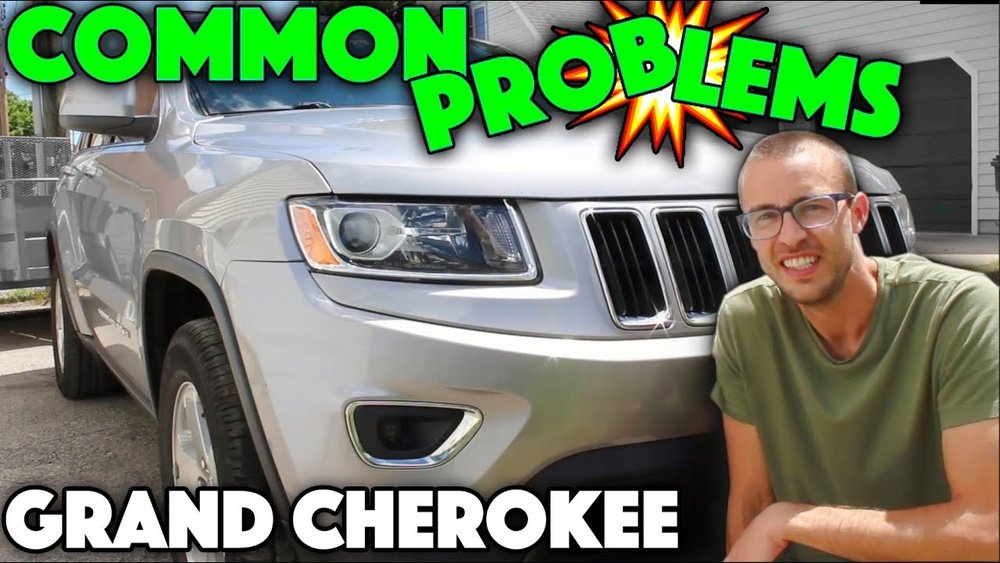
- 3.6L Pentastar V6: Most common in recent models.
- 5.7L Hemi V8: Known for power but sometimes thirsty and prone to certain failures.
- 3.0L EcoDiesel V6: Offered for fuel efficiency, but with its own quirks.
- 6.2L Hellcat V8: Found in high-performance variants like the Trackhawk.
Each engine type has its unique set of issues, but some problems are shared across the lineup.
Most Common Engine Problems
1. Oil Leaks
Oil leaks are reported frequently, especially in older Grand Cherokees and those with high mileage. Leaks often come from the valve cover gaskets, oil pan gasket, or rear main seal. If left unchecked, a simple leak can cause low oil levels, leading to engine damage.
- Symptoms: Oil spots under the vehicle, burning oil smell, engine warning light.
- Typical Repair Cost: $400–$900, depending on location and engine.
2. Stalling And Rough Idling
Many owners complain about the engine stalling at low speeds or idling roughly. This is most common in the 2011–2014 models with the Pentastar V6.
- Causes: Faulty crankshaft position sensor, throttle body, or PCM (powertrain control module).
- Impact: Can cause dangerous situations if the engine stalls while driving.
3. Ticking Noise (pentastar V6)
The Pentastar V6 is known for a ticking sound from the engine. This noise often comes from failed rocker arms or lifters, and sometimes a faulty camshaft.
- Repair Cost: $1,000–$2,000 if caught early; much more if damage spreads.
- Non-obvious Insight: Regular oil changes help reduce this risk, as dirty oil accelerates wear.
4. Timing Chain And Camshaft Issues
Timing chain problems are rare, but when they happen, they can destroy the engine. Camshaft failures, especially in the Pentastar V6, often appear as misfires and rough running.
- Signs: Engine misfire codes, loss of power, metallic noise.
- Repair Cost: Can exceed $2,500 if major internal parts are affected.
5. Ecodiesel Problems
The 3.0L EcoDiesel engine offers great fuel economy but has had issues with EGR (exhaust gas recirculation) cooler failures, leading to coolant leaks and engine overheating.
- Recall: In 2019, FCA recalled thousands of EcoDiesel Grand Cherokees for EGR cooler problems.
- Insight: Diesel engines need special maintenance. Using the wrong oil or skipping service increases risks.
6. Engine Overheating
Overheating affects all engine types, but is more common in V8 models. Causes include failed water pumps, radiator leaks, or clogged thermostats.
- Symptoms: High temperature gauge, steam from the hood, engine warning light.
- Repair Cost: $300–$900, but can reach $3,000+ if the engine gets damaged.
7. Oil Consumption
Excessive oil consumption is reported on both V6 and V8 engines. Owners often notice the oil level dropping faster than normal, sometimes with no visible leaks.
- Possible Causes: Worn piston rings, valve seals, or PCV system issues.
- Effect: Running low on oil can cause engine seizure.
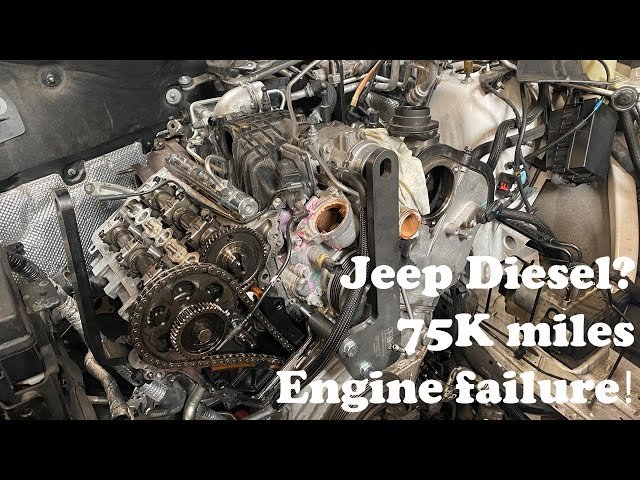
Real-world Data: Engine Failure Rates
To understand how often these problems happen, here’s a comparison of failure rates by engine type:
| Engine Type | Reported Engine Failures (per 1,000 units) | Most Common Cause |
|---|---|---|
| 3.6L Pentastar V6 | 28 | Rocker arm/lifter failure |
| 5.7L Hemi V8 | 21 | Oil leaks |
| 3.0L EcoDiesel V6 | 17 | EGR cooler failure |
| 6.2L Hellcat V8 | 12 | Overheating |
This data shows that the Pentastar V6 is more likely to experience serious engine problems than other options, especially as mileage increases.
Repair Costs: What To Expect
Engine repairs can be expensive, especially if you catch problems late. Here’s a breakdown of average costs for common repairs:
| Repair Type | Estimated Cost (USD) | Time Required |
|---|---|---|
| Oil Leak Fix | $400–$900 | 4–8 hours |
| Stalling/Rough Idle Repair | $250–$650 | 2–5 hours |
| Rocker Arm/Lifter Replacement | $1,000–$2,000 | 8–16 hours |
| Timing Chain/Camshaft Repair | $2,500–$4,000 | 16–24 hours |
| EcoDiesel EGR Cooler Replacement | $1,200–$1,800 | 8–12 hours |
| Engine Replacement | $5,000–$8,000 | 24–40 hours |
These figures are averages. Costs may vary by region and dealer. Labor is a big part of the total price.
How To Prevent Engine Problems
1. Regular Maintenance
Stick to the recommended service schedule. Many engine failures happen because owners skip oil changes or ignore warning lights.
- Tip: Use the correct oil type and change it every 5,000–7,500 miles.
- Non-obvious Insight: Using high-quality oil filters helps prevent small debris from damaging engine parts.
2. Monitor Fluid Levels
Check oil and coolant levels monthly. If you notice drops, investigate for leaks or other issues.
- Tip: Look for oil spots where you park; they’re often the first clue.
3. Respond To Warning Lights
Never ignore the check engine light. It might signal simple issues, but sometimes warns about serious internal problems.
4. Avoid Overheating
Keep your cooling system in good shape. Replace the thermostat, water pump, and hoses as recommended.
- Practical Example: If the temperature gauge goes up, pull over and let the engine cool before driving further.
5. Use Quality Parts
When repairing, use OEM or high-quality aftermarket parts. Cheap parts may fail sooner and cause more damage.
6. Diesel Engine Care
If you own the EcoDiesel, follow diesel-specific maintenance. Use the right oil, fuel, and clean the EGR system regularly.
Which Years Are Most Affected?
Not all Grand Cherokees have the same risk. Owners report more engine problems in these years:
- 2011–2014: Pentastar V6 issues, especially ticking noise and stalling.
- 2014–2016: EcoDiesel EGR cooler failures, recalls.
- 2017–2018: Some Hemi V8 oil leaks, timing problems.
Later models (2019+) fixed many issues, but regular maintenance is still crucial.

Comparing Jeep Grand Cherokee To Other Suvs
How does the Grand Cherokee stack up against similar SUVs for engine reliability?
| Model | Engine Reliability Score (1–10) | Average Engine Repair Cost (USD) |
|---|---|---|
| Jeep Grand Cherokee | 6.4 | $1,350 |
| Toyota 4Runner | 8.2 | $950 |
| Ford Explorer | 7.0 | $1,200 |
| Chevrolet Tahoe | 7.5 | $1,250 |
While the Grand Cherokee offers more engine choices and performance, it scores lower for reliability compared to Toyota and Chevrolet. Repair costs are also higher.
Signs Your Engine May Have A Problem
Spotting issues early can save you thousands. Watch for:
- Strange noises: Ticking, knocking, or grinding.
- Fluid leaks: Oil or coolant under the vehicle.
- Warning lights: Check engine, oil pressure, or temperature.
- Loss of power: Sluggish acceleration or engine misfire.
- Excessive exhaust smoke: Blue or white smoke signals burning oil or coolant.
If you notice any of these, get the engine checked immediately.
Should You Buy A Grand Cherokee?
The Jeep Grand Cherokee is still a strong choice for drivers who want off-road capability and luxury. But you must be aware of engine problems and plan for higher maintenance costs. Buying a newer model or one with a full service history reduces risk. Always check for recalls and review the car’s maintenance record before purchasing.
Frequently Asked Questions