When your Jeep Grand Cherokee shows a warning light or behaves strangely, it’s like a doctor telling you something is wrong. But instead of a stethoscope, you need a diagnostic tool.
This special device connects to your Jeep’s computer system and reads codes that explain the problem. Think of it as the Jeep’s language, and the diagnostic tool is the translator.
Choosing the right diagnostic tool for your Grand Cherokee is important. There are many options, from simple code readers to advanced professional scanners.
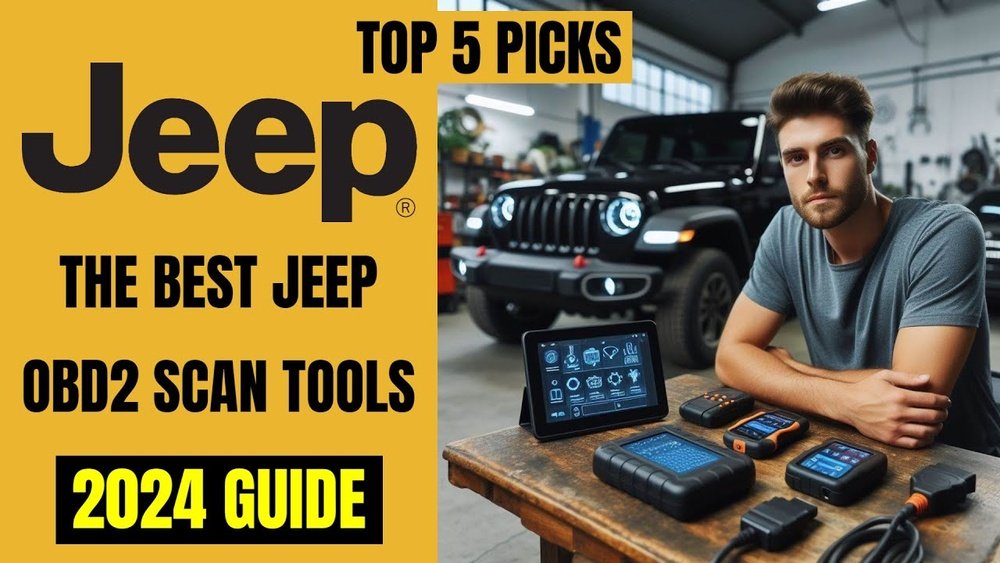
This guide will help you understand what to look for, what features are useful, and how to pick the best tool for your needs and budget.
Whether you’re a DIY mechanic or just want to understand what the shop is telling you, this information will be very helpful.
Why You Need A Jeep Grand Cherokee Diagnostic Tool
Your Jeep Grand Cherokee is a complex machine with many electronic control units (ECUs). These ECUs manage everything from the engine and transmission to the airbags and anti-lock brakes. When a sensor or system fails, the ECU stores a diagnostic trouble code (DTC). This code is a specific number that points to the area of the problem.
Without a diagnostic tool, these codes are hidden. You might notice symptoms like poor engine performance, strange noises, or warning lights on the dashboard. But without the DTC, you’re guessing about the cause. A diagnostic tool allows you to:
- Read DTCs: This is the primary function. The tool retrieves the codes stored by the ECU, giving you a starting point for troubleshooting.
- Clear DTCs: After fixing a problem, you can use the tool to clear the codes and turn off the warning light. This confirms your repair was successful.
- View Live Data: Many advanced tools can show you real-time data from various sensors. This includes engine RPM, coolant temperature, vehicle speed, oxygen sensor readings, and more. This live data is crucial for diagnosing intermittent issues or performance problems.
- Perform System Tests: Some tools can command specific components to activate, like turning on a fuel pump or testing an ABS solenoid. This helps isolate faulty parts.
- Access Other Systems: Beyond the engine, modern tools can often access other vehicle systems like the transmission, ABS, airbags (SRS), body control module (BCM), and more. This is vital for a complete diagnosis.
Using a diagnostic tool can save you a lot of money. Instead of taking your Jeep to a mechanic for every minor issue, you can often diagnose the problem yourself.
This not only saves on labor costs but also helps you understand your vehicle better and make informed decisions about repairs.
Types Of Jeep Grand Cherokee Diagnostic Tools
The world of diagnostic tools ranges from basic to highly sophisticated. Understanding the different types will help you find one that fits your needs.
Basic Obd-ii Code Readers
These are the simplest and most affordable diagnostic tools. They plug into the OBD-II port (On-Board Diagnostics II), which is usually located under the dashboard on the driver’s side.
What they do:
- Read and display generic DTCs (P0xxx codes).
- Clear generic DTCs.
- Turn off the Check Engine Light.
- Some may show freeze-frame data, which is a snapshot of sensor readings at the moment a DTC was set.
Who they are for:
- Car owners who want to know why their Check Engine Light is on.
- DIYers who need a starting point for simple repairs.
Limitations:
- Cannot read manufacturer-specific codes (e.g., Jeep P1xxx codes).
- Limited live data capabilities.
- Cannot access other vehicle systems (ABS, SRS, Transmission, etc. ).
- Cannot perform active tests or resets.
Advanced Obd-ii Scanners
These tools offer more features than basic code readers. They are more powerful and can provide deeper insights into your Jeep’s systems.
What they do:
- Read and clear generic and manufacturer-specific DTCs.
- View live data streams in real-time, often in graph or digital format.
- Access multiple vehicle modules (Engine, Transmission, ABS, SRS, BCM, etc. ).
- Some offer freeze-frame data for detailed analysis.
- May include basic reset functions (e.g., oil light reset).
Who they are for:
- Enthusiast DIYers who want to do more complex diagnostics and maintenance.
- Small independent repair shops.
Limitations:
- May not have advanced programming or coding capabilities.
- Can be more expensive than basic readers.
Professional Diagnostic Scan Tools
These are high-end tools used by professional mechanics and dealerships. They offer the most comprehensive diagnostic capabilities.
What they do:
- All functions of advanced scanners.
- Bi-directional control: Allows you to send commands to vehicle components to test their function (e.g., activate a specific injector, turn on a cooling fan).
- ECU programming and coding: Can update or replace software in control modules, and adapt new parts to the vehicle.
- Access to almost all vehicle modules and systems.
- Detailed system-specific tests and procedures.
- Often include access to online technical databases.
Who they are for:
- Professional automotive repair shops.
- Technicians specializing in specific brands.
Limitations:
- Very expensive, often costing thousands of dollars.
- Require extensive training to use effectively.
- May need regular software updates and subscriptions.

Key Features To Look For In A Jeep Grand Cherokee Diagnostic Tool
When you’re shopping for a diagnostic tool for your Jeep Grand Cherokee, certain features will make your life much easier and provide more diagnostic power.
1. Obd-ii Compliance And Protocol Support
Ensure the tool is fully OBD-II compliant. This standard is mandatory for all vehicles sold in the US since 1996. It ensures the tool can communicate with your Jeep’s powertrain control module. Also, check if it supports protocols like CAN (Controller Area Network), which is common in modern vehicles like your Grand Cherokee. Most modern scanners do, but it’s good to verify.
2. Manufacturer-specific Code Access
Your Jeep Grand Cherokee has unique codes that generic readers can’t access. A good scanner should be able to read Jeep-specific DTCs (often starting with P1xxx). These codes provide more precise information about issues related to your vehicle’s specific systems, such as the engine, transmission, or emissions control.
3. Live Data Streaming And Graphing
The ability to view live data from various sensors is incredibly valuable. This includes things like:
- Engine RPM
- Vehicle Speed
- Engine Coolant Temperature
- Mass Air Flow (MAF) sensor readings
- Oxygen (O2) sensor voltages
- Throttle Position Sensor (TPS) readings
Being able to see this data in real-time, and ideally in a graphical format, helps you identify performance issues, misfires, or sensor malfunctions that might not trigger a DTC immediately. For example, watching an O2 sensor graph can reveal if it’s responding correctly to fuel mixture changes.
4. Abs, Srs, And Transmission Module Access
Many common problems aren’t related to the engine. Issues with the Anti-lock Braking System (ABS), Supplemental Restraint System (SRS, airbags), or Transmission Control Module (TCM) will trigger specific warning lights. A tool that can access these modules and read their DTCs is essential for a comprehensive diagnosis. A basic code reader will likely only access the engine codes.
5. Reset Functions
As Jeeps get older, certain maintenance tasks require resetting service indicators or relearning procedures. Look for a tool that offers common reset functions relevant to your Grand Cherokee, such as:
- Oil Light Reset: For after an oil change.
- Steering Angle Sensor Calibration: Sometimes needed after suspension work or battery replacement.
- Electronic Throttle Body (ETB) Relearn: Crucial after cleaning or replacing the throttle body.
6. Bi-directional Control (for Advanced Users)
If you plan on doing more in-depth troubleshooting, bi-directional control is a powerful feature. It allows the scan tool to send commands to vehicle components to test their functionality. For example, you could command a cooling fan to turn on, test an evaporative emissions (EVAP) purge valve, or cycle an ABS pump. This capability is typically found in professional-grade tools but some higher-end consumer models offer limited bi-directional functions.
7. User Interface And Ease Of Use
A tool with a clear, intuitive interface is important, especially if you’re not a professional mechanic. Look for a tool with a user-friendly display, easy navigation, and clear instructions. A good user manual or online support can also be a significant plus.
8. Durability And Build Quality
Your diagnostic tool will likely be used in a garage or workshop environment, so durability matters. A rugged casing, a well-protected screen, and robust connectors will ensure the tool can withstand regular use.
9. Updateability
Vehicle technology evolves. A scan tool that can be updated via Wi-Fi or USB ensures it remains compatible with newer Jeep models and incorporates new diagnostic features. Check the manufacturer’s policy on updates, are they free or do they require a subscription?
Top Diagnostic Tools For Jeep Grand Cherokee (examples)
While I cannot recommend specific brands or models due to the dynamic nature of the market and potential for bias, I can describe the *types* of tools that are popular and effective for Jeep Grand Cherokee owners. When researching, look for these capabilities.
1. Mid-range Obd-ii Scanners With Manufacturer-specific Capabilities
These tools often provide a great balance of features and price for the DIY enthusiast.
Typical Features:
- Reads and clears generic and manufacturer-specific codes for Engine, ABS, SRS, and Transmission.
- Live data streaming with graphing capabilities.
- Common reset functions (oil, steering angle).
- Freeze-frame data.
- User-friendly interface, often with a color screen.
- Updates via USB or Wi-Fi.
Example Use Case: A Grand Cherokee owner notices an ABS warning light after replacing a wheel speed sensor. This type of scanner can read the specific ABS codes, confirm if the sensor is functioning, and potentially reset the ABS module after the repair.
2. More Advanced Handheld Scanners
These step up the capabilities, often offering more module access and some bi-directional functions.
Typical Features:
- Access to a wider range of modules beyond Engine, ABS, SRS, Transmission (e.g., Body Control Module, Powertrain Control Module).
- More advanced reset and relearn functions (e.g., Electronic Throttle Body relearn, Battery Management System reset).
- Limited bi-directional control for basic component testing.
- Larger screens, sometimes touch-enabled.
- Built-in help functions or guided diagnostics.
Example Use Case: Diagnosing a complex electrical issue where multiple systems seem affected. This scanner can access modules like the BCM, read specific codes, and perform basic tests on components like power windows or door locks to pinpoint the fault.
3. Professional-level Diagnostic Systems
These are the tools used in dealerships and high-end independent shops. They offer the most comprehensive capabilities but come at a significant cost.
Typical Features:
- Full bi-directional control for all systems and components.
- ECU programming, coding, and flashing capabilities.
- Extensive guided diagnostics and repair information integrated into the tool.
- Access to virtually every module in the vehicle.
- Often require subscriptions for software updates and technical data.
Example Use Case: Replacing a major module like the Powertrain Control Module (PCM). This tool can program the new module with the correct software and configuration for the specific vehicle, a task impossible with simpler scanners.
When choosing, consider your technical skill level, the age of your Grand Cherokee, and the types of problems you anticipate (or have already experienced). For most Grand Cherokee owners who want to do more than just read check engine lights, a mid-range scanner with manufacturer-specific code access and live data is usually the sweet spot.

How To Use A Diagnostic Tool On Your Jeep Grand Cherokee
Using a diagnostic tool doesn’t have to be intimidating. Here’s a general process that applies to most OBD-II scanners:
Step 1: Locate The Obd-ii Port
The OBD-II port is standardized on all vehicles from 1996 onwards. In your Jeep Grand Cherokee, it’s most commonly found:
- Under the dashboard on the driver’s side, near the steering column.
- Sometimes it might be hidden behind a small plastic panel.
Refer to your owner’s manual if you have trouble finding it.
Step 2: Connect The Diagnostic Tool
- Ensure your Jeep’s ignition is OFF.
- Plug the diagnostic tool’s connector firmly into the OBD-II port.
- Turn the ignition key to the ON position (the engine does not need to be running unless the tool specifically requires it for certain functions, like live data).
Step 3: Power On And Identify The Vehicle
- Turn on the diagnostic tool.
- Most tools will prompt you to identify the vehicle. Some do this automatically by reading the Vehicle Identification Number (VIN) from the Jeep’s computer.
- If prompted, select Jeep as the make and then Grand Cherokee as the model. You might also need to enter the year and engine size. Correctly identifying the vehicle ensures the tool loads the right software and code definitions for your Jeep.
Step 4: Read Diagnostic Trouble Codes (dtcs)
- Navigate the tool’s menu to find the option to “Read Codes,” “DTCs,” or “Fault Codes.”
- Select the system you want to scan (e.g., Engine, ABS, SRS). If you’re unsure, start with the Powertrain or Engine module, as this is where the Check Engine Light originates.
- The tool will display any stored DTCs. Each code will have a specific alphanumeric identifier (e.g., P0300, P0420, U0100).
- Write down every code you find, along with the system it belongs to.
Step 5: Research The Codes
- Once you have the codes, use the diagnostic tool’s built-in definitions (if available) or search online for the meaning of each code. Websites like OBD-Codes.com can be helpful resources.
- Look for common causes associated with each code. For example, a P03