The dashboard of a Jeep Grand Cherokee is more than just a place for the speedometer and fuel gauge. It is a communication center, designed to keep drivers informed about the vehicle’s condition and alert them to potential problems.
Each symbol or light on the dashboard has a specific meaning, and understanding these signals can help you avoid costly repairs, improve safety, and even extend the life of your SUV.
Many drivers, especially those new to Jeep, often feel confused or worried when a new symbol lights up. Let’s explore what these dashboard symbols mean, which ones require urgent attention, and how you can respond to them confidently.
The Role Of Dashboard Symbols
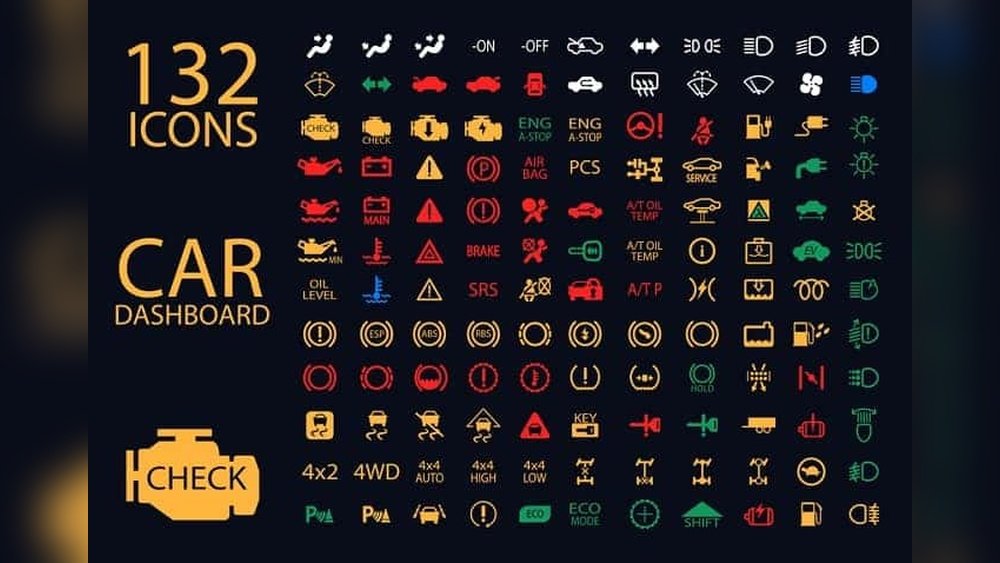
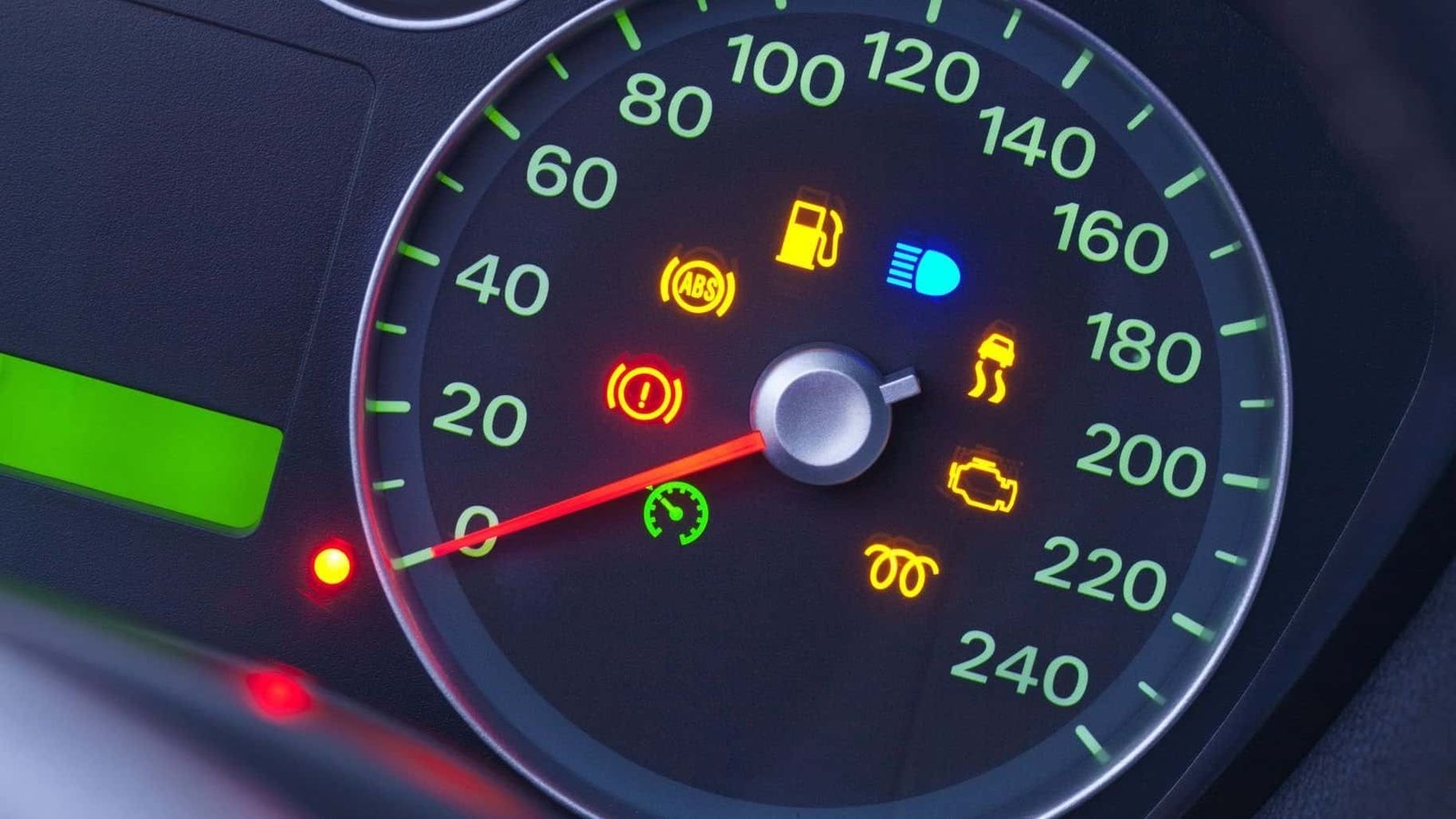
Dashboard symbols are a universal language for drivers and vehicles. They use colors and shapes to give quick updates about your Grand Cherokee’s systems. While some symbols are reminders, others can warn of serious issues. Knowing the difference can save both time and money.
- Green or Blue symbols: Information or system status (example: headlights on)
- Yellow or Orange symbols: Caution or maintenance needed soon
- Red symbols: Urgent problem or safety risk—take action immediately
A surprising fact is that almost 60% of drivers admit they don’t understand all the symbols on their car’s dashboard. This lack of knowledge can lead to missed warnings and unexpected breakdowns.
Most Common Jeep Grand Cherokee Dashboard Symbols
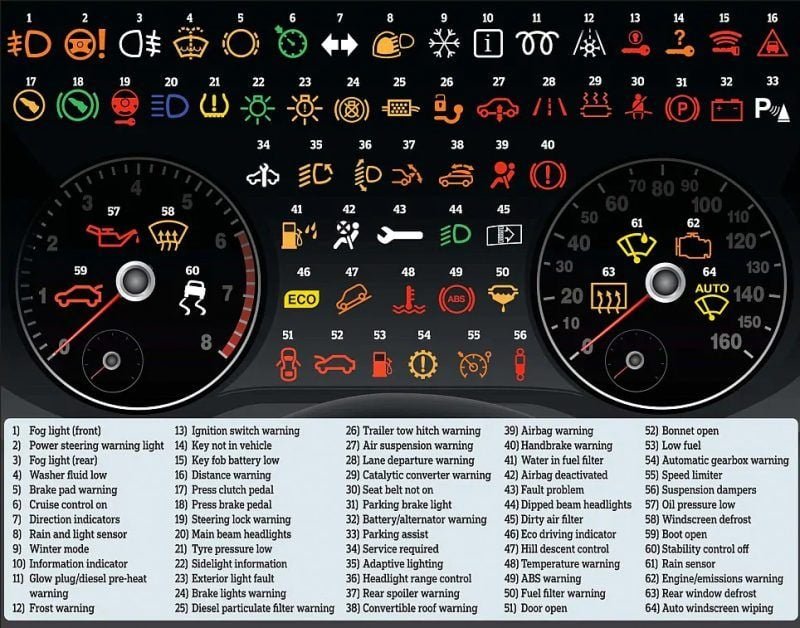
Below are some of the most frequently seen symbols on the Jeep Grand Cherokee’s dashboard, along with their meanings and what you should do when you see them.
1. Check Engine Light
- Symbol: Engine outline, usually yellow or orange
- Meaning: The vehicle’s computer has detected a problem with the engine or emissions system.
- Action: If steady, schedule a service soon. If flashing, stop the vehicle safely and seek help—this could mean engine damage.
2. Oil Pressure Warning
- Symbol: Oil can dripping a drop
- Meaning: Low engine oil pressure, which may cause severe engine damage.
- Action: Pull over and turn off the engine immediately. Check oil level. If low, add oil. If the light stays on, do not drive—call for assistance.
3. Battery Charge Warning
- Symbol: Battery icon
- Meaning: The battery isn’t charging properly. This can be due to a bad alternator, battery, or wiring.
- Action: Drive to a service center soon. If the vehicle loses power, you may not be able to restart it.
4. Brake System Warning
- Symbol: Exclamation mark in a circle or “BRAKE”
- Meaning: Could mean the parking brake is on, brake fluid is low, or there’s a brake system problem.
- Action: Check if the parking brake is released. If it is, check brake fluid. If the light remains, get your brakes checked immediately.
5. Tire Pressure Monitoring System (tpms)
- Symbol: Exclamation mark inside a horseshoe shape (flat tire)
- Meaning: One or more tires are low on air.
- Action: Check tire pressure and inflate to the recommended level. Driving with low tire pressure can damage tires and reduce safety.
6. Coolant Temperature Warning
- Symbol: Thermometer in liquid
- Meaning: The engine is overheating.
- Action: Stop the vehicle safely and allow the engine to cool. Check coolant levels. Continuing to drive can cause serious engine damage.
7. Airbag Warning Light
- Symbol: Person with a circle (airbag)
- Meaning: Problem with the airbag system; airbags may not deploy in a crash.
- Action: Get the system checked as soon as possible for your safety.
8. Abs (anti-lock Braking System) Warning
- Symbol: Letters “ABS”
- Meaning: There’s a fault with the anti-lock braking system.
- Action: Regular brakes may still work, but ABS might not function. Drive carefully and get the system checked soon.
9. Traction Control Warning
- Symbol: Car with wavy lines under it
- Meaning: Traction control system is active or has a fault.
- Action: If flashing, the system is helping you drive. If steady, there may be a problem—get it checked.
10. Service 4wd Warning
- Symbol: “4WD!” or “SERV 4WD”
- Meaning: Problem detected in the four-wheel-drive system.
- Action: Have the 4WD system checked. You may lose off-road or all-weather capability.
Uncommon Symbols You Should Know
Some Jeep Grand Cherokee symbols are less familiar but still important. Here are a few that often surprise new owners:
- Adaptive Cruise Control Indicator: Shows when adaptive cruise control is active. If flashing, the system may need attention.
- LaneSense Warning: Indicates the lane departure warning system. If it lights up, the system has detected unintentional lane movement.
- Electronic Stability Control (ESC) Indicator: When flashing, it’s working to keep you stable. If steady, there’s a fault.
- Gas Cap Indicator: Reminds you to check if the gas cap is loose or missing, which can trigger the check engine light.
These uncommon symbols are often missed, but they can help you maintain features that make the Grand Cherokee safer and more comfortable.
Color Codes: What The Light Colors Mean
Color is the first clue to the seriousness of a dashboard symbol:
| Color | Urgency | Example Symbol |
|---|---|---|
| Red | Immediate Action | Oil Pressure, Brake System |
| Yellow/Orange | Attention Soon | Check Engine, TPMS |
| Green/Blue | Status/Information | Headlights, Cruise Control |
Ignoring red symbols can lead to breakdowns or accidents. Many drivers confuse yellow and red, so always check your owner’s manual if unsure.
How To Respond When A Symbol Lights Up
Reacting correctly can prevent expensive repairs and keep you safe:
- Check the symbol’s color and shape to judge urgency.
- Listen and feel: Are there new noises, smells, or changes in performance?
- Pull over safely if a red symbol appears or if you notice abnormal behavior.
- Consult your owner’s manual for exact instructions.
- Seek professional help if you cannot identify the issue or if the warning stays on.
A less obvious tip: Sometimes, disconnecting and reconnecting the battery can reset non-critical warning lights, but do this only if you know the cause and it’s safe.
Comparison: Jeep Grand Cherokee Vs. Other Suvs’ Dashboard Symbols
Jeep Grand Cherokee symbols follow industry standards, but there are some differences in design and features compared to other brands. Here’s a quick comparison:
| Feature | Jeep Grand Cherokee | Ford Explorer | Toyota Highlander |
|---|---|---|---|
| Number of Symbols | Over 40 | About 35 | About 38 |
| Unique Symbols | Adaptive Off-Road, 4WD Service | Blind Spot Monitor | Pre-Collision System |
| Color Coding | Standardized | Standardized | Standardized |
| Owner’s Manual Detail | Very Detailed | Moderate | Detailed |
Jeep tends to offer more off-road and 4WD related symbols than most competitors.
Preventing Dashboard Warnings: Proactive Maintenance
Keeping dashboard lights off starts with good maintenance:
- Check fluids regularly (oil, coolant, brake fluid)
- Inspect tires for pressure and wear
- Replace worn parts as recommended
- Keep sensors clean, especially for tire pressure and cameras
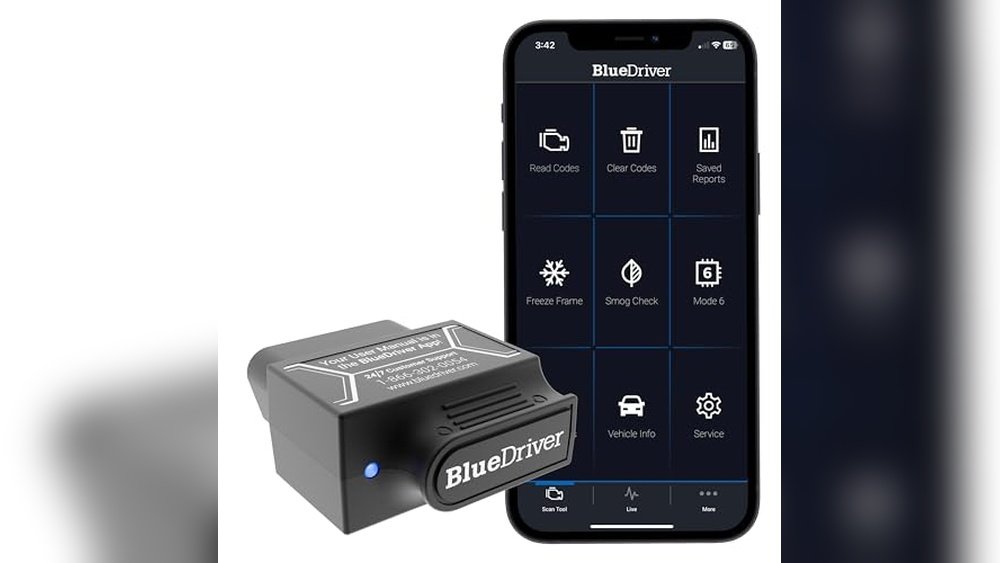
- Scan for codes with an OBD-II reader if you’re curious about check engine warnings
A common oversight: Many people forget to check the gas cap after refueling. A loose cap can trigger the check engine light and confuse drivers.
Digital Dashboards And Updates
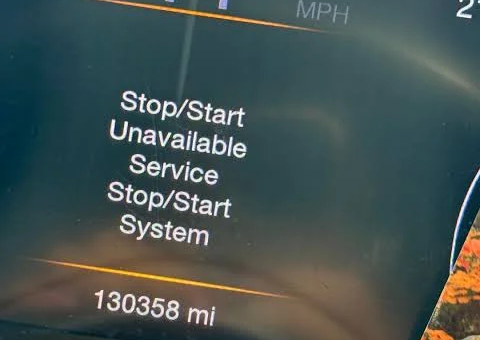
Newer Jeep Grand Cherokee models use digital displays that can change layout, show more information, and even display text messages along with symbols. With software updates, some symbols may look different after a dealership service. Always check your owner’s manual for the latest information, or visit the official Jeep dashboard lights resource for updated symbol guides.
The Value Of Knowing Your Dashboard
Knowing what your dashboard is telling you is more than a technical skill—it’s a way to protect your investment and your passengers. Modern vehicles, like the Jeep Grand Cherokee, are filled with sensors that help prevent problems before they become serious.
Responding quickly to dashboard warnings saves money and keeps you safe on the road.
It’s also wise to carry a basic emergency kit (oil, coolant, tire inflator, flashlight) in your Jeep. This way, if a warning light appears, you’ll be ready to handle minor issues without panic.
Frequently Asked Questions
<!– wp:rank-math/faq-block {"questions":[{"id":"faq-question-111c44a9515f","title":"What Should I Do If A Dashboard Light Won’t Turn Off?","content":"If a warning light stays on after restarting your Grand Cherokee, check the related system (like oil level or tire pressure). If everything seems normal but the light remains, schedule a service visit. Sometimes, a sensor or electrical issue is to blame.
“,”visible”:true},{“id”:”faq-question-6969b4a7de32″,”title”:”Can I Keep Driving With The Check Engine Light On?”,”content”:”If the check engine light is steady, you can usually drive a short distance to a service center. If it’s flashing, stop driving as soon as it’s safe—this can mean serious engine trouble.
“,”visible”:true},{“id”:”faq-question-a9d6a849c905″,”title”:”Why Does My Tire Pressure Light Come On In Cold Weather?”,”content”:”Colder air causes tire pressure to drop. The TPMS may light up even if you have no leaks. Check and refill your tires to the recommended pressure when the tires are cold.
“,”visible”:true},{“id”:”faq-question-6101da7dc982″,”title”:”How Do I Reset A Dashboard Warning Light?”,”content”:”Some lights reset when the problem is fixed (like adding air to tires). Others require a manual reset or a diagnostic tool. Consult your owner’s manual or ask a technician for help.
“,”visible”:true},{“id”:”faq-question-eb4285fbc41b”,”title”:”Is It Safe To Ignore Yellow Or Orange Dashboard Symbols?”,”content”:”Yellow or orange symbols mean something needs attention soon, but they usually don’t require you to stop immediately. However, ignoring them for too long can lead to bigger problems.
Being familiar with your Jeep Grand Cherokee’s dashboard symbols lets you enjoy the journey with more confidence and less worry. Understanding these signals keeps you in control and helps you stay safe, wherever the road takes you.
“,”visible”:true}]} –>What Should I Do If A Dashboard Light Won’t Turn Off?
If a warning light stays on after restarting your Grand Cherokee, check the related system (like oil level or tire pressure). If everything seems normal but the light remains, schedule a service visit. Sometimes, a sensor or electrical issue is to blame.
Can I Keep Driving With The Check Engine Light On?
If the check engine light is steady, you can usually drive a short distance to a service center. If it’s flashing, stop driving as soon as it’s safe—this can mean serious engine trouble.
Why Does My Tire Pressure Light Come On In Cold Weather?
Colder air causes tire pressure to drop. The TPMS may light up even if you have no leaks. Check and refill your tires to the recommended pressure when the tires are cold.
How Do I Reset A Dashboard Warning Light?
Some lights reset when the problem is fixed (like adding air to tires). Others require a manual reset or a diagnostic tool. Consult your owner’s manual or ask a technician for help.
Is It Safe To Ignore Yellow Or Orange Dashboard Symbols?
Yellow or orange symbols mean something needs attention soon, but they usually don’t require you to stop immediately. However, ignoring them for too long can lead to bigger problems.
Being familiar with your Jeep Grand Cherokee’s dashboard symbols lets you enjoy the journey with more confidence and less worry. Understanding these signals keeps you in control and helps you stay safe, wherever the road takes you.