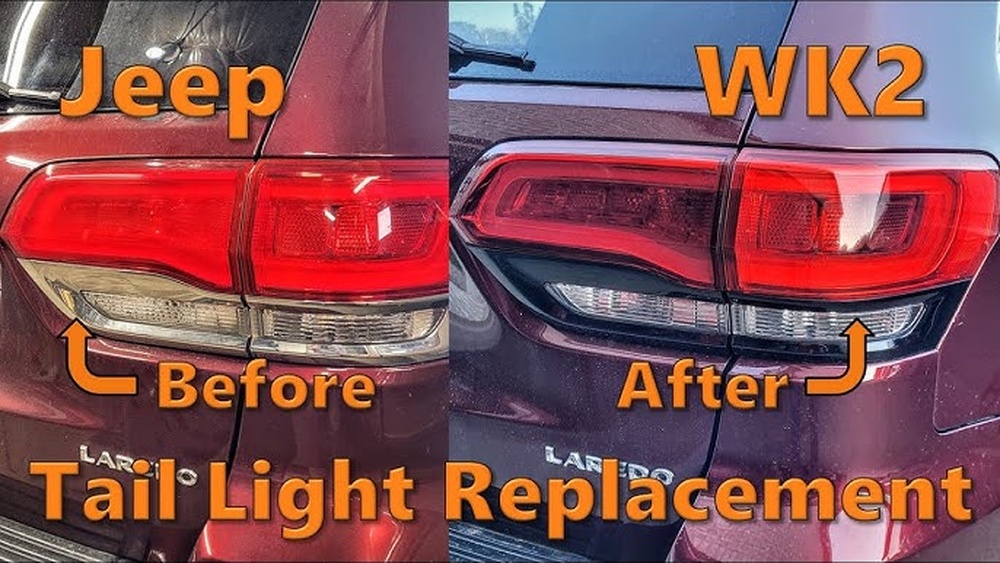
A sudden drop in coolant, steam from under the hood, or a puddle beneath your Jeep Grand Cherokee can turn a good day into a stressful one. Coolant leaks at the front engine area are a common issue for many Grand Cherokee owners.
Left unchecked, these leaks can lead to overheating, engine damage, and expensive repairs. Understanding the causes, how to spot them, and what steps to take can save you money and keep your SUV running smoothly.
Common Causes Of Front Engine Coolant Leaks
The Jeep Grand Cherokee has gone through several generations, each with its own quirks, but some leak sources are common across models. Knowing the likely sources helps you diagnose problems quickly.
| Leak Source | Typical Sign | Repair Difficulty |
|---|---|---|
| Radiator | Coolant on front bumper | Medium |
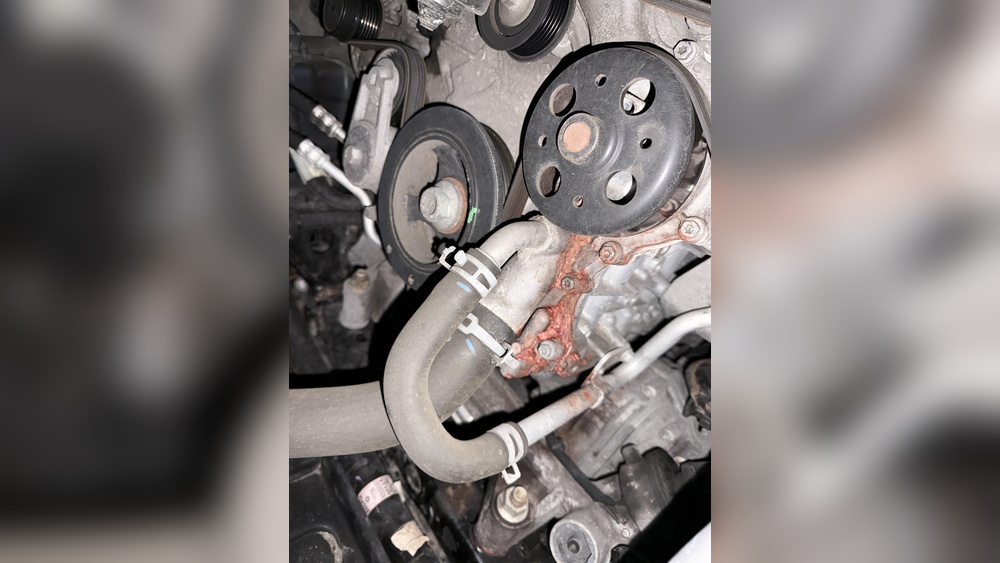
| Water Pump | Drip near crank pulley | Medium |
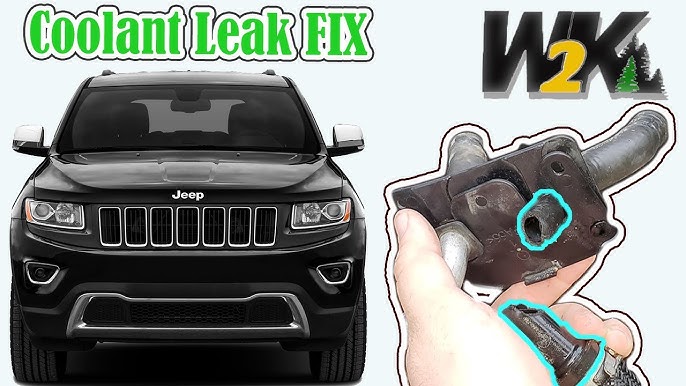
| Thermostat Housing | Leak at housing seam | Easy-Medium |
| Hoses/Clamps | Visible wet hose | Easy |
| Timing Cover Gasket | Leak behind engine pulley | Hard |
Radiator
The radiator is at the very front of your engine bay. Age, vibration, or even road debris can cause cracks. Sometimes, the plastic end tanks split or the core develops pinholes.
Water Pump
A failing water pump often shows a slow drip from the weep hole. If you see coolant running down the front of the engine block, the pump is suspect.
Thermostat Housing
Leaks at the thermostat housing are common, especially if the gasket fails or the housing is warped. This can be a quick fix if caught early.
Hoses And Clamps
Old rubber hoses can crack, split, or loosen at clamps. Even a tiny hole can cause a surprising amount of coolant loss over time.
Timing Cover Gasket
A timing cover gasket leak is less obvious and more labor-intensive to fix. Coolant may mix with oil, causing milky residue under your oil cap—a sign never to ignore.
Symptoms And How To Spot A Leak
Catching a coolant leak early means less risk to your engine. Here are some warning signs:
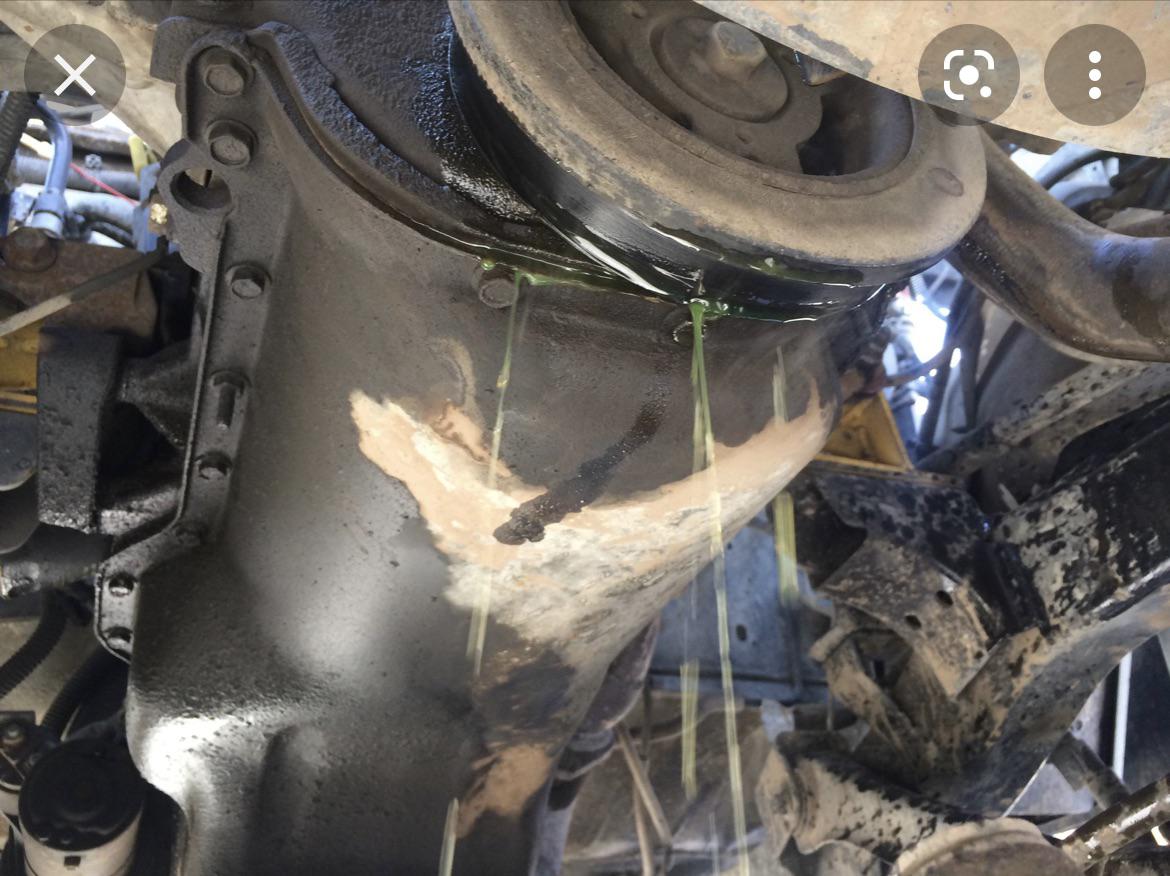
- Puddle under the engine: Bright green, orange, or pink liquid under the front of your Grand Cherokee.
- Low coolant warning: Your dashboard light comes on, or the coolant reservoir is emptying quickly.
- Steam or sweet smell: Steam from the hood or a sweet, syrupy smell after driving.
- Overheating engine: The temperature gauge climbs higher than normal.
If you’re unsure, use a coolant pressure tester. This tool pressurizes the system so leaks become visible, making it easier to pinpoint the exact location.
How To Fix A Front Engine Coolant Leak
Fixing a coolant leak depends on where it’s coming from. Here’s a breakdown for some common repairs:
| Repair Type | Cost Range (Parts + Labor) | DIY Friendly? |
|---|---|---|
| Replace Radiator | $400–$900 | Medium |
| Replace Water Pump | $300–$700 | Medium |
| Replace Hose | $50–$200 | Easy |
| Thermostat Housing | $100–$250 | Easy-Medium |
| Timing Cover Gasket | $800–$1800 | No |
Step-by-step: Replacing A Radiator Hose
- Wait for a cold engine. Never open the radiator cap when hot.
- Locate the leaking hose. Look for visible splits or coolant stains.
- Remove clamps and hose. Use pliers for spring clamps or a screwdriver for screw-type clamps.
- Clean fittings. Wipe away old coolant and check for corrosion.
- Install new hose. Slide clamps into place and tighten.
- Refill coolant. Use the correct type for your Grand Cherokee.
- Bleed the system. Run the engine with the cap off until air bubbles stop.
Pro tip: Always check the lower hose—gravity often makes it the first to fail, especially in older models.
Preventing Future Coolant Leaks
Some leaks are hard to avoid, but regular checks help prevent surprises.
- Inspect hoses and clamps every oil change. Look for swelling or cracks.
- Flush coolant every 3–5 years. Old coolant loses its rust-fighting properties.
- Listen for odd noises. A squealing water pump or rattling thermostat can be early warnings.
A small investment in maintenance can prevent major repairs later. Sometimes, a neglected $10 hose can destroy a $3,000 engine.
When To Seek Professional Help
Not every leak is a DIY job. If you notice coolant in your engine oil, constant overheating, or leaks from deep inside the engine, it’s time for a mechanic. Modern engines have tight spaces and sensors that can be damaged by inexperienced hands.
Non-obvious tip: Even after fixing a leak, always check for air in the system. Air pockets can cause overheating and may trick you into thinking the leak is still present.
If you need more info on cooling systems, the Wikipedia cooling system page is a good starting point.
Frequently Asked Questions
<!– wp:rank-math/faq-block {"questions":[{"id":"faq-question-3f54f8b81a9e","title":"What Type Of Coolant Does A Jeep Grand Cherokee Use?","content":"Most Grand Cherokees use HOAT (Hybrid Organic Acid Technology) coolant, usually orange or pink. Always check your owner’s manual to confirm the right type for your model year.
“,”visible”:true},{“id”:”faq-question-41357c547486″,”title”:”Can I Drive With A Slow Coolant Leak?”,”content”:”It’s risky. Even a slow leak can cause overheating, especially in traffic or hot weather. Always top up coolant and fix the leak as soon as possible.
“,”visible”:true},{“id”:”faq-question-a482cf3b1ab9″,”title”:”Why Does My Coolant Leak Only When The Engine Is Cold?”,”content”:”As metal and plastic parts expand when hot, tiny cracks can close. When cold, those cracks open up, letting coolant leak out. This is common with old plastic tanks or gaskets.
“,”visible”:true},{“id”:”faq-question-66fee56a765a”,”title”:”How Do I Know If The Water Pump Is Leaking?”,”content”:”Look for coolant under the front of the engine, especially beneath the pulley. A squealing noise or wobbling pulley can also mean the water pump is failing.
“,”visible”:true},{“id”:”faq-question-341496f8b60d”,”title”:”What Happens If Coolant Mixes With Oil?”,”content”:”This is a serious issue. It usually means a head gasket or timing cover gasket has failed. Milky oil is a warning sign, and you should not drive the vehicle—engine damage can happen quickly.
A coolant leak at the front of your Jeep Grand Cherokee is never convenient, but with a bit of know-how, you can tackle many repairs yourself or know when to call a pro. Acting quickly protects your wallet and your engine for many miles ahead.
“,”visible”:true}]} –>What Type Of Coolant Does A Jeep Grand Cherokee Use?
Most Grand Cherokees use HOAT (Hybrid Organic Acid Technology) coolant, usually orange or pink. Always check your owner’s manual to confirm the right type for your model year.
Can I Drive With A Slow Coolant Leak?
It’s risky. Even a slow leak can cause overheating, especially in traffic or hot weather. Always top up coolant and fix the leak as soon as possible.
Why Does My Coolant Leak Only When The Engine Is Cold?
As metal and plastic parts expand when hot, tiny cracks can close. When cold, those cracks open up, letting coolant leak out. This is common with old plastic tanks or gaskets.
How Do I Know If The Water Pump Is Leaking?
Look for coolant under the front of the engine, especially beneath the pulley. A squealing noise or wobbling pulley can also mean the water pump is failing.
What Happens If Coolant Mixes With Oil?
This is a serious issue. It usually means a head gasket or timing cover gasket has failed. Milky oil is a warning sign, and you should not drive the vehicle—engine damage can happen quickly.
A coolant leak at the front of your Jeep Grand Cherokee is never convenient, but with a bit of know-how, you can tackle many repairs yourself or know when to call a pro. Acting quickly protects your wallet and your engine for many miles ahead.