Understanding Jeep Grand Cherokee Body Parts
The Jeep Grand Cherokee is an iconic SUV known for its rugged capability and comfortable ride. Like any vehicle, its body parts can suffer wear and tear or damage from accidents.
Whether you're a DIY enthusiast looking to replace a dented fender or a shop owner sourcing parts, understanding the various Jeep Grand Cherokee body parts is crucial.
This guide will walk you through the different components of the Grand Cherokee's exterior, helping you identify what you need and what to look for. From the front fascia to the rear bumper, we'll cover everything that makes up this beloved vehicle's shell.
Choosing the right body parts ensures not only the aesthetic appeal of your Grand Cherokee but also its structural integrity and safety. Aftermarket parts can offer cost savings, while OEM (Original Equipment Manufacturer) parts guarantee a perfect fit and quality. We’ll touch upon these options and provide insights into making informed decisions. This comprehensive overview aims to equip you with the knowledge needed to confidently source and install Jeep Grand Cherokee body parts.
Front-end Components
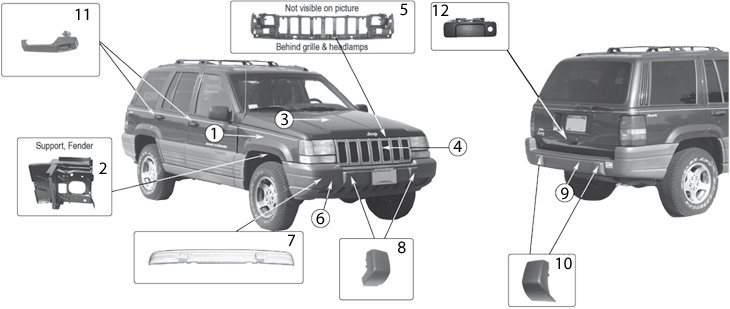
The front of your Jeep Grand Cherokee is the first thing people see and the first line of defense against road debris and minor impacts. This section includes several key parts that work together to create its distinctive look and protect vital engine components.
Hood
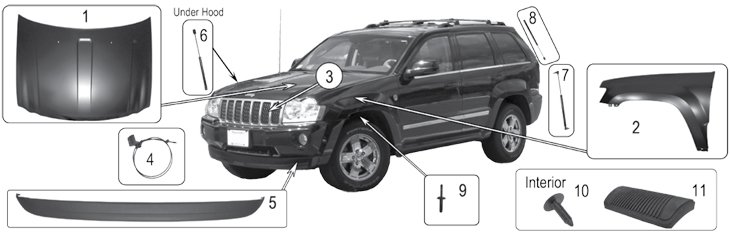
The hood is the large metal panel that covers the engine. It’s designed to be aerodynamic and often features design elements that contribute to the Grand Cherokee’s aggressive styling. When replacing a hood, consider its material (steel is common, but aluminum can be lighter) and whether it comes with insulation or hinges. Ensure it aligns correctly with the grille and fenders to maintain proper gaps and prevent wind noise.
Grille
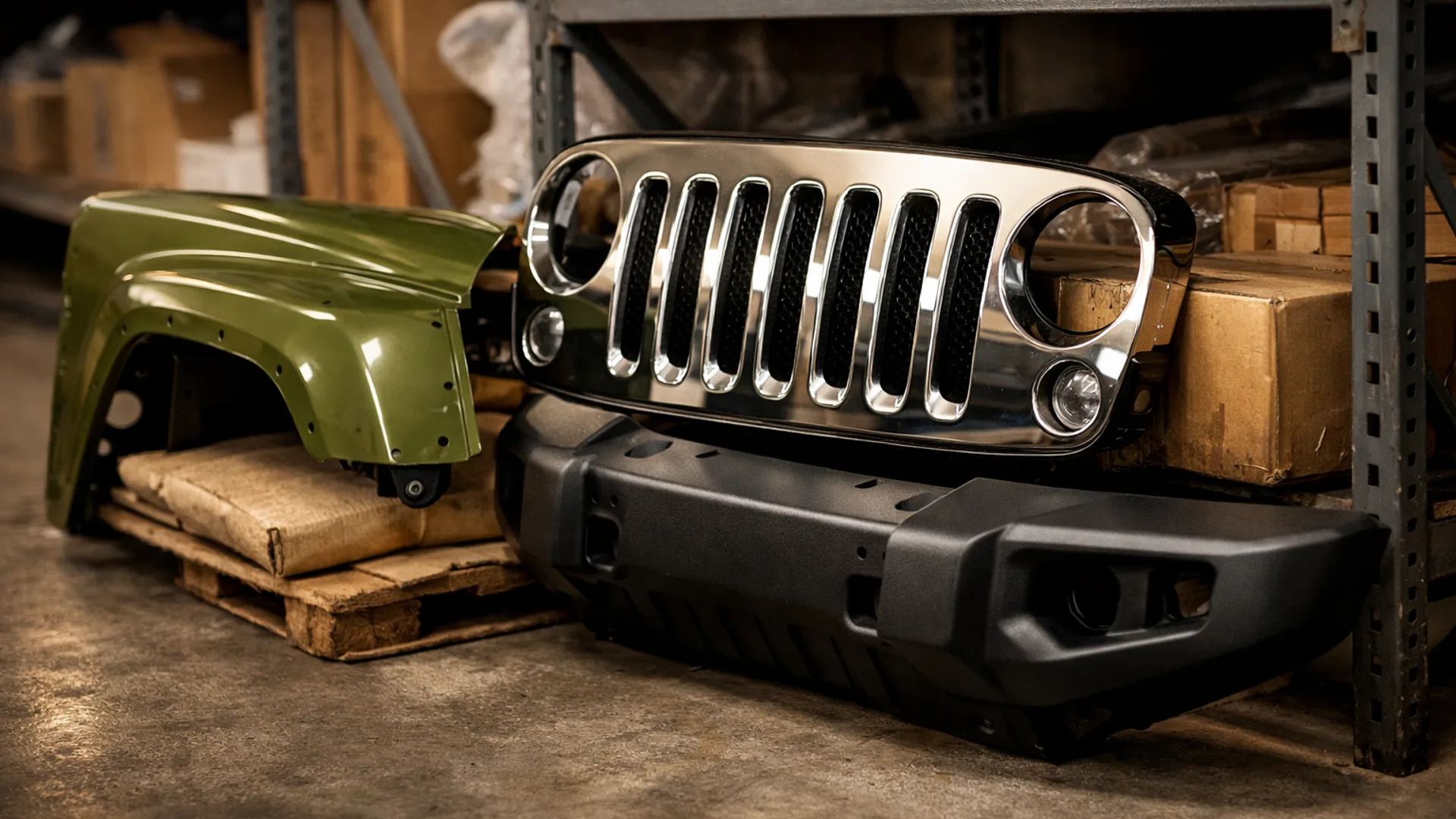
The grille is more than just a styling element; it allows air to flow into the engine bay, cooling the radiator and engine. Jeep’s signature seven-slot grille is a defining feature of the Grand Cherokee. Replacement grilles can vary in design, from standard OEM styles to aftermarket options with different finishes or mesh patterns. Pay attention to mounting points and whether the grille includes the Jeep logo or emblem.
Headlights And Fog Lights
Headlights are essential for visibility at night and in poor weather. They typically include low beams, high beams, and sometimes daytime running lights (DRLs). Fog lights are mounted lower on the bumper or grille and are designed to cut through fog, rain, and snow. When replacing headlights, ensure they are compatible with your specific Grand Cherokee model year, as lighting technology and designs change. Look for complete assemblies or individual bulbs, depending on the damage.
Bumpers And Bumper Covers
The front bumper is a critical safety component designed to absorb impact energy in a collision. Modern Grand Cherokees often have a bumper cover made of plastic or composite material over a steel reinforcement bar. Replacement bumper covers can be unpainted, requiring you to match your vehicle’s color, or pre-painted. If the underlying reinforcement bar is damaged, that will also need replacement.
Fenders
Fenders are the panels above the wheels that cover the wheel wells. They protect the body from stones and mud kicked up by the tires. Front fenders connect the bumper to the doors and hood. Replacing a fender usually involves unbolting the old one and bolting the new one in place, though some bodywork might be needed for a perfect fit.
Windshield And Wipers
The windshield is a crucial structural component and vital for driver visibility. Damage like cracks or chips can compromise its integrity. While repairs are sometimes possible, replacement is often necessary. The wiper system, including the wiper arms and wiper blades, is essential for clearing the windshield. Replacements are generally straightforward, often sold as sets.
Side Body Panels
The sides of your Jeep Grand Cherokee are exposed to door dings, scratches, and impacts from everyday driving. These panels contribute significantly to the vehicle’s overall lines and protection.
Doors
The doors provide access to the cabin and house interior components like windows, locks, and speakers. They can be replaced as complete units or have individual parts like door handles, door mirrors, and window regulators replaced. When sourcing a replacement door, ensure it’s for the correct side (driver or passenger, front or rear) and matches your model year. Color matching is also a key consideration.
Door Mirrors
Side mirrors (also known as wing mirrors or door mirrors) are essential for rearward visibility. They can be manual or power-operated, and often include features like heating elements or turn signal indicators. Replacing a mirror assembly usually involves removing the interior door panel to access the mounting bolts and electrical connectors.
Rocker Panels
Rocker panels are the body sections located beneath the doors, running between the front and rear wheel wells. They add structural rigidity and can be susceptible to rust or damage from road debris. Aftermarket rocker panels are available, sometimes as unpainted replacements that require painting to match your vehicle.
Quarter Panels
The rear quarter panels are the body sections located behind the rear doors, extending to the rear bumper and encompassing the rear wheel wells. These are often integral parts of the body structure and can be more complex to replace than doors or fenders, sometimes requiring cutting and welding.
Rear-end Components
The rear of the Grand Cherokee is just as important as the front for aesthetics, functionality, and safety. This area houses the tailgate, taillights, and rear bumper.
Tailgate / Liftgate
The tailgate (or liftgate on some models) provides access to the cargo area. It includes the outer panel, inner structure, latches, and sometimes the rear window. When replacing a tailgate, ensure it’s compatible with your specific Grand Cherokee generation. Power liftgates have additional electronic components that need to be considered.
Rear Bumper And Bumper Cover
Similar to the front, the rear bumper absorbs impact and protects the vehicle’s rear. It typically consists of a bumper cover (plastic) over a reinforcement bar. Replacement covers are available in various finishes. Check for compatibility with parking sensors if your Grand Cherokee is equipped with them.
Taillights And Rear Lights
Taillights are crucial for signaling braking and turns to drivers behind you. They are usually sold as complete assemblies, including the housing, lenses, and sometimes the bulbs or LED units. Ensure you get the correct ones for your model year, as designs can vary.
Rear Spoiler
Some Grand Cherokee models come equipped with a rear spoiler mounted above the rear window or on the tailgate. Spoilers can be purely decorative or offer minor aerodynamic benefits. Replacement spoilers should match the original design and mounting points.
Underbody And Structural Parts
While not always visible, these parts are critical for the integrity and safety of your Jeep Grand Cherokee.
Frame And Chassis Components
For older models or those that have sustained significant damage, frame rails and chassis components might need attention. These are the structural backbone of the vehicle. Repairs or replacements here are major undertakings, often requiring specialized equipment and expertise.
Floor Pans
The floor pans are the metal sections forming the base of the vehicle’s interior. Rust or damage can compromise their integrity and lead to leaks. Replacement floor pans are available, often requiring welding for installation.
Wheel Arches And Liners
Wheel arches are the openings for the wheels, and wheel liners (or splash guards) are plastic shields inside the wheel wells that protect the bodywork and engine components from road spray and debris. These are relatively easy to replace if damaged.
Materials And Finishes
The materials used and the finish of body parts significantly impact their durability, weight, and appearance.
Steel
Steel is the most common material for body panels like hoods, doors, and fenders due to its strength, durability, and cost-effectiveness. It can be prone to rust if the protective coating is compromised.
Aluminum
Some manufacturers use aluminum for certain body panels, like hoods or fenders, to reduce weight and improve fuel efficiency. Aluminum is lighter than steel but can be more expensive and require specialized repair techniques.
Plastic And Composites
Plastic and composite materials are widely used for bumper covers, grilles, trim pieces, and interior panels. They are lightweight, corrosion-resistant, and can be molded into complex shapes.
Paint And Coatings
Body parts often come unpainted, requiring professional painting to match your Jeep’s original color code. Some parts may come with a primer or a basic protective coating. Ensuring proper surface preparation and paint application is key for a lasting finish and corrosion resistance.
Choosing Between Oem And Aftermarket Parts
When it comes to replacing Jeep Grand Cherokee body parts, you have two main options: OEM and aftermarket.
Oem Parts
OEM parts are manufactured by or for the original vehicle manufacturer (Jeep). They are designed to meet the exact specifications of your Grand Cherokee, ensuring a perfect fit and maintaining the vehicle’s original look and performance.
- Pros: Guaranteed fit, high quality, maintains vehicle value, often come with a warranty.
- Cons: Generally more expensive.
Aftermarket Parts
Aftermarket parts are made by companies other than the original manufacturer. They can range widely in quality, from direct replacements that rival OEM parts to performance-oriented or stylized options.
- Pros: Often more affordable, wider variety of styles and performance options.
- Cons: Quality can vary significantly, fitment may not be as precise as OEM, may not be covered by a manufacturer warranty.
Pro Tip: When buying aftermarket parts, research the brand reputation. Look for reviews and testimonials to ensure you’re getting a quality product that will fit correctly and last.
Installation Considerations
Installing body parts can range from a simple DIY job to a complex task requiring professional help.
Diy Installation
Simple parts like grilles, mirrors, or marker lights can often be replaced by individuals with basic mechanical skills and tools. Online tutorials and repair manuals can be invaluable resources.
Always disconnect the battery before working on electrical components.
Professional Installation
For major components like fenders, doors, hoods, or tailgates, professional installation is often recommended. These parts require precise alignment to ensure proper door gaps, hood closure, and sealing.
Collision repair shops have the specialized tools and expertise to handle these installations correctly, ensuring safety and aesthetic integrity.
Common Issues And Replacement Needs
Over time, various body parts on a Jeep Grand Cherokee might require replacement due to different circumstances.
Collision Damage
Accidents, even minor ones, can damage bumpers, fenders, doors, hoods, and lights. The extent of the damage will determine whether a part can be repaired or needs full replacement.
Safety is paramount, so ensure all structural components are sound after a collision.
Wear And Tear
Sun exposure can fade and crack plastic components like bumper covers and trim pieces. Rubber seals around doors and windows can degrade, leading to leaks.
Hinges and latches can wear out over time.
Rust And Corrosion
In areas with harsh weather or road salt, steel body panels like fenders, rocker panels, and quarter panels can develop rust. Addressing rust early is crucial to prevent it from spreading and compromising the structural integrity of the vehicle.
Upgrades And Customization
Many owners choose to replace stock body parts with aftermarket options to change the look of their Grand Cherokee or improve its off-road capability. This can include custom grilles, aggressive bumpers, or unique lighting.
Specific Generations And Model Years
The Jeep Grand Cherokee has gone through several generations, and body parts are not always interchangeable between them. It’s crucial to know your specific model year and generation when ordering parts.
- First Generation (ZJ, 1993, 1998): Characterized by a more traditional SUV look.
- Second Generation (WJ, 1999, 2004): Smoother lines, updated styling.
- Third Generation (WK, 2005, 2010): More modern and aerodynamic design.
- Fourth Generation (WK2, 2011, 2026): A significant redesign with a more refined and upscale appearance.
- Fifth Generation (WL, 2026, Present): The latest iteration, featuring a completely new platform and styling.
Always verify part compatibility using the VIN (Vehicle Identification Number) or by consulting with a parts specialist.
Frequently Asked Questions
What Are The Most Commonly Replaced Jeep Grand Cherokee Body Parts?
The most commonly replaced body parts on a Jeep Grand Cherokee are typically bumpers (front and rear), headlights, taillights, and fenders. These parts are most susceptible to damage from minor collisions, parking incidents, and road debris. Windshields also require frequent replacement due to chips and cracks from road debris.
Can I Mix And Match Body Parts From Different Grand Cherokee Model Years?
Generally, no. Body parts are designed for specific generations and model years. While some minor components might be shared across a few years within a generation, major panels like fenders, doors, hoods, and liftgates are usually unique to a particular range. Using parts from incompatible years can lead to poor fitment, alignment issues, and aesthetic problems. Always confirm compatibility before purchasing.
How Do I Find The Correct Paint Code For My Jeep Grand Cherokee Body Parts?
The paint code for your Jeep Grand Cherokee is typically found on a sticker located in the driver’s side doorjamb, glove box, or under the hood. This sticker, often called the certification label or data sticker, will list various vehicle information, including the paint color code. You can then use this code to order touch-up paint or have replacement parts professionally painted to match.
What Is The Difference Between A Bumper Cover And A Bumper Reinforcement Bar?
The bumper cover is the outer, often cosmetic, part of the bumper, usually made of plastic or composite material. It’s designed to absorb minor impacts and provide the vehicle’s styling. The bumper reinforcement bar (or impact bar) is a strong metal beam (typically steel) located behind the bumper cover. Its primary function is to absorb and dissipate the energy from larger impacts, protecting the vehicle’s frame and occupants. Both may need replacement after a significant collision.
Are Aftermarket Jeep Grand Cherokee Body Parts As Good As Oem?
The quality of aftermarket parts can vary greatly. Some aftermarket manufacturers produce parts that meet or exceed OEM standards in terms of fit, finish, and durability. However, others may offer lower quality materials or less precise manufacturing, leading to fitment issues or reduced longevity. It’s essential to research the brand, read reviews, and purchase from reputable suppliers to ensure you get a quality aftermarket part. For critical safety components, OEM parts are often the preferred choice.
The journey of maintaining or restoring a Jeep Grand Cherokee involves understanding its various body parts. From the robust front fascia designed to tackle trails to the functional rear liftgate providing access to your gear, each component plays a vital role in the vehicle’s overall performance, safety, and appearance.
Whether you’re dealing with the aftermath of an off-road adventure, a parking lot mishap, or simply the