Jeep Grand Cherokee Body Control Module Problems
The Jeep Grand Cherokee is a popular SUV known for its capability and comfort. However, like any vehicle, it can experience various issues.
One component that can cause a range of perplexing problems is the Body Control Module (BCM). This sophisticated electronic unit acts as the central nervous system for many of your Jeep's non-powertrain functions, managing everything from interior lights and power windows to door locks and the instrument cluster.
When the BCM malfunctions, it can lead to a cascade of electrical gremlins that can be frustrating and costly to diagnose and repair. Understanding the common Jeep Grand Cherokee BCM problems is crucial for owners to identify potential issues early and seek appropriate solutions.
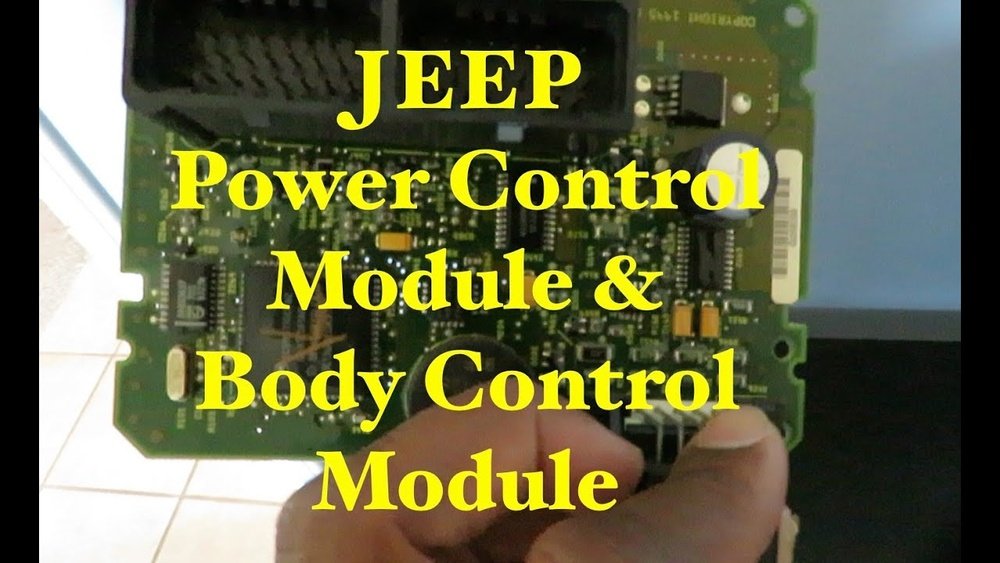
The BCM is essentially a small computer that receives input from various sensors and switches throughout the vehicle. It then processes this information and sends commands to actuators to perform specific functions.
For instance, when you press the unlock button on your key fob, the signal goes to the BCM, which then tells the door lock actuators to disengage.
Similarly, it controls the automatic headlights, windshield wipers, horn, and even the infotainment system’s basic functions. Because it’s connected to so many different systems, a fault within the BCM can manifest in a wide variety of symptoms, often making it difficult to pinpoint the exact cause without specialized knowledge and diagnostic tools.
Common Symptoms Of A Failing Bcm
When a Jeep Grand Cherokee BCM issue arises, the symptoms can be quite diverse and sometimes intermittent, which adds to the diagnostic challenge. Drivers might experience a single, isolated problem or a combination of seemingly unrelated electrical malfunctions. Recognizing these signs is the first step toward resolving the problem.
One of the most frequently reported issues is unpredictable interior lighting. This can include dome lights that flicker, fail to turn on, or stay illuminated when they shouldn’t. Sometimes, the courtesy lights in the doors or the footwell lights might also behave erratically. This is often one of the first indicators that the BCM might be struggling to manage these basic electrical functions.
Another common symptom is problems with power windows and locks. You might find that one or more power windows refuse to move up or down, or they operate very slowly. Similarly, the power door locks could fail to engage or disengage, either individually or across the entire vehicle. In some cases, the keyless entry system might stop working altogether, forcing you to use the physical key to unlock the doors.
The instrument cluster is also heavily reliant on the BCM for information. Therefore, a failing BCM can cause the gauges to malfunction, needles to sweep erratically, or warning lights to illuminate on the dashboard without a clear mechanical reason. The odometer might also display incorrect mileage or stop functioning. This can be particularly concerning as it directly impacts your ability to monitor the vehicle’s vital signs.
Other electrical quirks can include windshield wiper malfunctions, where they might operate continuously, intermittently, or not at all. The horn might fail to sound, or it could honk on its own. Issues with the radio or infotainment system can also be linked to the BCM, such as random reboots, loss of sound, or failure to power on. Even seemingly minor things like the turn signals not working or the heated seats not engaging can sometimes be traced back to a faulty BCM.
Understanding The Causes Of Bcm Failure
The Jeep Grand Cherokee BCM failure isn’t usually a single event but rather a gradual degradation or a specific trigger. Several factors can contribute to its malfunction.
Water intrusion is a significant culprit. The BCM is typically located in a position where it can be exposed to moisture, especially if seals around the windshield, doors, or sunroof are compromised. Over time, water can seep into the module, corroding the internal circuitry and leading to electrical shorts or component failure. This is why checking for water damage in the areas where the BCM is housed is a critical diagnostic step.
Electrical surges can also damage sensitive electronic components within the BCM. These surges can be caused by faulty alternators, improper jump-starting procedures, or even lightning strikes. When a voltage spike occurs, it can overwhelm the BCM’s protective circuits, frying its delicate microprocessors.
Wear and tear over time is another factor. Like any electronic component, the BCM contains solder joints and connections that can degrade with age, vibration, and temperature fluctuations. Micro-cracks can form in the solder, leading to intermittent connections and erratic behavior. Eventually, these connections can fail completely.
Software glitches within the BCM’s programming can also cause problems. While less common than hardware failures, software issues can sometimes lead to unexpected behavior or communication errors between the BCM and other vehicle modules. These might require a software update or reprogramming of the module.
Diagnosing Bcm Problems
Diagnosing a faulty BCM in a Jeep Grand Cherokee can be complex and often requires specialized equipment. Because the symptoms can mimic issues with other components, a systematic approach is necessary.
The first step for a technician is to connect a diagnostic scan tool to the vehicle’s OBD-II port. This tool can read trouble codes stored in the various modules, including the BCM. While a specific BCM code might point directly to the module, it’s important to remember that these codes often indicate a *circuit* problem, which could be caused by a faulty sensor, wiring issue, or the BCM itself.
Visual inspection is also crucial. Technicians will check the BCM’s housing for any signs of water damage, corrosion, or physical damage. They will also inspect the wiring harness connected to the BCM for loose connections, damaged insulation, or corrosion.
Testing individual circuits is often necessary. This involves using a multimeter to check for proper voltage, ground, and signal integrity at various points within the BCM’s network. For example, if the power windows aren’t working, a technician might test the voltage supply to the window motor and then trace that circuit back to the BCM to ensure the BCM is sending the correct signal.
Sometimes, component substitution can be used as a diagnostic method, though this is more common in advanced troubleshooting. If a technician suspects the BCM but cannot definitively prove it, they might temporarily install a known-good BCM to see if the symptoms disappear. However, this is often a costly step as BCMs are usually programmed to the specific vehicle.
Common Jeep Grand Cherokee Bcm Issues By Model Year
While BCM problems can occur in any model year, some generations of the Jeep Grand Cherokee have been more prone to specific issues. Understanding these trends can help owners of particular model years be more vigilant.
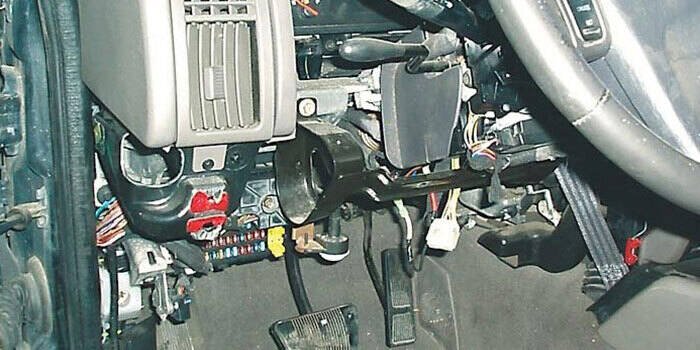
1999-2004 (WJ Generation): This generation is known for potential issues with the interior lighting and power accessory failures. Water leaks from the windshield seal were a common problem, often leading to corrosion within the BCM, which is usually located under the dashboard. Symptoms might include flickering dome lights, inoperative power windows, and problems with the central locking system.
2005-2010 (WK Generation): Owners of this generation have reported issues related to the instrument cluster and communication errors. The BCM in the WK Grand Cherokee plays a significant role in relaying data to the cluster. Failures can result in erratic gauge behavior, dead instrument panels, or various warning lights appearing simultaneously. Communication problems between the BCM and other modules, like the engine control module (ECM), can also occur.
2011-2013 (WK2 – Early Models): Early models of the second-generation WK2 Grand Cherokee have seen some reports of keyless entry and start system malfunctions. The BCM is integral to these systems. Problems might include the vehicle not recognizing the key fob, the push-button start not working, or the doors failing to unlock remotely.
2014-2026 (WK2 – Later Models): While generally more reliable, later WK2 models can still experience BCM issues, often related to complex electronic features. This could include problems with the automatic climate control, power liftgate, or advanced driver-assistance systems (ADAS) that rely on the BCM for integration. Software glitches and intermittent communication failures are more common in these later models.
It’s important to note that these are general trends, and a specific vehicle can experience BCM problems regardless of its model year. Regular maintenance and prompt attention to any electrical anomalies are key to preventing minor issues from escalating.
Repairing And Replacing A Jeep Grand Cherokee Bcm
When a Jeep Grand Cherokee BCM needs repair or replacement, it’s not a simple DIY job for most owners. The process requires specialized knowledge and tools.
Repairing a BCM is sometimes possible if the issue is minor, such as a corroded connector or a loose internal connection. In some cases, specialized electronics repair shops can diagnose and fix faulty BCMs. However, if the internal circuitry is significantly damaged, replacement is usually the only viable option.
Replacing a BCM involves several steps:
- Obtaining the correct BCM: This is critical. The replacement BCM must be compatible with the specific make, model, year, and trim level of your Grand Cherokee. Often, the part number must match exactly, or at least be a compatible supersession.
- Programming the new BCM: Modern BCMs are programmed with vehicle-specific information, including the VIN, options, and security codes. A new BCM cannot simply be installed and expected to work. It needs to be programmed using specialized dealer-level diagnostic software. This process links the new module to the vehicle’s existing systems and ensures proper communication. Without proper programming, many functions will not work, or the vehicle may not start.
- Installation: The BCM is typically located under the dashboard, often behind trim panels. Replacing it involves disconnecting the battery, unplugging the old module, connecting the new one, and then reinstalling any removed trim.
The cost of BCM replacement can vary significantly. The module itself can range from a few hundred dollars to over a thousand, depending on the specific part and source. The programming and labor costs can add another few hundred dollars to the total. Therefore, a full BCM replacement can easily cost upwards of $1000, and sometimes more.
Preventive Measures For Bcm Health
While you can’t completely prevent a BCM from failing, there are several preventive measures Jeep Grand Cherokee owners can take to minimize the risk and prolong the life of this critical module.
Address Water Leaks Promptly: Regularly inspect seals around your windshield, doors, and sunroof. If you notice any signs of leaks or water pooling inside the vehicle, especially near the dashboard or footwells, have them repaired immediately. This is the most crucial step in preventing water-related BCM damage.
Proper Jump-Starting Techniques: Always follow the correct procedure for jump-starting a vehicle. Connecting jumper cables incorrectly can cause dangerous voltage spikes that can damage electronic modules like the BCM. Ensure the donor vehicle is not running when you connect the cables, and always connect positive to positive and negative to the chassis ground, not the battery.
Avoid Overloading Electrical Systems: While modern vehicles have robust electrical systems, constantly running multiple high-draw accessories can put extra strain on the electrical system, potentially affecting the BCM over time. Be mindful of aftermarket electrical additions.
Regular Diagnostic Checks: Even if you don’t notice any obvious symptoms, having your vehicle’s electrical system checked periodically by a qualified mechanic can help identify potential issues before they become major problems. This can include checking for stored fault codes that might indicate an impending failure.
Keep Software Updated: If your Grand Cherokee has a system that allows for software updates (often through the dealer), ensure these are performed. Software updates can sometimes address known bugs or improve the stability of electronic modules.
When To Seek Professional Help
Given the complexity of the BCM and its integration with numerous vehicle systems, it’s generally recommended to seek professional help when dealing with suspected BCM problems.
DIY is risky: While many car owners are comfortable with basic maintenance, BCM diagnosis and replacement require specialized tools, knowledge of vehicle wiring diagrams, and programming capabilities. Attempting this yourself without the right expertise could lead to further damage or incorrect repairs.
Dealership vs. Independent Mechanic: Both Jeep dealerships and reputable independent mechanics specializing in European or American vehicles can handle BCM issues. Dealerships have direct access to manufacturer software for programming and the latest technical service bulletins. However, independent shops might offer more competitive pricing. It’s wise to get a second opinion or quote if you’re unsure.
Look for Specialists: If you suspect a BCM issue, finding a mechanic who has specific experience with Jeep electrical systems and BCM programming can be beneficial. Ask about their experience with BCM diagnosis and programming before committing to a repair.
Frequently Asked Questions
What Is The Primary Function Of The Bcm In A Jeep Grand Cherokee?
The Body Control Module (BCM) acts as the central computer for most of the vehicle’s non-engine functions. It manages systems like interior and exterior lighting, power windows, door locks, wipers, horn, and the instrument cluster. It receives inputs from various sensors and switches and sends commands to actuators to control these features.
Can A Bad Bcm Cause The Engine Not To Start?
Yes, a severely malfunctioning BCM can prevent the engine from starting. The BCM is involved in the vehicle's security system and communicates with the engine control module (ECM).
If it fails to send the correct signals or communicate properly, the ECM may not allow the engine to crank or run.
How Much Does It Typically Cost To Replace A Bcm In A Jeep Grand Cherokee?
The cost can range significantly, but a full replacement, including the module itself and professional programming and labor, often falls between $800 and $1500. The price of the BCM unit alone can be several hundred dollars, with programming and installation adding to the total.

Is It Possible To Repair A Bcm Instead Of Replacing It?
In some cases, yes. If the BCM has minor issues like corrosion on connectors or certain internal component failures, a specialized electronics repair shop might be able to repair it.
However, for significant internal damage or widespread corrosion, replacement is usually the more reliable and cost-effective solution in the long run.
How Can I Tell If My Bcm Is Failing Or If It’s Another Electrical Issue?
Diagnosing a BCM problem can be tricky because its symptoms overlap with many other electrical issues. Common signs include erratic interior lights, malfunctioning power windows or locks, instrument cluster problems, and unpredictable wiper or horn behavior.
The best way to confirm a BCM failure is through professional diagnosis using a specialized scan tool that can communicate directly with the BCM and other modules, along with thorough circuit testing.
Dealing with Jeep Grand Cherokee BCM problems can be a complex and potentially expensive undertaking. The BCM’s central role in managing a vast array of vehicle functions means that its failure can lead to a wide spectrum of unusual electrical behaviors. From flickering lights and stubborn windows to more critical issues affecting starting or instrument readings, the symptoms are often varied and can be difficult to diagnose without the right



















