The air conditioning system in your Jeep Grand Cherokee is more than just a luxury; it's a crucial part of your driving comfort, especially during hot weather. When it works perfectly, it keeps your cabin cool and pleasant.
But when it starts to fail, it can make even short drives unbearable. Understanding how the Jeep Grand Cherokee AC system works, common problems, and how to fix them can save you time, money, and a lot of sweat.
This guide will walk you through everything you need to know about your Jeep's AC, from its basic components to troubleshooting and maintenance.
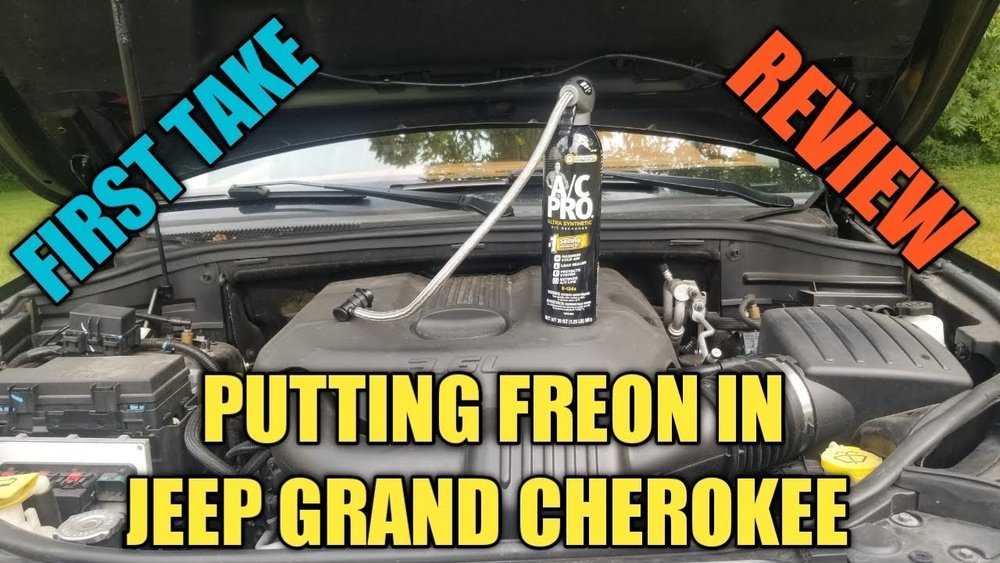
How Your Jeep Grand Cherokee Ac System Works
The air conditioning system in your Grand Cherokee, like most car ACs, operates on a refrigeration cycle. It’s a closed loop system that uses a special fluid called refrigerant to move heat from inside your vehicle to the outside. Here are the key components and their roles:
- Compressor: This is the heart of the AC system. It’s driven by a belt connected to the engine. The compressor’s job is to compress the refrigerant gas, which raises its temperature and pressure. Think of it like a pump that pushes the refrigerant through the system.
- Condenser: Located at the front of your vehicle, usually in front of the radiator, the condenser looks like a smaller radiator. Hot, high-pressure refrigerant gas flows into it. As air passes over the condenser’s fins (either from the vehicle moving or a fan), the refrigerant cools down and turns into a high-pressure liquid. This is where heat is released from the system.
- Receiver/Drier (or Accumulator): This component acts as a filter and storage tank for the refrigerant. It removes moisture and debris from the refrigerant. Moisture is a major enemy of AC systems, as it can freeze and cause blockages or lead to corrosion.
- Expansion Valve (or Orifice Tube): This small device controls the flow of liquid refrigerant into the evaporator. As the high-pressure liquid refrigerant passes through the narrow opening of the expansion valve, its pressure drops significantly. This sudden drop in pressure causes the refrigerant to become very cold.
- Evaporator: This component is located inside the dashboard of your Jeep. The cold, low-pressure refrigerant flows through the evaporator’s coils. The cabin air from your car is then blown over these cold coils by the blower motor. As the air passes over the coils, heat is transferred from the air to the refrigerant. The refrigerant absorbs the heat and turns back into a low-pressure gas, cooling the air that is then circulated into the cabin. The moisture in the cabin air also condenses on the cold evaporator coils, which is why you sometimes see water dripping from under your car when the AC is running.
- Blower Motor: This fan is responsible for pushing the air through the evaporator and out of the vents into the cabin. Its speed can be adjusted to control the airflow.
The entire cycle repeats continuously as long as the AC system is turned on, effectively removing heat from the interior and transferring it outside.
Common Jeep Grand Cherokee Ac Problems
Even the most reliable vehicles can experience AC issues. For the Jeep Grand Cherokee, several common problems can affect the cooling performance.
Recognizing these issues early can prevent more significant damage and costly repairs.
1. Weak Or No Cooling
This is the most obvious sign that something is wrong. If your AC is blowing air but it’s not cold, or it’s only slightly cool, there are several potential causes:
- Low Refrigerant Level: Over time, AC systems can develop small leaks. If the refrigerant level drops too low, the system cannot effectively transfer heat. This is one of the most frequent causes of poor cooling.
- Leaking Refrigerant: A leak in one of the AC lines, seals, or the compressor itself will lead to a gradual or rapid loss of refrigerant.
- Faulty Compressor: The compressor might not be engaging, or it could have internal damage. If the compressor isn’t working, the refrigerant won’t be circulated and pressurized.
- Clogged Condenser: Dirt, debris, leaves, or even bent fins can block airflow through the condenser. If the condenser can’t dissipate heat effectively, the refrigerant won’t cool down properly.
- Blocked Expansion Valve or Orifice Tube: A blockage can prevent refrigerant from flowing correctly into the evaporator, leading to insufficient cooling.
- Electrical Issues: Blown fuses, faulty relays, or wiring problems can prevent components like the compressor clutch or condenser fan from operating.
2. Ac Blowing Warm Air
This is similar to weak cooling but indicates a more complete failure of the cooling process. Potential causes include:
- Compressor Not Engaging: The clutch on the compressor might not be engaging due to electrical issues (fuse, relay, wiring, clutch coil) or a lack of refrigerant pressure (many systems have a low-pressure switch that prevents engagement if the refrigerant is too low to protect the compressor).
- Cooling Fan Malfunction: The electric cooling fan(s) that pull air through the condenser are crucial, especially when the vehicle is stationary or moving slowly. If these fans aren’t working, the condenser can’t release heat, and the AC will blow warm air.
- Blend Door Actuator Failure: Inside your dashboard, there are small electric motors called actuators that control small doors (blend doors) to mix hot and cold air, directing airflow, and controlling where the air comes from (dash, floor, defrost). If the actuator controlling the temperature blend door fails or gets stuck, it might only allow hot air to come through, even when the AC is on.
- Major Refrigerant Leak: A significant leak can quickly deplete the system of refrigerant.
3. Strange Noises From The Ac System
Unusual sounds can point to specific component failures:
- Grinding or Scraping Noise: This often indicates a problem with the compressor. It could be bearing failure or internal damage. This is a serious issue that requires immediate attention to prevent further damage.
- Hissing or Sizzling Sound: This might be heard near the AC lines or under the hood. It could indicate a refrigerant leak, especially if you can smell a faint, sweet odor (though modern refrigerants are often odorless). It can also sometimes be the sound of refrigerant expanding as it passes through the expansion valve.
- Clicking or Knocking: A clicking sound when the AC is turned on might be the compressor clutch engaging. This is normal. However, persistent or loud clicking could indicate a problem with the clutch or compressor.
- Whining or Squealing: This can sometimes be related to the blower motor bearings or a belt slipping that drives the compressor.
4. Ac Smells Bad
Unpleasant odors coming from the vents are common and often related to moisture and mold:
- Musty or Moldy Smell: This is usually caused by mold and mildew growing on the evaporator core. Moisture from the AC system condenses on the evaporator, and if it doesn’t drain properly, it creates a damp environment where mold can thrive. When you turn on the AC, the blower fan circulates air through the contaminated evaporator, carrying the smell into the cabin.
- Rotten Egg Smell: This can sometimes indicate a problem with the catalytic converter, but in rare cases, it might be related to sulfur compounds in the refrigerant or a specific type of bacterial growth.
- Chemical Smell: This could indicate a refrigerant leak, as some refrigerants have a faint chemical odor.
5. Ac Freezes Up
Sometimes, the evaporator core can freeze over, blocking airflow and reducing cooling.
- Low Refrigerant: Paradoxically, very low refrigerant levels can sometimes cause the evaporator to get too cold and freeze, especially at the inlet.
- Faulty Evaporator Temperature Sensor: If the sensor that monitors the evaporator temperature isn’t working correctly, it might not signal the system to cycle off, allowing it to get too cold.
- Airflow Problems: Insufficient airflow over the evaporator (due to a dirty cabin air filter or a weak blower motor) can also lead to freezing because the heat isn’t being transferred away efficiently.
Diagnosing Ac Problems In Your Jeep Grand Cherokee
When your Jeep Grand Cherokee’s AC isn’t performing as it should, a systematic approach to diagnosis is key. Many issues can be identified with basic tools and knowledge, while others might require professional help.
Tools You Might Need
- AC Manifold Gauge Set: This is essential for measuring the high-side and low-side pressures of the AC system. These readings provide critical information about the refrigerant charge, compressor performance, and potential blockages.
- Refrigerant Leak Detector: This can be a UV dye kit (involving adding dye to the system and looking for glowing leaks with a UV light) or an electronic “sniffer” that detects the presence of refrigerant gas.
- Multimeter: Useful for checking fuses, relays, and electrical connections to components like the compressor clutch and fans.
- Cabin Air Filter Wrench/Screwdriver: For accessing and replacing the cabin air filter.
- Safety Glasses and Gloves: Refrigerant and AC system components can be under pressure and contain oils that can irritate the skin.
Step-by-step Diagnostic Process
- Visual Inspection:
- Check for obvious signs of damage to AC components, hoses, or lines.
- Look at the condenser for blockages (leaves, dirt, bent fins).
- Inspect the compressor belt for wear or damage.
- Ensure the condenser fan(s) are spinning when the AC is on (especially when the engine is running).
- Check Refrigerant Levels (Using Gauges):
- Connect the manifold gauge set to the high-side and low-side service ports.
- Start the engine and turn the AC to its coldest setting with the fan on high.
- Observe the pressure readings. Typical operating pressures vary, but you can find specific ranges for your Grand Cherokee model online or in a service manual.
- Low readings on both gauges often indicate low refrigerant charge.
- High low-side pressure and low high-side pressure can suggest a blockage or a failing compressor.
- Very high pressures might indicate an overcharged system or a malfunctioning condenser fan.
- Listen for the Compressor Clutch:
- When you turn the AC on, you should hear a distinct “click” as the compressor clutch engages. If you don’t hear it, the compressor isn’t turning on.
- Check the AC fuse and relay in the fuse box.
- Check for power at the compressor clutch connector using a multimeter.
- Check for Airflow:
- Ensure the blower motor is working at all speeds. A weak or non-functional blower motor will prevent air from circulating.
- Inspect the cabin air filter. A clogged filter severely restricts airflow into the cabin.
- Check for Leaks:
- If low refrigerant is suspected, use a UV dye kit or an electronic leak detector to find the source of the leak. Common leak points include O-rings, hose connections, the compressor shaft seal, and the condenser.
- Test Blend Door Actuators:
- If you have temperature control issues (e.g., AC blows cold on one side but warm on the other, or temperature won’t change), the blend door actuators might be faulty. These can sometimes be diagnosed by listening for clicking noises behind the dashboard or by using a scan tool that can command the actuators to move.
Important Considerations:
- Safety First: Working with AC systems involves pressurized refrigerant and potentially hot engine components. If you are not comfortable or experienced, it’s best to seek professional help.
- Refrigerant Type: Ensure you know which type of refrigerant your Grand Cherokee uses (e.g., R-134a or R-1234yf). Using the wrong type can damage the system.
- Environmental Regulations: Releasing refrigerant into the atmosphere is illegal and harmful. If you need to recover refrigerant, it should be done with specialized equipment by certified technicians.
Common Jeep Grand Cherokee Ac Repair And Maintenance
Keeping your Jeep Grand Cherokee’s AC system in top shape involves both regular maintenance and timely repairs. Addressing small issues before they become major problems is the most cost-effective approach.
Regular Maintenance Tips
- Run the AC Regularly: Even in cooler months, run your AC for 10-15 minutes at least once a month. This circulates the refrigerant and lubricant, keeping seals lubricated and preventing them from drying out, which can lead to leaks.
- Replace the Cabin Air Filter: The cabin air filter cleans the air entering your vehicle’s cabin and protects the evaporator core from dust and debris. A clogged filter restricts airflow, reduces cooling efficiency, and can contribute to mold growth. Check your owner’s manual for the recommended replacement interval (typically every 15,000-30,000 miles or once a year).
- Keep the Condenser Clean: The condenser needs good airflow to dissipate heat. Periodically inspect the front of your Jeep for debris like leaves, bugs, and dirt accumulated on the condenser fins. Gently rinse it with a hose (low pressure) or use compressed air to remove blockages. Be careful not to bend the delicate fins.
- Check for Leaks: While not a routine maintenance item, if you notice a gradual decrease in cooling performance, it’s a good idea to have the system checked for leaks.
- Professional AC Service: Consider having your AC system professionally serviced every 2-3 years. This typically includes checking refrigerant levels, pressures, and looking for leaks. They can also evacuate and recharge the system if necessary.
Common Repairs And What To Expect
- Refrigerant Recharge: If your system is low on refrigerant due to a small leak, a technician can add refrigerant (and often UV dye to help find the leak later). This is a temporary fix if the leak isn’t found and repaired.
- Leak Repair: This involves identifying the source of the leak (e.g., a cracked hose, faulty O-ring, leaky condenser or evaporator) and replacing the damaged component. Once repaired, the system is evacuated, vacuumed to remove moisture, and recharged with the correct amount of refrigerant.
- Compressor Replacement: If the compressor fails, it’s a significant repair. The system must be completely discharged, the compressor replaced, the system flushed to remove debris (if the compressor failed internally), and then evacuated and recharged. This is often one of the most expensive AC repairs.
- Condenser Replacement: If the condenser is damaged or leaking, it will be replaced. Similar



















