Many Jeep Grand Cherokee owners rely on their SUV for both comfort and reliability. One component that often goes unnoticed until it fails is the AC condenser. If your Jeep’s air conditioning suddenly blows warm air, the condenser might be to blame.
Understanding how to replace the AC condenser can save you time and money, and help restore comfort during hot weather. This guide walks you through everything you need to know about Jeep Grand Cherokee AC condenser replacement, from symptoms to costs, and even common mistakes to avoid.
What Does The Ac Condenser Do?
The AC condenser plays a crucial role in your Jeep’s air conditioning system. It sits at the front of the vehicle, just behind the grille. Its main job is to convert refrigerant gas into a cool liquid by releasing heat. Without a functioning condenser, your AC system cannot deliver cold air.
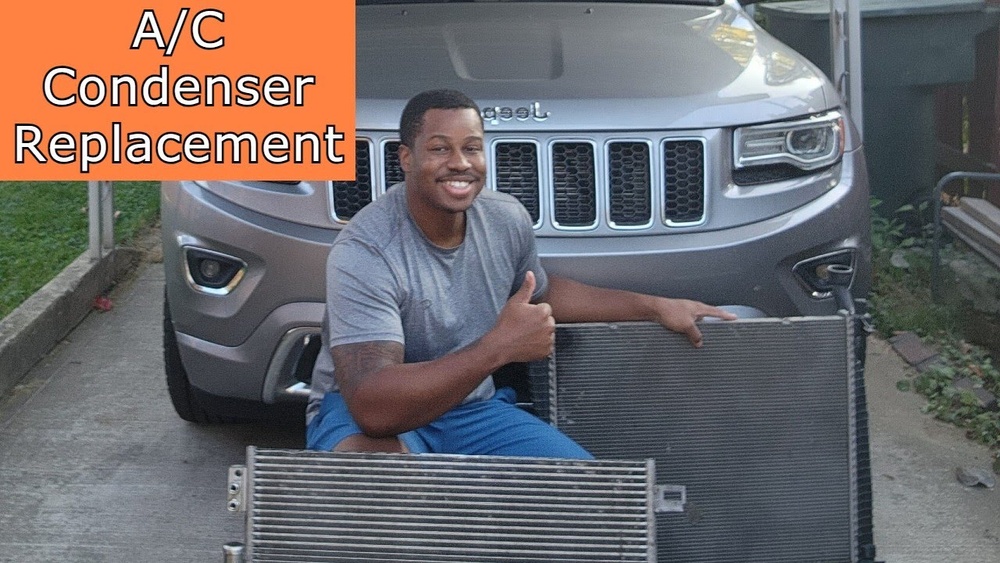
a Faulty Condenser Can Cause:
Warm air blowing from vents
Unusual noises from the engine bay
Refrigerant leaks under the SUV
These signs mean it’s time to check and possibly replace your condenser.
Signs Your Grand Cherokee’s Condenser Needs Replacement
Knowing the symptoms can help you act before a small problem becomes bigger.
Weak or warm airflow:
The most common symptom is warm air, even when the AC is set to cold.Visible leaks:
Check under your car for oily spots, which could be leaking refrigerant.AC clutch doesn’t engage:
The compressor clutch may not turn on if the system detects low refrigerant pressure.Unusual smells:
Refrigerant leaks can create a sweet or chemical odor inside your Jeep.
These symptoms often show up gradually. Regular inspection helps catch issues early, especially before a long road trip.
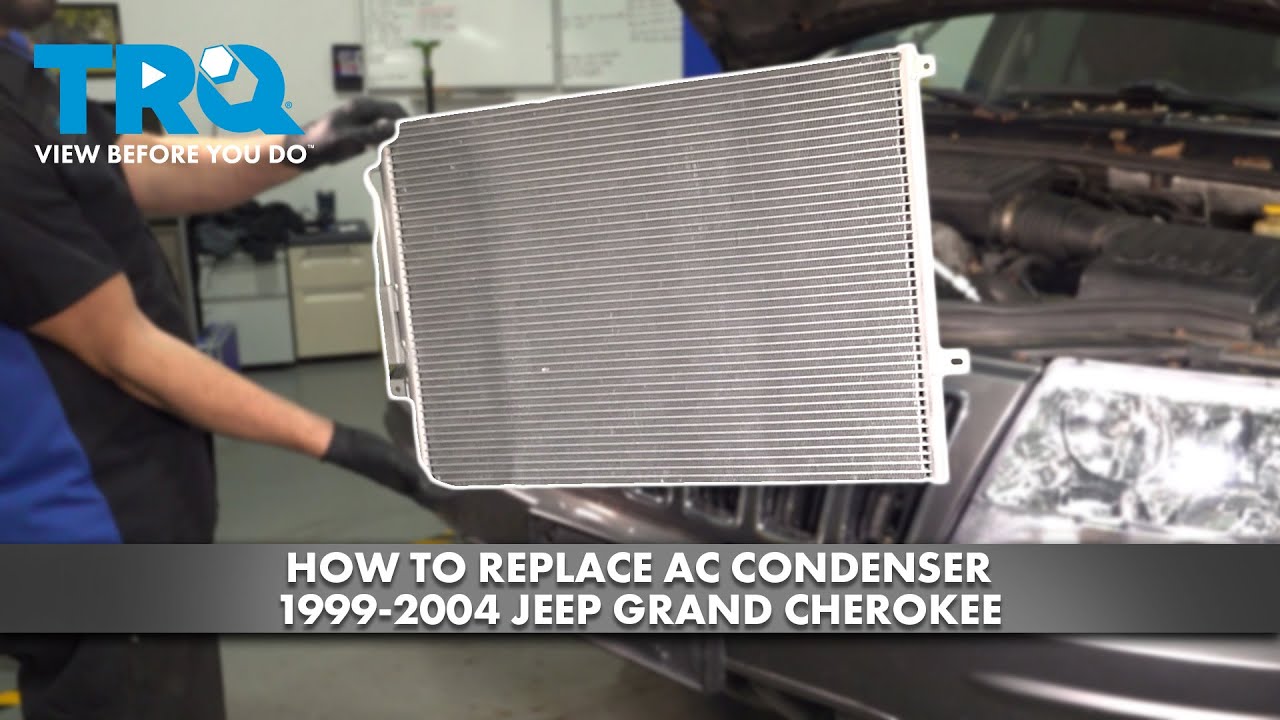
Ac Condenser Replacement: Step-by-step Guide
Replacing the condenser on a Jeep Grand Cherokee is a moderate DIY job. Some experience with car repairs is helpful. Here’s how the process works:
Tools And Parts Needed
New AC condenser (ensure compatibility with your model year)
Socket set and ratchet
Screwdrivers (flat and Phillips)
Line disconnect tool
Safety glasses and gloves
Refrigerant (R-134a for most Grand Cherokees)
O-rings and seals (often included with the new condenser)
Step 1: Recover Refrigerant
Before starting, have the refrigerant recovered by a professional. Releasing refrigerant into the air is illegal and harmful to the environment.
Step 2: Remove The Front Grille And Bumper
Open the hood and remove the plastic clips and screws holding the grille and front bumper. Set these parts aside carefully.
Step 3: Disconnect Ac Lines
Using the line disconnect tool, remove the refrigerant lines from the condenser. Be gentle to avoid damaging the fittings.
Step 4: Remove The Old Condenser
Unbolt the condenser from its mounts. Carefully lift it out, watching for any wires or sensors attached to it.
Step 5: Install The New Condenser
Place the new condenser in position. Attach the lines with new O-rings, then bolt the condenser securely in place.
Step 6: Reassemble And Recharge
Reattach the bumper and grille. Have a professional vacuum and recharge the AC system with the correct amount of refrigerant.
Step 7: Test The System
Start your Jeep and run the AC. Check for leaks and confirm that the air is cold.
How Much Does It Cost?
Costs can vary based on where you live and whether you do it yourself or use a repair shop. Here’s a quick comparison:
Option | Parts Cost | Labor Cost | Total Estimated Cost |
|---|---|---|---|
DIY Replacement | $80–$250 | $0 | $80–$250 |
Professional Shop | $120–$300 | $200–$400 | $320–$700 |
Dealership | $200–$350 | $350–$600 | $550–$950 |
Doing the job yourself saves money, but only if you’re comfortable working on your vehicle.
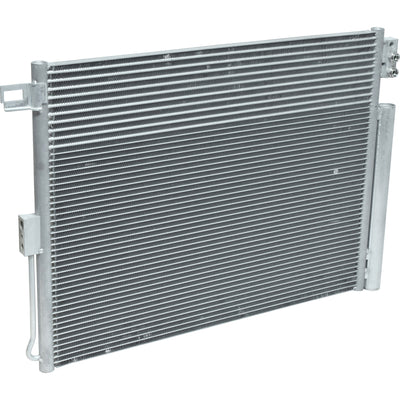
Oem Vs Aftermarket Condensers
Choosing between OEM (Original Equipment Manufacturer) and aftermarket condensers can be confusing. Here’s a side-by-side look:
Type | Quality | Price | Warranty |
|---|---|---|---|
OEM | High, exact fit | $$$ | Longer |
Aftermarket | Varies | $$ | Shorter |
OEM parts guarantee fit and finish, but good aftermarket options can save money. Always check reviews before buying aftermarket.
Common Mistakes To Avoid
Even experienced DIYers can slip up. Here are two mistakes people often make:
Skipping O-ring replacement:
Old O-rings can leak, so always use new ones.Not vacuuming the system:
Trapped air and moisture can damage the new condenser and reduce cooling.
Also, never overfill the system with refrigerant. Too much can cause poor cooling or even compressor failure.
Preventing Future Ac Problems
After replacing your condenser, a few simple habits can extend the life of your AC:
Run the AC for a few minutes every week, even in winter, to keep seals lubricated.
Keep the front of your Jeep clean; debris can block airflow and damage the condenser.
Fix windshield or front-end damage quickly to avoid harming AC components.
These steps are easy but often overlooked by owners.
When To Call A Professional
If you are not comfortable working with AC systems, it’s best to let a certified mechanic handle the job. Modern vehicles have sensors and wiring that can be damaged by mistake.
Safety is important, especially when working with refrigerants.
If your AC still blows warm after a replacement, further diagnosis may be needed. Problems could include faulty compressors, sensors, or wiring issues.
For more about how AC systems work, you can visit the automobile air conditioning.

How Long Does It Take To Replace A Jeep Grand Cherokee Ac Condenser?
A skilled DIYer can finish in about 2–4 hours. Professional shops may take less time, but scheduling and waiting can add to the total.
Is It Safe To Drive With A Bad Ac Condenser?
Yes, but only for short periods. The AC system won’t cool, and refrigerant leaks can harm the environment. Long-term, it’s best to repair it soon.
Do I Need To Recharge The Ac After Changing The Condenser?
Absolutely. The AC system must be vacuumed and refilled with the correct amount of refrigerant after condenser replacement.
Can I Use A Universal Condenser Instead Of A Model-specific One?
It’s not recommended. Universal condensers may not fit properly or cool as efficiently as those designed for your Jeep.
What Else Should I Replace When Changing The Condenser?
It’s smart to replace O-rings and inspect the dryer/accumulator. If these parts are old, changing them can prevent future leaks.
Taking care of your Jeep Grand Cherokee’s AC system keeps you comfortable and protects your vehicle’s value. With the right knowledge, you can tackle condenser problems confidently—whether you do it yourself or work with a trusted mechanic.