The Jeep Grand Cherokee ABS wheel sensor plays a crucial role in your vehicle's safety systems. It's a small but vital component that helps your Anti-lock Braking System (ABS) and other electronic stability features work correctly.
When this sensor malfunctions, it can lead to a cascade of problems, affecting braking performance, traction control, and even your dashboard warning lights. Understanding how these sensors work, what causes them to fail, and how to address issues is essential for any Grand Cherokee owner.
Your Grand Cherokee relies on a sophisticated network of sensors to monitor driving conditions and adjust vehicle behavior in real-time. Among these, the ABS wheel speed sensors are paramount.
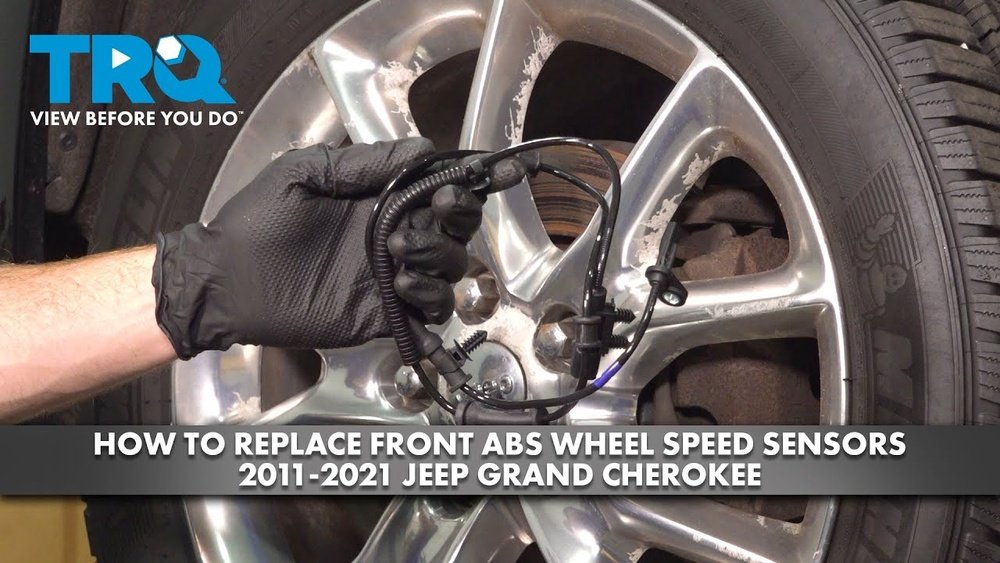
They constantly measure the rotational speed of each wheel. This data is fed to the ABS control module, which uses it to prevent wheel lock-up during hard braking, ensuring you maintain steering control.
Beyond braking, this information is also used by the Traction Control System (TCS) and Electronic Stability Control (ESC) to prevent skidding and maintain stability.
When one of these sensors begins to fail, the system loses critical information. This can manifest in various ways, from a simple illuminated ABS light to more serious issues with braking and handling.
Ignoring these symptoms can put you and others at risk.
This guide will walk you through everything you need to know about your Jeep Grand Cherokee’s ABS wheel speed sensors, from their function to troubleshooting and replacement.
Understanding The Abs Wheel Speed Sensor
The Anti-lock Braking System (ABS) is a critical safety feature designed to prevent your wheels from locking up during sudden braking. This allows the driver to maintain steering control even during emergency stops. At the heart of this system are the ABS wheel speed sensors.
How Abs Wheel Speed Sensors Work
Each wheel on your Jeep Grand Cherokee is equipped with an ABS wheel speed sensor. These sensors are typically located near the wheel hub, often integrated into the brake assembly or mounted on the steering knuckle. They work in conjunction with a tone ring (also called a reluctor ring) that rotates with the wheel hub.
The tone ring has a series of teeth or notches. As the wheel spins, these teeth pass by the magnetic tip of the ABS sensor.
The sensor generates an electrical signal, essentially a pulse, for each tooth that passes. The frequency of these pulses is directly proportional to the wheel's rotational speed.
This electrical signal is sent to the ABS control module, which is the “brain” of the ABS system. The control module monitors the speed signals from all four wheels. If it detects that one wheel is rotating significantly slower than the others (indicating it’s about to lock up), it will momentarily reduce brake pressure to that specific wheel. This allows the wheel to regain traction and continue rotating, preventing a skid and maintaining steering capability.
The Role Of The Tone Ring
The tone ring, also known as a reluctor ring or exciter ring, is a toothed metal ring that attaches to the wheel hub or driveshaft. As the wheel rotates, the teeth on the tone ring pass by the ABS sensor. The sensor detects the changes in the magnetic field caused by the passing teeth.
- Material: Tone rings are usually made of steel or a magnetic composite material.
- Design: They have a specific number of teeth or notches, which the sensor counts.
- Condition: The tone ring must be clean and free of damage for the sensor to read it accurately. Rust, dirt, or physical damage can interfere with the sensor’s signal.
Components Of The Abs System
The ABS system in your Grand Cherokee is a complex network. The wheel speed sensors are just one part:
- ABS Wheel Speed Sensors: As discussed, these measure individual wheel speeds.
- Tone Rings: These rotating rings interact with the sensors.
- ABS Control Module (ECU): This electronic unit receives data from the sensors and controls the hydraulic unit.
- Hydraulic Unit (Modulator): This unit contains valves and a pump that can rapidly adjust brake pressure to individual wheels based on commands from the control module.
- Warning Lights: The ABS warning light on your dashboard indicates a fault within the system.
Common Causes Of Jeep Grand Cherokee Abs Wheel Sensor Failure
Several factors can lead to an ABS wheel speed sensor failing or providing inaccurate readings. Understanding these common causes can help you diagnose problems and potentially prevent future failures.
Wear And Tear
Like any automotive component, ABS wheel speed sensors are subject to wear and tear over time. The constant rotation, exposure to road debris, moisture, and temperature fluctuations can degrade the sensor's internal components.
This gradual wear can lead to intermittent signals or a complete loss of signal.
Damage From Road Debris And Potholes
The sensors are located in a vulnerable position, exposed to the elements and potential impacts. Hitting a large pothole, driving over rough terrain, or encountering road debris can physically damage the sensor housing, wiring, or the tone ring it reads.
A bent mounting bracket or a cracked sensor body can render it useless.
Corrosion And Contamination
Road salt, moisture, and dirt are persistent enemies of automotive electrical components. Corrosion can build up on the sensor's electrical connector, leading to poor contact and unreliable signals.
The sensor itself or the tone ring can also become contaminated with brake dust, rust, or mud, which can interfere with the magnetic field detection process.
Wiring Issues
The wiring harness that connects the ABS wheel speed sensor to the control module is just as critical as the sensor itself. This wiring can become damaged in several ways:
- Abrasion: Wires can rub against suspension components or the chassis, wearing down the insulation and potentially causing short circuits or open circuits.
- Stretching or Breaking: During suspension work or due to impacts, wires can be stretched and broken internally, even if the outer insulation looks intact.
- Corroded Connectors: The electrical connectors at the sensor or the control module can corrode, preventing a proper electrical connection.
Tone Ring Damage Or Contamination
The tone ring is equally susceptible to damage. Rust buildup on the teeth can effectively "thicken" them, altering the gap between the teeth and the sensor, leading to incorrect readings.
If the tone ring cracks or breaks, the sensor will no longer receive a consistent signal.
Even significant rust or dirt accumulation can prevent the sensor from accurately detecting the teeth.
Electrical System Problems
While less common, issues with the vehicle’s overall electrical system can sometimes affect ABS sensor performance. Low voltage, a failing battery, or alternator problems can lead to erratic behavior in electronic modules, including the ABS control module.
Improper Installation Or Repair
If any brake or suspension work has been done on the vehicle, there’s a possibility that the ABS wheel speed sensor or its associated wiring was damaged or improperly reinstalled. This is particularly true if the work was not performed by a qualified technician.
Symptoms Of A Failing Abs Wheel Sensor
When an ABS wheel speed sensor starts to fail or provides faulty data, your Jeep Grand Cherokee will usually give you some clear indications. Recognizing these symptoms promptly is key to addressing the issue before it becomes a more significant problem.
Illuminated Abs Warning Light
This is the most common and direct symptom of an ABS system issue. If the ABS light on your dashboard illuminates and stays on, it signifies that the system has detected a fault.
This fault could be with one or more wheel speed sensors, the control module, or the hydraulic unit.
The light may come on immediately upon starting the vehicle or appear while driving, especially after hitting a bump or during braking.
Illuminated Traction Control Or Stability Control Lights
Since the traction control (TCS) and electronic stability control (ESC) systems rely heavily on the data from the ABS wheel speed sensors, a faulty sensor will often trigger their warning lights as well. The TCS light might flash during acceleration if the system is trying to compensate for a perceived wheel slip that isn’t actually happening due to a sensor issue.
The ESC light may illuminate if the system detects instability that it cannot correct due to missing or incorrect wheel speed data.
Inaccurate Or Malfunctioning Abs
During a hard braking event, you might notice that the ABS doesn't engage as expected, or it engages when it shouldn't. This could mean the system is not activating at all, or it's activating erratically.
You might feel pulsing in the brake pedal when it's not supposed to, or a complete lack of pulsing when it should be working.
Loss Of Cruise Control Functionality
Many modern vehicles, including the Grand Cherokee, use the ABS wheel speed sensor data to manage the cruise control system. If the cruise control stops working or behaves erratically, it can sometimes be linked to a problem with one of the wheel speed sensors.
The system needs accurate wheel speed information to maintain a set speed.
Difficulty Steering During Braking
A core function of the ABS is to allow you to steer while braking hard. If a faulty wheel speed sensor prevents the ABS from working correctly, you might find that the vehicle pulls to one side during braking, or you lose the ability to steer effectively.
This is a dangerous situation that highlights the importance of a functioning ABS system.
Grinding Or Clicking Noises (less Common)
In some cases, particularly if the issue is related to a damaged tone ring, you might hear grinding or clicking noises from the affected wheel area, especially when turning or braking. This is often due to the damaged tone ring making contact with the sensor or debris caught between them.
Diagnosing Abs Wheel Sensor Problems
Diagnosing an ABS wheel sensor issue requires a systematic approach. While a warning light is a clear indicator, pinpointing the exact faulty sensor or related problem can be tricky.
Reading Diagnostic Trouble Codes (dtcs)
The first and most crucial step in diagnosing ABS issues is to retrieve the diagnostic trouble codes (DTCs) stored in the vehicle’s computer. This requires an OBD-II scanner. Many auto parts stores offer free code reading services, or you can purchase your own scanner.
- Common ABS Codes: Codes related to ABS wheel speed sensors typically start with “C” (Chassis). Examples include:
- C0031: Front Left Wheel Speed Sensor Circuit Malfunction
- C0032: Front Left Wheel Speed Sensor Circuit Open/Short
- C0034: Front Right Wheel Speed Sensor Circuit Malfunction
- C0035: Front Right Wheel Speed Sensor Circuit Open/Short
- C0041: Rear Left Wheel Speed Sensor Circuit Malfunction
- C0042: Rear Left Wheel Speed Sensor Circuit Open/Short
- C0044: Rear Right Wheel Speed Sensor Circuit Malfunction
- C0045: Rear Right Wheel Speed Sensor Circuit Open/Short
- Codes related to tone rings might also appear, such as C003A (Left Front Wheel Speed Ring/Impulse).
The specific code will often indicate which wheel speed sensor circuit is reporting a problem. However, a code pointing to a specific sensor doesn’t always mean that sensor is bad; it could indicate an issue with the wiring, connector, or even the tone ring.
Visual Inspection
Once you have an idea of which sensor might be faulty, a thorough visual inspection is necessary:
- Locate the Sensor: Find the suspected ABS sensor on the vehicle. It’s usually mounted near the wheel hub, often attached to the steering knuckle or brake dust shield. The wiring runs from the sensor up towards the chassis.
- Check for Damage: Look for any obvious physical damage to the sensor itself, its mounting bracket, or the wiring. Check for cracks, cuts, or signs of impact.
- Inspect the Connector: Ensure the electrical connector is clean, securely plugged in, and free of corrosion or moisture. Sometimes, simply unplugging and replugging the connector can resolve intermittent issues caused by poor contact.
- Examine the Tone Ring: If accessible, inspect the tone ring for rust buildup, cracks, or missing teeth. Clean off any excessive dirt or rust if possible, and see if this resolves the issue.
Testing The Sensor And Wiring
If a visual inspection doesn’t reveal the problem, further testing is required. This often involves a multimeter or a more advanced diagnostic tool.
- Resistance Test: You can test the resistance of the ABS sensor itself. The procedure varies by vehicle model, but generally involves unplugging the sensor and measuring the resistance across its terminals using a multimeter. Compare the reading to the manufacturer’s specifications. An open circuit (infinite resistance) or a very low resistance usually indicates a faulty sensor.
- Signal Test: A more advanced test involves using a multimeter capable of reading AC voltage or a graphing multimeter (also called an oscilloscope) to check the signal output of the sensor while the wheel is being rotated. You should see a fluctuating AC voltage or a series of pulses as the tone ring teeth pass the sensor. If there’s no signal or an erratic signal, the sensor or tone ring is likely the culprit.
- Wiring Continuity Test: Use a multimeter to check for continuity in the wiring harness between the sensor connector and the ABS control module connector. This helps identify breaks or shorts in the wiring.
Professional Diagnosis
If you’re not comfortable performing these tests or lack the necessary tools, it’s best to take your Jeep Grand Cherokee to a qualified mechanic. They have specialized diagnostic equipment and the expertise to accurately pinpoint the problem, whether it’s a faulty sensor, damaged wiring, a bad tone ring, or an issue with the ABS control module itself.

Replacing A Jeep Grand Cherokee Abs Wheel Sensor
Replacing an ABS wheel speed sensor on a Jeep Grand Cherokee is a task that many DIY enthusiasts can tackle, but it requires patience and the right tools. The process can vary slightly depending on the specific model year and trim, but the general steps are consistent.
Tools And Parts Needed
Before you begin, gather the necessary tools and parts:
- New ABS Wheel Speed Sensor: Ensure you have the correct sensor for your specific Grand Cherokee year and model.
- OBD-II Scanner: To clear fault codes after replacement.
- Jack and Jack Stands: For safely lifting the vehicle.
- Lug Wrench: To remove the wheel.
- Socket Set and Ratchet: Metric sizes are common (e.g., 10mm, 13mm, 15mm).
- Torque Wrench: To tighten lug nuts and potentially the sensor mounting bolt to the correct specifications.
- Pliers: For disconnecting stubborn electrical connectors.
- Wire Brush or Cleaner: To clean the sensor mounting area and connector.
- Penetrating Oil (Optional): To help loosen stubborn bolts.
- Safety Glasses and Gloves: For personal protection.
Step-by-step Replacement Guide
Here are the general steps for replacing an ABS wheel speed sensor:
- Safety First: Park your Grand Cherokee on a level surface and engage the parking brake. Loosen the lug nuts on the wheel you’ll be working on.
- Lift the Vehicle: Use a jack to lift the front or rear of the vehicle (depending on which sensor needs replacement) and securely place it on jack