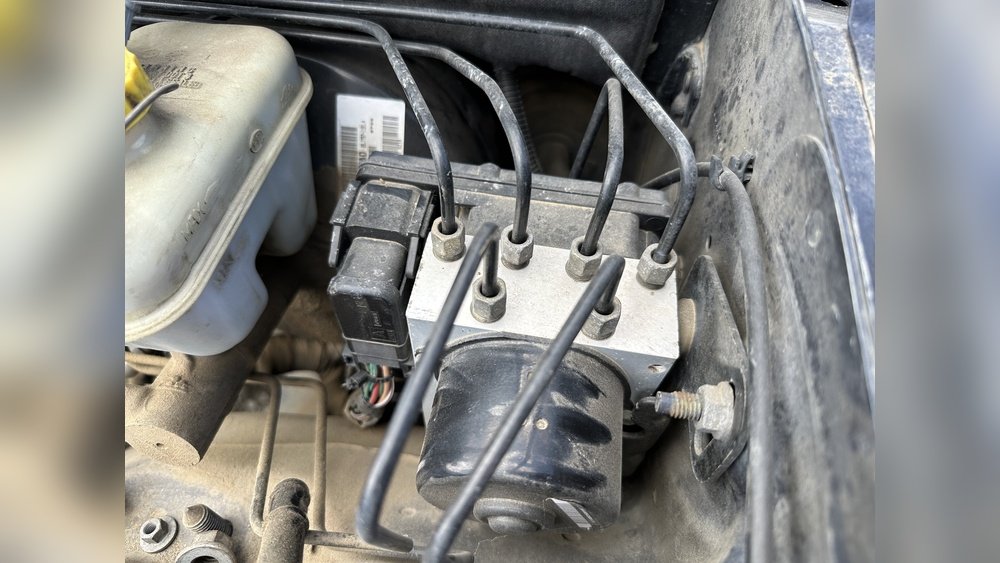
The Jeep Grand Cherokee ABS module is a critical component of your vehicle's safety system. It plays a vital role in preventing wheel lock-up during sudden braking, allowing you to maintain steering control and avoid obstacles.
When this module malfunctions, it can lead to a range of issues, from illuminated warning lights to a complete loss of ABS functionality. Understanding how this system works, common problems, and repair options is essential for any Grand Cherokee owner.
This article will explore the intricacies of the Jeep Grand Cherokee ABS module. We’ll cover its function, common failure points, diagnostic procedures, and the various repair and replacement solutions available.
Whether you're experiencing a minor glitch or a significant problem, this guide aims to provide you with the knowledge to address ABS module issues effectively and keep your Grand Cherokee safe on the road.
Understanding The Abs Module And Its Function
The Anti-lock Braking System (ABS) module is the brain of your vehicle’s ABS. It’s a sophisticated electronic unit that works in conjunction with wheel speed sensors, a hydraulic modulator, and the vehicle’s computer (ECU). Its primary purpose is to prevent the wheels from locking up when you apply the brakes forcefully, especially on slippery surfaces.
How The Abs System Works
When you press the brake pedal, hydraulic pressure is applied to the brake calipers, which in turn squeeze the brake pads against the rotors. In a non-ABS vehicle, if this pressure is too high, especially on a slick surface, the wheels can stop rotating altogether.
This is called wheel lock-up. When wheels lock up, you lose the ability to steer, and the vehicle will slide uncontrollably.
The ABS module prevents this by constantly monitoring the speed of each wheel using wheel speed sensors. If the module detects that a wheel is about to lock up (i.e., its speed is rapidly decreasing compared to the others), it intervenes. It momentarily reduces the brake pressure to that specific wheel, allowing it to regain traction and start rotating again. This process happens many times per second, creating a pulsing sensation in the brake pedal that many drivers are familiar with. This rapid pulsing allows the tires to maintain grip and the driver to steer around hazards.
Components Of The Abs System
The ABS system is comprised of several key components that work together:
- ABS Control Module (ECU): This is the central computer that receives data from the wheel speed sensors and controls the hydraulic modulator.
- Wheel Speed Sensors: These sensors are located at each wheel hub and measure the rotational speed of each wheel. They send this information to the ABS control module.
- Hydraulic Modulator (or Modulator Assembly): This unit contains a series of valves and an electric pump. The valves control the brake fluid pressure to each wheel, and the pump can rapidly increase pressure to reapply braking force after releasing it.
- Brake Lines: These carry the brake fluid from the master cylinder to the brake calipers. The hydraulic modulator is integrated into this system.
- Warning Light: A dedicated ABS warning light on the dashboard illuminates when the system detects a fault.
The Role Of The Abs Module In A Jeep Grand Cherokee
In a Jeep Grand Cherokee, the ABS module is integrated into the overall vehicle electronics. It communicates with other modules, such as the Engine Control Module (ECM) and the Transmission Control Module (TCM), to ensure optimal performance and safety.
For instance, the ABS module's data on wheel speed can influence traction control and stability control systems, which are often linked to the ABS.
A properly functioning ABS module is crucial for the effective operation of these advanced safety features, particularly in a capable SUV like the Grand Cherokee, which is often driven in varied conditions.
Common Jeep Grand Cherokee Abs Module Problems
Like any electronic component, the ABS module is susceptible to failure over time. Several factors can contribute to its malfunction, leading to common issues that Grand Cherokee owners might encounter.
Causes Of Abs Module Failure
Several factors can lead to an ABS module failure:
- Electrical Issues:
- Voltage Spikes: Sudden fluctuations in the vehicle’s electrical system, often caused by faulty alternators or jump-starting incorrectly, can damage the sensitive electronics within the module.
- Corrosion: Water intrusion, especially in areas prone to moisture or during off-roading, can lead to corrosion on the module’s internal components and connectors.
- Short Circuits: Damaged wiring or loose connections can cause short circuits, leading to module damage or erratic behavior.
- Mechanical Stress:
- Vibration: Constant vibration from the road, especially on rough terrain, can loosen internal solder joints or damage components within the module.
- Heat: Prolonged exposure to high temperatures, particularly in the engine bay or near the brakes, can degrade electronic components over time.
- Component Failure:
- Internal Component Degradation: Like any electronic device, the capacitors, resistors, and microprocessors within the ABS module can simply wear out over time.
- Faulty Wheel Speed Sensors: While not a direct failure of the module itself, a consistently failing wheel speed sensor can send erroneous data, potentially causing the module to behave incorrectly or even leading to its failure if the issue is persistent and not addressed.
Symptoms Of A Failing Abs Module
Recognizing the symptoms of a failing ABS module is the first step toward addressing the problem. These symptoms can range from subtle to severe:
- Illuminated ABS Warning Light: This is the most common and direct indicator. If the ABS light stays on or flashes intermittently, it signals a fault within the system, often pointing to the module or its related sensors.
- ABS Not Functioning: During hard braking, you might notice the wheels locking up, and the characteristic pulsing sensation in the brake pedal is absent. This is a dangerous situation, as it means the ABS is not providing its safety benefit.
- Traction Control/Stability Control Issues: Since these systems often rely on data from the ABS module, their performance may be compromised. You might find that traction control doesn’t engage when needed, or the stability control light might also illuminate.
- Inaccurate Speedometer Readings: In some cases, a faulty ABS module or its associated sensors can affect the speedometer’s accuracy, as the vehicle’s speed is often derived from wheel speed sensor data.
- Soft or Spongy Brake Pedal: While this can indicate other brake system issues, a failing ABS module can sometimes contribute to a spongy pedal feel due to problems with the hydraulic modulator.
- Diagnostic Trouble Codes (DTCs): A mechanic using an OBD-II scanner will likely find specific trouble codes related to the ABS system, such as codes for wheel speed sensor circuits, module internal faults, or communication errors.
Specific Issues In Jeep Grand Cherokees
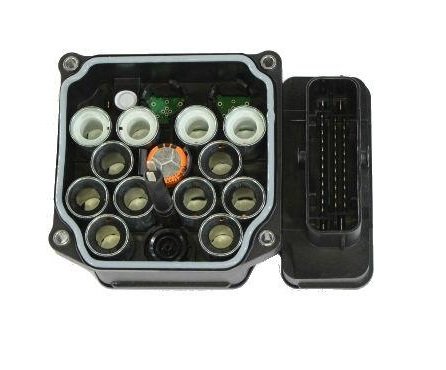
Jeep Grand Cherokees, particularly certain model years, have been known to experience ABS module failures. Often, the issue stems from the Integrated Power Module (IPM) or the ABS control unit itself. Corrosion at the module’s connectors or internal circuit board failures are frequently cited. Owners have reported scenarios where the ABS module fails, causing not only ABS issues but also affecting other critical systems like the cooling fans or even preventing the vehicle from starting. It’s important to note that the specific failure points can vary significantly between different generations and model years of the Grand Cherokee.
Diagnosing Abs Module Problems
Diagnosing an ABS module problem requires a systematic approach to pinpoint the exact cause. Simply seeing the ABS light on isn’t enough; a proper diagnosis will help determine if the module itself is faulty or if another component is the culprit.
The Importance Of Professional Diagnosis
While some basic checks can be done by a knowledgeable owner, a full diagnosis is best left to a professional mechanic. They have specialized tools and expertise to accurately identify the root cause.
Attempting to fix an ABS issue without proper knowledge can be dangerous, as it’s a critical safety system.
Diagnostic Steps
A typical diagnostic process for ABS module issues involves several steps:
- Scan for Diagnostic Trouble Codes (DTCs): The first step is to connect an OBD-II scanner to the vehicle’s diagnostic port. This scanner retrieves any stored error codes from the vehicle’s computer. Codes related to the ABS system (often starting with ‘C’ or ‘U’) will provide initial clues. For example, a code like C1020 might indicate an issue with the ABS control module itself.
- Inspect Wiring and Connectors: Technicians will visually inspect the wiring harness connected to the ABS module and wheel speed sensors. They look for any signs of damage, fraying, corrosion, or loose connections. The connectors are often a point of failure due to exposure to the elements.
- Test Wheel Speed Sensors: Each wheel speed sensor needs to be tested. This can involve checking for proper voltage output while the wheel is rotating, testing resistance, or observing live data on the scanner to see if each sensor is reporting speed accurately. A faulty sensor will send incorrect or no data to the module.
- Check Hydraulic Modulator: The hydraulic modulator, which contains the valves and pump, can also be tested. This might involve checking for proper operation of the pump and valves, as well as ensuring there are no leaks in the brake lines connected to it.
- Test the ABS Control Module: If all other components check out, the ABS control module itself is the likely suspect. This can be tested in a few ways:
- Module Bench Testing: Some specialized repair shops can remove the module and test it on a bench to identify internal faults.
- Signal Simulation: A technician might use specialized equipment to simulate signals from the wheel speed sensors to the module to see how it responds.
- Cross-referencing: If a known good module is available for the same vehicle, it can sometimes be temporarily installed to see if the problem is resolved.
Common Dtcs For Abs Module Issues
Here are some common types of DTCs that might appear when the ABS module is the problem:
- Module Internal Faults: Codes like U0100 (Lost Communication With ECM/PCM) or specific internal circuit codes indicate the module itself has an issue.
- Communication Errors: Codes such as U0121 (Lost Communication With ABS Control Module) suggest that other modules in the vehicle cannot communicate with the ABS module, often meaning the ABS module has failed or is not receiving power.
- Power Supply Issues: Codes related to low voltage or open circuits in the power supply to the ABS module (e.g., B0001) point to problems with the module’s electrical connection.
It’s important to remember that these codes are just a starting point. A code indicating a sensor fault, for example, might be caused by a damaged wire leading to the sensor, not the sensor itself.
Repair And Replacement Options For Your Jeep Grand Cherokee Abs Module
Once a faulty ABS module is diagnosed, you have several options for repair or replacement. The best choice depends on your budget, the availability of parts, and your comfort level with vehicle repairs.
Replacing The Abs Module
This is the most straightforward, though often the most expensive, solution.
- New Module: Purchasing a brand-new ABS module from a Jeep dealership or an authorized auto parts supplier is the most reliable option. These modules come with a warranty and are guaranteed to be compatible with your specific Grand Cherokee model.
- Remanufactured/Rebuilt Module: These are used modules that have been professionally refurbished. They are typically less expensive than new modules and often come with a warranty. Reputable companies specialize in remanufacturing ABS modules, ensuring they meet original specifications.
- Used Module: Sourcing a used ABS module from a salvage yard can be the cheapest option. However, this comes with the highest risk. There’s no guarantee of the module’s condition or remaining lifespan, and warranties are often limited or non-existent.
Important Considerations for Replacement:
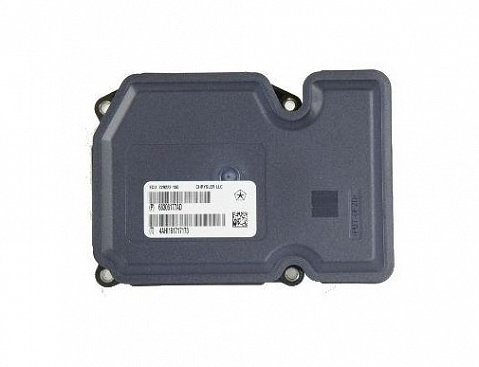
- Part Number Compatibility: It is crucial to ensure the replacement module has the exact same part number as the original. Even minor differences can lead to incompatibility issues.
- Programming/Coding: Many modern ABS modules, especially those for vehicles like the Grand Cherokee, require programming or coding after installation. This process involves using specialized diagnostic equipment to configure the new module to your vehicle’s specific VIN, options, and other electronic systems. Without proper programming, the new module may not function correctly, or the ABS warning light may persist. Dealerships or specialized repair shops are equipped for this.
Repairing The Abs Module
In some cases, the ABS module can be repaired rather than replaced. This is often a more cost-effective solution, especially if the module has specific, identifiable internal faults.
- Specialized Repair Services: Several companies specialize in repairing automotive electronic modules, including ABS modules. They can often fix issues like cracked solder joints, burnt components, or corrosion damage. This involves disassembling the module, diagnosing the specific fault, and repairing or replacing the damaged parts.
- Benefits of Repair:
- Cost Savings: Repairing is typically cheaper than buying a new module.
- Environmentally Friendly: It reduces electronic waste.
- Potentially Faster: Depending on the service, it might be quicker than ordering a new part and waiting for programming.
- Drawbacks of Repair:
- Finding a Reputable Service: It’s essential to choose a repair service with a proven track record and good reviews.
- Warranty: Ensure the repair service offers a solid warranty on their work.
- Not Always Possible: Some types of damage, particularly severe internal circuit board damage, may not be repairable.
Diy Vs. Professional Installation
- DIY Installation: If you are mechanically inclined and have the necessary tools, replacing an ABS module can be a DIY project. However, you will likely still need access to professional programming equipment to get the new module working correctly. Removing and replacing the module itself usually involves disconnecting the battery, unbolting the module, and transferring the hydraulic lines.
- Professional Installation: For most owners, having a qualified mechanic or dealership perform the replacement and programming is the safest and most reliable option. They have the specialized tools, knowledge, and experience to ensure the job is done correctly the first time, minimizing the risk of further damage or incorrect installation.
Cost Of Repairing Or Replacing An Abs Module
The cost associated with addressing a faulty ABS module can vary significantly. It depends on the specific year and model of your Jeep Grand Cherokee, the chosen repair method, and labor rates in your area.
Cost Breakdown
Here’s a general idea of what you might expect:
- Diagnosis: Many shops charge a diagnostic fee, typically ranging from $80 to $150, to identify the problem. Some may waive this fee if you proceed with the repair.
- Replacement Module:
- New Module: A new OEM ABS module can cost anywhere from $300 to $800 or more, depending on the vehicle.
*



















