When you think about the Jeep Grand Cherokee 2004, you might picture an SUV with rugged looks and impressive off-road abilities. But for many owners, the ability to tow heavy loads is just as important.
Whether you want to haul a trailer, boat, or camper, understanding the towing capacity and related features of this model is essential. Choosing the right vehicle for towing means knowing its limits, strengths, and what makes it a reliable partner for your adventures.
The 2004 Grand Cherokee is popular with families and outdoor enthusiasts because it balances daily comfort with strong towing performance. Its solid frame, advanced suspension, and engine choices make it suitable for pulling both lightweight and heavier trailers. If you’re planning to tow, knowing the details about how your Jeep handles weight and what features support safe towing will help you avoid problems on the road.
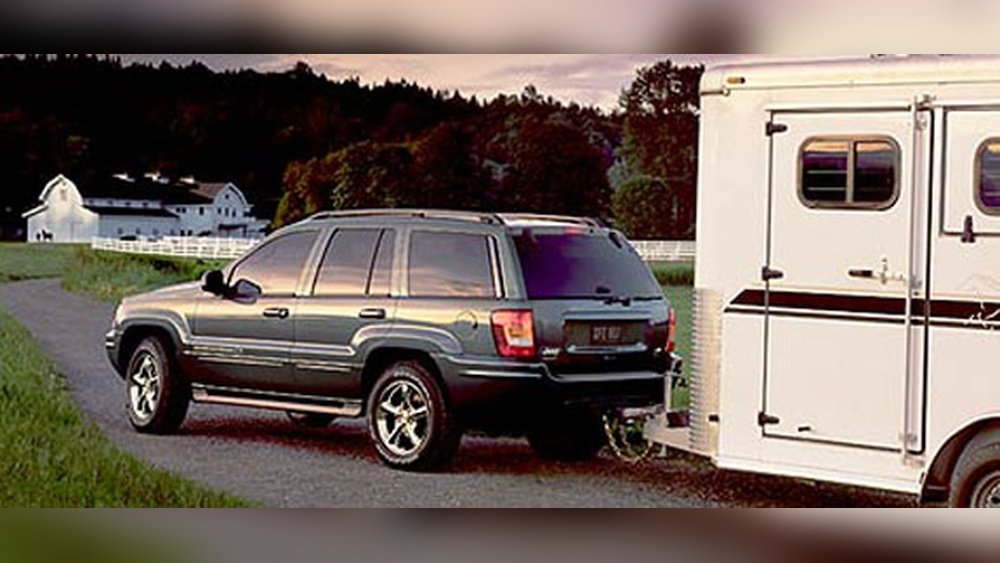
Many people focus only on the towing number, but understanding the whole package makes your trips smoother and safer.
What Is Towing Capacity?
Towing capacity is the maximum weight a vehicle can safely pull. It combines the strength of the engine, the design of the frame, the transmission, and the brakes. For SUVs like the Jeep Grand Cherokee 2004, towing capacity is a key selling point. It’s important not to confuse towing capacity with payload, which is the maximum weight a vehicle can carry inside.
Manufacturers calculate towing capacity based on stress tests and safety standards. For example, if your Jeep is rated to tow 6,500 pounds, it means the vehicle can handle that weight on flat roads, but hills, weather, and load balance can affect real-world performance.
Always remember that towing capacity is a safety limit—not a challenge to push as far as possible. Overloading can damage the transmission, reduce braking effectiveness, and even cause accidents.
Jeep Grand Cherokee 2004 Engine Options
The 2004 Grand Cherokee came with three main engine choices:
- 4.0L Inline-6: This engine is reliable and known for durability. It produces 195 horsepower and 230 lb-ft of torque.
- 4.7L V8: A stronger choice, with 235 horsepower and 295 lb-ft of torque.
- 4.7L High Output V8: The most powerful, offering 265 horsepower and 330 lb-ft of torque.
Each engine affects towing capacity, so knowing which one you have is important.
The Inline-6 is a favorite for simple, everyday use. It’s less powerful, but many owners report smooth towing for lighter loads like small boats or utility trailers. The 4. 7L V8 and High Output V8 are better suited for larger campers or heavier boats.
The extra torque helps pull up hills and handle highway speeds with less strain. If you’re unsure which engine your Grand Cherokee has, check the badge on the rear or consult your vehicle documents.
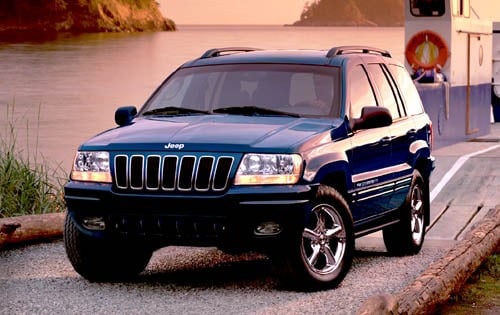
Towing Capacity By Model And Engine
The 2004 Grand Cherokee’s towing capacity varies by engine and trim. Here’s how they compare:
| Engine | Trim | Towing Capacity (lbs) |
|---|---|---|
| 4.0L Inline-6 | Laredo | 5,000 |
| 4.7L V8 | Laredo, Limited | 6,500 |
| 4.7L HO V8 | Overland | 6,500 |
- Laredo models often have the 4.0L or 4.7L V8.
- Limited and Overland trims usually feature the V8s, especially the High Output (HO) version.
When considering towing, remember that trim levels can affect not just engine power, but also the available towing features. For example, Overland often includes more advanced suspension, which improves stability under load. The V8 models are designed with towing in mind, so they’re ideal for people who plan to pull heavier trailers.
Key Features Supporting Towing
Several features help the 2004 Grand Cherokee tow safely:
- Rear-wheel drive (RWD) or four-wheel drive (4WD): 4WD offers better traction, especially on slippery roads.
- Heavy-duty cooling system: Prevents overheating while towing heavy loads.
- Class III/IV hitch receiver: Supports higher weight, usually installed by the dealer or aftermarket.
- Trailer sway control: Keeps the trailer stable, especially at highway speeds.
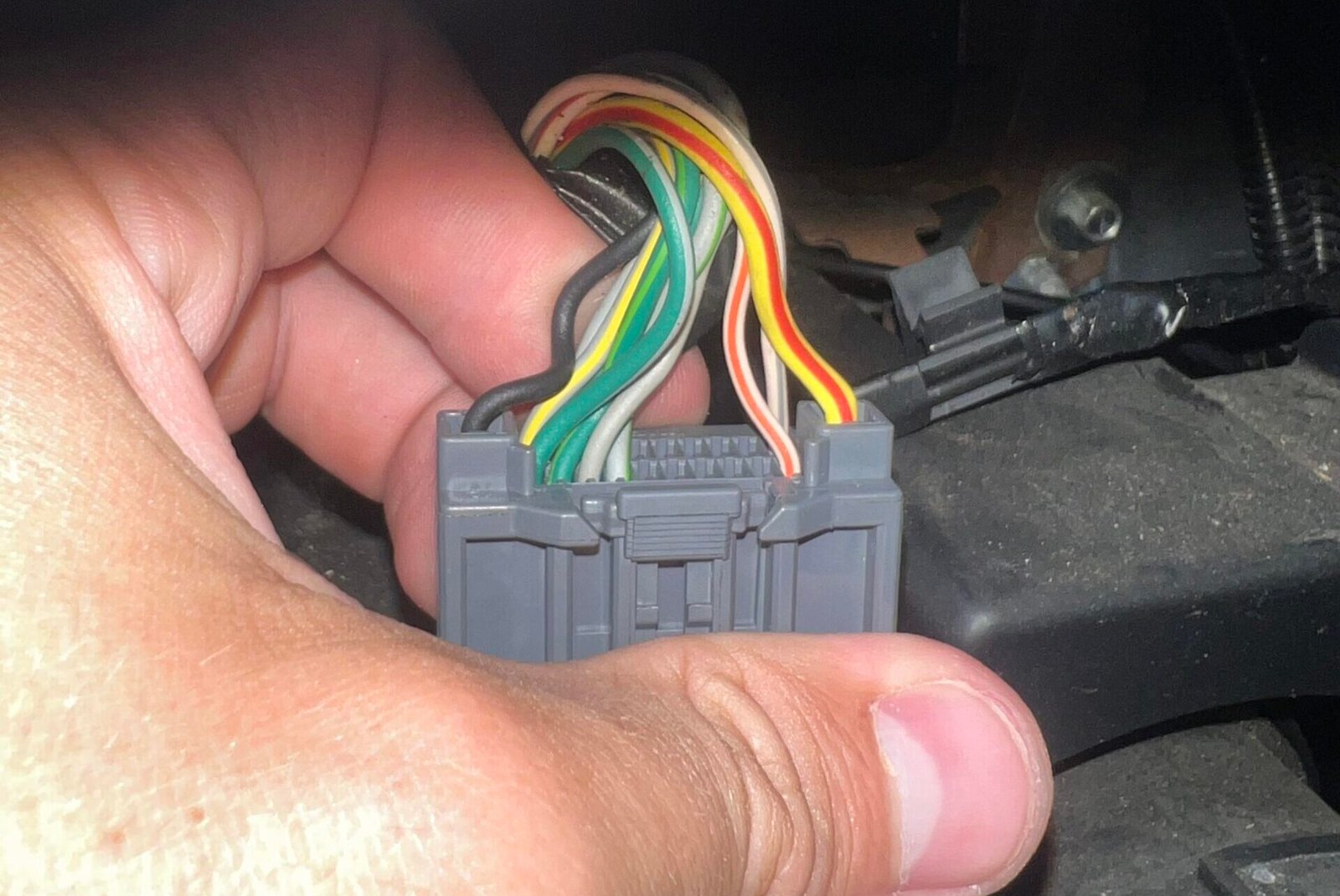
- 7-pin wiring harness: Makes connecting trailer lights easier.
If your Grand Cherokee doesn’t have these features, consider upgrades before towing.
Besides these main features, the Grand Cherokee’s suspension system helps absorb bumps and keeps the vehicle stable when towing. If you often drive in hilly areas, a heavy-duty cooling system is especially important. Upgrading to a higher-class hitch receiver not only increases weight capacity but also improves safety.
Some owners add aftermarket sway control bars to reduce trailer sway in windy conditions. The 7-pin wiring harness is essential for trailers with brakes and turn signals—never tow without proper electrical connections.
Real-world Towing Examples
Imagine you want to tow a 2,500-pound boat. With the 4.0L engine, you stay well within the 5,000-pound limit. For a larger camper weighing 4,800 pounds, the V8 engines offer more comfort and safety, keeping you further from the maximum limit. Always check the weight of your trailer, including cargo, to avoid overloading.
Another example: If you’re hauling a utility trailer full of building materials for a home project, and the total weight is about 3,000 pounds, even the base Laredo model can handle it. But if you’re planning a family camping trip with a fully loaded camper, it’s best to use the V8 models for more power and less strain. Remember that adding bikes, water tanks, and extra gear increases the trailer’s actual weight. It’s smart to weigh your loaded trailer at a truck stop or use a portable scale to avoid mistakes.
Important Weight Terms Explained
Understanding these terms helps prevent mistakes:
- Gross Vehicle Weight Rating (GVWR): Maximum total weight of the vehicle, passengers, and cargo.
- Gross Trailer Weight (GTW): Total weight of the trailer plus everything inside.
- Tongue Weight: Pressure the trailer exerts on the hitch; should be about 10–15% of GTW.
- Combined Gross Vehicle Weight Rating (GCWR): Maximum weight of the vehicle plus the trailer.
These numbers are found in your owner’s manual or on the door jamb sticker.
Knowing these terms makes it easier to plan trips safely. For example, the GVWR includes everything inside your Jeep—passengers, pets, luggage, and any cargo. If you have a heavy trailer and a full car, it’s possible to exceed the GCWR, even if you’re under the towing capacity.
Tongue weight is a common cause of trailer sway; too much makes steering difficult, too little can cause the trailer to fishtail. Always use a scale to measure tongue weight if you’re unsure.
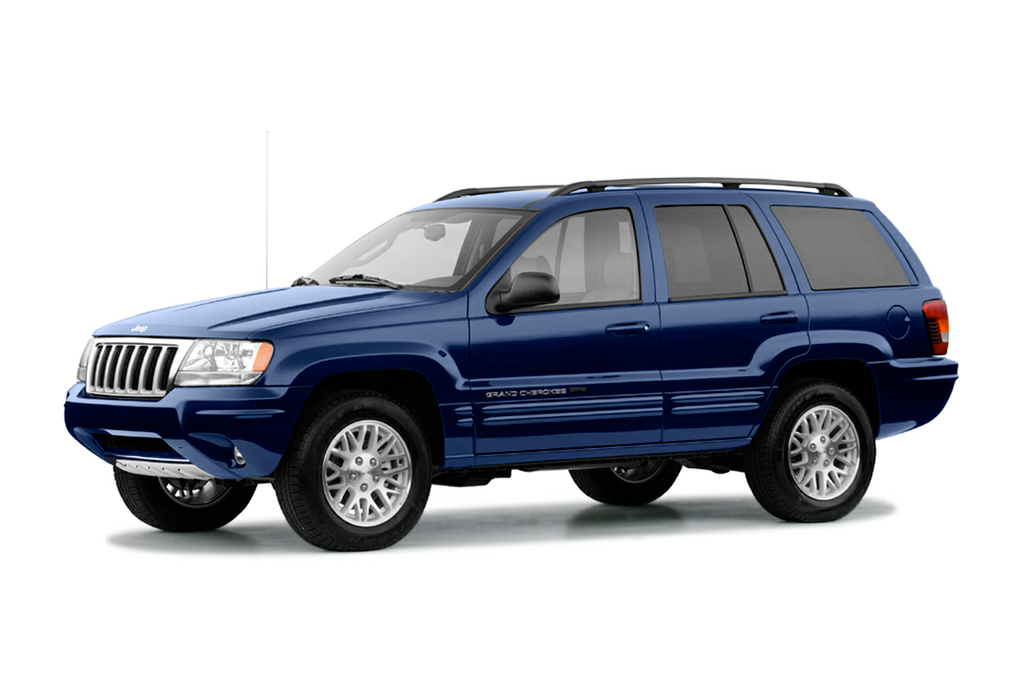
Comparing Towing Capacity To Other Suvs
How Does The 2004 Grand Cherokee Stack Up?
| Model | Year | Towing Capacity (lbs) |
|---|---|---|
| Jeep Grand Cherokee | 2004 | 5,000–6,500 |
| Ford Explorer | 2004 | 3,500–7,300 |
| Toyota 4Runner | 2004 | 5,000 |
| Chevrolet TrailBlazer | 2004 | 5,800 |
The Grand Cherokee offers competitive towing, especially with the V8 engine, but it’s wise to compare to other SUVs if you regularly tow heavy loads.
For example, the Ford Explorer can tow slightly more in some configurations, but its base models have lower limits. The Toyota 4Runner is consistent but doesn’t offer higher towing numbers. The TrailBlazer sits between the Jeep and Explorer. If you want flexibility, the Grand Cherokee’s mix of comfort and power makes it a solid choice, especially for those who need both daily driving and towing ability.
Common Mistakes When Towing
Many beginners make these errors:
- Exceeding towing limits: Always check your vehicle’s specs.
- Ignoring tongue weight: Too much or too little can cause sway or poor handling.
- Skipping brake checks: Towing puts extra stress on brakes.
- Forgetting to distribute weight: Uneven trailer loads lead to instability.
- Not using proper equipment: Use the right hitch and wiring.
A less obvious mistake is forgetting the effect of altitude. At higher elevations, engines produce less power, so towing limits may decrease. Another is failing to check local towing laws, which can require special brakes or mirrors.
Some drivers also forget that weather matters. Heavy rain or strong winds can affect control and increase stopping distance. If you’re towing in cold conditions, icy roads make trailer sway more likely. Another common error is failing to use safety chains, which keep the trailer connected if the hitch fails.
Make sure chains are crossed under the hitch for added safety.
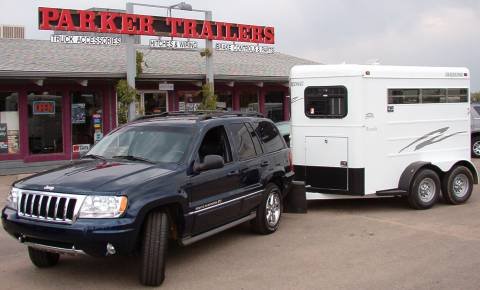
Towing Package And Upgrades
If you plan to tow often, consider a factory towing package. It usually includes:
- Heavy-duty cooling
- Upgraded suspension
- Wiring harness
- Stronger hitch
Aftermarket upgrades can help, but always match them to your vehicle’s actual limits.
Upgrades like transmission coolers and brake controllers make towing easier and protect your vehicle. Adding air springs or load-leveling shocks helps keep your Jeep level, even with heavy trailers. If you install a bigger hitch or extra wiring, use certified parts and professional installation.
Never exceed the original tow rating, even with upgrades—safety depends on the weakest part of your system.
Tips For Safe Towing
- Check tire pressure: Low tires can cause sway or blowouts.
- Practice driving: Handling a trailer is different than solo driving.
- Allow extra braking distance: Trailers add weight, so stops take longer.
- Use mirrors: Wider mirrors help you see around the trailer.
- Inspect connections: Check hitch and wiring before every trip.
Extra tip: When backing up, steer slowly and use small movements. It’s easy to over-correct.
If you’re new to towing, find an empty parking lot and practice turning, stopping, and reversing with your trailer. Use a spotter if possible. Plan your route ahead to avoid sharp turns or steep hills. If you feel sway while driving, gently reduce speed and avoid sudden steering.
Always carry a spare tire for both your Jeep and trailer.
Maintenance And Preparation
Before towing, do these checks:
- Inspect brakes: Both vehicle and trailer.
- Check fluid levels: Transmission and coolant.
- Verify lights: Trailer and vehicle lights must work.
- Lubricate hitch: Prevents noise and wear.
Regular maintenance keeps your Jeep Grand Cherokee 2004 reliable for towing.
It’s also wise to inspect the tires for cuts or bulges and replace them if needed. Check for leaks in the cooling system and ensure the battery is fully charged. Clean the electrical connections on the wiring harness to prevent shorts.
Set up a regular maintenance schedule—towing increases wear and tear, so oil changes and inspections are even more important.
Licensing And Regulations
Different states have rules for towing. Some require trailer brakes or special licenses for heavy loads. Always check state laws before your trip. The federal government suggests trailers over 3,000 pounds should have their own brakes.
If you cross state lines, rules may change about trailer lighting, safety chains, and insurance. Some states require reflective tape or extra lights. Always carry your registration and proof of insurance for both vehicle and trailer. Ignoring local regulations can lead to fines or delays.