The 2002 Jeep Grand Cherokee stands out as a classic SUV, known for its reliability and rugged performance. Keeping your vehicle running smoothly depends on regular maintenance, and using the right oil type is a key part of that process.
Many owners wonder what oil is best for their 2002 Grand Cherokee, how much to use, and what oil change mistakes to avoid. In this guide, you'll find straightforward answers, helpful comparisons, and practical advice to keep your engine healthy.
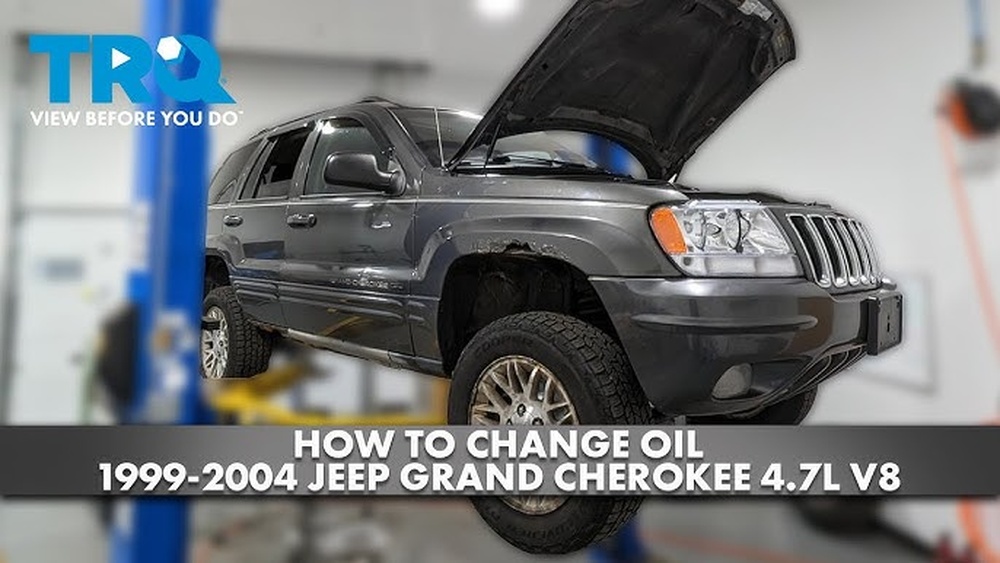
Recommended Oil Type For 2002 Jeep Grand Cherokee
Jeep designed the 2002 Grand Cherokee with several engine options. Each engine has specific oil requirements.
Using the right oil ensures proper lubrication, reduces engine wear, and improves fuel efficiency.
For the most common engines:
- 4.0L Inline-6: 5W-30 or 10W-30 (depending on climate)
- 4.7L V8: 10W-30 recommended
The “W” in the oil grade stands for “winter,” and the numbers indicate viscosity. Lower numbers (like 5W) mean the oil flows better in cold weather, making it easier to start your engine on chilly mornings.
How Much Oil Does The 2002 Grand Cherokee Need?
The amount of oil your SUV needs depends on the engine:
| Engine | Oil Capacity (with filter) | Recommended Viscosity |
|---|---|---|
| 4.0L Inline-6 | 6 quarts (5.7 liters) | 5W-30 or 10W-30 |
| 4.7L V8 | 6 quarts (5.7 liters) | 10W-30 |
Always check your owner’s manual for the most accurate information. Overfilling or underfilling can harm your engine.
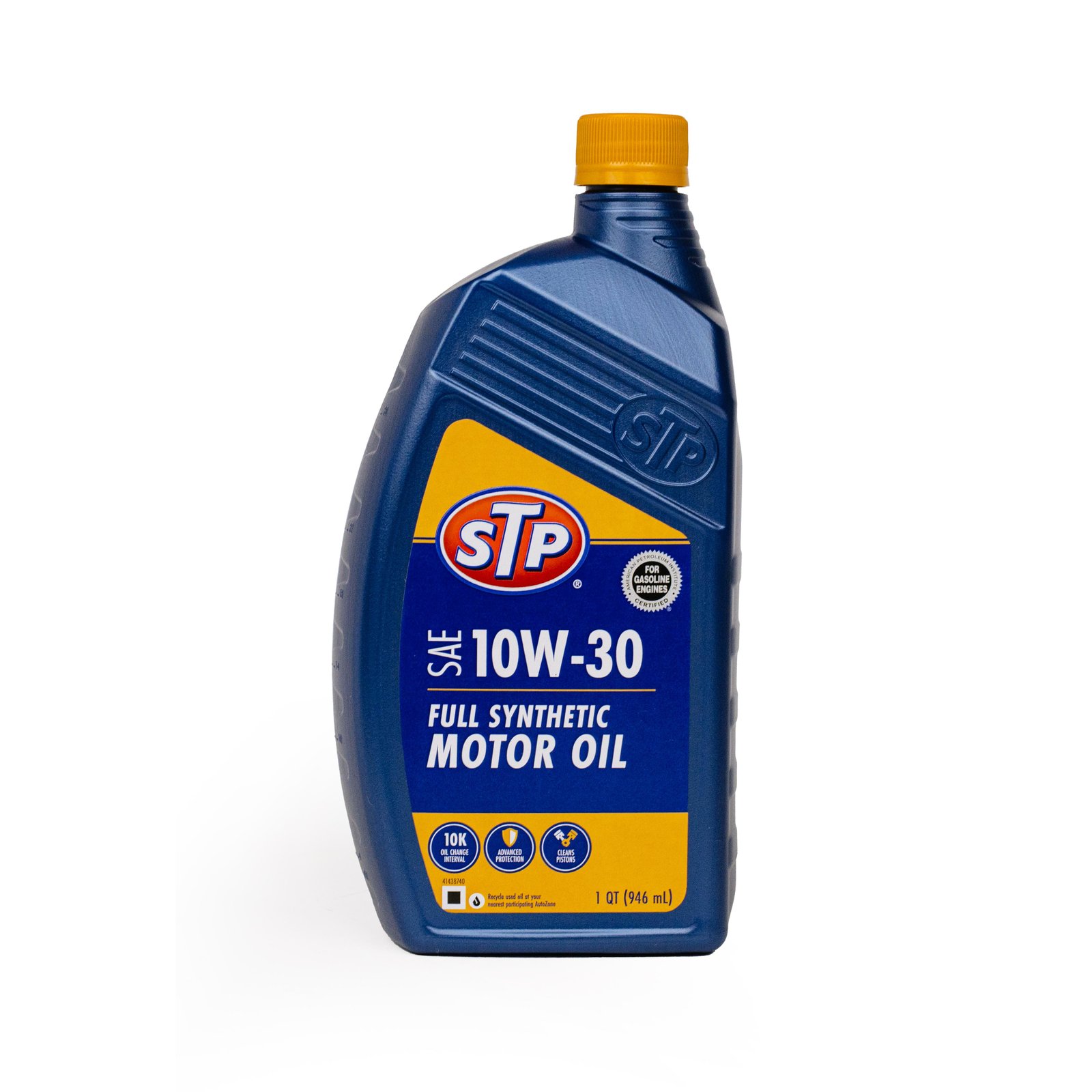
Conventional Vs Synthetic Oil: Which Is Better?
Choosing between conventional oil and synthetic oil can be confusing. Here’s a quick comparison to help you decide:
| Type | Benefits | Drawbacks |
|---|---|---|
| Conventional | Lower cost, widely available | Shorter change intervals, less protection |
| Synthetic | Better temperature performance, longer-lasting | Higher price |
Synthetic oil is often a wise choice for older engines like the 2002 Grand Cherokee because it resists breakdown and protects better under stress. However, if you drive in mild conditions and change oil regularly, conventional oil works too.
How To Change The Oil In A 2002 Jeep Grand Cherokee
Changing your SUV’s oil is simple if you follow these steps:
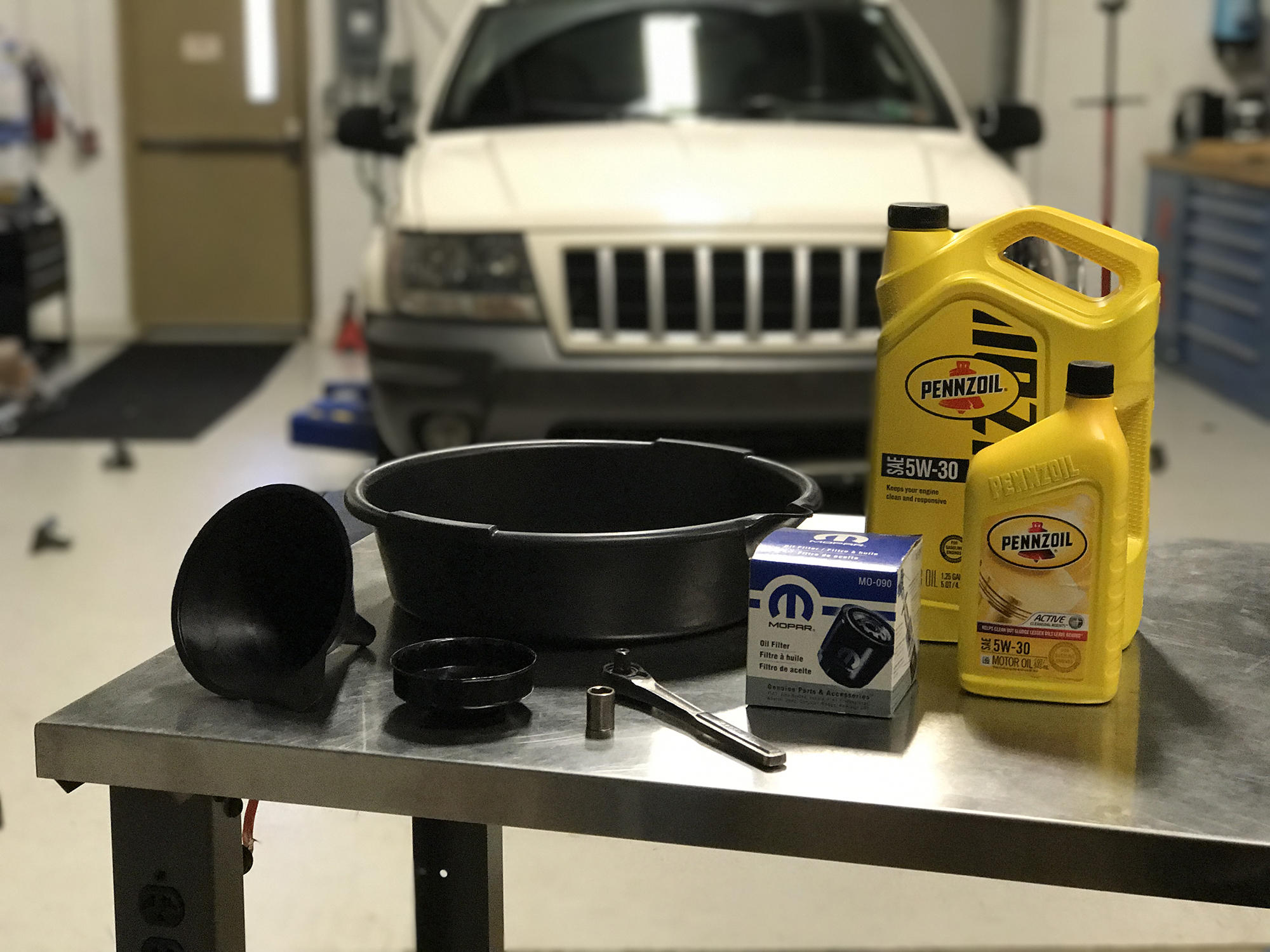
- Gather supplies: Correct oil (5W-30 or 10W-30), new oil filter, wrench, oil pan, funnel, gloves, and rags.
- Warm up your engine for a few minutes. This helps the oil drain out easily.
- Turn off the engine and let it cool briefly.
- Place the oil pan under the drain plug, unscrew the plug, and let the oil drain out.
- Replace the oil filter (use oil on the new filter’s gasket).
- Screw the drain plug back on tightly.
- Pour in the new oil (usually 6 quarts).
- Start the engine, let it idle, then check the oil level with the dipstick. Add oil if necessary.
- Dispose of the used oil properly—never pour it down a drain.
Common Oil Change Mistakes To Avoid
Many owners make easy-to-miss mistakes during oil changes. Here are a few to watch out for:
- Using the wrong oil type: Always double-check your owner’s manual.
- Overtightening the drain plug: This can strip the threads or crack the oil pan.
- Forgetting the oil filter gasket: Always ensure the old gasket comes off with the filter.
- Neglecting to check for leaks: After starting the engine, look under the car for drips.
A hidden tip: If you often drive short distances, change your oil more frequently. Short trips don’t let the engine get hot enough to burn off condensation and contaminants.
What Influences Oil Choice: Climate And Driving Style
Climate has a big impact on oil selection. In cold areas, 5W-30 helps your engine start easily. In hot climates, 10W-30 offers better protection against thinning at high temperatures.
Driving style matters, too. If you often tow, drive in mountains, or carry heavy loads, synthetic oil can provide better protection.
City drivers who start and stop often put more stress on their engines and may benefit from more frequent oil changes or higher-quality oil.
Signs Your Grand Cherokee Needs An Oil Change
Don’t wait for dashboard lights. Watch for these signs:
- Darker or gritty oil on the dipstick
- Engine knocking or ticking sounds
- Decreased fuel efficiency
- Excess exhaust smoke
Changing oil on time can prevent expensive engine damage.
Real-world Example
A 2002 Grand Cherokee owner in Michigan, driving mostly short trips in winter, noticed sluggish starts. Switching from 10W-30 to 5W-30 solved the problem.
This shows how matching oil viscosity to climate can improve performance.
For more official guidance, the Jeep owner’s manual provides detailed information.
What Is The Best Oil Type For A 2002 Jeep Grand Cherokee?
The best oil type depends on your engine and climate. For the 4.0L Inline-6, use 5W-30 or 10W-30. For the 4.7L V8, 10W-30 is recommended. Check your manual and match viscosity to your weather conditions.
How Often Should I Change The Oil In My 2002 Grand Cherokee?
Change oil every 3,000 to 5,000 miles if using conventional oil. With synthetic oil, you can go up to 7,500 miles. Always follow the maintenance schedule in your owner’s manual.
Can I Switch From Conventional To Synthetic Oil?
Yes, you can switch to synthetic oil at any time. Make sure to use the correct viscosity, and consider replacing the oil filter during the switch for best results.
What Happens If I Use The Wrong Oil?
Using the wrong oil can lead to poor engine lubrication, increased wear, and even engine damage over time. Always use the recommended oil type and viscosity.
Where Can I Find More Information About Oil Specifications For My Jeep?
The official Jeep website and your owner’s manual are the most reliable sources. For more details, visit the Jeep Grand Cherokee Wikipedia page.
Taking care of your 2002 Jeep Grand Cherokee with the right oil keeps it running strong for years. By understanding oil types, capacities, and proper maintenance, you can enjoy smoother drives and avoid costly repairs.