The Jeep Grand Cherokee steering wheel module is a crucial component, often overlooked until it causes problems. It's the central hub for many of the controls you interact with daily, from adjusting your audio to activating cruise control and even deploying airbags.
Understanding its function, common issues, and how to address them is key to maintaining your vehicle's comfort, safety, and overall drivability.
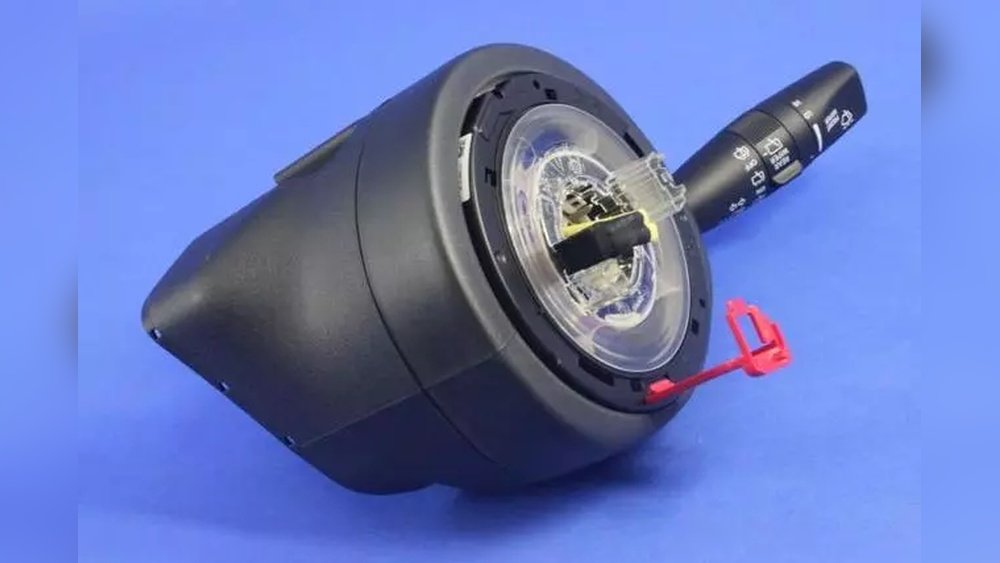
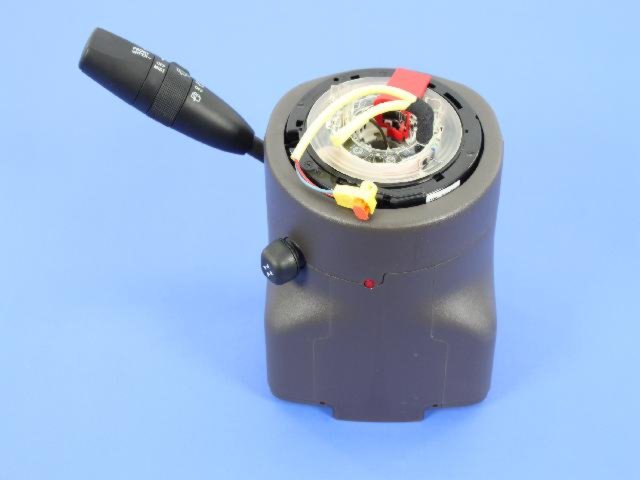
This module, also known as the clock spring or spiral cable, is a complex assembly designed to allow the steering wheel to turn freely while maintaining electrical connections to the components mounted on it.
When this module malfunctions, it can manifest in various ways, often leading to frustration and potential safety concerns. Modern vehicles pack an increasing number of electronic features into the steering wheel, making this module more vital than ever.
This article will explore the intricate workings of the Jeep Grand Cherokee steering wheel module, common problems owners might face, and the steps involved in diagnosing and repairing them.
Understanding The Steering Wheel Module: More Than Just A Wheel
The steering wheel module, technically referred to as the airbag spiral cable or clock spring, is a small but incredibly important part located behind the steering wheel. Its primary job is to connect the steering wheel’s controls and the driver’s airbag to the vehicle’s electrical system. Imagine a coiled ribbon of wires, much like a spring, that can unwind and rewind as you turn the steering wheel. This ingenious design allows for continuous electrical contact even as the wheel rotates multiple times.
Key Functions And Components
The steering wheel module is responsible for several critical functions:
- Airbag Deployment: This is its most vital safety role. When the vehicle’s computer detects a collision, it sends a signal through the module to inflate the driver’s airbag. A faulty module can prevent the airbag from deploying, a potentially life-threatening issue.
- Horn Operation: Pressing the horn pad also sends a signal through the module to sound the horn.
- Steering Wheel Controls: Modern vehicles have numerous buttons on the steering wheel for controlling the infotainment system, climate control, cruise control, and voice commands. The module routes these signals to the appropriate systems.
- Information Display: Some modules may also be involved in transmitting data to the instrument cluster, such as turn signal indicators or cruise control status.
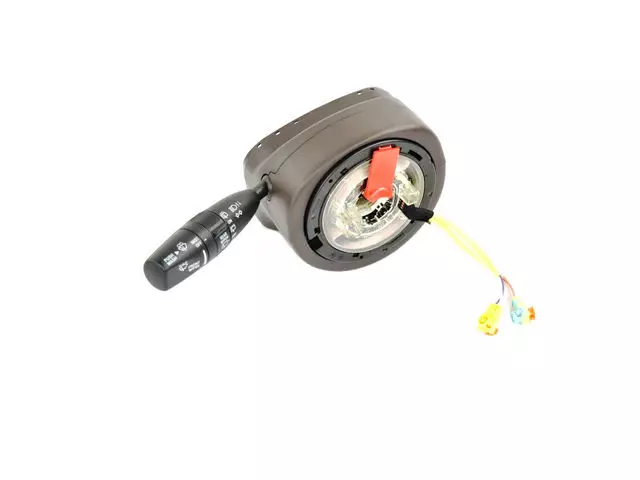
The module itself is typically a plastic housing containing a flat, flexible circuit board that is wound into a spiral. This ribbon cable is connected to a wiring harness on one side (connecting to the vehicle’s main systems) and to the steering wheel’s components on the other.
Why It’s Called A “clock Spring”
The term "clock spring" comes from its appearance and function. It resembles the spring found in older mechanical clocks, coiled tightly.
As the steering wheel turns, the ribbon cable within the module either winds or unwinds, similar to how a clock's spring stores and releases energy.
This constant movement means the module is subjected to significant wear and tear over time.
Common Problems With The Jeep Grand Cherokee Steering Wheel Module
Given its constant use and the delicate nature of its internal components, the steering wheel module is prone to failure. These failures can range from minor annoyances to serious safety hazards.
Airbag Warning Light Illumination
One of the most common indicators of a failing module is the airbag warning light on the dashboard. This light, often an icon of a person with a deployed airbag, signifies a problem within the airbag system. While other issues can trigger this light (like a faulty seatbelt sensor or airbag itself), a malfunctioning clock spring is a frequent culprit. The module might be failing to send or receive the necessary signals, or a wire within the ribbon cable could have broken.
Inoperative Steering Wheel Controls
If your audio controls, cruise control buttons, or horn suddenly stop working, and the airbag light is on, the steering wheel module is a prime suspect. This happens when the delicate wires within the ribbon cable break or when the electrical connections become intermittent. For example, if the wires for the horn circuit are damaged, pressing the horn will do nothing. Similarly, if the wires for the cruise control buttons are severed, you won’t be able to set or adjust your speed.
Intermittent Functionality
Sometimes, the module doesn’t fail completely but begins to work intermittently. You might find that your steering wheel controls work one moment and then stop the next, often depending on the position of the steering wheel. This is a classic sign of a worn or damaged ribbon cable inside the module. As you turn the wheel, the damaged section of the cable makes or loses contact, causing the buttons to work sporadically.
Problems With Horn And Turn Signals
Beyond infotainment and cruise control, the horn and turn signals are also routed through the steering wheel module. If you experience issues with these basic functions, such as the horn not sounding when pressed or the turn signals not activating, it points towards a potential failure in the module’s wiring.
Steering Wheel Lock Issues
In some less common scenarios, a severely damaged steering wheel module can interfere with the steering wheel lock mechanism, making it difficult or impossible to turn the wheel, especially after the ignition is turned off. This is a more serious mechanical and electrical issue that requires immediate attention.
Diagnosing A Faulty Steering Wheel Module
Diagnosing a steering wheel module problem requires a systematic approach, often involving specialized tools and knowledge. It’s crucial to correctly identify the issue to avoid unnecessary repairs.
Reading Diagnostic Trouble Codes (dtcs)
The first step in diagnosing any electrical issue in a modern vehicle is to use an OBD-II scanner. This device plugs into a port usually located under the dashboard and can read diagnostic trouble codes stored in the vehicle’s computer. Codes related to the airbag system (often starting with ‘B’) or specific steering wheel control circuits can help pinpoint the problem. For example, a code like “B1000” might specifically indicate an issue with the clock spring.
Visual Inspection
While the module is hidden behind covers, a mechanic might perform a visual inspection of accessible wiring harnesses connected to the steering column. Looking for any signs of damage, loose connections, or corrosion can provide clues.
However, the internal components of the module are not visible without disassembling it.
Testing Connections And Circuits
A mechanic will use a multimeter to test the continuity and resistance of the circuits that pass through the steering wheel module. This involves disconnecting the module and testing each wire’s connection from one end to the other. They will check for open circuits (broken wires) or short circuits (wires touching that shouldn’t be).
Steering Wheel Position Sensor (swps)
Many modern Jeep Grand Cherokees use a Steering Wheel Position Sensor (SWPS), which is often integrated into or located very near the clock spring assembly. This sensor tells the vehicle’s computer the exact angle and direction the steering wheel is turned. If the SWPS fails or loses calibration, it can cause issues with stability control systems (like Electronic Stability Control – ESC) and may also trigger the airbag light. Diagnosis might involve checking SWPS data through the OBD-II scanner and potentially recalibrating it.
Pro Tip: If your airbag light comes on, it’s crucial to have it diagnosed immediately. The airbag system is a critical safety feature, and any malfunction could compromise its ability to protect you in an accident.
Replacing The Steering Wheel Module
Replacing a steering wheel module is a moderately complex job that requires care, especially due to the presence of the airbag. It’s often best left to experienced technicians, but understanding the process can be informative.
Safety Precautions
The most important safety precaution when working with the steering wheel module is disconnecting the vehicle’s battery. This prevents the airbag from accidentally deploying during the repair process. The battery should be disconnected for at least 15-30 minutes before beginning work to allow any residual electrical charge to dissipate.
Step-by-step Replacement Process
- Disconnect the Battery: As mentioned, this is the first and most critical step.
- Remove Airbag Module: The driver’s airbag is typically secured by clips or bolts from behind the steering wheel. Carefully release the airbag module and set it aside. Handle the airbag with extreme care, keeping its connector facing upwards and away from your body.
- Remove Steering Wheel: The steering wheel is usually held in place by a large central nut. Before removing it, it’s essential to ensure the steering wheel is perfectly centered. Mark its position relative to the steering column. Once the nut is removed, the steering wheel can be pulled off, often requiring a steering wheel puller tool.
- Access the Steering Wheel Module: With the steering wheel removed, the steering wheel module (clock spring) is now exposed. It’s usually held in place by screws or clips.
- Remove Old Module: Carefully detach the old module, noting the routing of any wires or connectors.
- Install New Module: Place the new module into position, ensuring it’s correctly oriented. Make sure the ribbon cable is not twisted or strained. Some new modules come with a locking pin to keep the ribbon centered during installation; this pin must be removed after the steering wheel is reinstalled.
- Reinstall Steering Wheel: Slide the steering wheel back onto the steering column, aligning it with the splines and the center mark. Tighten the central nut to the manufacturer’s specified torque.
- Remove Module Lock Pin (if applicable): If your new module had a locking pin, remove it now.
- Reconnect Airbag Module: Reattach the airbag module, ensuring it clicks securely into place.
- Reconnect Battery: Reconnect the vehicle’s battery.
- Test Functionality: Start the vehicle and check if the airbag light is off. Test all steering wheel controls, the horn, turn signals, and cruise control to ensure they are working correctly.
- Steering Wheel Angle Sensor Calibration: In many cases, after replacing the module, the Steering Wheel Angle Sensor (SWAS) will need to be recalibrated using a compatible diagnostic tool. This is essential for the proper functioning of stability control systems.
Warning: If you are not comfortable working with automotive electrical systems or handling the airbag module, it is highly recommended to have this repair performed by a qualified mechanic. Incorrect installation can lead to airbag malfunction or damage to other vehicle systems.
Cost Of Replacement
The cost to replace a Jeep Grand Cherokee steering wheel module can vary significantly based on the vehicle’s year, model, trim level, and the labor rates of the repair shop.
Here’s a general breakdown:
- Parts Cost: The steering wheel module itself can range from $100 to $400 or more. Genuine Mopar parts will generally be more expensive than aftermarket alternatives.
- Labor Cost: The labor involved can take anywhere from 1.5 to 3 hours, depending on the complexity of the steering column and the technician’s experience. Labor rates typically range from $100 to $200 per hour.
- Additional Costs: If the Steering Wheel Angle Sensor needs recalibration, this might incur an additional charge, usually between $50 and $150.
Therefore, a complete replacement, including parts and labor, could range from $300 to $1,000 or more.
Factors Influencing Cost:
- Vehicle Year and Model: Newer models with more complex integrated systems often have more expensive modules.
- OEM vs. Aftermarket Parts: Genuine Mopar parts are typically more expensive but offer guaranteed compatibility and quality. Aftermarket parts can be cheaper but may vary in quality and longevity.
- Shop Labor Rates: Dealerships generally have higher labor rates than independent repair shops.
- Location: Labor costs can also vary by geographic region.
Can You Drive With A Faulty Steering Wheel Module?
Driving with a faulty steering wheel module, especially if the airbag light is illuminated, is not recommended.
Here’s why:
- Compromised Safety: The primary concern is the potential failure of the driver’s airbag. In an accident, the airbag may not deploy, significantly increasing the risk of serious injury or fatality.
- Loss of Controls: You might lose essential functions like the horn, turn signals, or cruise control, which can impair your ability to operate the vehicle safely and communicate with other drivers.
- Stability Control Issues: If the module is related to the Steering Wheel Position Sensor, your vehicle’s Electronic Stability Control (ESC) and Traction Control systems may not function correctly. These systems rely on knowing the steering wheel’s position to help prevent skids and maintain control. A malfunctioning SWPS can lead to unexpected interventions or a complete failure of these safety nets.
- Potential for Further Damage: While less common, a severely damaged module could potentially cause other electrical issues within the vehicle.
If you notice any warning lights or malfunctions related to your steering wheel or airbag system, it’s best to address them as soon as possible.
Maintenance And Prevention Tips
While the steering wheel module is a wear-and-tear item, some practices can help prolong its life:
- Avoid Excessive Steering Wheel Turning: While designed for multiple turns, constantly spinning the steering wheel rapidly and aggressively (like in parking maneuvers or spirited driving) can put extra stress on the internal ribbon cable.
- Gentle Handling: Avoid slamming the steering wheel or hitting it forcefully.
- Regular Inspections: During routine maintenance, ask your mechanic to visually inspect the steering column wiring for any obvious signs of damage.
- Address Other Issues Promptly: Sometimes, problems with steering components or suspension can indirectly affect the steering column and its associated modules. Addressing these issues promptly can prevent secondary problems.
Common Jeep Grand Cherokee Model Years And Potential Issues
While the steering wheel module can fail on any Jeep Grand Cherokee, some model years might be more prone to specific issues due to design or component sourcing.
Here’s a general look at common Grand Cherokee generations and what owners might encounter:
- 1993-1998 (ZJ): Early models might experience issues with horn buttons and airbag warning lights. The technology was less complex, so failures might be more related to physical wear.
- 1999-2004 (WJ): Similar to the ZJ, but with more integrated controls. Clock spring failures leading to airbag lights and non-functional steering wheel buttons are reported.
- 2005-2010 (WK): This generation saw increased electronic integration. Failures often result in the airbag light coming on, and loss of steering wheel audio and cruise control functions. The Steering Wheel Position Sensor (SWPS) integration becomes more critical here.
- 2011-2026 (WK2): With even more advanced technology, including adaptive cruise control and lane-keeping assist, the steering wheel module and its associated sensors are complex. Failures often trigger multiple warning lights (airbag, ESC, traction control) and can affect a wider range of driver-assist features.