The Jeep Gladiator and Honda Ridgeline are two popular midsize pickup trucks, but they offer very different experiences. If you’re deciding between them, you’re probably wondering which one fits your needs and lifestyle.
Both trucks have strong reputations, but the details matter.
Let’s break down how these vehicles compare in real-world use, performance, comfort, and value.
Performance And Powertrain
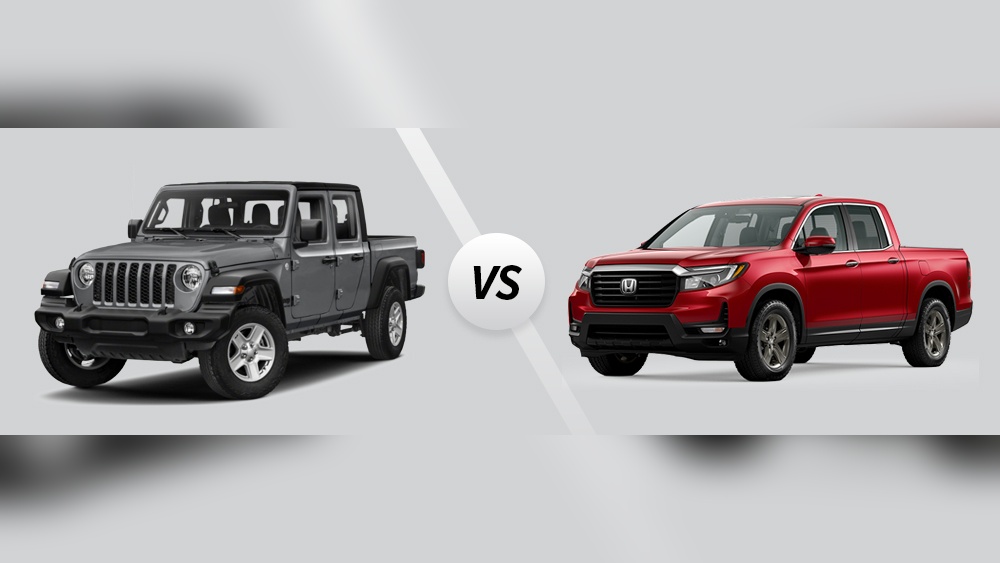
Performance is where the Jeep Gladiator and Honda Ridgeline start to show their personalities. The Gladiator is built with off-road adventures in mind. Every Gladiator comes with a 3.6-liter V6 engine that makes 285 horsepower and 260 lb-ft of torque. There’s also an optional 3.0-liter EcoDiesel V6 delivering 260 horsepower and a huge 442 lb-ft of torque. This power helps it conquer rough terrain and tow up to 7,700 pounds when properly equipped.
The Honda Ridgeline uses a different approach. It’s powered by a 3.
5-liter V6 with 280 horsepower and 262 lb-ft of torque. The Ridgeline’s towing capacity maxes out at 5,000 pounds.
While that’s less than the Gladiator, it’s plenty for most tasks like pulling a small trailer or boat.
Here’s a quick side-by-side look at their key specifications:
| Model | Engine Options | Horsepower | Towing Capacity (max) | Drivetrain |
|---|---|---|---|---|
| Jeep Gladiator | 3.6L V6 / 3.0L Diesel | 285 / 260 | 7,700 lbs | 4WD |
| Honda Ridgeline | 3.5L V6 | 280 | 5,000 lbs | AWD |
If you need the highest towing, the Gladiator wins. But for most buyers, the Ridgeline’s capabilities are more than enough, especially since it has a smooth all-wheel-drive system that handles rain and snow well.
Off-road And Everyday Driving
The Jeep Gladiator is famous for off-road fun. It has a solid front axle, high ground clearance, and real 4WD with low-range gearing. It’s one of the only trucks where you can take the roof and doors off. If you love trails, rocks, and mud, this is a big plus. The Gladiator’s approach and departure angles make it a true off-roader.
The Honda Ridgeline is better suited for city and highway driving. It uses a unibody construction (like a car) instead of a traditional truck frame. This means the ride is much smoother and quieter. The Ridgeline’s independent rear suspension soaks up bumps, and steering is more precise. It doesn’t have the Gladiator’s off-road skills, but it’s much easier to live with if you spend most of your time on pavement.
Interior Comfort And Features
Inside, the differences are clear. The Ridgeline feels more like a modern SUV, with roomy seats, high-quality materials, and a quiet cabin. Every Ridgeline comes with a crew cab and seating for five. Honda’s in-bed trunk is a unique feature—it’s a waterproof storage compartment under the bed floor, perfect for groceries or tools.
The Gladiator’s interior is rugged, with lots of hard plastics and simple controls. It’s spacious, especially in the back seat, but not as refined as the Ridgeline.
However, Jeep offers features like a removable Bluetooth speaker, washable floors, and even a fold-down windshield.
Feature-wise, both trucks offer:
- Touchscreen infotainment with Apple CarPlay and Android Auto
- Adaptive cruise control
- Heated seats and steering wheel (on higher trims)
- Multiple USB ports
But the Ridgeline often includes more features as standard, whereas many Gladiator options cost extra.
Utility And Bed Functionality
When it comes to the truck bed, both models offer smart touches, but in very different ways. The Gladiator has a traditional 5-foot steel bed, available with a spray-in liner and integrated power outlets.
Its tailgate can be set in three positions for carrying longer items.
The Ridgeline’s bed is also 5 feet, but it’s made from a durable composite that resists dents and rust. Honda adds clever touches:
- In-bed trunk: A 7.3-cubic-foot lockable compartment under the bed floor
- Dual-action tailgate: Opens down or swings to the side for easier access
- Available in-bed audio system: Turns the bed into a speaker for tailgates
Here’s a look at their bed highlights:
| Feature | Jeep Gladiator | Honda Ridgeline |
|---|---|---|
| Bed Length | 5 feet | 5 feet |
| Bed Material | Steel | Composite |
| Special Storage | None | In-bed trunk |
| Tailgate | Traditional/multi-position | Dual-action (down or swing out) |

Safety And Reliability
Honda has a strong reputation for reliability and safety. The Ridgeline regularly receives high marks from sources like IIHS and NHTSA. It comes standard with Honda Sensing, a suite of safety features including collision mitigation braking and lane keeping assist.
The Gladiator includes modern safety features, but some are optional. Its crash test ratings are good, but not as high as the Ridgeline’s.
Jeep’s reliability is decent, though not at the same level as Honda’s. For drivers who value long-term dependability, the Ridgeline has a clear edge.
Fuel Economy And Cost Of Ownership
Fuel economy is another area where the Ridgeline shines. Its V6 engine gets an EPA-estimated 18 mpg city/24 mpg highway/21 mpg combined.
The Gladiator’s gas V6 returns about 16 mpg city/23 mpg highway/19 mpg combined, and the diesel does a bit better on the highway.
Maintenance costs are generally lower for the Ridgeline. Insurance and repair expenses tend to be less, too.
Gladiator owners may pay more for parts, especially for off-road repairs.
Pricing And Value
Both trucks start in the mid-$30,000s, but the Ridgeline is more consistent with standard features across all trims. Gladiator prices can rise quickly with options and higher trims.
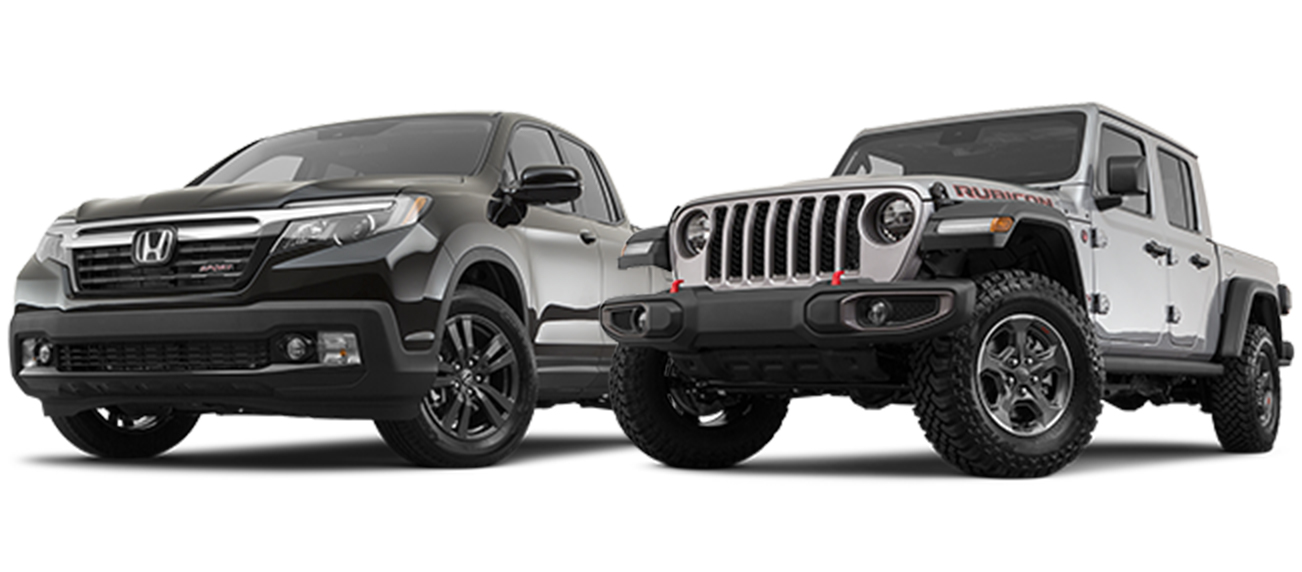
For example, a fully loaded Gladiator Rubicon can go well above $50,000.
Here’s a quick price comparison:
| Model | Starting Price | Top Trim Price (approx.) |
|---|---|---|
| Jeep Gladiator | $38,990 | $60,000+ |
| Honda Ridgeline | $38,800 | $46,000 |
If you want to learn more about crash test ratings and reliability, the IIHS website offers detailed safety information.
Which Truck Should You Buy?
Here’s where many buyers get stuck. The Jeep Gladiator is for people who want a truck that’s fun, different, and ready for off-road adventures. It’s a lifestyle vehicle, not just a tool. If you love camping, exploring, or want something that stands out, the Gladiator is hard to beat.
The Honda Ridgeline is for drivers who want comfort, reliability, and smart features. It’s easier to drive every day, quieter, and more practical for families. The Ridgeline is rarely the “coolest” truck in the parking lot, but it’s often the one that makes life simpler.
One thing many buyers overlook: the Ridgeline’s unibody design makes it feel more like a crossover SUV than a traditional truck. For people coming from cars or SUVs, this can make the transition much easier.
Frequently Asked Questions
Is The Jeep Gladiator Good For Daily Driving?
The Gladiator is fine for daily driving, but it rides like a traditional truck. You may notice more road noise and bumps compared to a car or the Ridgeline.
Can The Honda Ridgeline Go Off-road?
The Ridgeline can handle light off-roading like gravel roads or fields, but it’s not built for serious trails. It lacks the Gladiator’s ground clearance and rugged 4WD system.
Which Truck Has Better Resale Value?
Both hold their value well, but the Gladiator often has a slight edge due to its unique style and strong demand among off-road fans.
Are Both Trucks Good For Families?
Yes, both offer space for five and modern safety features. The Ridgeline’s smoother ride and quieter cabin may be better for long trips or young children.
Which Truck Is Cheaper To Maintain?
The Honda Ridgeline usually has lower maintenance and repair costs, thanks to Honda’s reputation for reliability and simpler mechanical design.