The Jeep Gladiator stands out in the pickup truck world. It brings together off-road power and everyday utility, offering drivers a tough, versatile vehicle.
One question often comes up for buyers: “What can the Jeep Gladiator really haul?” Understanding the payload capacity—how much weight you can safely carry in the bed—is crucial.
Whether you’re planning a cross-country trip, moving heavy gear, or just need a truck for weekend projects, knowing these limits helps you stay safe and get the most from your Gladiator.
This guide covers everything you need to know about Jeep Gladiator payload capacity, including real-world examples, how it changes across trims, what affects payload, and how to avoid common mistakes. Let’s help you make confident decisions when loading up your Gladiator.
What Is Payload Capacity?
Payload capacity is the maximum weight your vehicle can safely carry in its bed and cabin, including passengers and cargo. For trucks like the Jeep Gladiator, payload includes everything placed in the truck bed plus anything or anyone inside the cabin, except the driver’s own weight.
Here’s a simple formula:
Payload capacity = Gross Vehicle Weight Rating (GVWR) – Curb weight
- GVWR: The maximum safe weight of the loaded truck (vehicle + cargo + passengers)
- Curb weight: The empty weight of the truck
If you exceed payload limits, it can harm handling, braking, and even damage your suspension or frame.
Jeep Gladiator Payload By Model Year And Trim
The Jeep Gladiator is available in several trims, and payload ratings can vary depending on options, year, and configuration. Here’s a snapshot of key numbers for recent model years.
| Model Year | Trim | Payload Capacity (lbs) |
|---|---|---|
| 2026 | Sport | 1,725 |
| 2026 | Overland | 1,140 |
| 2026 | Mojave | 1,200 |
| 2026 | Rubicon | 1,200 |
| 2026 | Sport S | 1,700 |
The Gladiator Sport often provides the highest payload capacity. Upgrades like off-road suspension, larger tires, or added features (found on Mojave or Rubicon trims) can lower payload. This is because heavier parts subtract from the total weight you can safely carry.
Factors That Affect Jeep Gladiator Payload
Several elements influence payload ratings. Understanding these can help you choose the right Gladiator and use it safely.
Engine Choice
The Gladiator comes with two main engines:
- 3.6L Pentastar V6 (gasoline): Most common, offers the highest payload.
- 3.0L EcoDiesel V6: Heavier engine, slightly lower payload.
A diesel engine weighs more, so the truck’s own weight increases, reducing total payload.
Drivetrain And Suspension
- 4×4 models are heavier than 4×2, lowering payload.
- Off-road suspensions (like Rubicon or Mojave) add weight with features like skid plates or heavy-duty axles.
Optional Equipment
Extras like steel bumpers, winches, or hard tops add to curb weight. Every pound of extra equipment reduces how much cargo you can carry.
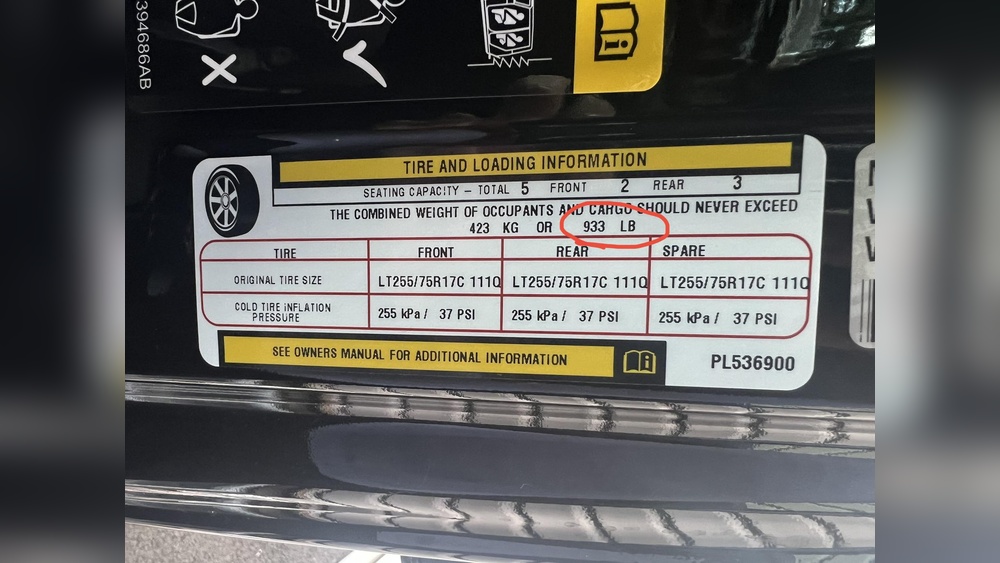
Non-obvious insight: Sometimes, popular dealer add-ons (like bed liners or tonneau covers) are not counted in the published payload, so check your vehicle’s door jamb sticker for the “as built” payload.
Real-world Payload Examples
How does payload translate to actual use? Here are practical examples:
- Moving gear: Hauling camping supplies for four (coolers, tents, chairs, water) can reach 500–700 lbs—well within Gladiator’s limit.
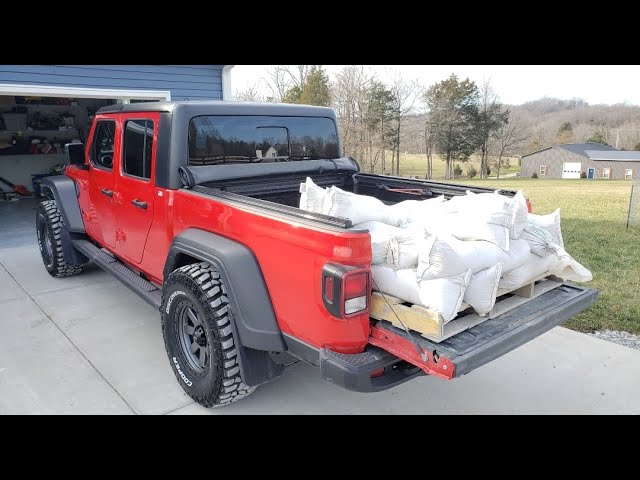
- Construction: Carrying 20 bags of concrete (80 lbs each) totals 1,600 lbs. Only base Gladiator Sport models should attempt this; Rubicon or Mojave trims would be overloaded.
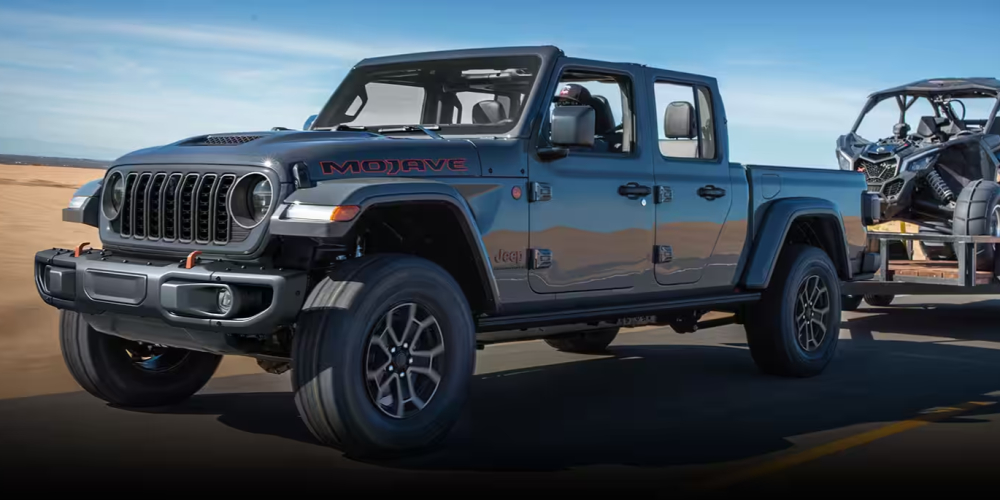
- Towing a trailer: Payload includes the trailer’s tongue weight—usually 10–15% of trailer’s loaded weight. If your trailer’s tongue weight is 600 lbs, subtract that from your payload before adding any cargo or passengers.
Important tip: Always consider the combined weight of passengers, pets, and gear. Even a family of four can add 600–800 lbs before you place anything in the bed.
Payload Vs. Towing: Don’t Confuse The Two
Many truck owners mix up payload capacity and towing capacity. These are not the same.
- Payload is what you can carry in and on the truck.
- Towing capacity is what you can pull behind you, like a trailer.
If you’re towing, the trailer’s tongue weight counts toward your payload. For example, if your Gladiator’s max payload is 1,200 lbs and your trailer puts 500 lbs on the hitch, you have only 700 lbs left for people and cargo.
Jeep Gladiator Payload Compared To Other Midsize Trucks
How does the Gladiator stack up against its rivals? Here’s a quick comparison:
| Truck Model | Max Payload (lbs) |
|---|---|
| Jeep Gladiator | 1,725 |
| Toyota Tacoma | 1,685 |
| Chevrolet Colorado | 1,610 |
| Ford Ranger | 1,905 |
| Nissan Frontier | 1,610 |
The Gladiator is competitive, but some rivals like the Ford Ranger offer higher numbers. However, the Gladiator’s unique blend of off-road skills and payload flexibility is hard to match.

How To Find Your Gladiator’s Exact Payload Rating
The safest way to check your Gladiator’s payload is to look at the sticker inside the driver’s door. This label shows the as-built payload for your specific truck, considering all installed options. Never assume your number matches the brochure.
If you’re buying used, ask for an image of this sticker. It’s common to find two trucks with the same trim but different payload ratings due to factory or dealer-added equipment.
Tips For Safe Loading
To keep your Gladiator safe and performing well:
- Distribute weight evenly in the bed to avoid handling issues.
- Secure your cargo with tie-downs or nets to prevent shifting.
- Don’t overload the rear axle—it can cause suspension problems or tire blowouts.
- Double-check tire pressure when carrying heavy loads.
- Factor in all passengers and gear before adding bed cargo.
Non-obvious insight: Overloading by even 100 lbs can void warranties and lead to expensive repairs—insurance may not cover damages from overloading.
Practical Payload Use: Case Scenarios
Weekend Adventure
A Gladiator Sport is loaded up for a camping trip:
- Two adults: 350 lbs
- Two kids: 200 lbs
- Gear and food: 600 lbs
Total: 1,150 lbs. This leaves room for bikes or a kayak in the bed if you stay under the limit.
Worksite Hauling
A Rubicon model is used for construction:
- Two adults: 350 lbs
- Tools: 200 lbs
- Supplies: 700 lbs
Total: 1,250 lbs. This is right at the Rubicon’s limit—any extra weight would overload the truck.
Towing A Boat
Towing a 4,000-lb boat with 400 lbs of tongue weight:
- Family and gear: 700 lbs
- Tongue weight: 400 lbs
Total: 1,100 lbs. Most trims can handle this, but you’re left with just 100 lbs for extra gear.
Common Mistakes And How To Avoid Them
- Ignoring passenger weight: Always include everyone’s weight in your calculations.
- Forgetting about dealer add-ons: Hard tops, steel bumpers, or winches can reduce payload.
- Confusing payload with towing capacity: They’re separate—know both.
- Not checking the door sticker: Brochures show “up to” numbers, but your truck’s number could be lower.
- Overloading for short trips: Even a “quick run” while overloaded risks damage and voids warranties.
How Jeep Gladiator Payload Impacts Daily Life
For many owners, the Gladiator’s real value is its flexibility. It lets you haul home improvement materials, adventure gear, or tow a camper with ease.
But payload is not just a number—it shapes what you can do safely. Owners who understand and respect their truck’s limits enjoy longer-lasting vehicles and fewer headaches.
Practical insight: Payload is often the first limit you’ll reach, not towing capacity. If you plan to take friends, pets, and gear, choose the highest-payload trim you can afford.
When Should You Upgrade Your Payload?
If you often find yourself maxing out the payload, it might be time to:
- Consider a full-size truck (like the Ram 1500 or Ford F-150)
- Reduce unnecessary equipment
- Opt for a Gladiator Sport or Sport S (higher payload)
Never upgrade payload by installing aftermarket springs or air bags without checking GVWR. Legally, the factory rating does not change.
Where To Learn More
For official, up-to-date specs, always check the Jeep website or your owner’s manual. For more on payload and vehicle safety, the National Highway Traffic Safety Administration offers guidelines and tips.
Frequently Asked Questions
What Is The Maximum Payload Capacity Of The Jeep Gladiator?
The highest-rated Gladiator (usually the Sport trim) offers up to 1,725 lbs of payload. This can change with different trims and options—always check your vehicle’s door sticker for the exact number.
Does Adding Aftermarket Accessories Affect Payload Capacity?
Yes, every accessory adds weight to the truck, reducing how much you can safely carry. Even common add-ons like bed covers or steel bumpers lower your available payload, sometimes more than you’d expect.
Can I Increase My Gladiator’s Payload With Aftermarket Parts?
While some owners add heavy-duty springs or air bags, these do not increase the legal payload capacity set by the manufacturer. The GVWR remains the same, so it’s not safe (or legal) to exceed the posted limits.
How Is Payload Different From Towing Capacity?
Payload is the weight your truck can carry in the bed and cabin. Towing capacity is the weight you can pull behind your truck, like a trailer. Remember, the trailer’s tongue weight counts toward your payload.
Where Can I Find My Gladiator’s Real Payload Rating?
Look for the yellow-and-white sticker inside your driver’s door jamb. This shows your truck’s actual payload, considering all installed options and accessories. It’s the most accurate and reliable number.
The Jeep Gladiator is a unique pickup, blending rugged adventure with daily practicality. Understanding its payload capacity helps you use it safely and get the most out of your investment.
Always check your specific vehicle’s rating, plan loads carefully, and enjoy the journey—without worrying about pushing your truck too far.