The Jeep Gladiator flat tow kit is an essential piece of equipment for anyone who loves adventure and wants to take their Jeep Gladiator with them on vacation.
Flat towing, also known as dinghy towing or four-down towing, allows you to tow your vehicle behind another, typically an RV, without needing a car trailer. This method is convenient because it eliminates the need to store and maneuver a large trailer.
For Jeep Gladiator owners, this capability opens up a world of possibilities. Imagine driving your RV to a scenic campground and then, with your Gladiator in tow, exploring off-road trails or reaching remote destinations that an RV simply cannot access. It’s the best of both worlds: the comfort of your motorhome for long journeys and the freedom of your Jeep for exploration once you arrive.
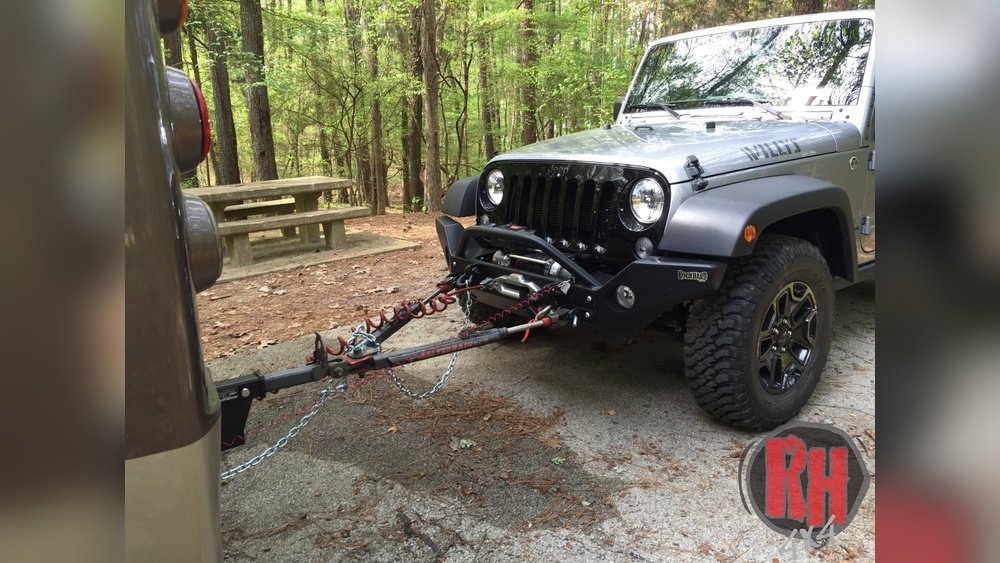
However, setting up a Jeep Gladiator for flat towing isn’t as simple as just attaching a tow bar. It requires a specific Jeep Gladiator flat tow kit that ensures both your vehicle and your RV are safe and legal on the road. This kit typically includes several components designed to work together seamlessly. Understanding what each part does, how to install it, and what to look for when choosing a kit is crucial for a smooth and safe towing experience.
This guide will walk you through everything you need to know about Jeep Gladiator flat tow kits. We'll cover the essential components, the installation process, considerations for choosing the right kit, and important safety tips.
Whether you're a seasoned RVer or new to the world of towing, this information will help you get your Gladiator ready for its next adventure behind your RV.
Understanding The Basics Of Flat Towing A Jeep Gladiator
Flat towing involves connecting your towed vehicle (in this case, the Jeep Gladiator) to the towing vehicle (usually an RV) with a tow bar. The towed vehicle’s front wheels are typically off the ground, supported by the tow bar and its connection to the RV’s hitch. However, for a Jeep Gladiator, which is a truck, flat towing is usually done with the rear wheels on the ground and the front end lifted by the tow bar. This is a critical distinction.
When flat towing, the Jeep Gladiator’s transmission must be in a specific setting to allow the wheels to spin freely without damaging the drivetrain. Similarly, the steering wheel must be unlocked so that the Gladiator can follow the path of the towing vehicle. This is where the specialized components of a Jeep Gladiator flat tow kit come into play, ensuring these conditions are met safely and reliably.
Why Flat Tow A Jeep Gladiator?
The Jeep Gladiator’s unique position as a mid-size pickup truck with legendary off-road capability makes it an ideal candidate for flat towing. Many RV owners also own a Jeep for its versatility. Flat towing allows them to bring their Gladiator along for:
- Exploration: Accessing trails, national parks, and remote areas that are inaccessible to larger RVs.
- Convenience: Having a secondary vehicle at your destination for errands, sightseeing, or recreational activities.
- Cost Savings: Avoiding the expense and hassle of renting a vehicle at your destination.
- Freedom: The ability to unhitch and drive your Gladiator to explore local attractions or go grocery shopping.
Key Components Of A Jeep Gladiator Flat Tow Kit
A comprehensive Jeep Gladiator flat tow kit is more than just a tow bar. It’s a system of parts designed to work together. While specific kits may vary slightly between manufacturers, they generally include the following essential items:
- Base Plate: This is the foundation of the flat towing system. The base plate is a sturdy, vehicle-specific mounting bracket that attaches directly to the Jeep Gladiator’s frame. It provides a secure attachment point for the tow bar. For a Gladiator, this usually mounts to the front frame rails and often incorporates tow hooks or bumper mounts. It’s designed to withstand the immense forces exerted during towing.
- Tow Bar: This is the primary connection between the RV and the Gladiator. The tow bar is a heavy-duty assembly that extends from the RV’s hitch receiver to the Gladiator’s base plate. It allows the Gladiator to follow the RV’s turns and movements. Tow bars come in different styles, such as:
- A-frame style: These have two arms that connect to the base plate. They are common and generally robust.
- Non-binding style: These are designed to allow for easier unhitching, even on uneven terrain.
- Self-aligning: Many modern tow bars automatically align themselves when the Gladiator is backed up to them, simplifying the connection process.
- Safety Cables: These are a critical safety feature. Safety cables are strong steel cables that connect the towed vehicle to the RV. They act as a backup connection in the unlikely event that the tow bar fails or detaches. If the tow bar disconnects, the safety cables prevent the Gladiator from rolling freely down the road. They should be routed to allow enough slack for normal turns but short enough to prevent the Gladiator from dragging if detached.
- Towed Vehicle Braking System: This is perhaps the most crucial component for safety and legality. Federal regulations (and most state laws) require auxiliary braking systems for vehicles being flat-towed that exceed a certain weight limit (often around 1,500 lbs). The Jeep Gladiator, being a substantial vehicle, almost certainly falls into this category. A towed vehicle braking system applies the Gladiator’s brakes when the RV’s brakes are applied. This reduces wear and tear on the RV’s brakes, provides more stopping power, and is legally required in many jurisdictions. Common types include:
- Proportional braking systems: These apply the Gladiator’s brakes in direct proportion to how hard the RV’s brakes are applied. This provides the smoothest and most responsive braking.
- Portable braking systems: These are self-contained units that can be moved between vehicles. They often use accelerometers to detect braking.
- Dinghy-specific systems: These are permanently installed systems designed solely for flat towing.
- Towed Vehicle Lighting Kit: For safety and legal compliance, the towed vehicle’s lights (tail lights, brake lights, turn signals) need to function when connected to the RV. A lighting kit typically involves wiring that connects the RV’s electrical system to the Gladiator’s tail light housings. This ensures that when the RV signals a turn or applies its brakes, the Gladiator’s corresponding lights illuminate. There are a few ways to achieve this:
- Diode kits: These prevent electrical feedback between the RV and the Gladiator.
- Bullet-style lights: Separate lights are installed on the Gladiator, wired to the RV.
- Direct wiring: Tapping into the Gladiator’s existing wiring harness.
- Breakaway Switch: This is a safety device often integrated with the towed vehicle braking system. If the towed vehicle becomes completely detached from the RV, the breakaway switch activates the towed vehicle’s brakes, bringing it to a controlled stop. This is a critical safety measure to prevent runaway vehicles.
Choosing The Right Jeep Gladiator Flat Tow Kit
Selecting the correct Jeep Gladiator flat tow kit is paramount. Not all kits are created equal, and using an incompatible or low-quality kit can lead to serious accidents, vehicle damage, and legal trouble. Here are the key factors to consider:
Vehicle Compatibility
The most important factor is ensuring the kit is specifically designed for your Jeep Gladiator model and year. Manufacturers design base plates and sometimes other components to fit the exact frame and bumper configurations of specific vehicles. Using a universal kit or one designed for a different vehicle can compromise safety and structural integrity.
When purchasing, always verify:
- Year, Make, and Model: Ensure the kit is listed for your exact Jeep Gladiator.
- Trim Level: Some Gladiator trims (like the Rubicon with its robust bumper) might have slightly different mounting points or require specific adapter kits.
- Factory Options: Check if any factory-installed accessories (like winches or specific bumper packages) might interfere with the base plate installation.
Tow Bar Rating
The tow bar must be rated for the weight of your Jeep Gladiator. The Gross Vehicle Weight Rating (GVWR) of a Jeep Gladiator can range from around 5,800 to 6,000+ lbs, depending on the configuration.
Your tow bar must have a higher weight rating than your Gladiator’s GVWR to ensure it can handle the load safely.
Look for tow bars rated for at least 6,000 lbs or more.
Base Plate Construction And Design
The base plate is the primary link between your Gladiator and the tow bar. It should be:
- Robust: Made from high-strength steel with a durable powder-coat finish to resist rust and corrosion.
- Vehicle-Specific: Designed to attach to the Gladiator’s frame without requiring excessive modification to the vehicle.
- Tow Bar Compatible: Ensure the base plate’s connection points (e.g., crossbar width, pin size) are compatible with the tow bar you intend to use. Many manufacturers offer base plates designed to work with their own tow bars, but universal options also exist.
- Non-Obstructive: Ideally, the base plate should have removable tabs or a design that doesn’t significantly alter the Gladiator’s appearance when not in use.
Braking System Type
As mentioned, a braking system is essential. Consider these factors:
- Ease of Installation: Some systems are plug-and-play, while others require more complex wiring or mechanical installation.
- Portability: If you plan to tow other vehicles or don’t want a permanent installation, a portable system might be better.
- Proportional vs. Manual: Proportional systems offer a more natural and safer braking feel.
- RV Compatibility: Ensure the braking system is compatible with your RV’s electrical system and air brake (if applicable).
Lighting And Wiring
Choose a lighting solution that is reliable and easy to install. Diode kits are generally preferred as they protect both vehicles' electrical systems.
If you’re not comfortable with wiring, consider professional installation or kits that minimize electrical work.
Manufacturer Reputation And Warranty
Stick with reputable brands known for quality towing products. Brands like Blue Ox, Roadmaster, and Demco are well-established in the RV towing industry.
Check the warranty offered on the components, especially the base plate and tow bar, as these are critical safety items.
A good warranty provides peace of mind.
Cost Vs. Value
While budget is always a consideration, do not compromise on safety for cost. The cheapest kit might lack durability, crucial features, or proper engineering. Invest in a quality kit from a trusted manufacturer. The cost of a complete Jeep Gladiator flat tow kit can range from $800 to $2,500 or more, depending on the components and features chosen.

Installing Your Jeep Gladiator Flat Tow Kit
Installing a Jeep Gladiator flat tow kit can be a complex process that often requires mechanical skill and specific tools. While some DIY enthusiasts tackle this themselves, many owners opt for professional installation to ensure it’s done correctly and safely.
Warning: Improper installation can lead to catastrophic failure while towing, resulting in severe damage to both vehicles and posing a significant risk to yourself and others on the road. If you are not confident in your mechanical abilities, seek professional help from an RV dealer, a specialized towing shop, or a certified mechanic.
General Installation Steps
The exact steps will vary depending on the specific brands of base plate, tow bar, and braking system you choose. However, the general process typically involves:
- Prepare the Gladiator: Ensure the vehicle is parked on a level surface with the parking brake engaged. Disconnect the battery to prevent electrical shorts during installation.
- Install the Base Plate: This is usually the most involved part of the installation.
- Remove any necessary bumper components or splash guards to access the Gladiator’s frame rails.
- Bolt the base plate brackets securely to the designated mounting points on the frame. This often involves drilling holes and using provided hardware, or it might utilize existing frame holes.
- Ensure the base plate is centered and aligned correctly. Tighten all bolts to the manufacturer’s specified torque.
- Reinstall any removed bumper components or attach any cosmetic covers for the base plate.
- Install the Towed Vehicle Braking System:
- Portable Systems: These often involve placing a unit inside the Gladiator’s cabin that attaches to the brake pedal. You’ll need to run a power cord (often from the RV battery or a dedicated power source) and connect the breakaway switch.
- Permanent Systems: These require more involved installation, potentially including mounting a control unit, running air lines (for air brakes), or connecting electrical components to the Gladiator’s brake system.
- Install the Lighting Kit:
- Route wiring harnesses from the front of the Gladiator to the rear tail light assemblies.
- Install diodes or converters as per the kit’s instructions.
- Connect the wiring to the Gladiator’s tail light sockets, often using plug-and-play connectors or by splicing into the existing harness.
- Run the main towing electrical connector from the front of the Gladiator to connect to the RV.
- Connect Safety Cables: Attach the safety cables to designated points on both the Gladiator’s frame (often integrated with the base plate) and the RV’s hitch structure. Ensure they are routed correctly to allow for turning but will catch the vehicle if it detaches.
- Final Checks and Testing:
- Reconnect the Gladiator’s battery.
- Check all connections, bolts, and wiring.
- Perform a static test: Ensure lights function correctly when connected to the RV. Test the braking system according to its manual.
- Perform a low-speed test in a safe, empty area. Check turning radius, braking response, and listen for any unusual noises.
Pro Tip: Always refer to the specific installation manuals for each component of your Jeep Gladiator flat tow kit. Manufacturers provide detailed instructions, diagrams, and torque specifications that are crucial for a safe installation.
Preparing Your Jeep Gladiator For Towing
Once your Jeep Gladiator flat tow kit is installed, there are specific steps you must take each time you prepare to flat tow. Skipping any of these can lead to severe damage or unsafe towing conditions.
Pre-towing Checklist
- Ignition: Turn the ignition key to the ACC (Accessory) position. This unlocks the steering wheel, allowing the Gladiator to follow the RV’s turns. Do not turn the key to LOCK, as this will lock the steering and can damage the steering system. Do not leave it in RUN, as this will drain the Gladiator’s battery.
- Transmission: Place the automatic transmission in Park (P). For manual transmissions, place it in Neutral (N).
- Transfer Case: Engage the 4-Low (4L) setting on the transfer case. This puts the