If you own a Jeep, you know it’s built for adventure—rugged trails, city streets, and everything in between. But even the toughest vehicles have their weak spots.
For Jeeps, one of the most common and frustrating issues is electrical problems. Whether your dashboard lights flicker, your Jeep won’t start, or your windows stop working, electrical gremlins can turn a fun ride into a headache fast.
This article breaks down what causes Jeep electrical problems, how to spot them, and what you can do to keep your Jeep running strong. Let’s get started so you can get back to enjoying the road (or off-road).
Why Jeeps Have Electrical Issues
Many Jeep owners love their vehicles for their durability, but electrical systems are often a weak link. There are several reasons for this:
- Complex wiring: Modern Jeeps have more electronics than older models—touchscreens, sensors, power seats, and advanced safety features.
- Exposure to elements: Off-roading means mud, water, and vibration. This can damage electrical connections and wiring.
- Aging parts: Older Jeeps may have worn wires, corroded connectors, or tired batteries.
- Design quirks: Some Jeep models, like the Wrangler and Grand Cherokee, have known issues with certain modules or harnesses.
Understanding these causes helps you watch out for trouble before it leaves you stranded.
Common Jeep Electrical Problems
Let’s look at the most frequent electrical issues Jeep drivers report.
1. Battery And Charging System Failures
The most basic electrical problem is a dead battery. But with Jeeps, it’s not always the battery itself:
- Alternator issues: If the alternator fails, your battery won’t charge, leaving you stuck.
- Parasitic drains: Some Jeeps have modules or relays that keep drawing power even when the car is off.
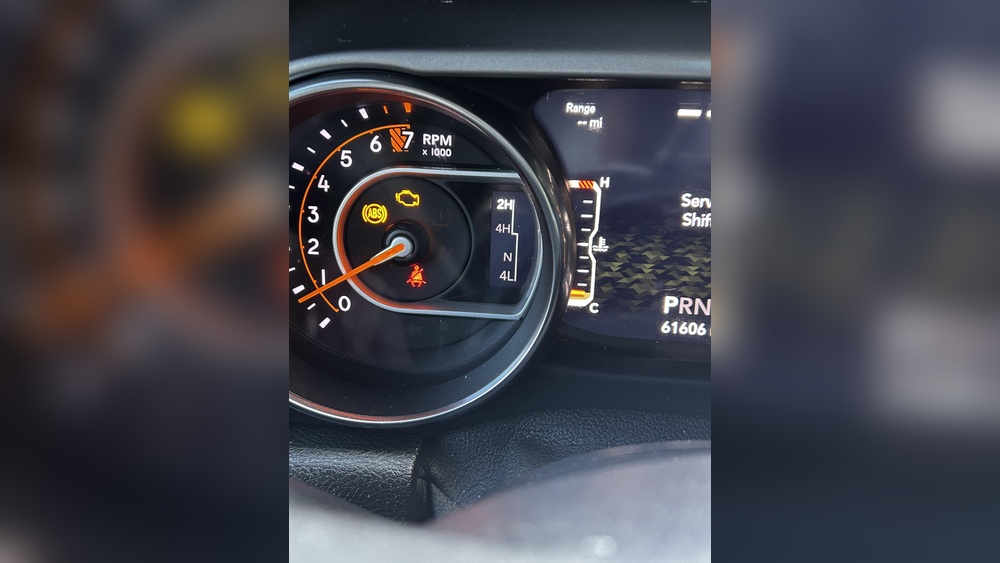
Symptoms: Slow cranking, dim lights, warning lights on the dashboard, or a clicking sound when you turn the key.
2. Faulty Tipm (totally Integrated Power Module)
The TIPM acts as the brain of the Jeep’s electrical system. If it fails, you can see all kinds of weird problems:
- Windows not working
- Lights flickering
- Fuel pump issues
- Random alarms
In some cases, a faulty TIPM can even keep your Jeep from starting.
3. Wiring Harness Damage
Jeeps are often used off-road, which increases the risk of wiring harness damage due to:
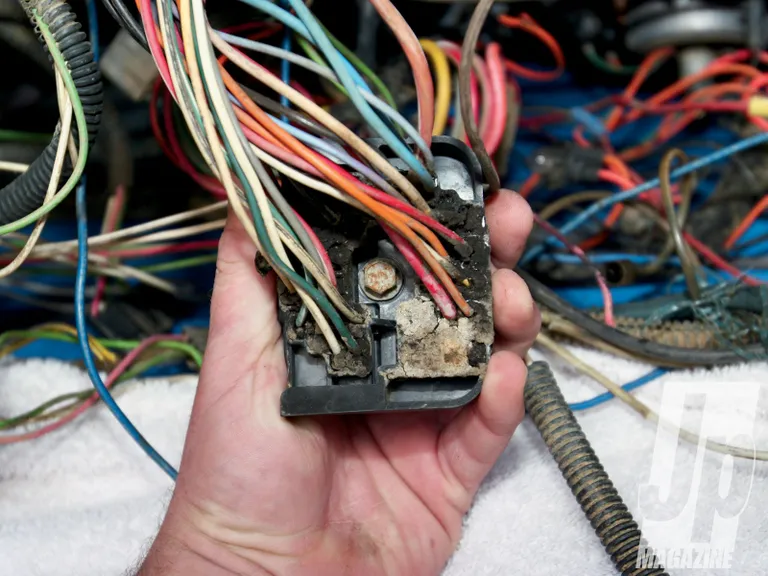
- Mud and water: Moisture can corrode connectors.
- Vibration and impacts: Off-roading shakes wires loose or breaks them.
- Rodent damage: Mice sometimes chew on wires, especially if you park outside.
Signs include intermittent electrical failures, warning lights, or devices that work only sometimes.
4. Sensor And Module Failures
Jeeps rely on many sensors and modules, such as:
- Crankshaft and camshaft sensors
- ABS module
- Body control module (BCM)
When these fail, you might see error codes, poor engine performance, or loss of features like cruise control.
5. Lighting Problems
Many owners report issues with:
- Headlights not turning on or flickering
- Brake lights staying on
- Dash lights dimming
Often, these problems are due to bad bulbs, switches, or wiring faults.
6. Power Window And Door Lock Failures
If your windows stop working or your doors won’t lock/unlock, it’s usually due to:
- Faulty switches
- Broken window regulators
- Wiring problems inside doors
These issues are annoying but usually easy to fix once you find the cause.
Jeep Models And Their Electrical Weaknesses
Different Jeep models have different electrical problem “personalities.” Here’s a comparison to help you see the differences:
| Model | Common Electrical Issue | Years Most Affected |
|---|---|---|
| Wrangler (JK) | Trouble with TIPM, battery drain | 2007-2015 |
| Grand Cherokee | Sensor/module failures, dash lights | 2011-2014 |
| Cherokee | Power window/lock problems | 2014-2018 |
| Liberty | Lighting and wiring harness issues | 2002-2012 |
| Compass/Patriot | Starter and alternator faults | 2007-2017 |
Knowing which problems are common for your Jeep model can help you diagnose issues faster.
Signs Of Electrical Problems In Your Jeep
Catching electrical problems early can save money and stress. Here are some warning signs that your Jeep may have an electrical issue:
- The engine cranks slowly or won’t start at all
- Dashboard warning lights flicker or stay on
- Headlights, taillights, or interior lights are dim or go out
- Electrical accessories (radio, windows, locks) stop working
- Burning smell from under the hood or dashboard
If you notice any of these symptoms, don’t ignore them. Small electrical issues can lead to bigger, more expensive repairs if left alone.
Diagnosing Jeep Electrical Problems
Finding the cause of an electrical problem can be tricky, but these steps can help:
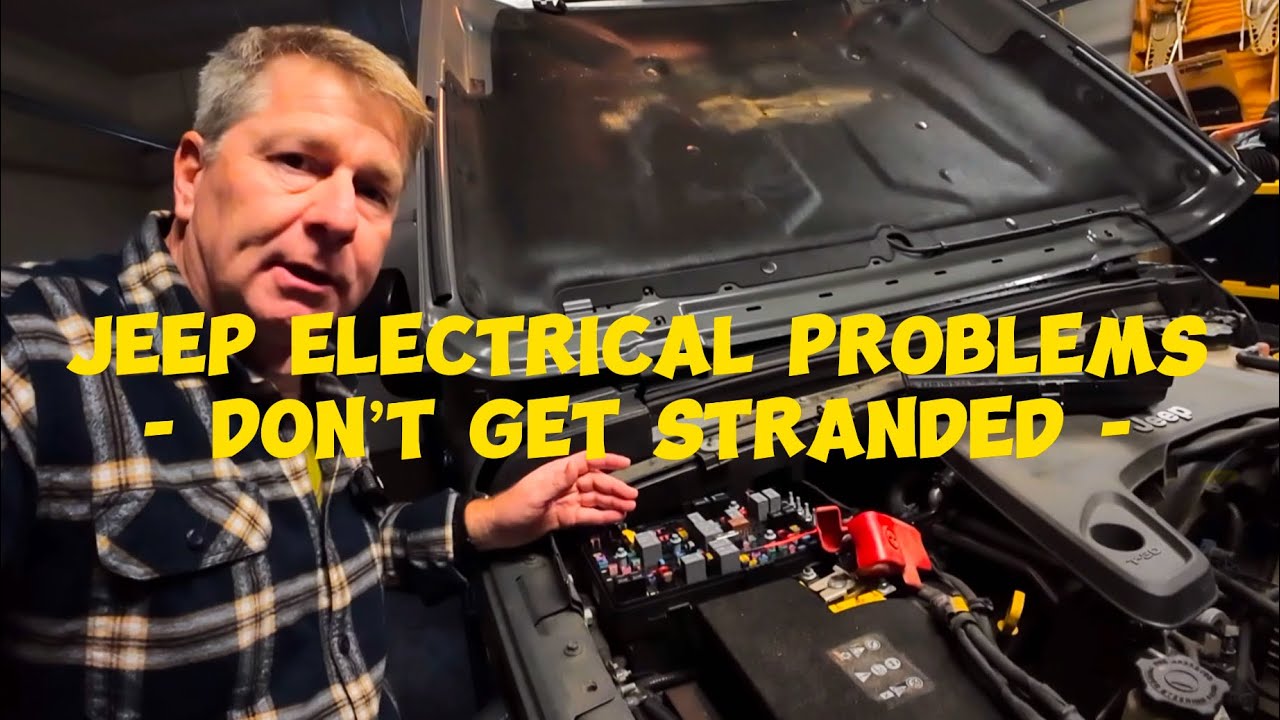
- Visual inspection: Look for loose wires, corrosion, or blown fuses.
- Check the battery and charging system: Use a multimeter to check battery voltage (should be around 12.6V with the engine off, 13.7–14.7V when running).
- Scan for error codes: Use an OBD-II scanner to read trouble codes from your Jeep’s computer.
- Test individual components: For example, swap a suspect relay or check for power at a window switch.
- Inspect ground connections: Bad grounds can cause strange electrical behavior.
Here’s how some key symptoms connect to likely causes:
| Symptom | Possible Cause | Quick Fix |
|---|---|---|
| No start, no crank | Dead battery, bad starter, faulty TIPM | Jump-start, test/replace battery |
| Random warning lights | Bad ground, failing module | Clean ground, scan for codes |
| Dim headlights | Alternator issue, corroded wires | Check charging system, clean terminals |
| Power windows fail | Broken switch, wiring in door | Test switch, check door wiring |
If you’re not comfortable with these steps, a qualified mechanic with experience in Jeep electrical systems is a smart choice.
Cost Of Fixing Jeep Electrical Problems
The price to fix electrical issues in a Jeep can vary a lot. Here’s a breakdown of what you might expect:
- Battery replacement: $120–$250
- Alternator replacement: $400–$700
- TIPM replacement or repair: $900–$1,500
- Sensor/module replacement: $150–$600
- Wiring harness repair: $100–$1,000 (depending on complexity)
The cost often depends on the labor involved. Some electrical problems are hard to trace, so a mechanic might need several hours to find the root cause.

Preventing Electrical Problems In Your Jeep
While some electrical issues are hard to avoid, you can reduce the risk with good habits:
- Keep connections clean: Corrosion on battery terminals and ground points can cause many problems.
- Avoid deep water/mud: Water can get into connectors and modules, causing shorts.
- Check wiring after off-roading: Look for damaged or loose wires.
- Use quality replacement parts: Cheap sensors or modules often fail sooner.
- Drive your Jeep regularly: This keeps the battery charged and modules awake.
One non-obvious tip: Always disconnect the battery when working on electrical parts. Modern Jeeps have sensitive modules that can be damaged by voltage spikes.
https://www.youtube.com/watch?v=nZ9nYThH2dYTwo Common Mistakes Jeep Owners Make
Many Jeep owners overlook these points when dealing with electrical problems:
- Ignoring ground connections: Many electrical problems come from poor ground points, not just the positive wires. Always check and clean ground wires and mounting bolts.
- Rushing to replace modules: Sometimes, a simple fuse or relay is the real problem. Don’t replace expensive modules until you’ve checked basic things like fuses, relays, and wires.
These steps can save you time and money, and often solve problems that look much bigger at first.
Are Jeep Electrical Problems Getting Worse?
As Jeeps become more advanced, their electrical systems get more complicated. Features like advanced infotainment, safety sensors, and computer-controlled everything mean more things can go wrong. According to a 2026 survey by J.D. Power, electronic and electrical problems are now among the top three complaints from new Jeep owners.
But there’s good news. Jeep and other manufacturers are improving quality controls and software updates.
Many newer models have fewer complaints than earlier years. Also, more mechanics are training to diagnose and repair modern vehicle electronics.
If you’re buying a used Jeep, check for any recalls or service bulletins related to electrical issues. The National Highway Traffic Safety Administration (NHTSA) is a good resource for this. Always ask for repair history and have a trusted mechanic inspect the vehicle before purchase.
When To Call A Professional
Some electrical fixes are easy, like changing a fuse or battery. But if you run into:
- Repeated blown fuses
- Melting wires
- Strong burning smells
- Multiple unrelated warning lights
It’s best to see a professional. Modern Jeeps have complex computer networks. A mistake can cause more damage or even create a safety hazard. Certified Jeep or Chrysler mechanics have special tools and software to diagnose problems correctly.
Electrical Upgrades: Proceed With Caution
Many Jeep owners like to install aftermarket lights, winches, or sound systems. These upgrades are fun but can cause new electrical issues if not done right:
- Overloading circuits: Adding too much power demand can blow fuses or damage wires.
- Improper wiring: Bad connections can lead to shorts or fires.
- Draining the battery: High-powered lights or sound systems can kill your battery if left on.
If you plan to upgrade, use proper relays, fuses, and high-quality wiring. Consider a professional installation for complex projects.