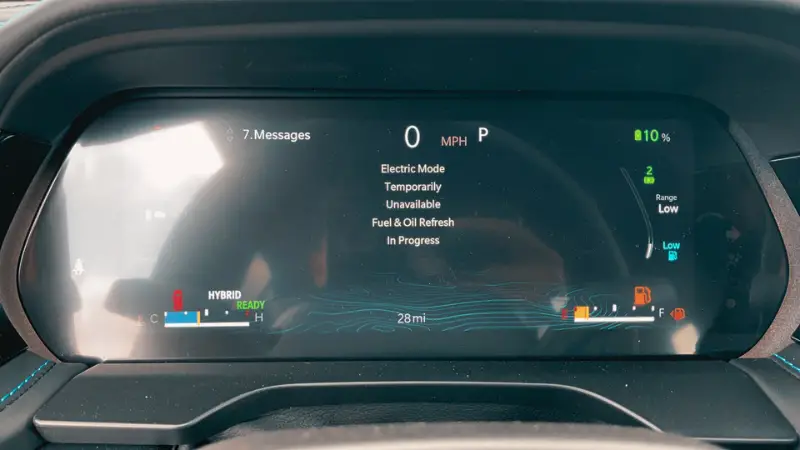
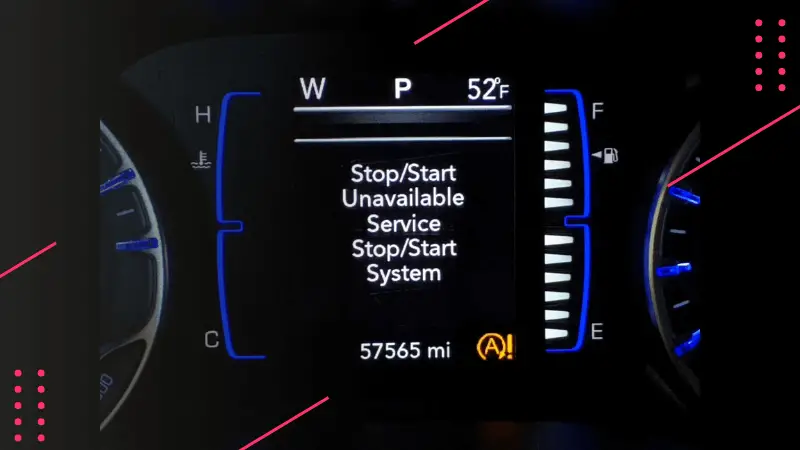
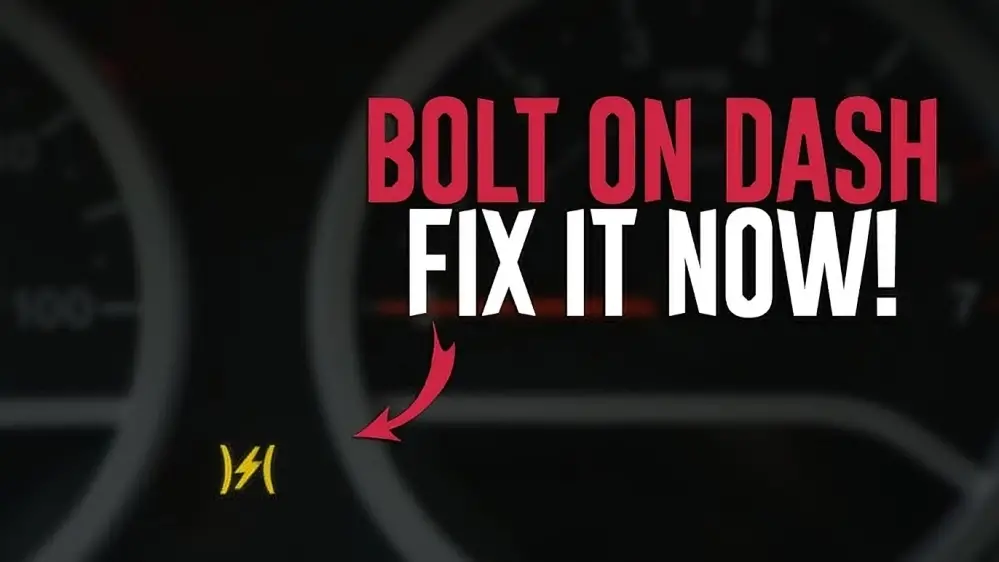
Jeep dashboard symbols appear without warning. Icons light up suddenly. You feel unsure and stressed while driving.
Ignoring these symbols leads to breakdowns, safety risks, and expensive repairs. Small warnings often turn into major failures.
This detailed guide explains Jeep dashboard symbols and meanings, risks, and the exact actions you should take.
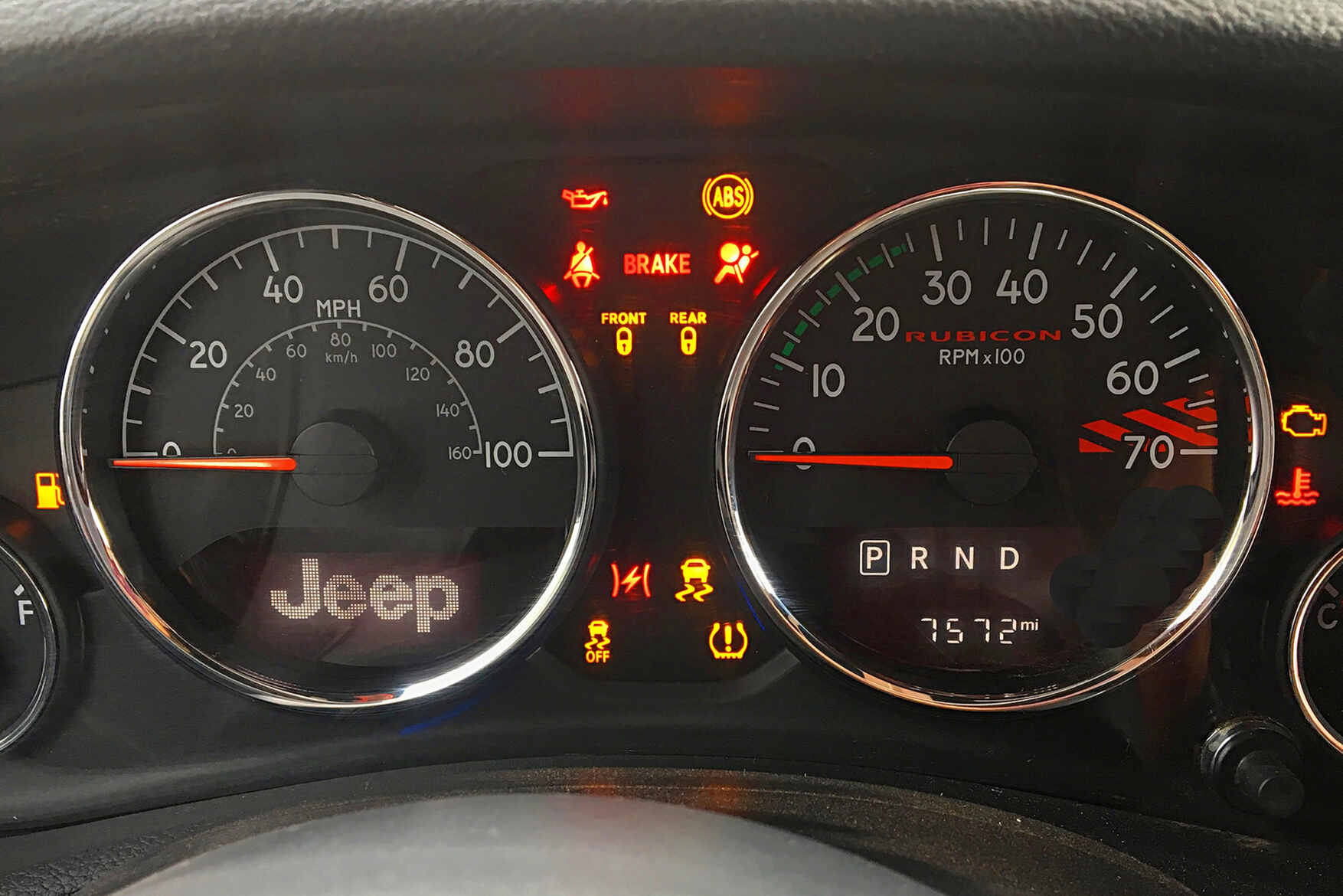
Jeep dashboard symbols and meanings explained clearly
Jeep dashboard symbols and meanings show vehicle health through color and icon design. Red lights signal immediate danger. Yellow lights warn of developing issues. Green or blue lights confirm active systems. Understanding each symbol helps you respond fast and avoid serious damage.
Why Jeep Dashboard Symbols Exist
Jeep dashboard symbols serve as your vehicle’s communication system. Sensors monitor the engine, brakes, transmission, and safety features constantly. When something moves outside safe limits, a symbol appears instantly.
These alerts reduce guesswork. They warn before damage spreads. Early response protects your Jeep, your safety, and your wallet.
Understanding Jeep Dashboard Light Colors
Dashboard light colors guide your response speed. Jeep follows global automotive standards. Each color reflects the urgency level. Knowing color meaning helps you decide whether to stop, slow down, or continue driving briefly.
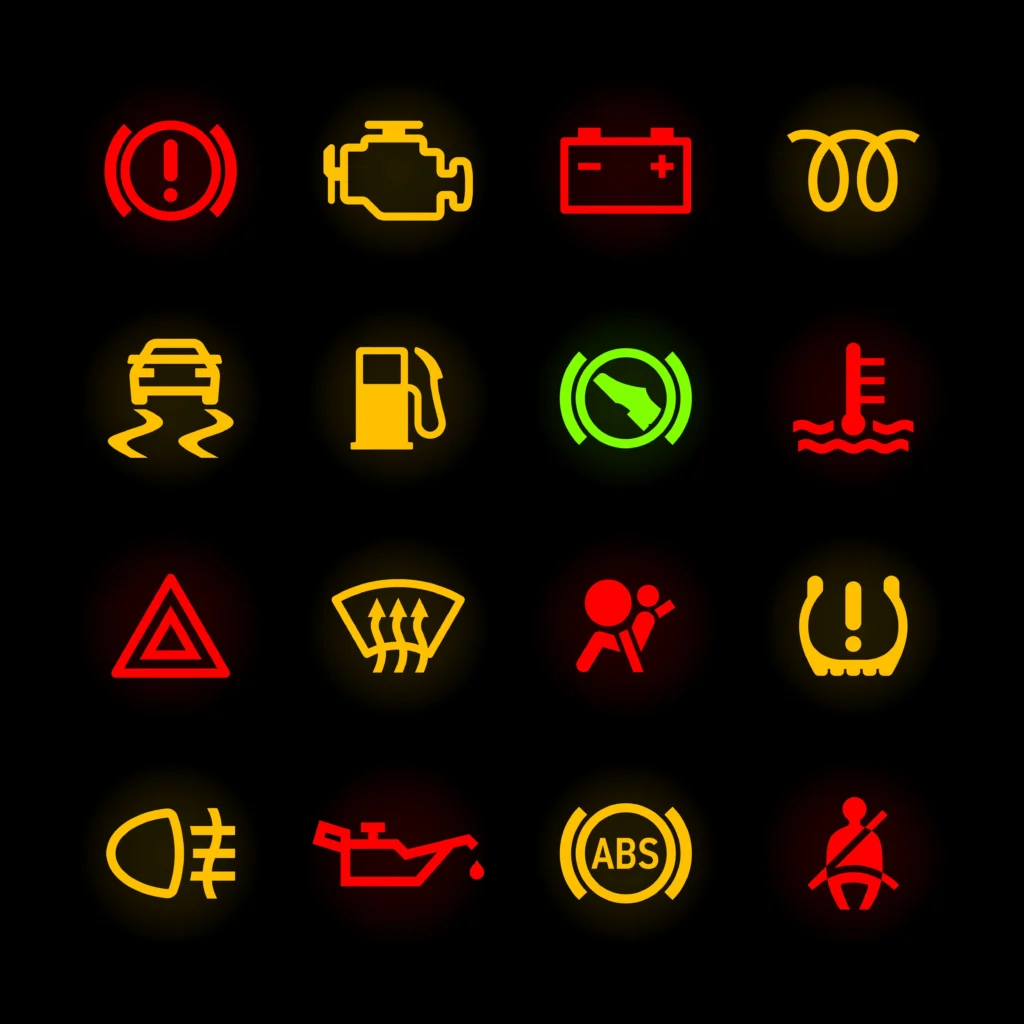
Color recognition reduces panic during driving. You assess risk within seconds. Faster decisions lower damage and safety risks. Color always matters more than symbol shape.
Color meanings include:
- Red lights signal immediate danger
- Yellow lights signal caution
- Green lights show active systems
- Blue lights indicate high-beam usage
Red warning lights demand instant attention. These lights indicate serious mechanical or safety threats. Continuing to drive risks severe engine damage or brake failure. Stopping safely protects both the vehicle and the passengers.
Yellow or amber lights warn of developing problems. Systems still operate, but not within ideal limits. Short driving may remain possible. Inspection should happen as soon as practical.
Green dashboard lights confirm normal system operation. These lights show features working as designed. No repair action is required. Driver awareness remains the only responsibility.
Blue lights appear rarely. They mainly indicate high-beam headlights. Visibility improves during night driving. Switch off high beams near other vehicles to maintain road safety.
Red Jeep Dashboard Symbols and Meanings
Red warning lights indicate severe problems. Driving further risks mechanical failure or accidents. You should stop driving as soon as safe.
Common red symbols include:
- Engine temperature warning
- Oil pressure warning
- Brake system warning
- Battery charging warning
Each red light has a specific cause and serious consequences.
Engine Temperature Warning Light
This symbol shows a thermometer over waves. It warns that your engine temperature has crossed safe limits. Coolant loss, failed radiator fans, clogged radiators, or stuck thermostats usually trigger this light.
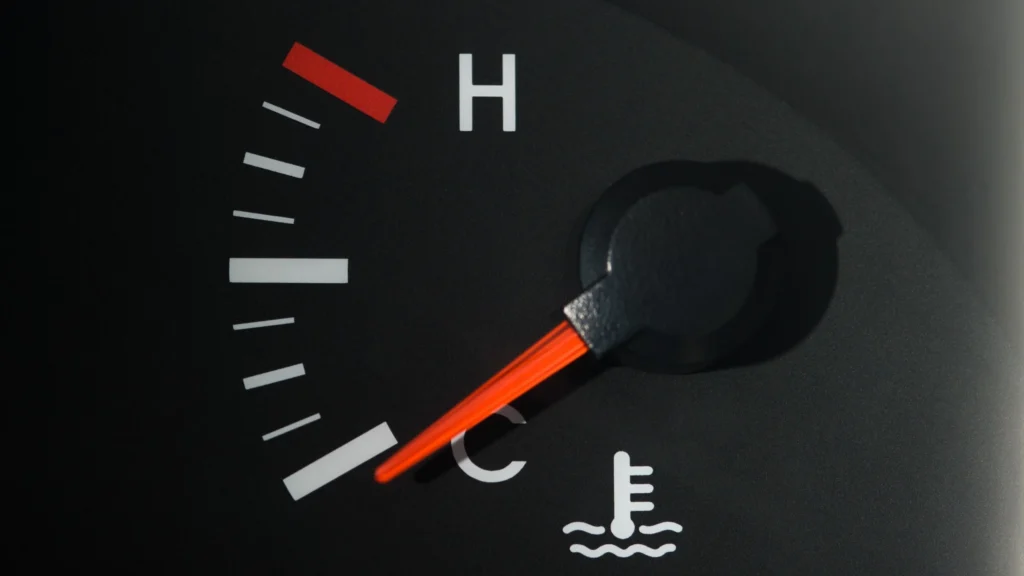
Engine heat rises fast once the coolant stops circulating. Metal parts expand beyond design tolerance. Head gaskets fail. Cylinder heads warp. Engine seizure becomes possible within minutes.
You should stop driving as soon as traffic allows. Turn off the engine. Open the hood carefully. Wait until temperatures drop fully before checking coolant levels.
Oil Pressure Warning Light
The oil can symbol warns that oil pressure has dropped below safe levels. Oil stops flowing through bearings, camshafts, and crank journals. Friction rises instantly across all moving engine parts.
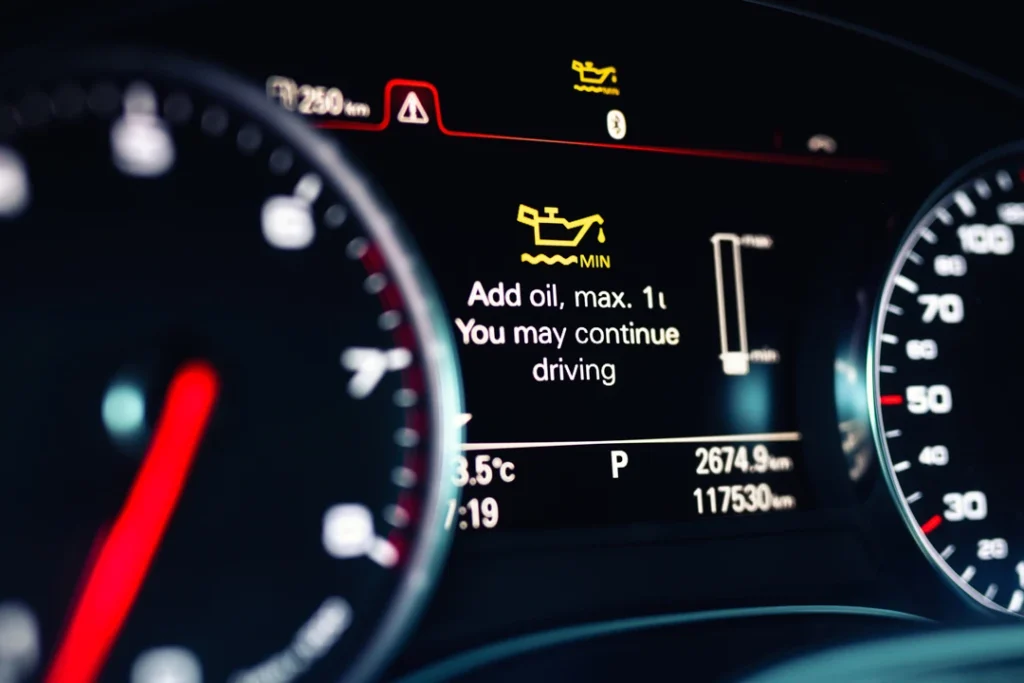
Low pressure comes from low oil level, worn oil pumps, clogged filters, or internal leaks. Even short driving distances create permanent engine damage.
Shut the engine off immediately. Do not idle. Check the oil level once the engine cools. Towing remains the safest option if the light stays on.
Brake System Warning Light
This symbol shows an exclamation mark inside a circle. It signals hydraulic brake issues. Common causes include low brake fluid, worn brake pads, or master cylinder failure.
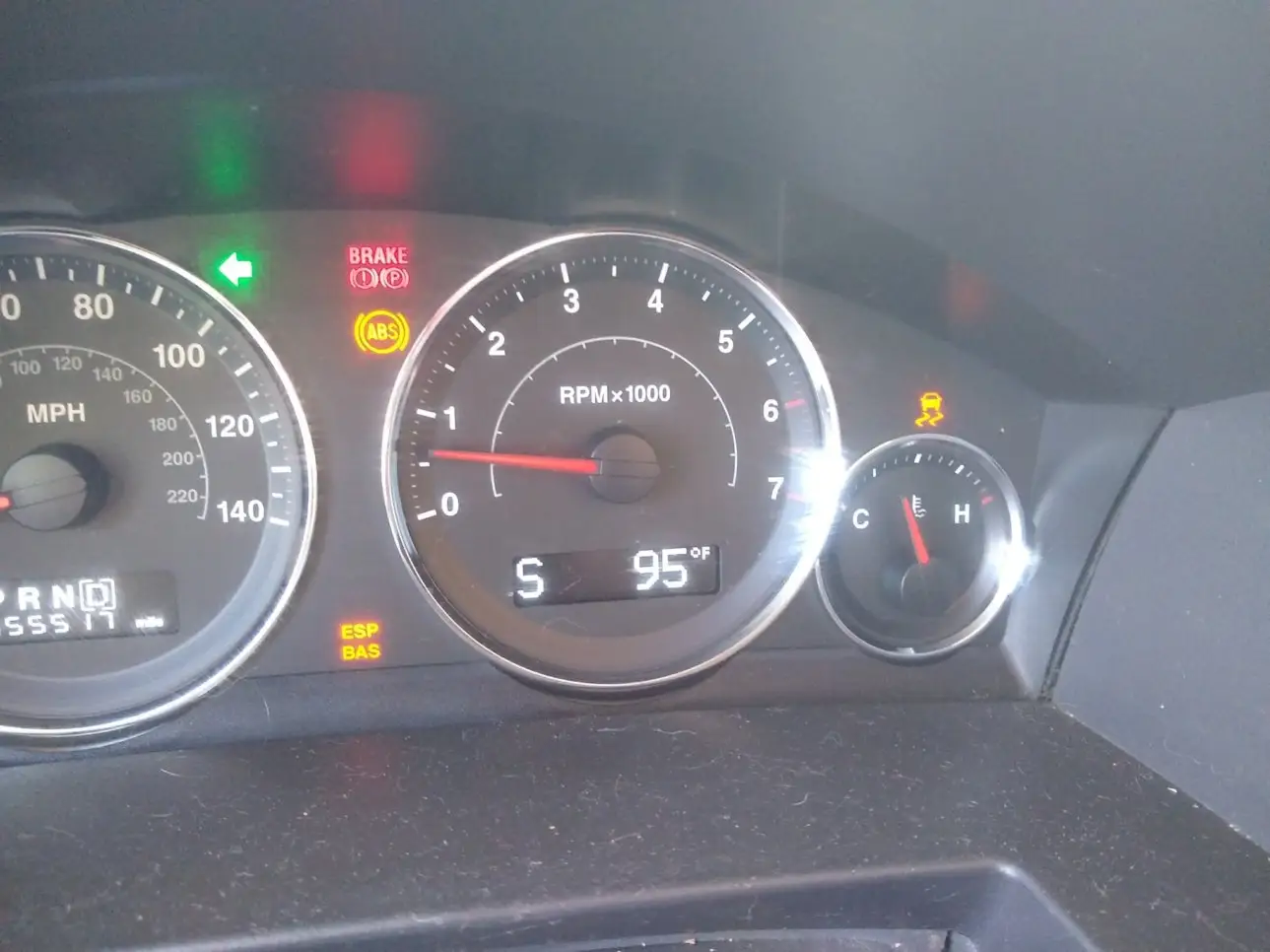
Brake fluid transfers pedal force to the wheels. Low fluid introduces air into the system. The pedal feels soft. Stopping distance increases sharply.
Driving becomes unsafe under emergency braking. Check the brake fluid level right away. If fluid drops again, stop driving and schedule an immediate brake inspection.
Battery Charging System Warning Light
The battery icon warns charging system failure. The alternator stops recharging the battery. Electrical systems begin draining stored power immediately.
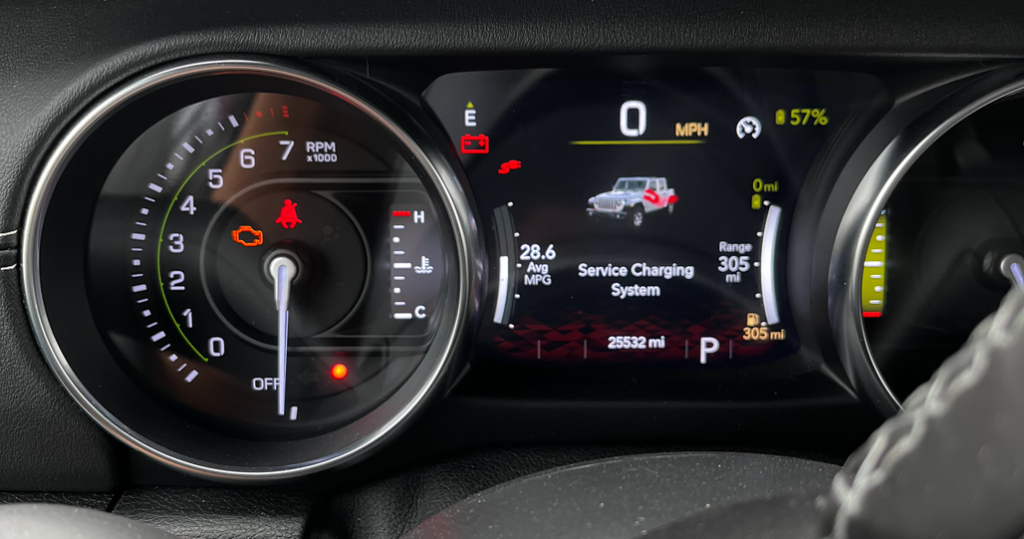
Common causes include failed alternators, broken serpentine belts, corroded terminals, or wiring faults. Modern Jeeps rely heavily on electronics for engine operation.
Driving continues briefly on battery power only. Headlights dim. Power steering weakens. The engine stalls once the voltage drops. Seek repair immediately to avoid a roadside shutdown.
Yellow Jeep Dashboard Symbols and Meanings
Yellow warning lights indicate system faults requiring attention soon. You may drive cautiously for short periods.
Common yellow symbols include:
- Check engine light
- ABS warning light
- Traction control warning
- Tire pressure warning
Ignoring yellow warnings increases repair costs over time.
Check Engine Light
The check engine symbol monitors the engine and emission systems. Causes include sensor faults, misfires, or loose gas caps.
Performance may drop. Fuel efficiency suffers. Scan diagnostic codes promptly.
Recommended: BlueDriver Bluetooth Pro OBD2 Scanner
ABS Warning Light
ABS light indicates anti-lock brake malfunction. Normal braking still works. Emergency braking effectiveness decreases.
Wheel lockup risk increases on wet roads. Repair restores full braking safety.
Traction Control Warning Light
This symbol shows skidding wheels. It indicates a traction system intervention or malfunction.
Flashing means active assistance. Steady light signals a fault. Reduced traction increases slipping risk.
Tire Pressure Monitoring System Light
The horseshoe-shaped symbol signals low tire pressure. Underinflated tires reduce grip and increase wear.
Inflate tires to the recommended PSI. Driving on low pressure risks blowouts.
Green and Blue Jeep Dashboard Symbols
Green and blue lights confirm active features. They do not indicate faults.
Common indicators include:
- Headlights on
- Cruise control active
- Turn signals
- High beams active
These symbols provide driving feedback only.
Cruise Control Indicator
This light confirms cruise control engagement. Speed stays constant automatically.
Disengage during traffic or slippery roads. Driver control remains important.
High Beam Indicator
The blue headlight icon indicates high beams are active. Visibility increases at night.
Switch off near other vehicles. Avoid blinding oncoming drivers.
Jeep 4WD and Off-Road Dashboard Symbols
Jeep includes unique off-road indicators. These relate to drivetrain and terrain systems.
Important symbols include:
- 4WD engaged
- Differential lock
- Hill descent control
- Selec-Terrain mode
Using these correctly prevents drivetrain stress.
4WD Indicator Light
This symbol confirms four-wheel drive engagement. Power transfers to all wheels.
Avoid dry pavement use. Drivetrain binding causes component damage.
Differential Lock Indicator
This symbol shows locked differentials. Both wheels rotate together.
Use only on loose surfaces. Locked differentials reduce steering control on pavement.
Hill Descent Control Indicator
This symbol activates controlled downhill braking. Speed remains steady on steep slopes.
Useful during off-road descents. Avoid use on flat roads.
Safety System Warning Symbols
Modern Jeeps include advanced driver assistance systems. Warning lights signal sensor or system faults.
Key safety symbols include:
- Airbag warning
- Lane departure warning
- Blind spot monitoring
Address safety faults promptly.
Airbag Warning Light
This symbol shows a seated person with a circle. It indicates an airbag system malfunction.
Airbags may fail during collisions. Repair immediately to restore protection.
Lane Departure Warning Light
This symbol shows lane markings. It alerts when drifting without signaling.
A steady light indicates a system fault. Driver assistance becomes unavailable.
Blind Spot Monitoring Warning
This symbol lights near mirrors. It detects vehicles in blind spots.
System failure reduces awareness. Use mirrors carefully until repaired.
Transmission and Drivetrain Warning Symbols
Transmission warnings signal serious mechanical risks.
Common symbols include:
- Transmission temperature warning
- Gearbox fault indicator
Transmission damage spreads quickly without attention.
Transmission Temperature Warning
This symbol indicates overheated transmission fluid. Towing or heavy loads often cause this.
Overheating burns clutch packs. Stop driving and allow cooling.
Fuel and Emissions Warning Lights
These symbols relate to fuel delivery and emissions systems.
Important indicators include:
- Low fuel warning
- Emissions system warning
Ignoring emissions warnings affects performance and legality.
Low Fuel Warning Light
This symbol shows a fuel pump icon. It warns of low fuel levels.
Running on empty strains the fuel pump. Refill soon.
Emissions System Warning
This symbol indicates emission control issues. Faulty sensors often cause this.
Fuel economy drops. Repairs prevent further damage.
Electrical and Power Steering Symbols
Electrical warnings affect steering and vehicle control.
Common symbols include:
- Power steering warning
- Electrical system fault
Loss of steering assist increases effort.
Power Steering Warning Light
This symbol indicates reduced steering assistance. Fluid loss or sensor failure causes this.
Steering becomes heavy. Drive cautiously and repair promptly.
What To Do When a Jeep Warning Light Appears
Respond calmly. Panic causes mistakes. Follow a structured approach.
Action steps include:
- Identify symbol color
- Reduce speed
- Check manual
- Schedule service
- Tow if red lights appear
Prompt action limits damage.
Dashboard Light Self-Test Explained
Lights illuminate briefly during startup. This confirms bulb function.
All lights should turn off after the engine starts. Remaining lights signal active warnings.
Common Driver Mistakes With Dashboard Lights
Drivers often ignore intermittent lights. Small issues worsen quickly.
Another mistake involves confusing oil pressure with oil level. Pressure warnings require immediate shutdown.
Preventing Jeep Dashboard Warning Lights
Preventive maintenance reduces warning frequency.
Helpful practices include:
- Regular oil changes
- Brake inspections
- Tire pressure checks
- Battery testing
Maintenance saves repair costs.
Using the Jeep Owner’s Manual
The manual explains every symbol with icons. Keep it accessible.
Manual guidance matches your exact model and year. Reference ensures correct action.
External Trusted Resources
Learn more from authoritative sources:
Conclusion
Jeep dashboard symbols and meanings protect your vehicle and safety. Each light communicates urgency through color and icon design. Responding early prevents breakdowns and high repair bills. Understanding these symbols keeps your Jeep reliable on highways and trails.
For deeper diagnostics, read our guide on Jeep transmission warning.
Which Jeep dashboard symbol caused you concern recently?