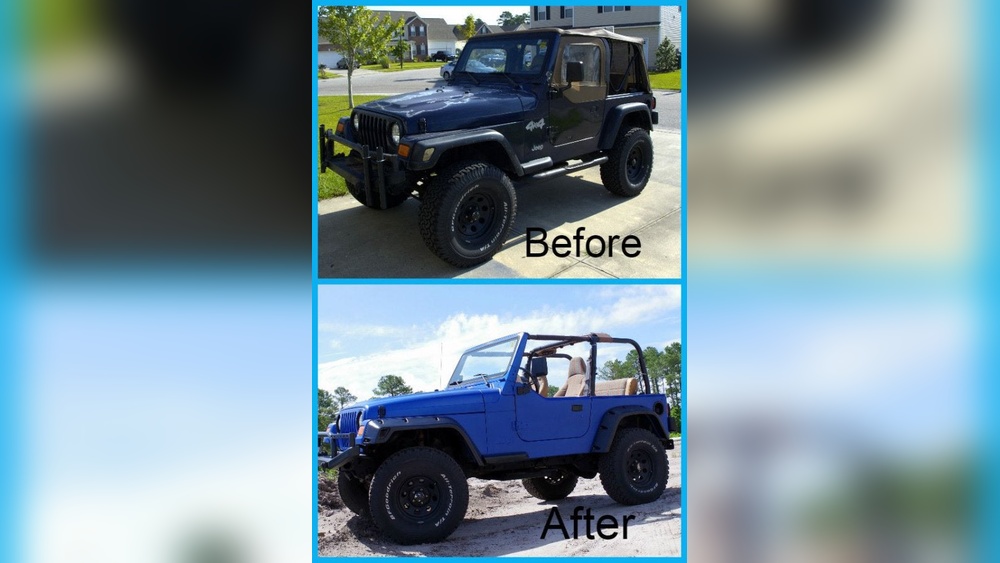
Having the right tires on your Jeep CJ7 is crucial for performance, especially when you're looking to upgrade to a larger size. Many off-road enthusiasts consider 35-inch tires on 15-inch wheels a sweet spot.
This setup offers a good balance between aggressive looks, enhanced off-road capability, and manageable impact on daily driving. But fitting these tires isn't always a simple bolt-on affair.
It often requires adjustments to your suspension, fenders, and sometimes even drivetrain components. This guide will explore everything you need to know about mounting 35-inch tires on 15-inch wheels for your Jeep CJ7, covering the benefits, the modifications needed, and important considerations to ensure a successful and safe upgrade.
The Appeal Of 35-inch Tires On 15-inch Wheels For The Cj7
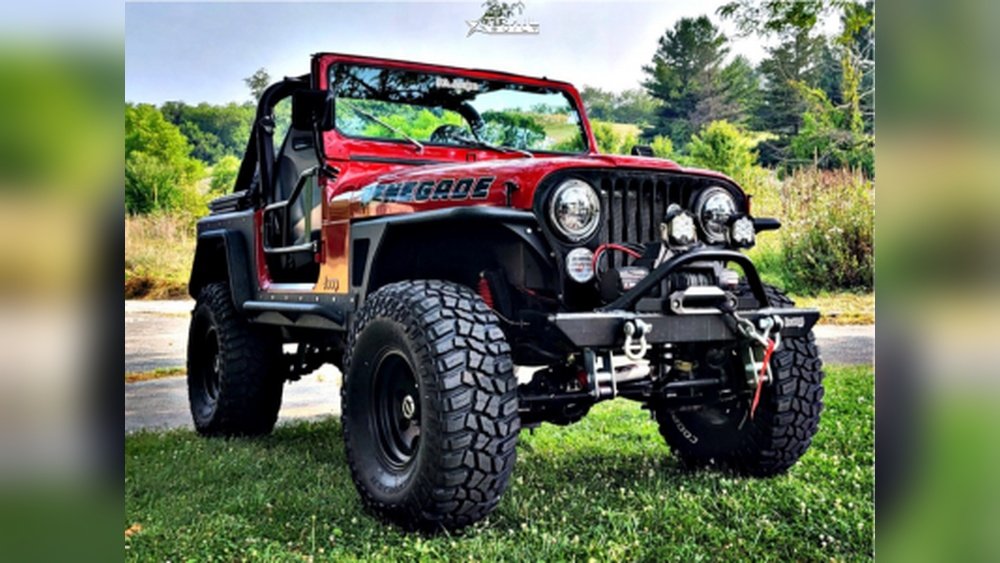
The Jeep CJ7 is an iconic vehicle, and its rugged nature makes it a prime candidate for tire upgrades. Opting for 35-inch tires on 15-inch wheels offers a significant boost in several areas. The larger diameter of the tire itself helps the Jeep climb over obstacles more easily on the trail. It increases the ground clearance under the axles, which are typically the lowest points on a vehicle, reducing the risk of hitting rocks or other trail hazards. This increased clearance is vital for serious off-roading.
Beyond the functional benefits, the visual transformation is undeniable. A CJ7 with 35-inch tires possesses a more aggressive and commanding stance. It looks the part of a capable off-road machine, turning heads whether you’re on the trail or cruising through town. The 15-inch wheel size is also a popular choice because it allows for a taller sidewall on the tire. This taller sidewall is beneficial for off-roading as it provides more flex, which can improve traction and offer a more comfortable ride over uneven terrain. It also acts as a cushion against impacts.
Furthermore, 35-inch tires are a widely available size in the off-road market. This means you have a vast selection of tread patterns and brands to choose from, catering to different driving conditions and preferences, whether you prioritize mud-slinging capability, rock-crawling grip, or a balance for on-road use. This accessibility makes it a practical choice for many CJ7 owners looking to enhance their vehicle’s performance and aesthetics.
Essential Modifications For 35-inch Tire Clearance
Fitting 35-inch tires on a Jeep CJ7 is not a direct swap. You will almost certainly need to make modifications to ensure the tires don’t rub against the fenders, body, or suspension components, especially when turning or flexing the suspension. The most common and often necessary modification is a suspension lift.
Suspension Lift Kits
A suspension lift kit raises the entire body of the Jeep off the frame, providing the necessary clearance for larger tires. For 35-inch tires on a CJ7, a lift of at least 2.5 inches is typically recommended. However, many enthusiasts opt for a 4-inch lift to ensure ample clearance and minimize the chances of rubbing, even during aggressive off-road driving.
A typical suspension lift kit for a CJ7 includes:
- Longer leaf springs: These are the primary components that lift the vehicle. They provide more arch than stock springs, pushing the axles further away from the frame.
- Shackles: These connect the leaf springs to the frame. Longer shackles can also contribute to lift, but they can also affect ride quality and spring wrap if not chosen carefully.
- U-bolts: These secure the leaf springs to the axles. Longer U-bolts are often needed to accommodate the thicker springs.
- Shocks: New shocks designed for the increased suspension travel and ride height are essential.
When choosing a lift kit, consider the quality of the components. High-quality kits will use stronger materials and offer a better ride. Some kits might also include additional components like a track bar relocation bracket or sway bar disconnects, which are important for maintaining proper suspension geometry and on-road handling after lifting. A lift of 4 inches is a popular choice for 35-inch tires as it offers a good balance of clearance and stability.
Body Mount Modifications And Fender Trimming
Even with a suspension lift, you might still encounter rubbing issues, especially at full steering lock or during suspension articulation (when one wheel is pushed up higher than the other, like when climbing over a rock). This is where body mount modifications and fender trimming come into play.
- Body Mount Bushings: The CJ7 has body mounts that connect the body to the frame. In some cases, larger tires can rub against these. While less common with 35s and a decent lift, it’s something to be aware of.
- Fender Flares and Fenders: The factory fender flares and the fenders themselves can be a point of contact. Many people choose to trim the fenders to gain extra clearance. This can be done by cutting a portion of the fender opening and then often re-installing or replacing the fender flares. Some aftermarket fender flare kits are designed to provide more clearance than stock.
- Bump Stops: Bump stops are designed to limit suspension travel and prevent the tires from hitting the fenders or body at full compression. When you install larger tires, you might need to extend your bump stops. This prevents the tires from hitting the fenders in situations where the suspension compresses fully, such as hitting a large bump at speed or landing after a jump. Extending bump stops effectively reduces the amount of suspension travel, but it’s a necessary compromise to avoid damage from tire rub.
Steering Modifications
Larger tires can put more stress on the steering system. Additionally, the steering geometry can be affected by a suspension lift.
- Steering Stabilizer: While not strictly required for clearance, a steering stabilizer is highly recommended when running larger tires. It helps to dampen steering wheel vibrations and makes the steering feel more controlled, reducing the impact of bumps and ruts on the steering wheel.
- Steering Linkage: In some cases, especially with significant lifts or aggressive off-roading, the stock steering linkage might be a weak point or can interfere with the tires. Upgraded steering components, such as heavy-duty tie rods and drag links, can provide more strength and durability. Some setups might require dropped pitman arms to correct steering geometry after lifting.

Wheel Considerations For 35-inch Tires
Choosing the right wheel size and offset is just as important as selecting the tire itself. For 35-inch tires, 15-inch diameter wheels are the most common choice among CJ7 owners. This combination allows for a substantial amount of sidewall, which is crucial for off-road performance.
Wheel Diameter And Backspacing
- Diameter: As mentioned, 15-inch wheels are prevalent. They offer a good balance and are widely available. While larger diameter wheels (like 17-inch or 18-inch) are popular on newer vehicles, they reduce tire sidewall height. For a classic Jeep like the CJ7, the 15-inch wheel with a 35-inch tire is a classic and functional pairing.
- Backspacing: This is a critical measurement. Backspacing refers to the distance from the rear of the wheel mounting surface to the outside edge of the wheel. For a Jeep CJ7 with 35-inch tires, a backspacing of around 3.75 to 4.5 inches is generally recommended.
- Too little backspacing (wheel sticks out too far) can cause the tires to rub against the fenders or body more easily, especially at the rear of the fender well. It can also put more stress on wheel bearings and steering components.
- Too much backspacing (wheel sits too far inward) can cause the tire to rub against suspension components, such as the leaf springs or the steering linkage.
The ideal backspacing helps the tires clear the suspension and body while also keeping the tire tread within a reasonable distance from the fender. When in doubt, consult the recommendations provided by your lift kit manufacturer or tire supplier, as they often have specific guidelines based on tire size and vehicle model.
Wheel Width
For 35-inch tires, 8-inch or 10-inch wide wheels are commonly used.
- 8-inch wide wheels: These are a good fit for most 35-inch tires and offer a classic look. They provide a good bead seal and are suitable for a wide range of off-road conditions.
- 10-inch wide wheels: These can offer a slightly wider contact patch, which can improve traction in some situations. However, they can also make the tire appear more “stretched” and might require slightly lower tire pressures for optimal performance. They are often preferred by those who run very low tire pressures off-road.
It's important to match the wheel width to the tire's recommended rim width range. Most tire manufacturers provide a recommended rim width range for each tire size.
Sticking within this range ensures the tire seats properly on the wheel and performs as intended.
Material And Style
Wheels for a CJ7 can be made from various materials, including steel and aluminum alloy.
- Steel wheels: These are generally cheaper, more durable, and easier to repair if damaged on the trail. They are a popular choice for hardcore off-roaders.
- Aluminum alloy wheels: These are lighter, which can improve handling and reduce unsprung weight. They also come in a wider variety of styles and finishes. However, they can be more expensive and more prone to cracking or bending when subjected to severe impacts.
The style of the wheel is largely a matter of personal preference, but classic designs like steel modular wheels or beadlock-style wheels (even if non-functional imitation beadlocks) are popular for the CJ7 aesthetic and often offer good durability.
Tire Types And Tread Patterns For Your Cj7
With 35-inch tires, you have a wide array of tread patterns and types to choose from, each suited for different driving conditions. The type of tire you choose will significantly impact your Jeep’s performance on the road and off.
All-terrain (a/t) Tires
All-terrain tires are designed to offer a balance between on-road comfort and off-road capability. They typically have a more aggressive tread pattern than highway tires but are still quiet enough for daily driving.
- Pros: Good for mixed use, reasonable on-road manners, decent traction on dirt, gravel, and light mud. Often have a longer lifespan than mud-terrain tires.
- Cons: Not as aggressive as mud-terrain tires for very challenging off-road conditions like deep mud or extreme rock crawling.
- Popular Brands/Models: BFGoodrich All-Terrain T/A KO2, Goodyear Wrangler All-Terrain Adventure with Kevlar, Falken Wildpeak A/T3W.
These are a great choice if your CJ7 is a daily driver that also sees weekend trail use.
Mud-terrain (m/t) Tires
Mud-terrain tires are built for maximum traction in loose surfaces like mud, dirt, and rocks. They feature large, widely spaced tread blocks with deep voids to help clear mud and debris.
- Pros: Excellent traction in mud and soft terrain, aggressive off-road look, often very durable.
- Cons: Can be noisy on the highway, offer a harsher ride, wear faster on pavement, and may have reduced fuel efficiency.
- Popular Brands/Models: BFGoodrich Mud-Terrain T/A KM3, Goodyear Wrangler MT/R with Kevlar, Nitto Trail Grappler M/T.
If your CJ7 spends most of its time off-road, especially in muddy conditions, M/T tires are likely your best bet.
Hybrid Terrain Tires
These tires attempt to bridge the gap between A/T and M/T tires. They offer more aggressive tread than A/Ts but are designed to be quieter and more comfortable on the road than traditional M/Ts.
- Pros: A good compromise for those who want aggressive looks and capability without the extreme drawbacks of M/T tires on the street.
- Cons: May not offer the absolute best performance in either extreme condition compared to dedicated A/T or M/T tires.
- Popular Brands/Models: Toyo Open Country R/T, Nitto Ridge Grappler.
These are becoming increasingly popular for their versatility.
Tire Construction And Load Rating
When choosing 35-inch tires, pay attention to their construction. Look for tires with 3-ply sidewalls if you plan on serious off-roading, as this adds significant protection against punctures from rocks and sharp objects. The load rating is also important; ensure the tires can handle the weight of your CJ7, especially if you’ve added aftermarket bumpers, winches, or other heavy accessories. For a CJ7, you’ll typically be looking at tires with a Load Range C or D.

Drivetrain And Gear Ratio Considerations
When you increase the tire size on your Jeep CJ7 from stock to 35 inches, you are effectively changing the gear ratio of your vehicle. This has a significant impact on acceleration, engine load, and fuel economy.
Impact Of Larger Tires On Gear Ratios
A larger tire has a greater circumference. This means that for every rotation of the driveshaft, the vehicle travels a greater distance.
In essence, it's like driving in a higher gear all the time.
- Loss of Acceleration: Your Jeep will feel slower and less responsive. Acceleration will be noticeably sluggish, especially from a stop or at lower speeds.
- Increased Engine Strain: The engine has to work harder to turn the larger tires, which can lead to increased wear and tear on the engine and transmission over time.
- Reduced Fuel Economy: Because the engine is working harder, you will likely see a decrease in your miles per gallon (MPG).
- Automatic Transmission Issues: For CJ7s with automatic transmissions, the transmission might have trouble shifting correctly, potentially leading to overheating or premature wear.
Re-gearing Your Differentials
To compensate for the larger tires and restore performance, most CJ7 owners re-gear their differentials. This involves changing the ring and pinion gears inside the axles. The goal is to install a numerically higher gear ratio that effectively “multiplies” engine torque more, counteracting the leverage disadvantage created by the larger tires.
Here’s a general guideline for re-gearing a Jeep CJ7 with 35-inch tires:
- Stock Gear Ratios: Many CJ7s came with gear ratios like 3.55, 3.73, or 4.10.
- Recommended Ratios for 35-inch tires:
- For manual transmissions, 4.56 is a very popular choice.
- For automatic transmissions, 4.88 is often recommended to provide enough torque.