The Jeep CJ-5 is an iconic vehicle, known for its ruggedness and off-road prowess. For many enthusiasts, customizing their CJ-5 is part of the ownership experience.
One of the most common and impactful modifications is changing the steering wheel. However, a crucial aspect of this modification is understanding Jeep CJ5 steering wheel size.
The size of your steering wheel directly affects your driving experience, comfort, and even the vehicle's aesthetics. Choosing the wrong size can lead to a cramped cockpit, difficult steering, or a look that doesn't quite fit the classic CJ-5 vibe.
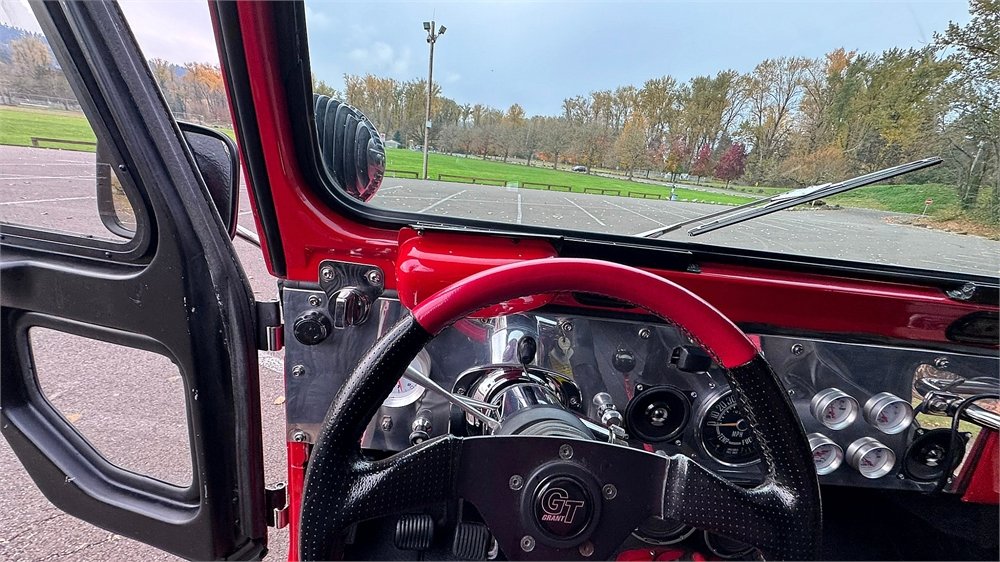
This article will guide you through everything you need to know about Jeep CJ-5 steering wheel sizes. We’ll explore the standard dimensions, the pros and cons of different sizes, how to choose the right one for your needs, and essential considerations for installation.
Whether you’re looking for a more comfortable grip, a sportier feel, or a period-correct look, understanding steering wheel dimensions is your first step.
Understanding Standard Jeep Cj-5 Steering Wheel Dimensions
The Jeep CJ-5 saw a long production run, from 1955 to 1983, and during this time, steering wheel designs and sizes evolved. However, there’s a generally accepted standard size that most original CJ-5s came equipped with.
Original Equipment Steering Wheels
Most stock Jeep CJ-5 models from the 1950s through the early 1970s typically featured a steering wheel around 15 to 16 inches in diameter. These wheels often had a thicker rim, sometimes covered in a durable plastic or rubber material, designed for grip and longevity in harsh conditions. Later models, especially those closer to the CJ-7 era, might have seen slightly smaller or differently styled wheels, but the 15-16 inch range remains the most common reference point for original equipment.
The diameter is measured from one outer edge of the steering wheel rim, across the center, to the opposite outer edge. This measurement is key because it dictates how much space the wheel takes up in the cockpit and how much leverage you have when turning.
Why Diameter Matters
The diameter of the steering wheel is not just an aesthetic choice; it has functional implications:
- Leverage: A larger diameter wheel provides more leverage. This means you’ll need less physical effort to turn the wheels, especially at low speeds or when maneuvering in tight spots. This was particularly important in older vehicles that often lacked power steering.
- Cockpit Space: A larger wheel occupies more space. In a compact vehicle like the CJ-5, a significantly oversized wheel can make getting in and out more difficult and can feel cramped while driving, especially for taller individuals.
- Grip and Feel: The thickness and material of the rim also contribute to the feel. While diameter is the primary size metric, the overall perceived size can be influenced by how thick the wheel feels in your hands.
- Steering Ratio: The steering wheel’s diameter works in conjunction with the vehicle’s steering ratio. A larger wheel on a vehicle with a slow steering ratio will require more turns lock-to-lock, while a smaller wheel on the same setup will require fewer turns.
Common Aftermarket Steering Wheel Sizes For Jeep Cj-5
While original wheels are often sought after, many CJ-5 owners opt for aftermarket steering wheels to improve comfort, style, or performance. The aftermarket offers a wide range of sizes, catering to different preferences.
Smaller Diameter Wheels (13-14 Inches)
Smaller steering wheels have become increasingly popular, especially in performance-oriented vehicles and custom builds.
- Pros:
- Sportier Feel: A smaller wheel can make the steering feel quicker and more responsive, mimicking the feel of sports cars.
- Increased Legroom: It frees up valuable space in the cockpit, making it easier for drivers to get in and out and providing more legroom.
- Modern Aesthetics: Many smaller wheels have a more modern, aggressive look that some owners prefer.
- Less Effort (with Power Steering): If your CJ-5 has power steering, a smaller wheel can still be manageable and feel very direct.
- Cons:
- More Steering Effort (without Power Steering): This is the biggest drawback. If your CJ-5 does not have power steering, a 13 or 14-inch wheel will require significantly more physical effort to turn, especially off-road or at low speeds. This can be tiring and even difficult.
- Less Leverage: Reduced leverage means you’ll be doing more of the work with your arms.
- Potential for “Play”: On some setups, a very small wheel might feel less connected or have a slight ‘play’ if not installed perfectly or if the steering linkage has wear.
Standard Diameter Wheels (15-16 Inches)
This range mirrors the original equipment, offering a familiar feel and balance.
- Pros:
- Balanced Performance: Offers a good compromise between leverage and responsiveness.
- Comfortable for Most: Suitable for a wide range of drivers and driving conditions, especially without power steering.
- Classic Look: Maintains the period-correct aesthetic that many CJ-5 enthusiasts desire.
- Easier Installation: Often designed to fit existing adapter kits without major issues.
- Cons:
- Less “Sporty”: May not provide the quick, direct feel that some performance enthusiasts seek.
- Can Still Feel Cramped: For very tall drivers, even a 15-16 inch wheel might feel a bit close.
Larger Diameter Wheels (17+ Inches)
While less common in the aftermarket for CJ-5s compared to smaller options, larger wheels do exist and were sometimes original equipment in older vehicles.
- Pros:
- Maximum Leverage: Easiest to turn, especially beneficial for vehicles without power steering or those with very stiff steering.
- Comfort for Long Drives: Can reduce fatigue on longer journeys due to the reduced effort required.
- Traditional Vintage Feel: Offers a distinct classic look and feel.
- Cons:
- Takes Up Significant Space: Can make the cockpit feel very cramped and impede entry/exit.
- Slower Steering Response: Requires more turns to achieve the same steering angle, making the steering feel less responsive.
- Can Look Out of Place: On a CJ-5, a wheel much larger than 16 inches might look disproportionate or dated in a way that doesn’t suit a custom build.
Factors To Consider When Choosing Your Cj-5 Steering Wheel Size
Selecting the right steering wheel size for your Jeep CJ-5 involves more than just personal preference. You need to consider your specific vehicle setup and how you intend to use it.
Power Steering Vs. Manual Steering
This is arguably the most critical factor.
- Manual Steering: If your CJ-5 has its original manual steering system, you will benefit significantly from a larger diameter steering wheel (15-16 inches or even slightly larger). The increased leverage will make turning the wheels much easier, especially when stationary or crawling at low speeds off-road. Opting for a smaller wheel (13-14 inches) without power steering will result in a very heavy and fatiguing driving experience. You would need to be prepared for a significant workout every time you turn.
- Power Steering: If your CJ-5 has been retrofitted with a power steering system, you have much more flexibility. The power assist significantly reduces the effort needed to turn the wheels, making smaller diameter wheels (13-14 inches) a viable and often desirable option. They provide a quicker steering feel and free up cockpit space. Even with power steering, a 15-16 inch wheel will still offer a comfortable and balanced feel.
Driving Style And Intended Use
How you use your Jeep will heavily influence the best steering wheel size.
- Off-Roading: For serious off-roading, especially in challenging terrain where you might be navigating obstacles at very low speeds or need to make constant, small adjustments, leverage is key. If you don’t have power steering, a larger wheel (15-16 inches) is highly recommended. Even with power steering, some off-roaders prefer a slightly larger wheel for better control during technical maneuvers.
- Daily Driving / Cruising: If your CJ-5 is primarily used for on-road cruising, errands, or occasional light trail use, the choice is more about comfort and aesthetics. A 15-16 inch wheel offers a comfortable, familiar feel. If you prefer a sportier feel and have power steering, a 13-14 inch wheel can be a great choice, offering a more direct connection to the road and a less cramped interior.
- Show Car / Restoration: If you’re aiming for a factory-correct restoration, sticking to the original 15-16 inch diameter is essential. If you’re building a custom show vehicle, you might opt for a smaller wheel for a modern, aggressive look, provided your steering system can handle it.
Driver Size And Comfort
The physical size of the driver plays a role in steering wheel selection.
- Taller Drivers: Taller individuals often find that smaller steering wheels provide much-needed legroom. A 13 or 14-inch wheel can make a significant difference in comfort, allowing for a more relaxed driving position without the knees hitting the steering column.
- Shorter Drivers: Shorter drivers might find larger wheels feel more natural and less intrusive. However, the primary consideration for anyone is how the wheel feels in their hands and how easily they can operate it.
Aesthetics And Style
The steering wheel is a prominent interior feature. Its size and design contribute significantly to the overall look and feel of your CJ-5’s cabin.
- Classic Look: A 15-16 inch wheel with a classic design (e.g., wood rim, vintage spokes) will enhance the period-correct aesthetic.
- Sporty/Modern Look: A 13-14 inch wheel with a sleek design, perhaps a dish shape, and modern materials can give the interior a more aggressive, performance-oriented vibe.
Steering Column And Adapter Compatibility
It’s crucial to remember that the steering wheel itself needs an adapter to connect to the Jeep’s steering column. Most aftermarket steering wheels use a standard spline count (e.g., 36-spline or 52-spline for Jeeps, depending on the year and model).
- Adapter Kits: Ensure you purchase the correct steering wheel adapter kit for your specific Jeep CJ-5 year. These kits are designed to match the steering column’s splines and provide the mounting points for the aftermarket wheel.
- Wheel Offset (Dish): Steering wheels come in different “dishes” or offsets. A “flat” wheel has minimal dish, while a “dished” wheel has a concave shape. A dished wheel moves the steering wheel closer to the driver, which can be beneficial for freeing up space but might feel too close for some. A flat wheel keeps the wheel further away. The adapter itself also has a degree of dish. You need to consider the combined dish of the adapter and the wheel to achieve your desired driving position.
Popular Steering Wheel Sizes And Their Applications
Let’s look at some common sizes and what they’re best suited for in a Jeep CJ-5 context.
13-inch Steering Wheels
This is one of the smallest common aftermarket sizes.
- Best For: CJ-5s with power steering that are used for daily driving, performance street use, or mild off-roading. Ideal for drivers who want the quickest steering response and maximum cockpit space.
- Considerations: Requires significant effort without power steering. Can feel too small or twitchy for some drivers, especially on rough terrain. Ensure the adapter and wheel combination doesn’t place the wheel too close to the driver.
14-inch Steering Wheels
A slightly larger, but still compact, option.
- Best For: A good balance for CJ-5s with power steering. Offers a sporty feel and good space while being slightly more manageable than a 13-inch wheel. Also a possibility for manual steering if the driver is strong and prefers a quicker feel, though still challenging.
- Considerations: Still requires more effort than larger wheels if manual steering is present.
15-inch Steering Wheels
A very popular size that hits a sweet spot.
- Best For: Excellent choice for both manual and power steering equipped CJ-5s. It provides a good blend of leverage for easier steering (crucial for manual setups) and a comfortable, responsive feel. It maintains a classic look while offering a slight improvement over potentially worn-out original wheels.
- Considerations: Takes up more space than smaller wheels. Offers less of a “quick” steering feel compared to 13-14 inch options.
16-inch Steering Wheels
Often considered the upper end of the “standard” size for many vehicles, including the CJ-5.
- Best For: Primarily recommended for CJ-5s with manual steering where maximum leverage is desired for comfortable operation. Also suitable for those who prefer a larger, more substantial feel and a classic, period-appropriate aesthetic.
- Considerations: Can feel quite large and potentially cumbersome in a tight cockpit. Steering response will be slower compared to smaller wheels.
Installation And Fitment Considerations
Beyond size, ensuring your new steering wheel fits correctly and safely is paramount.
Steering Wheel Adapters (hubs)
As mentioned, a steering wheel adapter, often called a hub, is essential. These are typically vehicle-specific. For a Jeep CJ-5, you’ll need an adapter designed for its steering column splines.
- Spline Count: Jeep CJ-5s commonly use a 36-spline or 52-spline steering shaft, depending on the year. Verify which one your Jeep has before purchasing an adapter.
- Brand Compatibility: Some steering wheels and adapters are designed to work together (e.g., a Grant wheel with a Grant adapter). Others are designed with a universal 5-bolt or 6-bolt pattern that fits multiple adapter types. Always check the compatibility.
- Horn Button/Horn Ring: Many aftermarket steering wheels require a separate horn button or horn ring assembly, which is often integrated into the adapter kit or sold separately. Ensure your chosen setup allows for a functioning horn.
Clearance Checks
Once the adapter is installed, test fit the steering wheel before fully tightening it.
- Dash Clearance: Check how close the wheel sits to the dashboard and gauge cluster. You need clear visibility of all instruments.
- Leg Clearance: Ensure your knees don’t hit the steering wheel or column when driving or operating the pedals.



















