Transforming a Jeep Cherokee XJ into a truck is a popular project among off-road enthusiasts and DIY car builders. The XJ’s strong chassis, compact size, and affordable price make it a solid base for custom builds.
But before you grab your tools, there are important steps, costs, and choices to consider. In this guide, you’ll learn how the conversion works, which parts matter most, and how to avoid common mistakes.
Whether you want a practical work truck or a unique off-road rig, this article will help you plan your Cherokee XJ truck conversion with confidence.
Why Convert A Jeep Cherokee Xj?
The Jeep Cherokee XJ is famous for its reliability, simple mechanics, and strong aftermarket support. But the original SUV design limits cargo space and versatility. By converting it into a truck, you:
- Gain a real open bed for hauling gear, tools, or camping equipment.
- Reduce weight for better performance and handling.
- Get a unique vehicle that stands out from standard pickups.
- Preserve the classic Jeep look with added practicality.
Many owners choose the XJ for its affordable price (often under $5,000 for used models) and the wide range of aftermarket parts available.
Planning Your Xj Truck Conversion
Converting an XJ isn’t just about cutting off the roof. You need a plan, the right tools, and an understanding of local regulations.
Setting Your Goals
Decide what you want from your conversion:
- A rugged off-road truck
- A daily driver with pickup utility
- A show vehicle for events
Your goals will affect your design choices, budget, and the parts you need.
Legal Considerations
Before starting, check your state’s laws on vehicle modification. Some areas require inspections, title changes, or extra safety features.
Failing to follow regulations can lead to fines or registration problems.
Budgeting
A basic conversion can cost $1,500-$3,000, not counting labor if you hire a shop. More advanced builds with custom beds, paint, and suspension upgrades can reach $10,000 or more. Always set aside money for unexpected costs.

Key Steps In The Conversion Process
Turning a Cherokee XJ into a truck involves several stages. Here’s a practical overview:
- Remove the Rear Roof: Cut away the rear roof section, usually from the B-pillar back. Precision and safety are critical.
- Install a Bulkhead: Add a strong wall behind the front seats to seal the cab. Metal panels or custom fiberglass work well.
- Build or Source a Truck Bed: Options include custom metal beds, salvaged pickup beds, or aftermarket kits. Make sure it’s properly secured.
- Reinforce the Frame: Cutting the roof weakens the XJ’s structure. Add supports to maintain rigidity.
- Seal and Finish Edges: Waterproof seams and paint exposed metal to prevent rust.
- Upgrade Suspension (Optional): If you plan to haul heavy loads, consider stronger springs and shocks.
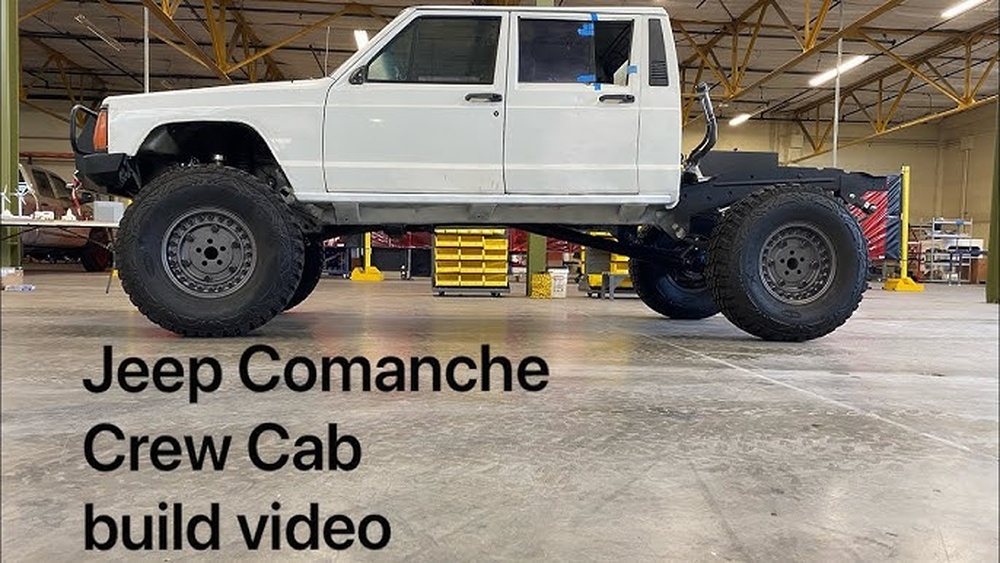
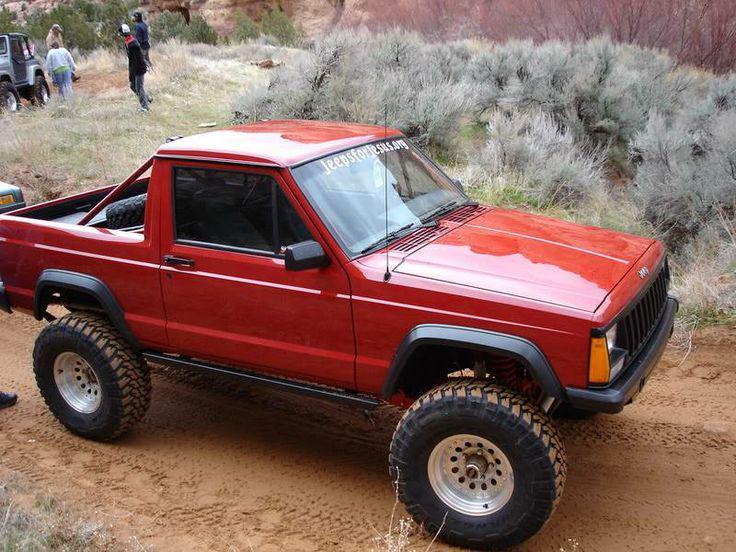
Many builders use Comanche beds or custom steel beds for durability and style. If you want more details, the Jeep Comanche Wikipedia page offers useful background on Jeep truck beds.
Comparison: Diy Vs. Professional Conversion
Here’s a quick look at the differences between doing it yourself and hiring a shop:
| Aspect | DIY Conversion | Professional Shop |
|---|---|---|
| Cost | $1,500–$4,000 | $5,000–$12,000 |
| Time | 2–6 weeks | 1–3 weeks |
| Skill Needed | High (cutting, welding, finishing) | Low (handled by experts) |
| Customization | Full control | Limited by shop options |
Choosing The Right Truck Bed
Picking the right bed is one of the biggest decisions in your conversion. Options include:
- Custom steel bed: Strong, fits your specs.
- Jeep Comanche bed: Authentic Jeep look, but may require modifications.
- Salvaged pickup bed: Cheap, but fit and finish can be tricky.
Bed Materials And Weight
The bed material affects performance, durability, and style. Here’s how common options compare:
| Material | Average Weight | Durability | Ease of Installation |
|---|---|---|---|
| Steel | 250–350 lbs | Very high | Medium |
| Aluminum | 120–200 lbs | High | Easy |
| Fiberglass | 80–150 lbs | Moderate | Easy |
Steel beds are popular for rugged use, but can reduce fuel economy. Aluminum is lighter but costs more. Fiberglass is easiest to work with but less durable.
Common Mistakes And How To Avoid Them
Many beginners make errors that affect safety and appearance. Here are some to watch for:
- Skipping structural reinforcement: Without extra bracing, the XJ can flex or crack.
- Poor weather sealing: Gaps and leaks lead to rust and mold.
- Ignoring legal requirements: Missing paperwork or inspections can make your truck conversion illegal.
- Underestimating costs: Always plan for extra materials and tools.
- Rushing the finish work: Take your time sealing, painting, and protecting exposed areas.
One overlooked detail: the rear window. Many conversions need a custom window to keep the cab dry and quiet. Some builders use glass from pickup trucks or make their own with polycarbonate.
Real-world Examples And Stats
Over the past decade, hundreds of Cherokee XJs have been converted into trucks. Online forums and YouTube channels show creative builds, from simple work trucks to show-ready customs.
According to owner surveys, most conversions take 40–80 hours of work. About 60% of DIY builders say they would do it again, but 35% report unexpected expenses or challenges.
Frequently Asked Questions
Can I Use A Jeep Comanche Bed For My Xj Truck Conversion?
Yes, but it requires modifications. The Cherokee XJ and Comanche have different frame designs.
You may need to adjust mounting points and wiring.
Is A Truck Conversion Street Legal?
It depends on your state. Most require the vehicle to pass safety inspections and update registration as a “truck” or “modified vehicle. ” Always check local laws first.
How Much Does An Xj Truck Conversion Cost?
A basic DIY conversion runs $1,500–$3,000. Professional shops charge $5,000–$12,000.
Prices rise if you add custom paint, suspension, or high-end parts.
Do I Need Welding Skills For This Project?
Yes, welding is usually needed for structural reinforcements and bed installation. If you lack experience, consider hiring a professional for these steps.
Will The Converted Xj Still Perform Well Off-road?
If you reinforce the frame and choose a light bed, the XJ remains a strong off-road vehicle. Heavier beds or poor sealing can affect performance and durability.
Converting your Jeep Cherokee XJ into a truck is a rewarding project that boosts utility and personality. With careful planning, the right parts, and attention to detail, you can create a vehicle that meets your needs and stands out wherever you go.