The Jeep Cherokee XJ is a legendary SUV. For many owners, it’s more than just a vehicle; it’s a trusty companion for adventures, daily commutes, and everything in between.
While the XJ is known for its ruggedness and off-road capabilities, one common upgrade that significantly enhances its usability and aesthetics is the addition of running boards. These accessories aren't just for looks; they offer practical benefits that can make a real difference in your driving experience.
Choosing the right running boards for your Cherokee XJ involves understanding the different types available, considering material and design, and knowing how they can improve your vehicle. Whether you’re looking to make it easier to climb into your lifted XJ, protect its lower body from road debris, or simply give it a more finished, custom look, running boards are a worthy investment.
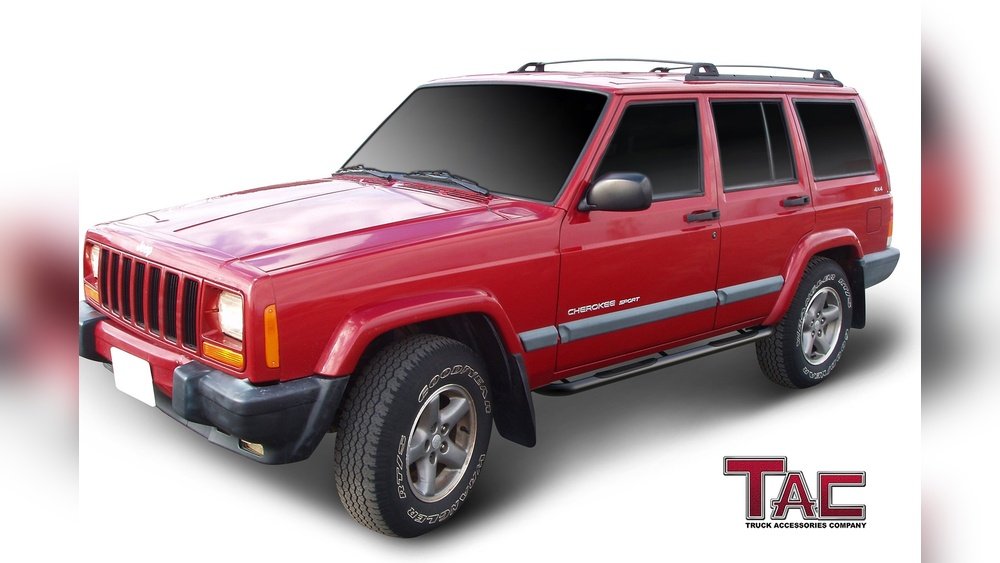
This guide will explore everything you need to know about Jeep Cherokee XJ running boards, helping you make an informed decision.
Why Add Running Boards To Your Jeep Cherokee Xj?
Running boards, sometimes called nerf bars or side steps, serve several important functions for the Jeep Cherokee XJ. They are not merely an optional accessory but can provide tangible benefits that enhance the vehicle’s practicality and longevity.
One of the most obvious advantages is improved accessibility. Many Jeep Cherokee XJ owners opt for suspension lifts to increase ground clearance for off-roading. While this is great for tackling tough terrain, it also raises the vehicle significantly, making it harder for people, especially children or shorter adults, to get in and out. Running boards provide a stable stepping surface, bridging the gap between the ground and the door sill. This makes ingress and egress much smoother and safer, reducing the risk of slips or strains.
Beyond accessibility, running boards offer protection for your vehicle’s lower body. The sides of SUVs, particularly the rocker panels and lower doors, are susceptible to damage from rocks, mud, road salt, and other debris kicked up during driving. Running boards act as a physical barrier, absorbing minor impacts and preventing more serious damage to the paint and metalwork. This protection is especially valuable for XJs used for off-roading or driven in areas with rough roads or harsh weather conditions.
Furthermore, running boards contribute to the overall aesthetic of your Jeep Cherokee XJ. They can give the vehicle a more complete, finished appearance, filling the often-empty space between the tires. Whether you choose a sleek, modern design or a more robust, off-road-inspired look, running boards can complement your XJ’s style and even enhance its perceived value. They are an excellent way to personalize your vehicle and make it stand out.
Types Of Running Boards For The Jeep Cherokee Xj
The market offers a variety of running board styles, each with its own set of features, benefits, and aesthetics. Understanding these differences will help you select the best option for your specific needs and preferences.
1. Oe-style (original Equipment) Running Boards
These running boards closely resemble the factory-installed options you might find on some SUVs. They typically feature a flat, often textured surface designed for stepping.
OE-style running boards are generally made from durable materials like aluminum or high-impact plastic, often with a black or silver finish.
Pros:
- Subtle Aesthetics: They offer a clean, integrated look that doesn’t drastically alter the vehicle’s appearance.
- Good for General Use: Provide a solid stepping surface for everyday access.
- Often Vehicle-Specific Fit: Designed to bolt directly onto factory mounting points, ensuring a precise fit.
Cons:
- Limited Off-Road Protection: Their lower profile may not offer as much protection against rugged terrain as other types.
- Can be Slippery When Wet: Some designs might lack aggressive tread, making them less grippy in wet conditions.
2. Tube Steps / Nerf Bars
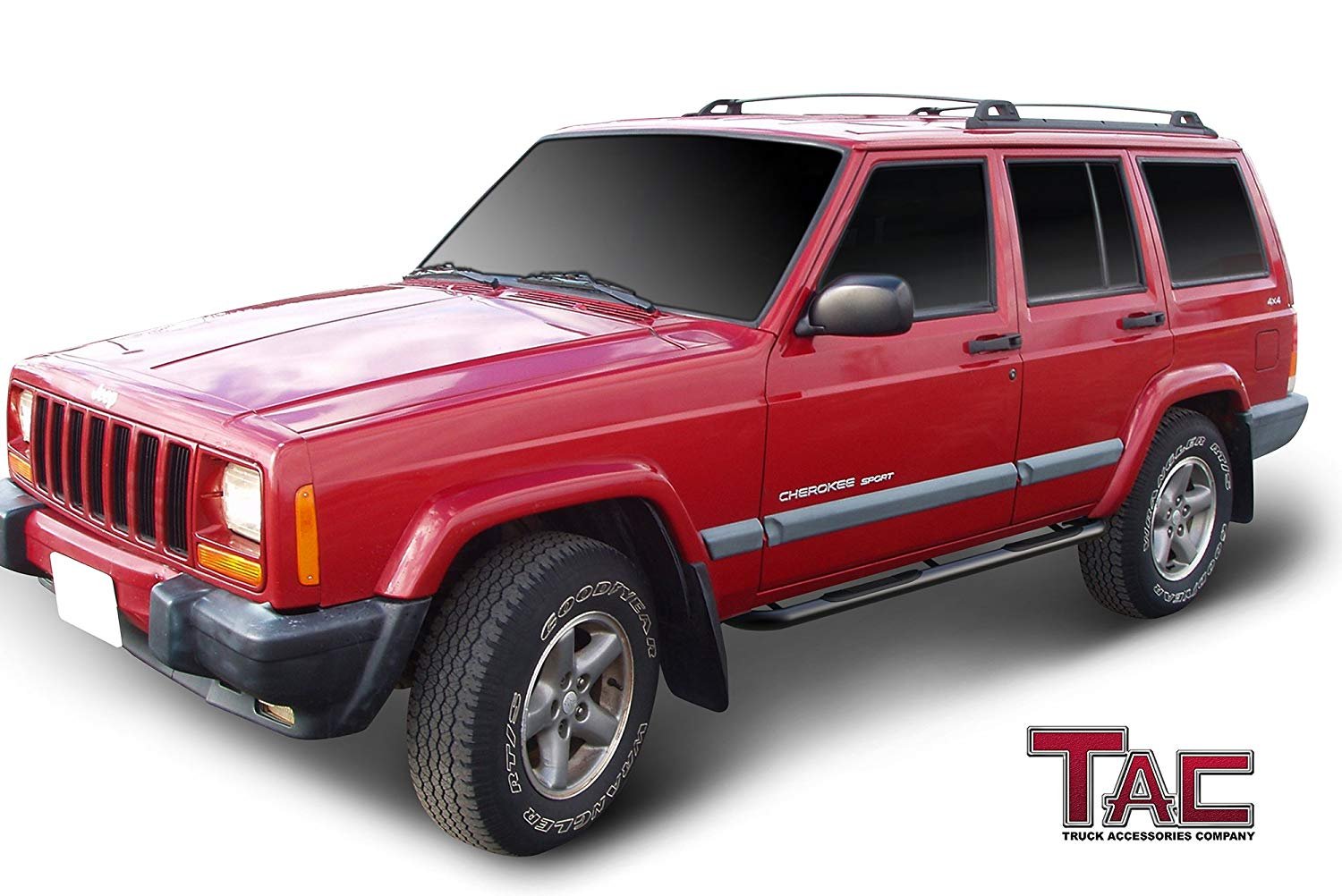
Tube steps, often referred to as nerf bars, are a popular choice for Jeep owners. They typically consist of one or more sturdy metal tubes that run along the sides of the vehicle, with integrated step pads or a single, wider step area.
These are commonly made from steel or aluminum and are available in various finishes like chrome, black powder coat, or polished stainless steel.
Pros:
- Robust Protection: The tubular design offers excellent protection against side impacts and road debris.
- Aggressive Look: They lend a more rugged, off-road-ready appearance to the XJ.
- Durable Materials: Usually constructed from strong metals built to withstand abuse.
- Good Grip: Often feature textured step pads for secure footing.
Cons:
- Can Be Bulky: Their design might appear more prominent than OE-style boards.
- Potential for Rust: Steel versions, if not properly coated, can be susceptible to rust over time, especially in harsh climates.
3. Rocker Guards / Rock Sliders
While not strictly "running boards" in the traditional sense, rocker guards and rock sliders are essential for serious off-roaders. Rocker guards are typically flat panels that mount directly to the rocker panel area, providing a protective shield.
Rock sliders are more robust, often made from thick steel tubing, and are designed to slide over obstacles like rocks, protecting the rocker panels and the vehicle's undercarriage.
Pros:
- Maximum Protection: Offer the highest level of defense against trail damage.
- Heavy-Duty Construction: Built to endure extreme off-road conditions.
- Can Double as a Step: Many designs incorporate a step area, though it might be less comfortable than dedicated running boards.
Cons:
- Very Aggressive Look: May not suit owners seeking a more subtle aesthetic.
- Weight: Can add significant weight to the vehicle.
- Cost: Generally more expensive than other types due to their heavy-duty construction.
- May Require Drilling: Some installations might necessitate drilling into the vehicle’s frame or body.
4. Power Running Boards
These are high-tech options that automatically retract when the doors are closed and deploy when a door is opened. They are designed for a sleek, integrated look when not in use and provide a convenient step when needed.
Pros:
- Automatic Operation: Offer unparalleled convenience and a clean look.
- Modern Aesthetics: Enhance the vehicle’s appearance with advanced technology.
- Good Step Height: Often position the step at an optimal height.
Cons:
- Complexity and Cost: Significantly more expensive and complex to install.
- Potential for Failure: Electronic components can be susceptible to damage from mud, water, or impact, especially in off-road scenarios.
- Power Dependency: Require a power source and can be rendered inoperable if the electrical system has issues.

Materials And Finishes: What To Look For
The material and finish of your running boards play a crucial role in their durability, appearance, and maintenance requirements. For the Jeep Cherokee XJ, especially given its adventurous nature, selecting the right materials is key.
Common Materials
- Aluminum: A popular choice due to its lightweight nature and resistance to corrosion. Aluminum running boards are often found in OE-style and some tube step designs. They can be polished to a mirror finish or powder-coated for added durability and color options.
- Steel: Known for its strength and rigidity, steel is commonly used for tube steps and rock sliders. It offers excellent protection but can be heavier than aluminum. Steel running boards are often coated with chrome plating, black powder coating, or stainless steel to prevent rust and enhance appearance.
- High-Impact Plastic (ABS): Often used for OE-style running boards, ABS plastic is durable, UV-resistant, and lightweight. It’s a cost-effective option that can mimic the look of metal. However, it may not offer the same level of impact protection as metal options.
Popular Finishes
- Powder Coating: This is a common and durable finish applied to metal running boards. It creates a tough, attractive layer that is resistant to chipping, scratching, and fading. Black powder coating is particularly popular for off-road vehicles, offering a rugged look and good protection.
- Chrome Plating: Provides a bright, mirror-like finish that can enhance the vehicle’s appearance. Chrome is durable but can be susceptible to pitting and corrosion in areas with heavy salt exposure or if the plating is damaged.
- Polished Stainless Steel: Offers a bright, corrosion-resistant finish that is often more durable and less prone to chipping than chrome. It provides a premium look and excellent longevity, making it a great choice for areas with harsh weather.
- Textured Black: Many running boards feature a textured finish, often in black. This finish provides excellent grip for stepping and hides minor scratches or scuffs better than smooth finishes.
Installation: Diy Vs. Professional
Installing running boards on a Jeep Cherokee XJ can range from a simple bolt-on process to a more involved modification. Understanding the installation requirements will help you decide whether to tackle it yourself or hire a professional.
Diy Installation
Many running board kits are designed for DIY installation. They often come with all the necessary hardware and instructions. The process typically involves:
- Identifying Mounting Points: Most kits utilize existing holes in the vehicle’s frame or pinch weld. Some may require drilling new holes.
- Attaching Brackets: Brackets are bolted to the vehicle’s frame or body.
- Mounting the Running Board: The running board or step is then attached to the installed brackets.
Pro Tip: Before starting, thoroughly clean the mounting areas. Ensure you have the correct tools, such as socket wrenches, a torque wrench, and possibly a drill if required. Always follow the manufacturer’s specific instructions, as they can vary significantly between brands and types of running boards. Taking your time and double-checking bolts for tightness is crucial for safety.
Professional Installation
If you’re not comfortable with mechanical work, or if the running boards require more complex installation (like drilling into the body or frame, or wiring for power boards), professional installation is recommended. Auto accessory shops, custom off-road shops, or even some dealerships can handle this.
Benefits of Professional Installation:
- Expertise: Technicians have the experience and tools to ensure a correct and safe installation.
- Time-Saving: Frees up your time and avoids potential installation frustrations.
- Warranty: Many shops offer a warranty on their labor, providing peace of mind.
Cost: Professional installation typically costs between $100 and $300, depending on the complexity of the job and your location.
Factors To Consider When Choosing Jeep Cherokee Xj Running Boards
Selecting the right running boards involves more than just picking a style you like. Several practical factors should influence your decision to ensure you get a product that meets your needs and fits your XJ perfectly.
1. Vehicle Lift And Tire Size
If your Jeep Cherokee XJ has a suspension lift or larger tires, this significantly impacts the ideal running board choice. A lifted XJ will have a higher step-up height, making running boards almost essential for comfortable access. For lifted vehicles, consider running boards with a lower profile or those that extend further out from the vehicle to provide a wider, more stable stepping surface. Tube steps and some heavier-duty OE-style boards often work well. Rock sliders are also a good option if you frequently go off-road.
2. Intended Use: Daily Driver Vs. Off-roader
Your primary use for the XJ should guide your choice.
- Daily Driver: If your XJ is mostly used for commuting and errands, OE-style running boards or sleek tube steps might be the best fit. They offer improved accessibility and a clean look without being overly aggressive.
- Off-Roader: For those who frequently take their XJ off the beaten path, heavy-duty tube steps or rock sliders are highly recommended. These provide crucial protection against trail hazards like rocks, logs, and debris, while still offering a step. Consider materials like steel with a durable powder-coat finish.
3. Material Durability And Weather Resistance
Consider the climate you live in and the conditions your XJ is exposed to.
- Corrosion Resistance: If you live in an area with snow, salt, or high humidity, choose materials that resist rust and corrosion. Polished stainless steel and aluminum are excellent choices. If opting for steel, ensure it has a high-quality powder-coat or chrome finish that is well-maintained.
- UV Resistance: For plastic components, ensure they are UV-resistant to prevent cracking or fading from sun exposure.
4. Weight Capacity
Running boards are designed to support a certain amount of weight. Check the weight rating specified by the manufacturer. Most quality running boards can support at least 300-500 pounds, which is more than adequate for most users. However, if you anticipate heavier use or need to support multiple people at once, opt for boards with a higher weight capacity, often found in heavy-duty steel or rock slider designs.
5. Ease Of Installation And Mounting System
As discussed earlier, installation difficulty varies. If you plan a DIY installation, look for kits that use factory mounting points and require minimal or no drilling. This will make the process much simpler and faster. Always check product reviews or descriptions for details on the mounting system.
6. Aesthetics And Style
While practicality is important, the look of your running boards also matters.
- Color and Finish: Black, chrome, polished stainless steel, and textured finishes are common. Choose one that complements your XJ’s paint color and overall style.
- Design: Do you prefer a low-profile, integrated look, or a more prominent, rugged appearance? Tube steps can be single or double tubes, and OE-style boards can vary in width and tread pattern.
Popular Running Board Brands For Jeep Cherokee Xj
Several reputable brands offer running boards specifically designed or compatible with the Jeep Cherokee XJ. Researching these brands can help you find quality products.
Here are a few well-regarded brands in the aftermarket automotive accessory market:
- Westin: Known for a wide range of products, including OE-style, tube steps (like the Thrasher and Safari Bar), and premier series. They offer various finishes and materials, often focusing on durability and vehicle-specific fit.
- N-Fab: Specializes in rugged, off-road-inspired steps and bars. Their Predator Pro and RKR Rock Rails are popular for Jeeps, offering excellent protection and a distinct look. They often use heavy-gauge steel and durable coatings.
- Smittybilt: A very popular brand among Jeep enthusiasts, Smittybilt offers robust rock rails, nerf steps, and drop steps. Their products are known for their strength and aggressive styling, designed for off-road performance.
- Go Rhino: