The Jeep Cherokee XJ is a legendary off-road vehicle. Many owners want to make their XJs look and perform better.
One popular modification is installing prerunner fenders. These are not just for looks; they offer real benefits for off-roading.
This guide will cover everything you need to know about Jeep Cherokee XJ prerunner fenders. We'll look at why people use them, what types are available, how to install them, and what to consider before buying.
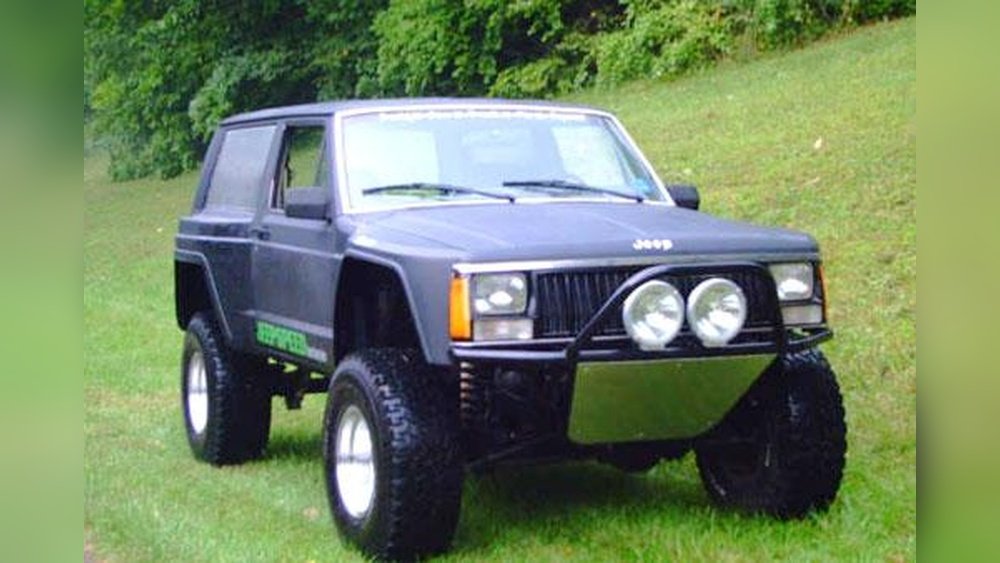
Why Choose Prerunner Fenders For Your Jeep Cherokee Xj?
Prerunner fenders are designed to give your Jeep a more aggressive, off-road-ready look. But their purpose goes beyond just aesthetics.
They are functional modifications that can improve your Jeep's performance in certain off-road situations.
Enhanced Tire Clearance
One of the biggest advantages of prerunner fenders is the increased tire clearance. Standard fenders can limit the size of tires you can fit on your Jeep. When you go off-roading, especially on challenging trails, larger tires are often necessary. They provide better traction, can roll over obstacles more easily, and offer a smoother ride over rough terrain. Prerunner fenders are typically wider and have a different shape than stock fenders. This design allows for larger tires to be mounted without rubbing against the fender, especially during suspension articulation (when the suspension moves up and down over bumps). This improved clearance is crucial for preventing tire damage and allowing your Jeep to tackle more difficult terrain.
Improved Suspension Articulation
When you're off-roading, your suspension needs to work hard. It needs to flex and move to keep your tires on the ground as much as possible, giving you maximum traction.
Stock fenders can often restrict this movement, especially if you've upgraded to a suspension lift.
Prerunner fenders, by being wider and often cut higher, allow your suspension to articulate more freely. This means your Jeep can handle uneven surfaces better, maintain better contact with the ground, and reduce the risk of getting stuck.
This is particularly important for rock crawling or traversing deeply rutted trails.
Protection From Trail Debris
Off-roading means encountering mud, rocks, sand, and other debris. These can get thrown up by your tires and damage your Jeep's body panels, paint, or even vital components.
Prerunner fenders, especially those made from durable materials like fiberglass or steel, offer better protection.
Their wider stance means they can help deflect more of this debris away from your vehicle. Some prerunner fender designs also include integrated mud flaps or extensions, further enhancing their protective capabilities.
This protection is vital for maintaining your Jeep's appearance and preventing costly repairs down the line.
Aggressive Off-road Aesthetics
Let’s be honest, a big part of the appeal of prerunner fenders is their aggressive look. They give the Jeep Cherokee XJ a wider, more muscular stance. This style is inspired by desert racing vehicles, often called “prerunners,” which are built for high-speed off-road driving. The wider fenders, combined with larger tires, create a commanding presence that clearly signals the vehicle’s off-road intentions. For many XJ owners, this visual upgrade is just as important as the functional benefits. It’s a way to personalize their Jeep and make it stand out from the crowd.
Types Of Jeep Cherokee Xj Prerunner Fenders
When looking for prerunner fenders for your XJ, you'll find a few main types. Each has its own pros and cons regarding material, design, and installation.
Understanding these differences will help you choose the best option for your needs and budget.
Fiberglass Fenders
Fiberglass fenders are a very popular choice for many off-road enthusiasts. They are typically made by hand, which can lead to some variations in fit and finish, but they are also lightweight and can be shaped into aggressive designs.
- Pros:
- Lightweight: Fiberglass is significantly lighter than steel, which can help with overall vehicle weight, potentially improving fuel economy and handling.
- Customizable: Fiberglass can be easily cut, trimmed, and modified if needed. It also takes paint well, allowing for a custom color match.
- Cost-Effective: Generally, fiberglass fenders are more affordable than their steel counterparts.
- Aggressive Styling: Many aftermarket fiberglass fenders offer the classic prerunner look with wide flares and cut-out designs.
- Cons:
- Durability: Fiberglass can be brittle and may crack or shatter upon heavy impact with rocks or branches. It’s not as resistant to dents as steel.
- Fitment Issues: Due to the hand-made nature, some fiberglass fenders might require more fitting and adjustment during installation to ensure a perfect alignment.
- Repair: While repairable, fixing cracks in fiberglass can sometimes be more involved than repairing a dent in steel.
Steel Fenders
For those who prioritize maximum durability and a robust build, steel fenders are an excellent option. These are often heavier than fiberglass but can withstand more abuse on the trail.
- Pros:
- Extreme Durability: Steel fenders are very strong and can resist impacts from rocks, branches, and other trail hazards much better than fiberglass. They are less likely to crack.
- Resistant to Dents: While they can be dented, steel fenders are generally more resistant to minor impacts compared to fiberglass.
- Classic Look: Many steel fenders offer a clean, strong look that complements the rugged nature of the Jeep Cherokee XJ.
- Cons:
- Weight: Steel is considerably heavier than fiberglass, which can add significant weight to your Jeep. This might affect fuel economy and suspension performance.
- Cost: Steel fenders are often more expensive than fiberglass options due to material costs and manufacturing processes.
- Rust Potential: Like any steel component, if the protective coating is scratched or damaged, steel fenders can be susceptible to rust over time, especially in harsh environments.
- Modification Difficulty: Cutting or modifying steel fenders requires more specialized tools and effort compared to fiberglass.
Hybrid Or Reinforced Fenders
Some manufacturers offer fenders that combine materials or add reinforcement to improve durability. These might be fiberglass fenders with added internal bracing or steel fenders with specific designs to reduce weight while maintaining strength.
These options can offer a good balance between the benefits of different materials.
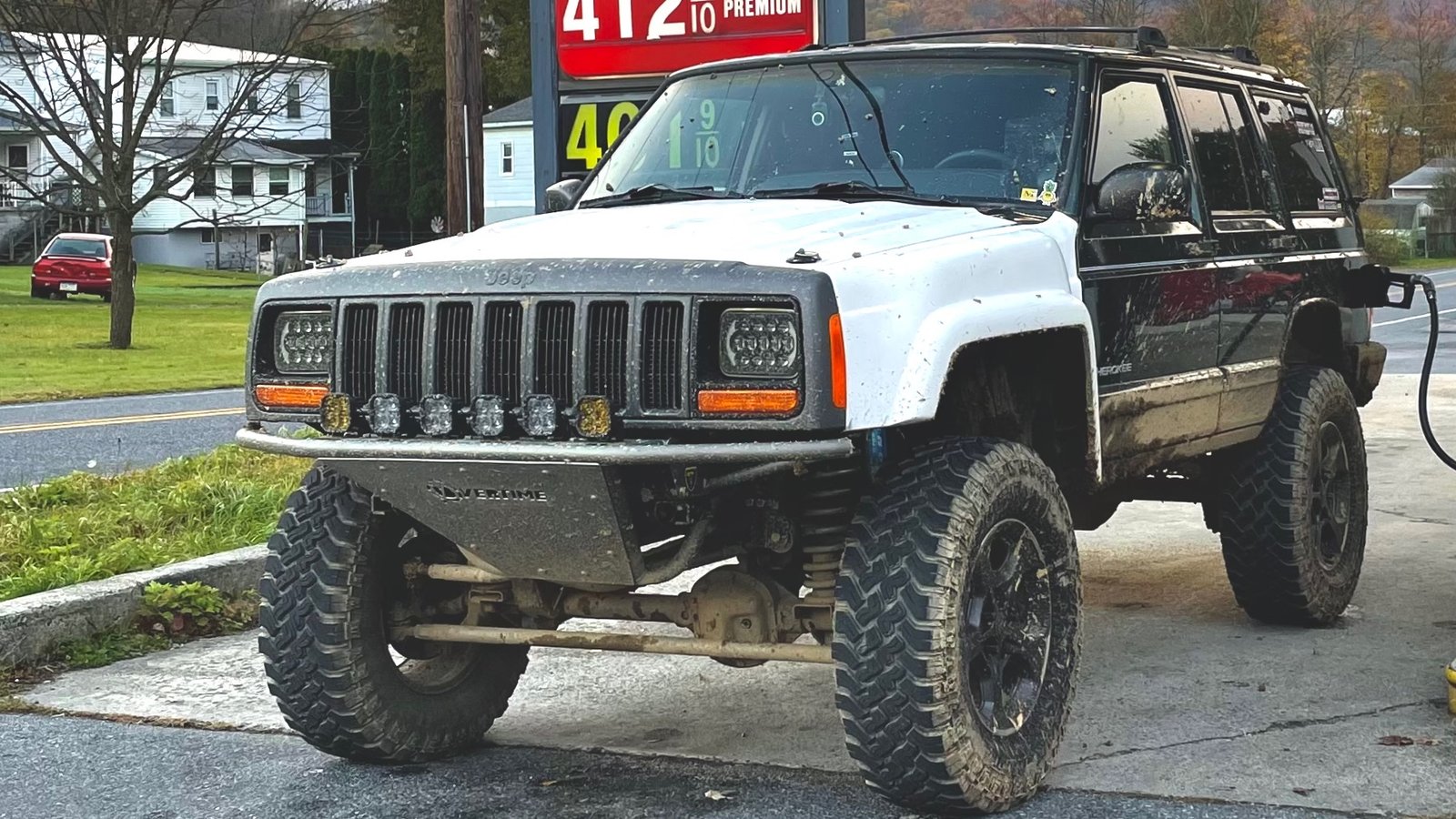
Installation Process For Xj Prerunner Fenders
Installing prerunner fenders on your Jeep Cherokee XJ can be a rewarding DIY project, but it requires patience, the right tools, and attention to detail. The exact process can vary depending on the brand and material of the fenders you choose, but here’s a general overview.
Preparation And Removal Of Stock Fenders
- Gather Tools: You’ll likely need a socket set, wrenches, screwdrivers, a drill, metal cutting tools (like a reciprocating saw or angle grinder if you need to trim the body), a marker, measuring tape, and safety gear (gloves, eye protection).
- Remove Stock Fenders: Carefully remove the original fender flares and any inner fender liners. These are usually held in place by clips, bolts, and screws. Keep track of all fasteners, as some might be reusable.
- Clean the Area: Once the stock fenders are off, clean the mounting area thoroughly. Remove any dirt, rust, or debris. This ensures a good surface for installing the new fenders.
- Test Fit: Before making any permanent modifications, hold the new prerunner fenders in place to check their fit. Identify any areas that might need trimming or adjustment.
Cutting And Trimming (if Necessary)
Many prerunner fender kits are designed to work with stock body panels, but some might require minor trimming of the Jeep’s actual body to achieve the desired fit and clearance.
- Marking: Use a marker to carefully outline where you need to cut. Measure twice, cut once. Ensure the cuts are straight and symmetrical on both sides of the vehicle.
- Cutting: Use appropriate tools for cutting. For metal, an angle grinder or reciprocating saw works well. For fiberglass, a jigsaw with a suitable blade is effective. Always wear safety glasses and gloves during cutting.
- Deburring and Sealing: After cutting, smooth any sharp edges with a file or sandpaper. It’s also a good idea to apply a rust inhibitor or paint to any exposed metal edges to prevent corrosion.
Mounting The New Fenders
The mounting process will depend heavily on the specific fender kit. Some bolt directly to existing holes, while others might require drilling new holes or using special brackets.
- Align and Secure: Position the new fender carefully. If your kit comes with mounting hardware, follow the manufacturer’s instructions for placement and securing the fender. Start with a few bolts loosely to allow for adjustments.
- Drilling Holes: If new holes need to be drilled, ensure you are drilling into solid metal and that the placement will provide a secure mount. Use the fender as a template for marking hole locations.
- Tighten Hardware: Once the fender is properly aligned and all holes are drilled, tighten all bolts and fasteners securely. Do not overtighten, as this can strip threads or crack fiberglass.
- Install Inner Liners (Optional): Some prerunner fender kits come with or are designed to work with aftermarket inner fender liners. These help keep mud and debris out of the engine bay and protect components. Install these according to the manufacturer’s instructions.
Final Checks And Adjustments
- Check for Clearance: With the fenders installed, cycle the suspension (if possible) or turn the steering wheel fully lock-to-lock to ensure there is no rubbing between the tires and the new fenders, especially at full compression or articulation.
- Inspect Fitment: Look for any gaps or misalignments. Make minor adjustments if necessary.
- Paint and Finish: If you chose unpainted fenders, now is the time for painting. Clean the surface thoroughly, apply primer, paint, and clear coat for a finished look.
Pro Tip: Always refer to the specific installation instructions provided by the fender manufacturer. They will have the most accurate details for their product. If you are unsure about any step, especially cutting, it’s better to seek help from an experienced friend or a professional mechanic.
Choosing The Right Prerunner Fenders: Key Considerations
Selecting the right prerunner fenders for your Jeep Cherokee XJ involves more than just picking the ones that look the best. You need to consider how they will perform, how they will fit with other modifications you might have, and how much work you’re willing to put into installation.
Material: Fiberglass Vs. Steel
As discussed earlier, the choice between fiberglass and steel is a significant one.
- Fiberglass is lighter, often more affordable, and easier to modify but less durable against impacts. It’s a good choice if your off-roading is more about trail riding and less about heavy rock crawling or if you’re on a tighter budget.
- Steel offers superior strength and durability, making it ideal for extreme off-roading. However, it’s heavier and more expensive. If you frequently encounter harsh terrain, steel might be the better investment for long-term protection.
Width And Flare Style
Prerunner fenders come in various widths. The width determines how much extra tire clearance you gain and how aggressive the stance of your Jeep will be.
- Narrower Fenders: Offer a subtle increase in clearance and a less dramatic visual change. They might be suitable if you’re only planning a modest tire upgrade or want to maintain a more factory-like appearance with added function.
- Wider Fenders: Provide maximum tire clearance and a much more pronounced prerunner look. These are ideal for large tire setups (33 inches and up) and aggressive off-roading where maximum articulation is needed. Be aware that wider fenders might require modifications to your front bumper or other body components to look cohesive.
Consider the style of the flare. Some are smooth and rounded, while others have sharper, more angular designs. This is purely an aesthetic choice, but it can significantly impact the overall look of your XJ.
Compatibility With Existing Modifications
Before purchasing, think about what other modifications you have or plan to make on your Jeep.
- Suspension Lift: If you have a suspension lift, you likely already have larger tires. Ensure the fenders you choose can accommodate your current or planned tire size and offer sufficient clearance for suspension travel.
- Bumpers: Wide prerunner fenders might not integrate seamlessly with stock bumpers. You might need to consider aftermarket front and rear bumpers that complement the wider fender design. Some fender kits are designed to work with specific bumper styles.
- Body Lift: If your XJ has a body lift, this can affect how fenders mount and align. Check compatibility with the fender manufacturer.
Installation Complexity And Tools
Be realistic about your mechanical skills and the tools you have available.
- Bolt-on vs. Cutting: Some fender kits are designed as simple bolt-on replacements, requiring minimal modification. Others might necessitate cutting your Jeep’s fenders or even the body panels. If you’re not comfortable with cutting metal, opt for a kit that minimizes this requirement.
- Hardware Included: Check if the kit comes with all necessary mounting hardware. Sometimes, you might need to source additional bolts, nuts, or brackets.
Legal Requirements And Local Regulations
In some areas, there are regulations regarding tire coverage. Wider fenders are often necessary to ensure your tires are adequately covered by the fender flares, which can be a legal requirement to pass inspections or avoid tickets.
Check your local laws to ensure your chosen fenders meet these standards.
Budget
Prerunner fenders can range in price significantly based on material, brand, and design. Fiberglass options are generally the most budget-friendly, while high-end steel fenders can be a substantial investment.
Factor in the cost of potential additional modifications like bumpers or paint if you're not buying pre-painted parts.
Customizing And Enhancing Your Prerunner Fenders
Once you’ve chosen and installed your prerunner fenders, there are several ways to customize them further to match your Jeep’s style and enhance their functionality. This is where you can really make your XJ unique.
Paint And Finish Options
The most common customization is paint. Whether you’ve chosen raw fiberglass or steel, painting them to match your Jeep’s body color can create a seamless, factory-like look.
- Color Matching: For a professional finish, have the fenders painted by a professional auto body shop. They can perfectly match your Jeep’s paint code.
- Matte Black or Textured Finish: Many owners prefer a matte black or textured finish, which is durable and hides trail scratches well. This can give a rugged, utilitarian look.
- Custom Graphics: For a more personalized touch, consider adding custom vinyl graphics or decals to your fenders. This could be anything from racing stripes to logos or unique designs.
Adding Led Lighting
Some prerunner fender designs offer integrated mounting points for auxiliary lighting, such as LED light bars or cube lights.
- Fender-Mounted Lights: Small LED pods



















