The Jeep Cherokee XJ is a legendary SUV, known for its ruggedness and capability. For many owners, keeping the climate control system in top shape is a priority, and at the heart of this system lies the heater core.
This small but vital component is responsible for providing warmth during cold weather, making your XJ comfortable even on the chilliest days. However, like any part, the heater core can wear out or fail, leading to a range of uncomfortable symptoms.
Understanding how the heater core works, common problems it faces, and how to address them is crucial for any XJ owner who wants to maintain their vehicle's comfort and functionality.
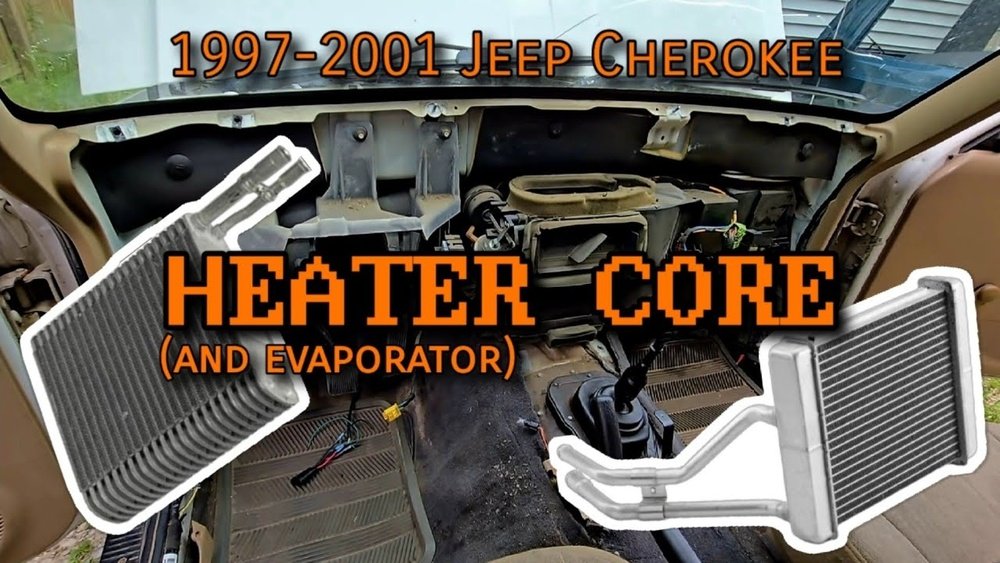
This guide will walk you through everything you need to know about the Jeep Cherokee XJ heater core, from its function to diagnosis and replacement.
Understanding The Jeep Cherokee Xj Heater Core
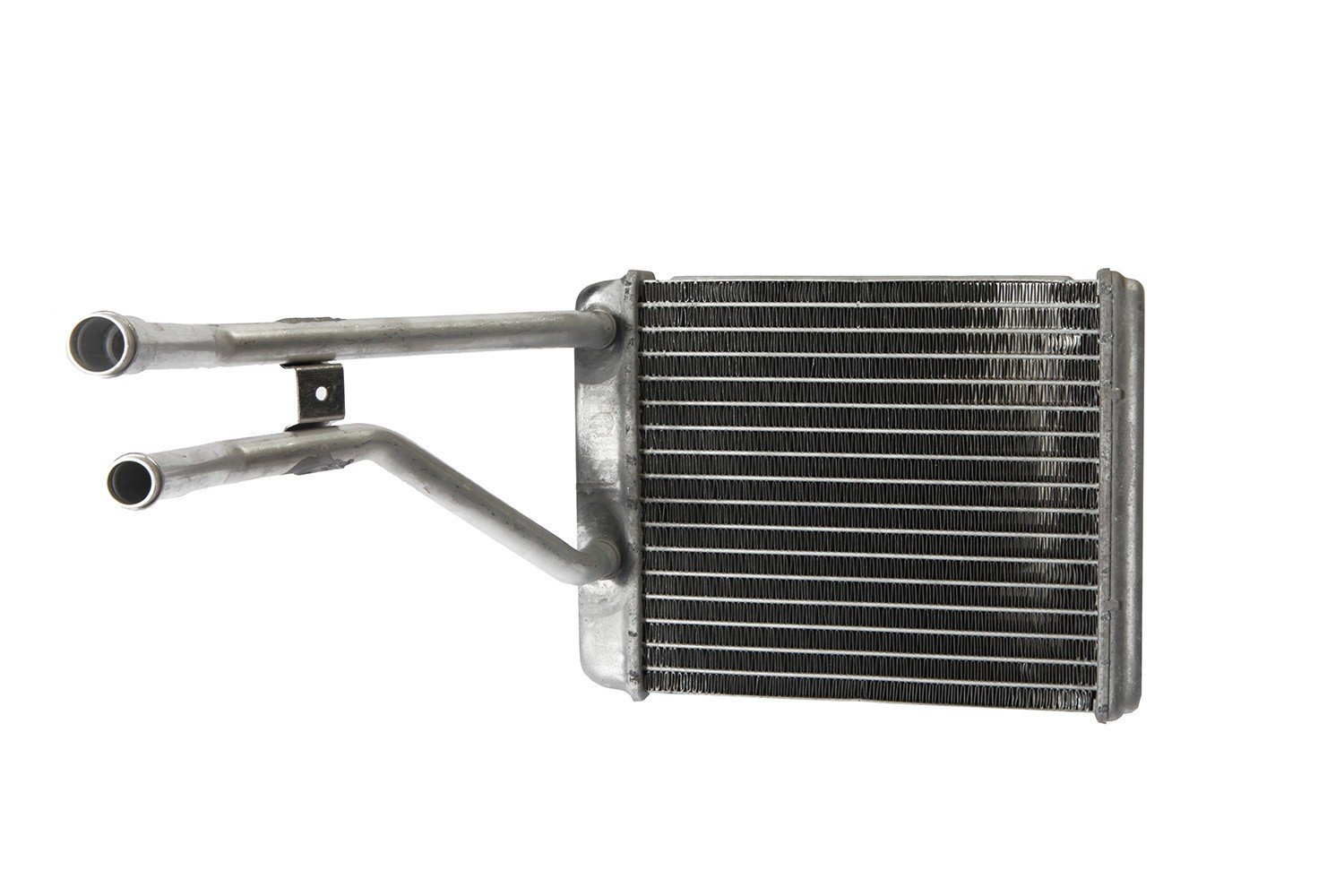
The heater core in your Jeep Cherokee XJ functions much like a miniature radiator, but instead of cooling the engine, it heats the cabin. It’s a complex but elegant system that relies on the vehicle’s engine coolant to do its job.
How The Heater Core Works
- Engine Coolant Circulation: When your engine is running, it generates a lot of heat. The engine coolant (a mixture of antifreeze and water) circulates through the engine block to absorb this heat.
- Heater Control Valve: A portion of this hot coolant is then directed towards the heater core. On most XJ models, a heater control valve manages the flow of coolant to the heater core. When you turn your heat up, this valve opens, allowing hot coolant to enter the heater core. When you turn the heat off or set it to cold, the valve closes, preventing hot coolant from flowing through.
- Heat Exchange: The heater core itself is a compact radiator, typically made of aluminum or brass with small fins. Hot coolant flows through its internal passages.
- Blower Motor Action: At the same time, the vehicle’s blower motor (the fan that pushes air through your vents) draws outside air (or recirculated cabin air) and forces it across the fins of the hot heater core.
- Warm Air Delivery: As the air passes over the hot fins, it absorbs heat from the coolant. This warmed air is then directed through your dashboard vents into the cabin, providing heat.
The entire process is a continuous loop. Hot coolant from the engine is used to transfer heat to the air that enters your cabin, making your drive comfortable.
The efficiency of this system depends on several factors, including the condition of the coolant, the heater control valve, and the heater core itself.
Location Of The Heater Core
The heater core in a Jeep Cherokee XJ is typically located behind the dashboard, on the passenger side, within the HVAC (Heating, Ventilation, and Air Conditioning) or heater box assembly. This location makes it somewhat difficult to access, which is why heater core replacement is often considered a labor-intensive job. To reach it, you usually have to remove significant portions of the dashboard, steering column, and other interior components.
Key Components Of The Heating System
Beyond the heater core itself, several other parts work together to ensure you get warm air:
- Heater Control Valve: As mentioned, this valve regulates coolant flow to the heater core. If it malfunctions, you might get no heat or constantly hot air.
- Blower Motor: This fan is responsible for moving air through the HVAC system and across the heater core. A failing blower motor will result in weak or no airflow from the vents.
- Hoses: Rubber hoses connect the engine’s cooling system to the heater core. These can degrade over time, leading to leaks.
- Thermostat: While not directly part of the heater core, the engine’s thermostat regulates engine temperature. If it’s stuck open, the engine may not reach operating temperature, resulting in no heat, even if the heater core is fine.
- Coolant: The quality and level of your engine coolant are paramount. Old, degraded coolant is less efficient at transferring heat. Low coolant levels mean less coolant can reach the heater core.
Common Jeep Cherokee Xj Heater Core Problems And Symptoms
When a heater core starts to fail, it usually shows itself through a few tell-tale signs. Recognizing these symptoms early can save you from a much larger headache down the road.
No Heat Or Insufficient Heat
This is perhaps the most common symptom. If you turn your heat on and get only cool or lukewarm air, it points to a problem with the heating system. This can be caused by:
- Clogged Heater Core: Over time, sediment, rust, and debris can build up inside the heater core, restricting coolant flow. This blockage prevents enough hot coolant from reaching the core, leading to poor heat output.
- Faulty Heater Control Valve: If the valve is stuck closed or not opening fully, hot coolant won’t reach the heater core.
- Low Coolant Level: If your cooling system is low on coolant, there simply isn’t enough fluid to circulate through the heater core and provide heat.
- Thermostat Issues: An engine thermostat stuck in the open position will prevent the engine from reaching its optimal operating temperature, meaning the coolant won’t get hot enough to produce sufficient cabin heat.
Sweet Smell Or Foggy Windows
A distinctive sweet smell inside the cabin, especially when the heat is on, is a strong indicator of a leaking heater core. The smell comes from the ethylene glycol in the coolant evaporating as it leaks. You might also notice a foggy or greasy film on the inside of your windshield and windows. This is the coolant misting onto the glass. If you see this, it’s a critical sign that your heater core needs immediate attention to prevent further damage and safety hazards.
Coolant Leaks In The Cabin
A leaking heater core will deposit coolant onto the passenger side floorboard. You might find a wet carpet, or even puddles of coolant. This is a direct sign that the heater core has failed and is allowing coolant to escape into the cabin. This is not only messy but can also lead to corrosion and damage to the vehicle’s interior and electrical components.
Overheating Engine (less Common But Possible)
While less common, a severely clogged heater core can sometimes contribute to engine overheating. If the heater core is completely blocked, it can impede the overall flow of coolant through the system, potentially leading to higher engine temperatures.
However, this is usually a secondary symptom, with the primary issue being the lack of cabin heat.
Loss Of Engine Coolant
If you are constantly adding coolant to your Jeep Cherokee XJ without any visible leaks from the engine bay or radiator, the heater core is a prime suspect for the coolant loss. The leak might be internal to the HVAC system, making it hard to spot without removing components.

Diagnosing A Faulty Heater Core
Before assuming the worst and scheduling a replacement, it’s important to properly diagnose the problem. Sometimes, the issue might be simpler and cheaper to fix than a full heater core replacement.
Checking Coolant Levels And Condition
This is the first and easiest step.
- Check the Coolant Reservoir: Ensure the coolant level is between the “MIN” and “MAX” lines when the engine is cold.
- Inspect Coolant Condition: Look at the coolant. Is it clean and brightly colored (usually green, orange, or pink depending on the type)? Or is it rusty, murky, or oily? Dirty coolant suggests a problem within the cooling system, possibly contributing to heater core clogs.
- Top Off if Necessary: If the level is low, add the correct type of coolant mixture.
Testing The Heater Control Valve
The heater control valve is a common failure point and is much easier to replace than the heater core.
- Locate the Valve: It’s usually found on the firewall on the passenger side, where the heater hoses enter the cabin.
- Check for Vacuum/Electrical Signal: On some XJs, the valve is vacuum-operated or electrically controlled by the HVAC system. Check if it’s receiving the correct signal to open.
- Feel the Hoses: With the engine warm and the heat turned to max, feel the two hoses going into the heater control valve and the two hoses going into the heater core. One hose entering the heater core should be hot, and the other should be cooler (but still warm). If both are cold or lukewarm, it suggests a blockage or valve issue. If only one is warm, the valve might not be opening.
Inspecting Heater Hoses
Check the rubber hoses that run from the engine bay to the firewall for the heater core.
- Look for Cracks and Swelling: Squeeze the hoses. Are they brittle, cracked, or excessively soft and swollen?
- Check for Leaks: Look for any signs of coolant leaks around the hose connections at the engine and firewall.
Pressure Testing The Cooling System
A pressure test can reveal leaks that might not be immediately visible. A mechanic can use a specialized tool to pressurize the cooling system and pinpoint leaks, including potential hairline cracks in the heater core that might only show up under pressure.
Using A Boroscope
In some cases, a mechanic might use a flexible borescope to look inside the heater hoses for signs of blockages or to get a visual on the heater core inlet/outlet if accessible.
Assessing Interior Wetness And Smells
If you suspect a leak, carefully inspect the passenger side footwell for dampness or the presence of coolant. The sweet smell is also a strong diagnostic clue.
Replacing The Jeep Cherokee Xj Heater Core
Replacing the heater core in a Jeep Cherokee XJ is a significant undertaking. It requires patience, the right tools, and a good understanding of automotive disassembly.
Difficulty Level And Time Commitment
This job is generally considered difficult and time-consuming. For a DIYer, it can easily take 10-20 hours, depending on experience and any unforeseen issues. Many people opt to have a professional mechanic perform this repair due to the complexity and the risk of damaging other components.
Tools And Materials Needed
- Basic Hand Tools: Socket set (metric and standard), wrenches, screwdrivers, pliers.
- Specialty Tools: Trim panel removal tools, possibly a torque wrench, a drain pan for coolant, a system flush kit, a vacuum bleeder for the cooling system.
- Replacement Parts:
- New Heater Core (ensure it’s the correct part for your specific XJ model year).
- New Heater Control Valve (highly recommended to replace this at the same time).
- New Heater Hoses (also good practice to replace if they show any wear).
- New Coolant (correct type and mixture).
- Shop towels or rags.
- Gloves and eye protection.
- Possibly new dashboard clips or fasteners if old ones break.
Step-by-step Replacement Process (simplified Overview)
Warning: This is a simplified overview. Always consult a detailed service manual specific to your Jeep Cherokee XJ model year for precise instructions and torque specifications.
- Safety First: Disconnect the negative battery terminal.
- Drain Coolant: Place a drain pan under the radiator and drain the engine coolant. Dispose of it properly.
- Remove Dashboard Components: This is the most involved part. You’ll need to remove:
- Steering column covers and potentially the steering column itself.
- Center console components.
- Glove box.
- Instrument cluster bezel and cluster.
- Radio and HVAC controls.
- Passenger-side airbag assembly (if applicable, exercise extreme caution).
- Various trim panels and brackets.
- The entire HVAC/heater box assembly may need to be partially or fully removed from under the dash.
- Access the Heater Core: Once the HVAC box is accessible, you will typically need to unbolt and separate sections of the box to expose the heater core.
- Disconnect Heater Hoses: Locate the heater hoses connected to the firewall and disconnect them from the heater core pipes. Be prepared for residual coolant to spill.
- Remove Old Heater Core: Unbolt and carefully remove the old heater core from the HVAC housing.
- Install New Heater Core: Place the new heater core into position, ensuring it’s seated correctly.
- Reassemble HVAC Box: Reassemble the HVAC housing, ensuring all seals are properly in place.
- Reconnect Heater Hoses: Connect the new heater hoses to the new heater core.
- Reinstall Dashboard Components: Carefully reassemble all the dashboard components in reverse order of removal. Ensure all electrical connectors are reconnected and all screws/bolts are tightened.
- Refill and Bleed Cooling System: Refill the cooling system with the correct coolant mixture. Bleeding the system is crucial to remove air pockets. This can often be done by running the engine with the radiator cap off (or bleed screw open, if equipped) until the thermostat opens and the air escapes. A vacuum bleeder is highly recommended for XJs.
- Test the System: Start the engine and check for leaks. Turn on the heater and verify that you are getting hot air. Check that the defroster works correctly.
Pro Tips For Replacement
- Replace Heater Control Valve: Always replace the heater control valve and heater hoses if they show any signs of age or wear. It’s much easier to do this while everything is already disassembled.
- Organize Bolts and Clips: Use a magnetic parts tray or label bags to keep track of all the screws, bolts, and clips you remove. This will save you immense frustration during reassembly.
- Take Pictures: Before and during disassembly, take plenty of photos. These can serve as invaluable references when you’re putting everything back together.
- Consult a Service Manual: A factory service manual or a reputable aftermarket manual (like Haynes or Chilton) for your specific XJ year is essential. It will provide detailed diagrams and instructions.
- Consider a Flush: Before installing the new heater core, consider flushing the entire cooling system to remove any remaining debris that could clog the new core.
Maintaining Your Jeep Cherokee Xj’s Heating System
Preventative maintenance is key to avoiding costly repairs like heater core replacement. A little effort can go a long way in keeping your XJ’s heating system functioning optimally.
Regular Coolant Checks
- Frequency: Check your coolant level at least once a month and before any long trips.
- Condition: Periodically inspect the coolant for signs of contamination (rust, oil, debris).
- Flush and Refill: Follow your owner’s manual recommendations for coolant flushes and refills. Typically, this is done every 30,000-50,000 miles or every 2-5 years. Using the correct type of coolant is vital.



















