The Jeep Cherokee XJ is a legendary SUV. Many people love its rugged design and off-road capabilities.
A big part of its charm and ability comes from its front suspension system. Understanding this system is key for any owner who wants to maintain their XJ, upgrade it for better performance, or simply appreciate its engineering.
The XJ Cherokee, produced from 1984 to 2001, used a solid front axle. This was a common setup for off-road vehicles at the time, offering simplicity, durability, and excellent articulation for climbing over obstacles.
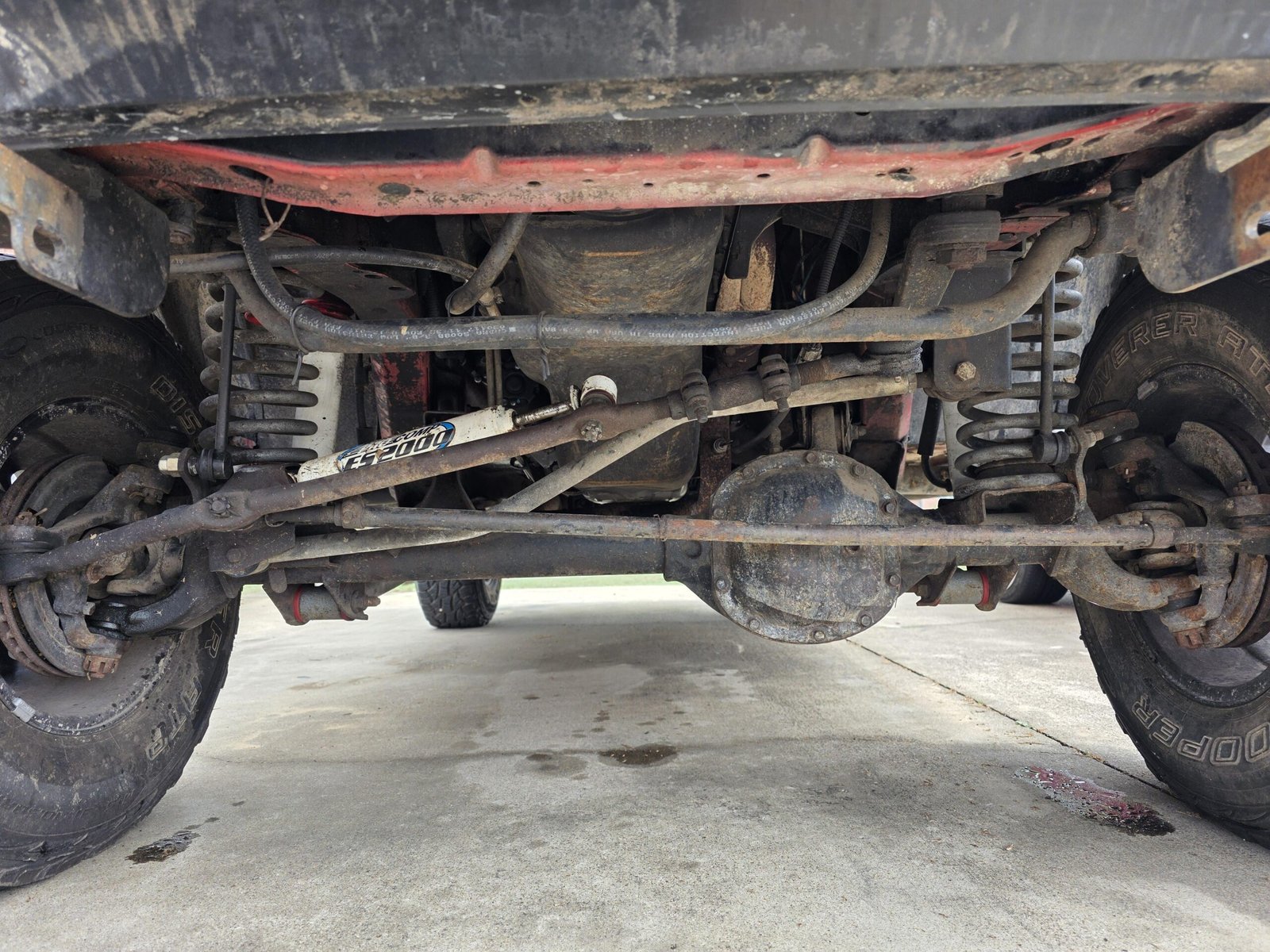
Unlike independent front suspension (IFS) systems found in many modern SUVs, the XJ's solid axle keeps both front wheels on the same plane.
This means when one wheel hits a bump, the other is also affected. While this can be less comfortable on smooth roads, it’s a significant advantage off-road, allowing the tires to maintain better contact with uneven terrain.
This article will explore the Jeep Cherokee XJ front suspension in detail. We will cover its main components, how it works, common issues, and popular upgrade paths. Whether you’re a seasoned Jeeper or new to the XJ community, this guide aims to provide clear, practical information.
The Anatomy Of The Xj Front Suspension
The front suspension of a Jeep Cherokee XJ is a robust system designed for off-road durability. It primarily consists of a solid front axle and a leaf spring setup. This combination is known for its strength and simplicity, making it a favorite among off-road enthusiasts.
Solid Front Axle
The solid front axle is the backbone of the XJ’s front suspension. It’s a single, rigid beam that houses the differential and connects the front wheels. Unlike independent suspension, where each wheel moves separately, a solid axle moves both wheels together.
- Function: The axle carries the weight of the front of the vehicle and allows the wheels to steer. It also contains the differential, which allows the front wheels to turn at different speeds when making a turn.
- Durability: Solid axles are known for their extreme toughness. They can withstand significant impacts and stresses from off-road driving, such as hitting rocks or landing after jumps. This makes them ideal for rugged terrain.
- Articulation: While solid axles can be less refined on pavement, they offer excellent articulation off-road. This means the axle can twist and flex, allowing the wheels to maintain contact with the ground over uneven surfaces, providing better traction.
Leaf Springs
The XJ uses leaf springs to support the weight of the front end and absorb shocks. These are long, curved metal strips (leaves) stacked on top of each other.
- How they work: When the wheel encounters a bump, the leaf springs flex, absorbing the impact. The stacked leaves allow for a controlled amount of flex while supporting the vehicle’s weight.
- Mounting: The leaf springs are mounted to the frame of the Jeep on one end and to the axle on the other. They are typically held in place by U-bolts that wrap around the axle and attach to spring plates.
- Ride Quality: Leaf spring suspension can provide a firm ride on the road. Off-road, they contribute to the vehicle’s ability to flex and maintain tire contact.
Shock Absorbers
Shock absorbers are crucial components that dampen the bouncing motion of the springs.
- Purpose: When the leaf springs compress and extend, they tend to oscillate. Shocks convert the kinetic energy of this movement into heat, slowing down the oscillations and providing a smoother ride.
- Location: XJ front shocks are typically mounted between the axle and the frame, allowing them to absorb the movement of the suspension.
Steering Components
The front suspension is also connected to the steering system, allowing you to control the direction of the vehicle. Key components include:
- Tie Rods: These connect the steering knuckle on each wheel to the steering gear.
- Drag Link: This connects the steering gear to the steering knuckle on one side.
- Steering Knuckles: These are the parts that the wheels attach to, allowing them to pivot for steering.
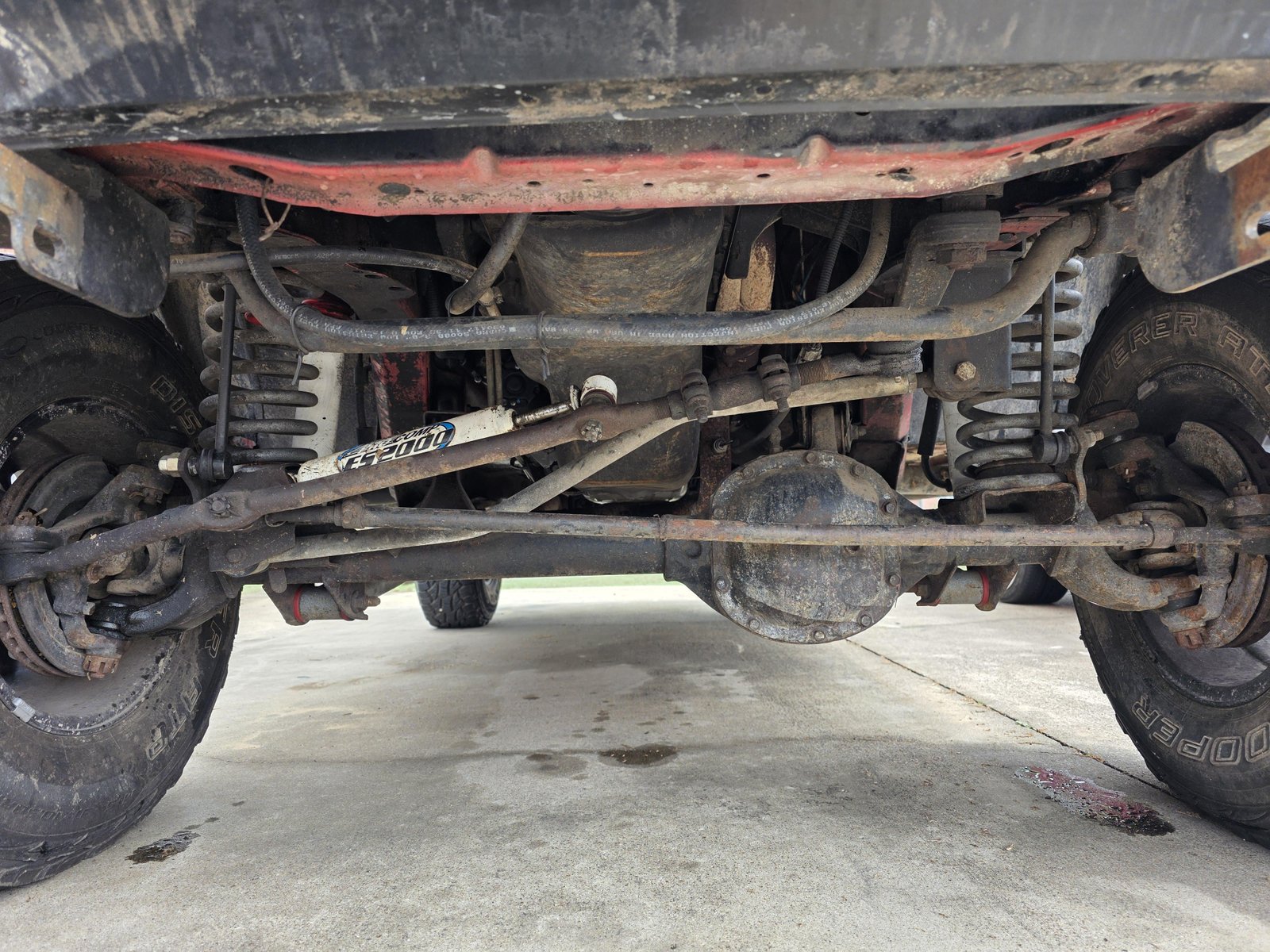
- Track Bar (Panhard Rod): This is a crucial component that keeps the solid axle centered under the vehicle. It connects the axle to the frame on one side. Without a properly functioning track bar, the axle can shift side-to-side, affecting steering and stability.
How The Xj Front Suspension Works
The Jeep Cherokee XJ front suspension is a relatively simple yet effective system. Its design prioritizes durability and off-road performance over on-road comfort, a common trade-off for solid axle vehicles.
Weight Support And Dampening
The primary role of the front suspension is to support the weight of the front of the vehicle and absorb impacts from the road or trail.
- Weight Bearing: The leaf springs are the main load-bearing components. They hold up the front end of the Cherokee.
- Shock Absorption: When the wheels hit bumps, the leaf springs compress and flex. The shock absorbers then work to control the speed at which the springs rebound, preventing excessive bouncing. Without shocks, the vehicle would continue to oscillate after hitting a bump.
Steering And Alignment
The steering components work together to allow the driver to control the direction of the vehicle.
- The steering gear (usually a steering box in an XJ) translates the turning of the steering wheel into movement of the tie rods and drag link.
- These rods push and pull on the steering knuckles, causing the wheels to turn.
- The track bar is essential for keeping the axle centered. If it fails or is worn, the axle can drift left or right, making the steering feel vague or unstable. A properly aligned track bar ensures the front wheels follow a straight path when the steering wheel is centered.
Off-road Articulation
One of the key advantages of the XJ’s solid front axle is its ability to articulate.
- Articulation Explained: This refers to the suspension’s ability to allow the wheels to move up and down independently over obstacles. With a solid axle, when one wheel goes up, the other tends to go down.
- Benefit: This keeps the tires in contact with the ground more consistently on uneven terrain. Better tire contact means better traction, which is vital for off-roading. The leaf springs, with their ability to flex, contribute significantly to this articulation.
On-road Vs. Off-road Characteristics
The XJ’s suspension is a compromise.
- On-Road: On smooth pavement, the solid axle can transmit more road imperfections into the cabin, leading to a less refined ride compared to independent suspension. Steering can also feel less precise.
- Off-Road: Off-road, the solid axle shines. Its strength allows it to handle abuse, and its articulation provides superior traction. The simplicity of the leaf spring design also makes it easier to repair and modify for off-road use.
Common Issues And Maintenance
Like any vehicle, the Jeep Cherokee XJ front suspension can develop problems over time. Regular maintenance and awareness of common issues can help keep your XJ performing well and prevent costly repairs.
Worn Leaf Springs
Over years of use, especially with heavy loads or aggressive off-roading, the leaf springs can sag or break.
- Symptoms: A sagging front end, uneven ride height, poor handling, and visible damage to the springs (cracks, broken leaves).
- Maintenance: Inspect leaf springs for rust, cracks, or bending. If they are significantly worn, they will need to be replaced. Sometimes, adding an extra leaf can help restore ride height and load capacity.
Worn Shocks
Shock absorbers have a finite lifespan and will eventually wear out.
- Symptoms: Bouncy ride, excessive body roll in corners, nose-diving during braking, and visible leaks from the shock body.
- Maintenance: Shocks typically last between 30,000 to 50,000 miles. Inspect them regularly for leaks or damage. Replacing worn shocks improves ride quality and handling.
Bushing Wear
The suspension system uses various bushings (rubber or polyurethane inserts) at pivot points to reduce vibration and noise.
- Locations: Bushings are found where the leaf springs attach to the frame, at the ends of the track bar, and in steering components.
- Symptoms: Clunking noises, especially when turning or going over bumps, loose steering feel, and uneven tire wear.
- Maintenance: Inspect bushings for cracks, tears, or deterioration. Worn bushings should be replaced to restore proper suspension function and reduce noise.
Track Bar Issues
The track bar (Panhard rod) is critical for keeping the axle centered.
- Symptoms: The vehicle pulls to one side, the steering feels loose or wanders, and you might hear clunking noises from the front end.
- Maintenance: Check the track bar and its mounting points for looseness or damage. A worn track bar or its bushings can significantly affect steering stability. Replacing a worn track bar or its bushings is essential for safe operation.
Steering Component Wear
The tie rods, drag link, and ball joints are subject to wear from driving and off-roading.
- Symptoms: Loose steering, vibrations felt in the steering wheel, uneven tire wear, and clicking or popping noises when turning.
- Maintenance: Regularly inspect steering components for play or damage. Worn ball joints, tie rod ends, or drag links must be replaced promptly to maintain steering control and safety.
U-bolt Looseness
The U-bolts secure the leaf springs to the axle. If they become loose, it can cause significant problems.
- Symptoms: Clunking noises, the axle shifting relative to the leaf springs, and a potential loss of suspension integrity.
- Maintenance: Periodically check the tightness of the U-bolts. They should be torqued to the manufacturer’s specifications.
Upgrading Your Xj Front Suspension
Many Jeep Cherokee XJ owners choose to upgrade their front suspension to improve off-road capability, enhance on-road comfort, or achieve a desired stance. The leaf spring and solid axle design lends itself well to modifications.
Lift Kits
Lift kits are the most common suspension upgrade. They increase the vehicle’s ground clearance, allowing for larger tires and better obstacle clearance off-road.
- Types of Lift Kits:
- Budget Boosts: These are typically spacer-based kits that add height without changing the suspension geometry significantly. They are a cost-effective way to add a few inches of lift.
- Complete Suspension Lifts: These kits replace key components like leaf springs, shocks, and sometimes control arms or track bars. They offer more significant height increases (4-6 inches or more) and are designed to improve suspension performance both on and off-road.
- Considerations:
- Leaf Spring Replacement: Higher lifts often require replacing the front leaf springs with longer, stiffer ones designed for the added height.
- Shocks: Longer travel shocks are necessary to accommodate the increased suspension travel and maintain proper damping.
- Track Bar Correction: When lifting the vehicle, the axle shifts to one side. A track bar relocation bracket or an adjustable track bar is often needed to re-center the axle and correct steering geometry.
- Other Components: Depending on the lift height, you might need longer brake lines, new U-bolts, and potentially modifications to the steering system.
Improved Shocks And Steering Stabilizers
Even without a lift, upgrading the shock absorbers can significantly improve ride quality and handling.
- Performance Shocks: Aftermarket shocks offer better damping, increased travel, and improved heat dissipation compared to stock shocks. Brands like Bilstein, Rancho, and Old Man Emu are popular choices.
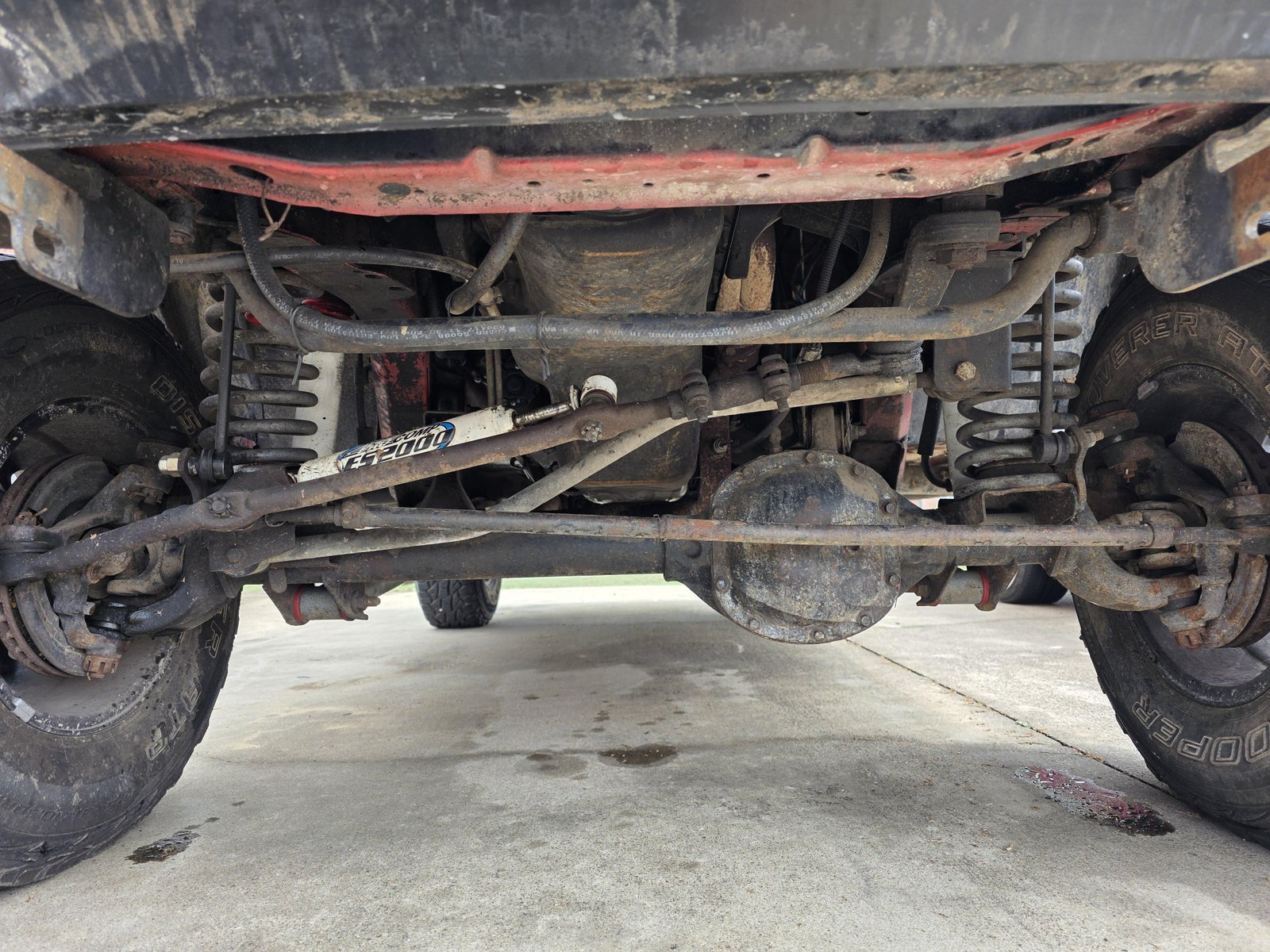
- Steering Stabilizers: These are small shock absorbers mounted near the steering linkage. They help dampen steering vibrations and reduce steering wheel kickback from impacts, making the steering feel more stable, especially with larger tires.
Re-arching Or Replacing Leaf Springs
For those looking to restore ride height or improve load-carrying capacity without a full lift, re-arching or replacing leaf springs is an option.
- Re-arching: This process involves bending the existing leaf springs to restore their original arch. It’s a less expensive option than new springs but may not be as durable.
- New Leaf Springs: Replacing worn springs with new ones, either stock-height or slightly taller versions, can restore the vehicle’s stance and improve its handling.
Polyurethane Bushings
Replacing worn rubber bushings with polyurethane bushings can offer a firmer ride and improved responsiveness.
- Benefits: Polyurethane is more durable than rubber and less prone to tearing or degradation. It provides a more direct connection between the axle and frame, leading to sharper handling.
- Drawbacks: Polyurethane can transmit more vibration and noise into the cabin, resulting in a slightly harsher ride.
Advanced Off-road Modifications
For serious off-roaders, more advanced modifications are available:
- Longer Leaf Springs: Some kits use longer leaf springs that provide more suspension travel and better articulation.
- Custom Spring Tuning: Spring rates can be customized to match the vehicle’s weight and intended use.
- High-Angle U-Joints: For extreme articulation, ensuring the U-joints in the driveshaft can handle the increased angles is important.
Pro Tip: When choosing a lift kit, consider your intended use. A mild 2-3 inch lift is often sufficient for fitting larger tires and improving trail capability without drastically altering the vehicle’s on-road manners or requiring extensive modifications. For more extreme lifts, be prepared for potential compromises in ride comfort and the need for additional supporting modifications.
Choosing The Right Components For Your Xj
Selecting the correct parts for your Jeep Cherokee XJ front suspension is crucial for performance, longevity, and safety. Whether you’re replacing worn parts or planning an upgrade, understanding the options and their implications is key.
Understanding Your Needs
Before buying any parts, consider:
- Intended Use: Will the Jeep be a daily driver, a weekend off-roader, or a dedicated trail rig? This will dictate the type and quality of components you need.
- Budget: Suspension components range widely in price. Set a realistic budget and research options within that range.
- Desired Outcome: Are you aiming for improved comfort, better off-road articulation, increased ground clearance, or a specific aesthetic?
Key Component Considerations
- Leaf Springs:
- Stock Replacement: If your original springs are worn, direct replacements will restore the factory ride height and feel.
- Lifted Springs: If adding height, choose springs designed for the desired lift amount. Consider the spring rate



















