The Jeep Cherokee XJ is a legendary vehicle, known for its ruggedness and capability. For many owners, it's more than just a car; it's a reliable companion for off-road adventures and daily commutes alike.
A critical component that significantly impacts its performance and longevity is the cylinder head. This complex part houses valves, spark plugs, and other vital engine elements, making its condition paramount.
Understanding the Jeep Cherokee XJ cylinder head, its common issues, maintenance needs, and repair options is essential for any owner looking to keep their classic Jeep running smoothly for years to come. This guide will explore everything you need to know about this crucial engine part.
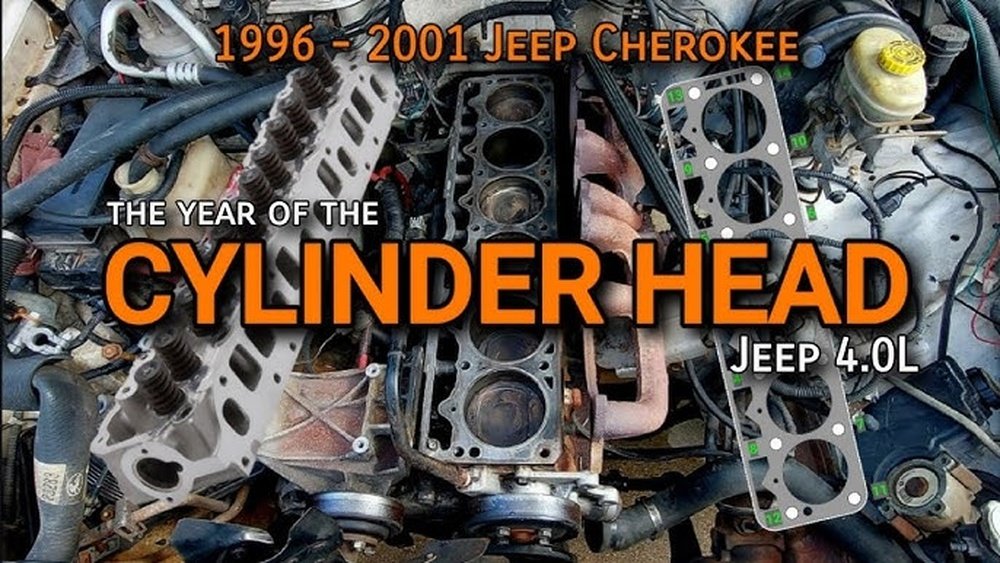
Understanding The Jeep Cherokee Xj Cylinder Head
The cylinder head sits on top of the engine block, forming the combustion chamber. In a Jeep Cherokee XJ, this component is responsible for a multitude of functions.
It seals the cylinders and controls the flow of the air-fuel mixture into the cylinders and the exhaust gases out.
The valves, guided by the cylinder head, open and close at precise moments, orchestrated by the camshaft, to manage this process.
The XJ Cherokee typically came with two main engine options during its production run: the 2.5L four-cylinder and the 4.0L inline-six. Both engines utilize a cast-iron cylinder head. This material choice was common for durability and heat resistance, especially in demanding applications like off-roading. However, cast iron is also heavy and can be prone to certain types of damage over time, particularly corrosion and cracking.
Key Functions Of The Xj Cylinder Head
- Sealing Combustion: It forms the top seal of the combustion chamber, preventing gases from escaping under high pressure.
- Valve Operation: It houses the intake and exhaust valves, valve springs, retainers, and seals. The camshaft(s) act upon these valves to regulate the engine’s breathing.
- Spark Plug/Glow Plug Mounting: It provides mounting points for spark plugs (gasoline engines) or glow plugs (diesel engines, though less common in XJs in many markets), which ignite the air-fuel mixture.
- Intake and Exhaust Ports: It features precisely shaped ports that direct the air-fuel mixture into the cylinders and the burnt exhaust gases away.
- Coolant and Oil Passages: Integrated passages allow coolant to flow through the head to dissipate heat and oil to lubricate the valve train components.
The design of the XJ cylinder head, especially for the popular 4. 0L engine, is known for its robustness.
However, like any engine component, it can develop problems due to age, wear, overheating, or improper maintenance.
Common Jeep Cherokee Xj Cylinder Head Problems
Over the years, Jeep Cherokee XJ owners have encountered several recurring issues with their cylinder heads. These problems can range from minor leaks to catastrophic engine failures, so recognizing the symptoms is key to timely repairs.
Cracked Cylinder Head
This is perhaps the most feared problem for XJ owners. Cracks can develop in the cast iron head, often due to repeated overheating cycles or manufacturing defects.
The 4. 0L engine is particularly susceptible to cracks between the valve seats, especially on the exhaust side.
Symptoms of a Cracked Head:
- Coolant Loss: Coolant may leak into the combustion chamber, leading to white smoke from the exhaust, or it might leak externally.
- Overheating: A cracked head can disrupt coolant flow, causing the engine to overheat.
- Milky Oil: If coolant enters the oil passages, the oil can become frothy or milky.
- Rough Idle/Misfires: Coolant in the cylinder can cause misfires, leading to a rough-running engine.
- Bubbles in the Radiator/Coolant Reservoir: Combustion gases can escape into the cooling system through the crack, causing pressure buildup and visible bubbling.
Causes:
- Overheating: This is the primary culprit. Repeatedly running the engine too hot weakens the metal and creates stress points.
- Casting Flaws: Though less common, inherent weaknesses in the casting can lead to cracks over time.
- Freezing: If coolant is not properly mixed with antifreeze, it can freeze and expand, potentially cracking the head.
Warped Cylinder Head
Overheating can also cause the cylinder head to warp, meaning its flat surface is no longer perfectly level. This can happen even without a visible crack.
Symptoms of a Warped Head:
- Head Gasket Failure: A warped head will not seal properly against the engine block, leading to blown head gaskets.
- Coolant Leaks: Leaks can occur externally or internally between coolant and oil passages.
- Overheating: Impaired sealing and coolant flow can lead to overheating.
Causes:
- Overheating: Similar to cracking, extreme heat is the main cause of warping.
- Uneven Tightening: Improper installation or torqueing of the head bolts during a previous repair can lead to uneven stress and warping.
Blown Head Gasket
While not a cylinder head failure itself, a blown head gasket is often a symptom of underlying cylinder head issues like cracking or warping. The head gasket is a crucial seal between the cylinder head and the engine block.
Symptoms of a Blown Head Gasket:
- Coolant and Oil Mixing: Milky oil or oil in the coolant.
- Combustion Gases in Coolant: Bubbles in the radiator or expansion tank.
- External Leaks: Coolant or oil leaking from the seam between the head and block.
- Loss of Compression: Misfires, loss of power, and rough idling.
- White Smoke from Exhaust: Coolant burning in the combustion chamber.
Causes:
- Overheating: The most common cause, as extreme heat degrades the gasket material.
- Cracked or Warped Head: These issues compromise the sealing surface.
- Improper Installation: Incorrect torque sequence or values when installing a new gasket.
- Age and Wear: Gaskets have a finite lifespan.
Valve Seat Issues
The valve seats are precisely machined surfaces within the cylinder head where the valves seal. Wear, recession, or damage to these seats can cause compression loss and performance issues.
Symptoms:
- Misfires: Especially noticeable at idle or under load.
- Loss of Power: Inability to hold compression effectively.
- Rough Idle: Inconsistent combustion.
Causes:
- Wear and Tear: Over millions of cycles, the metal can wear down.
- Overheating: Can exacerbate valve seat recession.
- Incorrect Valve Adjustment: If applicable, improper adjustment can lead to the valve not seating properly.
Diagnosing Cylinder Head Problems
Accurate diagnosis is crucial before undertaking any repairs. Simply replacing a head gasket without addressing an underlying crack or warp will likely lead to repeat failures.
Common Diagnostic Steps
- Visual Inspection: Look for obvious signs of leaks, coolant residue, or oil contamination. Check the condition of spark plugs for signs of coolant.
- Cooling System Pressure Test: This test pressurizes the cooling system to reveal external leaks. It can also help detect internal leaks if pressure drops without visible external signs.
- Combustion Leak Test (Block Test): This test uses a chemical indicator that changes color if combustion gases are present in the coolant. It’s a good indicator of a cracked head or blown head gasket.
- Compression Test: Measures the pressure in each cylinder. Low readings in one or more cylinders can indicate issues with valves, piston rings, or the head gasket/head itself.
- Leak-Down Test: This test pressurizes a cylinder with compressed air and measures how much air is lost and where it’s escaping. Listening for air escaping into the intake, exhaust, or coolant system can pinpoint the problem area.
- Oil Analysis: While not a direct cylinder head diagnostic, an oil analysis can sometimes detect coolant contamination.
Repairing And Replacing The Jeep Cherokee Xj Cylinder Head
Once a problem is diagnosed, owners face a decision: repair the existing head or replace it with a new or remanufactured unit. The choice often depends on the severity of the damage, cost, and availability.
Options For Repair
- Machining and Resurfacing: If the head is only slightly warped and not cracked, a machine shop can resurface it to ensure a flat mating surface. This is a common procedure when replacing a head gasket.
- Welding and Repair: For minor cracks, some machine shops can repair them by welding. However, this is often a temporary fix, especially on high-stress areas like between valve seats on the 4.0L. The success and longevity of welded repairs can be questionable.
- Replacing Valves and Seats: Worn valve seats can be replaced, and valves can be re-ground or replaced. This is typically done as part of a broader cylinder head rebuild.
Replacement Options
- New Cylinder Head: The most expensive option, offering a brand-new component. These are becoming harder to find for older vehicles like the XJ.
- Remanufactured Cylinder Head: These are used heads that have been professionally rebuilt. They are typically disassembled, cleaned, inspected, machined, and fitted with new seals, valves, and other components as needed. This is often the most balanced option in terms of cost and reliability.
- Used Cylinder Head: Sourced from a salvage yard. This is the cheapest option but carries the most risk. The condition of a used head can be highly variable, and it may have underlying issues that are not immediately apparent.
The Replacement Process (overview)
Replacing a cylinder head is a labor-intensive job that requires significant mechanical skill and specialized tools.
- Disassembly: The intake manifold, exhaust manifold, valve cover, and other components attached to the head are removed.
- Head Bolt Removal: The cylinder head bolts are removed in a specific sequence.
- Head Removal: The cylinder head is carefully lifted off the engine block.
- Cleaning and Inspection: Both the head and the engine block deck surface are thoroughly cleaned. The block deck is inspected for flatness.
- Preparation of New/Rebuilt Head: If a new or rebuilt head is being installed, it’s prepared with new gaskets, seals, and potentially other components.
- Installation: The new or rebuilt head is carefully placed onto the block, often with a new head gasket.
- Torquing Head Bolts: The head bolts are tightened in a specific sequence and to precise torque specifications, often involving multiple stages and degrees of rotation. This is critical for proper sealing.
- Reassembly: All removed components are reinstalled.
- Fluid Fill and Initial Start-up: Coolant and oil are refilled. The engine is started and checked for leaks and proper operation.
Choosing The Right Cylinder Head For Your Xj
When it’s time to replace your XJ’s cylinder head, the quality of the replacement part is paramount. Not all aftermarket heads are created equal.
Factors To Consider:
- Material: Stick with cast iron for direct replacement unless you have a heavily modified engine and a specific reason to go with aluminum (which is less common for XJs).
- Manufacturer Reputation: Research brands known for producing reliable Jeep parts. Some manufacturers specialize in performance or heavy-duty replacements.
- Completeness: Decide if you want a bare head (requiring you to transfer your old components) or a fully loaded head (with valves, springs, etc., already installed). A loaded head can save labor but ensure the quality of the included components.
- Warranty: A good warranty provides peace of mind. Look for at least a one-year warranty on remanufactured or new heads.
- Price vs. Quality: The cheapest option is rarely the best. Investing in a quality remanufactured head from a reputable supplier is often more cost-effective in the long run, avoiding repeat repairs.
Popular Aftermarket Options
While specific brands can change, reputable suppliers often offer:
- Standard Remanufactured Heads: These are built to OEM specifications and are suitable for most daily drivers and mild off-road use.
- Performance Heads: Some aftermarket companies offer heads with improved porting, larger valves, or higher-flow designs for those seeking more power. For the XJ, especially the 4.0L, these are less common as the stock design is already quite efficient.
When purchasing, ensure the head is specifically listed for your Jeep Cherokee XJ year and engine size (2.5L or 4.0L). Small differences in bolt hole locations or port sizes can make a head incompatible.
Maintenance Tips To Protect Your Cylinder Head
Preventative maintenance is the best way to avoid costly cylinder head repairs.
Key Maintenance Practices
- Maintain the Cooling System: This is the single most important factor.
- Regular Coolant Flushes: Replace coolant at recommended intervals (typically every 30,000-60,000 miles or 2-5 years, depending on coolant type). Use the correct type of coolant for your Jeep.
- Check Coolant Level: Ensure the coolant reservoir is always at the correct level.
- Inspect Hoses and Radiator: Look for leaks, cracks, or blockages in hoses, the radiator, and the water pump.
- Thermostat Function: Ensure the thermostat is operating correctly and opening at the proper temperature.
- Monitor Engine Temperature: Pay attention to your temperature gauge. If it starts to climb higher than normal, pull over safely and investigate. Do not continue driving an overheating engine.
- Use Quality Oil: Use the correct viscosity and type of oil recommended for your XJ and change it at regular intervals. Proper lubrication is essential for all engine components, including the valve train.
- Address Leaks Promptly: Small coolant or oil leaks can indicate a larger problem developing. Fix them before they lead to overheating or further damage.
- Avoid Hard Driving When Cold: Allow the engine to warm up slightly before subjecting it to heavy acceleration or high RPMs.
Pro Tip:
Always use a 50/50 mix of antifreeze and distilled water in your cooling system. This not only prevents freezing but also raises the boiling point of the coolant, providing better protection against overheating, especially in demanding conditions like climbing hills or towing.
Using straight water or incorrect coolant mixtures can lead to premature corrosion and reduced cooling efficiency.
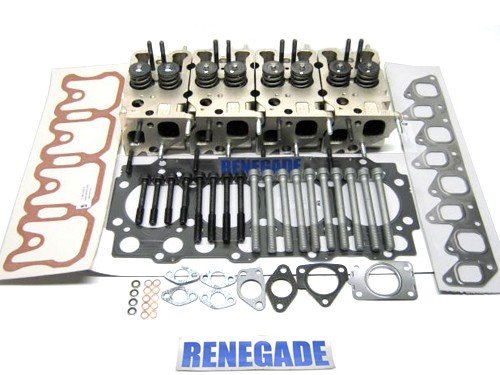
The Jeep 4.0l Inline-six Cylinder Head: A Closer Look
The 4. 0L inline-six engine is the heart and soul of many cherished Jeep Cherokee XJs.
Its cylinder head, while robust, has specific characteristics that owners should be aware of.
Casting Material: As mentioned, it’s cast iron. This material is durable under normal operating temperatures but can become brittle and prone to cracking



















